China Sponge City Siphonic Waterproof and Drainage Collection System Manufacturer, Companies
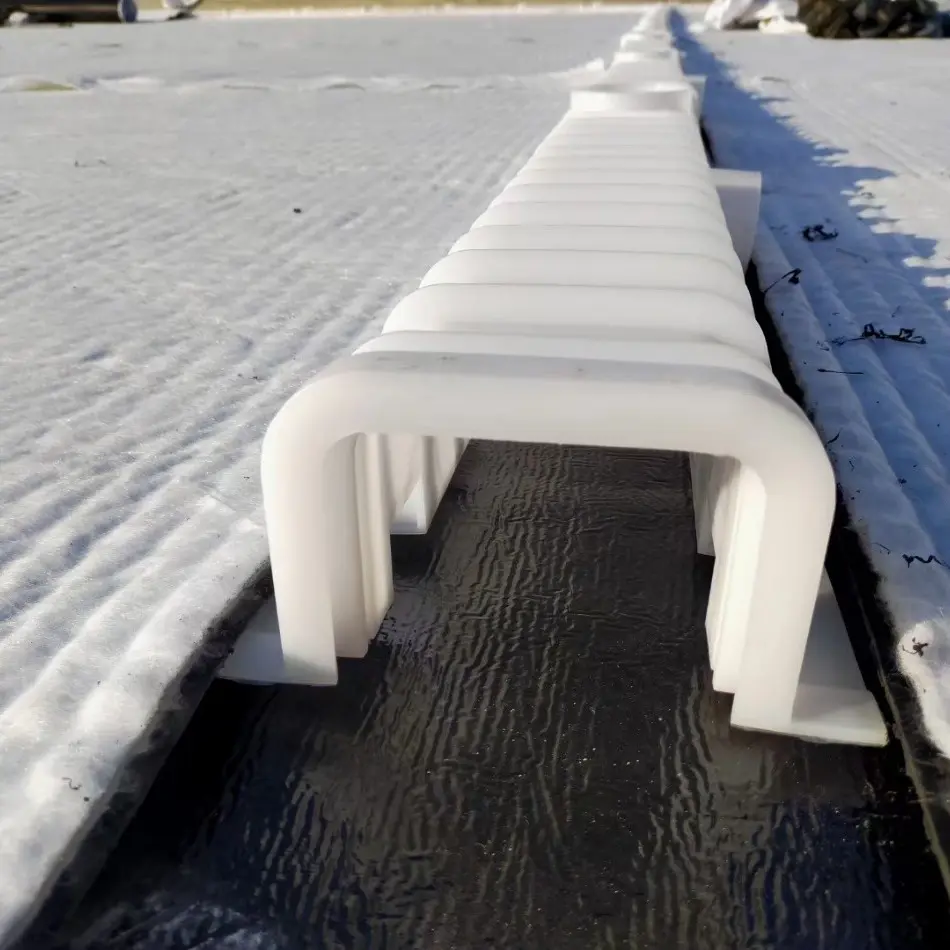
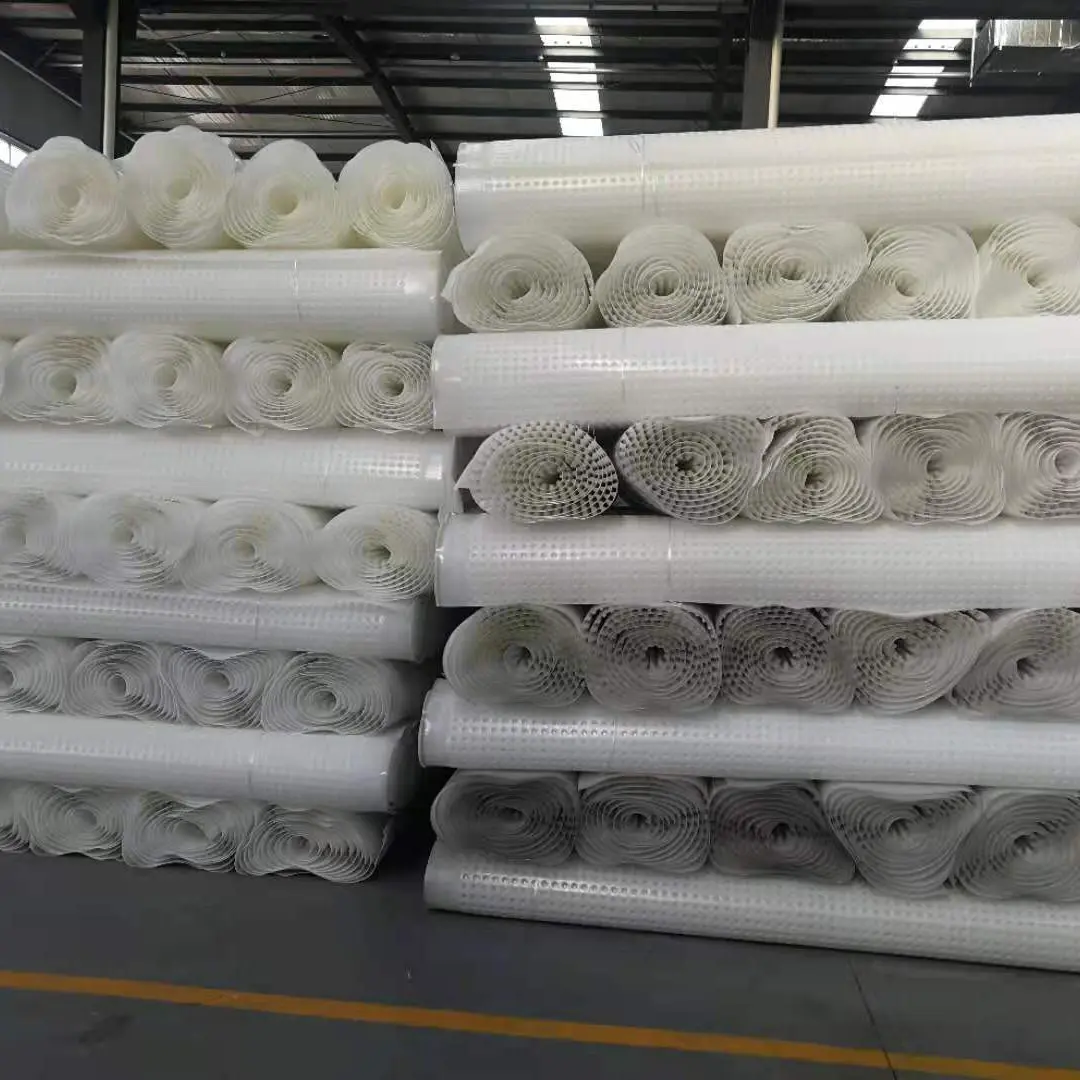
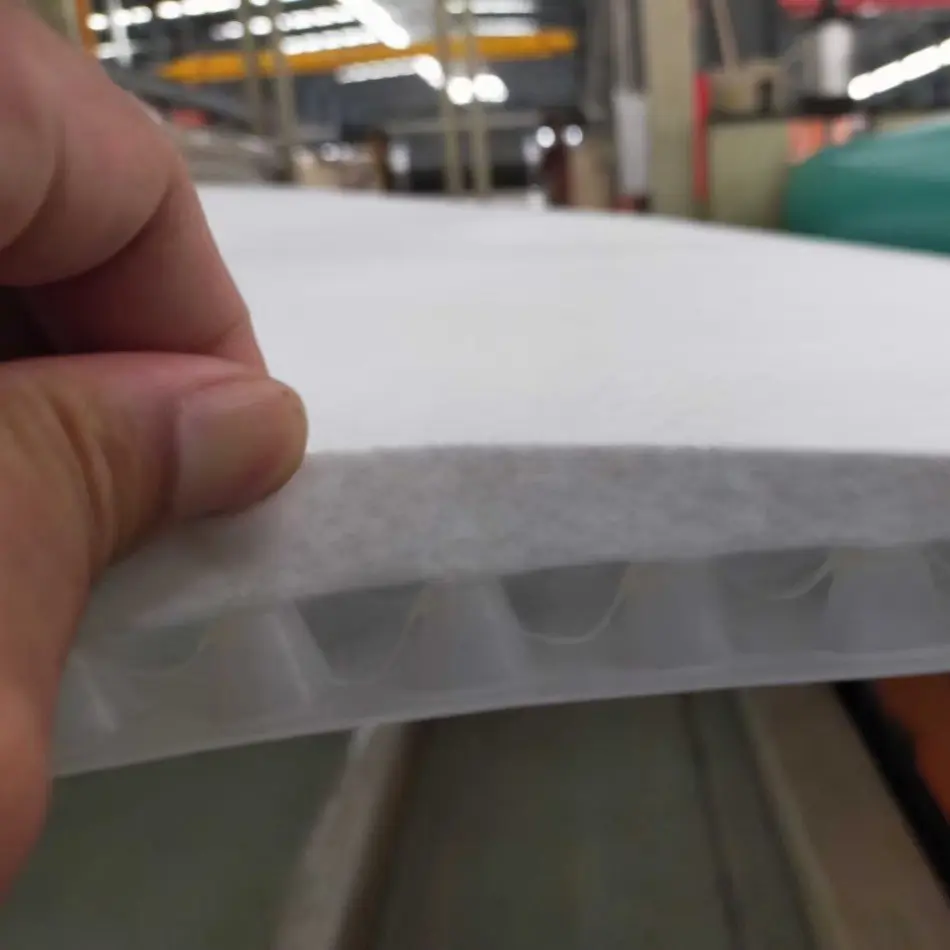
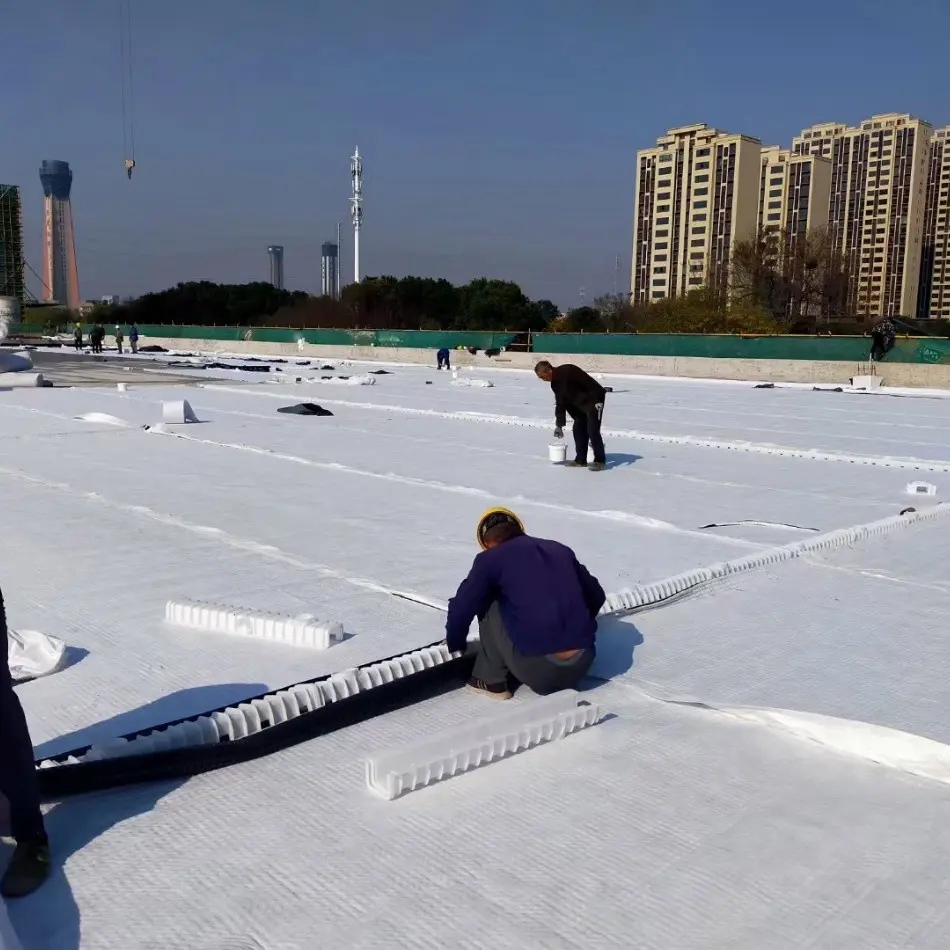
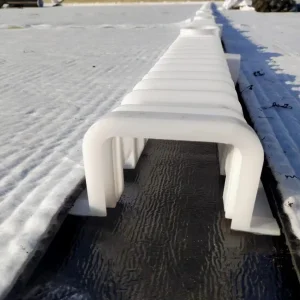
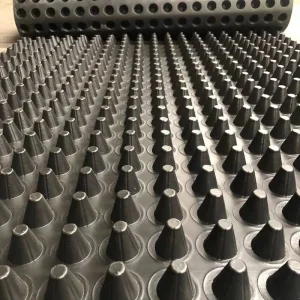
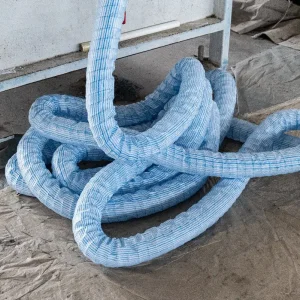
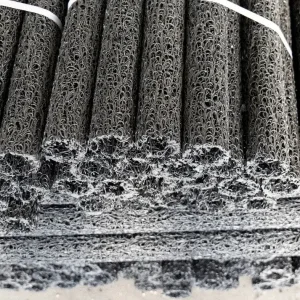
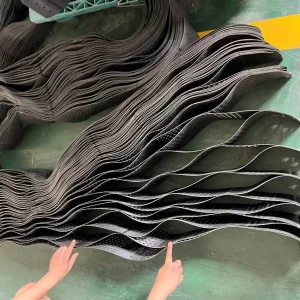
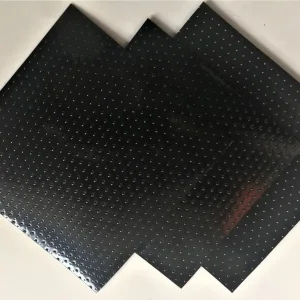
The collection method of the siphonic waterproof drainage collection system is to continuously flow soil seepage water through PED14 high-molecular protective drainage special-shaped sheets to the siphonic drainage trough. The water in the siphonic drainage trough quickly gathers at the outlet. The outlet is filled with water by changing the diameter of the pipe, thus forming a siphonic flow. Then it successively enters the observation well and the collection well, and is finally reused. The construction process involves laying the adhesive bar, siphonic drainage trough, PED14 polymer protective drainage special-shaped sheet, reducer pipe, observation well and collection well in sequence. Siphonic drainage collection method and construction technology, no need to find the slope, can achieve zero-slope organized drainage. By adopting the principle of siphoning, the original passive drainage has been changed to active drainage, effectively solving the problems of incomplete drainage, leakage and damage to vegetation in the existing drainage structure. This can reduce costs and construction periods, effectively extend the service life of buildings, and the collected water can be reused.
Our core focus remains on delivering high-quality, durable components designed for complex environments. By utilizing advanced manufacturing techniques, we ensure that every product meets rigorous international standards, providing reliability where it matters most.
Key Technical Advantages
Precision Engineering: Manufactured with tolerance levels exceeding standard industry requirements.
Material Integrity: Sourced from premium-grade alloys to prevent corrosion and wear.
Operational Efficiency: Streamlined design to reduce energy consumption during high-load cycles.
Versatile Application: Suitable for aerospace, automotive, and heavy machinery sectors.
Advanced Production Process
The integration of automated systems allows for consistent quality control. Each phase of the production is monitored by sensors to detect deviations in real-time, ensuring that final outputs are flawless and ready for immediate deployment.
Global Standards and Quality Assurance
Rigorous testing protocols are implemented, including thermal stress analysis and structural integrity assessments. This commitment to excellence guarantees that our solutions perform optimally under extreme conditions, providing peace of mind for engineering teams worldwide.
Frequently Asked Questions
What materials are primarily used in the manufacturing process?
We utilize high-grade stainless steel, reinforced polymers, and specialized alloys depending on the specific application requirements to ensure maximum durability and performance.
Do the products comply with international safety standards?
Yes, all products undergo strict testing to comply with global safety and quality certifications, ensuring they meet the legal requirements for various international markets.
How is the quality of each batch verified?
We employ a multi-stage quality control process involving automated optical inspection (AOI) and manual stress testing to verify the integrity of every unit before shipment.
Can the designs be customized for specific project needs?
Our engineering team can adapt standard designs to meet unique specifications, including size adjustments, material substitutions, and performance enhancements.
What is the typical lead time for standard orders?
Lead times vary based on the order volume, but standard components are typically processed and ready for dispatch within 10-15 business days.
Are technical support and documentation provided?
Comprehensive technical datasheets, installation guides, and maintenance protocols are included with every product to ensure seamless integration into your systems.
 Changhong