Engineered for high-intensity hydraulic demands in municipal and commercial developments across Togo.
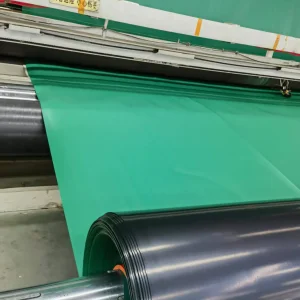
Taian Changhong Engineering Materials Co., Ltd. stands as a world-class manufacturing authority in custom-engineered geosynthetics. Our comprehensive production lineup integrates advanced chemical engineering to formulate smooth geomembranes, structured rough geomembranes, double-color geomembranes, and specialized non-woven geotextiles (including polyester short/long-fiber, polypropylene, and hot-rolled variations).
Certified under ISO9001:2015, ISO14001:2015, and OHSAS18001:2007, we run advanced quality control programs. By securing raw materials through robust global supply channels and adopting precise polymer ratios, our R&D team custom-develops high-performance materials using HDPE, LDPE, EVA, and ECB to match complex geographic and environmental parameters.
Our operation houses over 60 full-time specialists, led by 3 chief chemical process engineers, 5 mechanical systems engineers, and 9 professional equipment operation specialists. This depth of industrial experience maintains the long-term durability and structural integrity of every deployment.
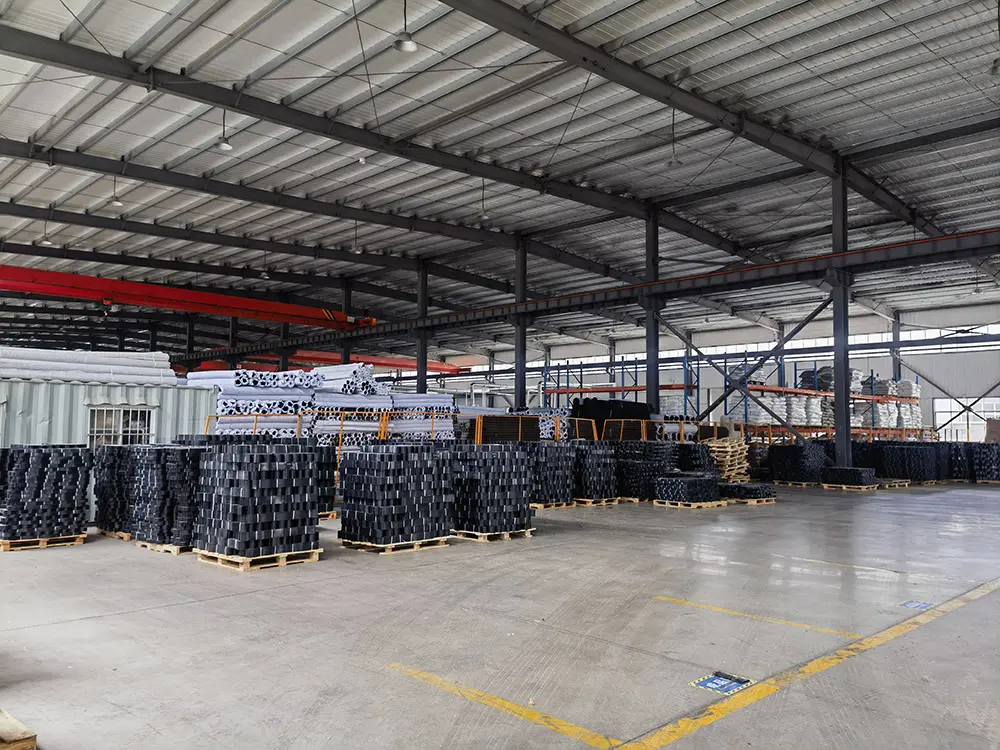
A regional overview of Togo's unique soil characteristics, climate stresses, and growing industrial needs.
Togo's capital city, Lomé, experiences high rainfall intensity during its twin wet seasons (May-July and September-November). The combination of a high water table and low-lying coastal geography requires subgrade stabilization and rapid-flow siphonic drainage configurations to stop flooding of key logistics routes around the Port of Lomé.
Togo is subjected to high solar radiation levels, causing rapid degradation in standard plastics. Taian Changhong's geomembranes and geogrids feature premium carbon black and chemical UV stabilizers, keeping systems operational for decades even under intense tropical sunlight.
In the drier northern Savanes and Kara regions of Togo, storing rainwater during the wet season is vital for agriculture. Our double-color and smooth geomembrane liners prevent water seepage in ponds, canals, and reservoirs, supporting regional farming during dry spells.
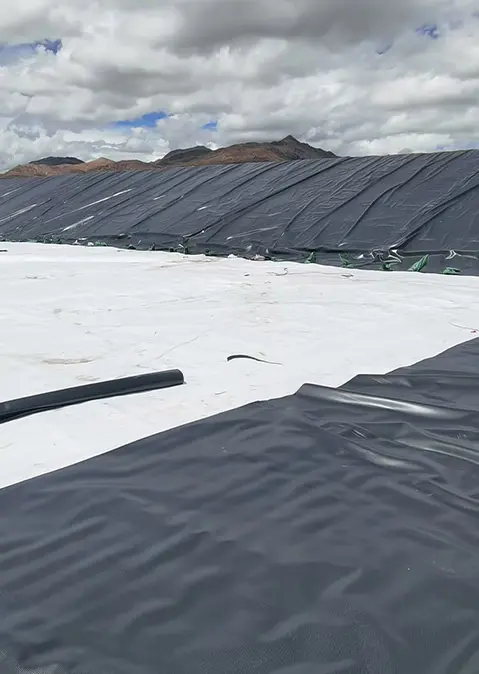
Urban growth, shifting weather patterns, and stricter environmental laws are driving the adoption of high-performance geosynthetics worldwide. Current international engineering trends focus on:
How Taian Changhong's geosynthetic materials solve real-world engineering issues in West African climates.
Heavy port logistics demand stable subgrades. High-strength non-woven filament geotextiles prevent muddy soil mixing with gravel bases, extending the lifespan of roads and container yards.
Togo's rich phosphate mining sector uses heavy-duty HDPE geomembrane linings in settling ponds to trap acidic process water, keeping nearby soil and rivers clean.
In irrigation systems throughout Central and Northern Togo, our double-color geomembranes reduce water loss from evaporation and soil seepage in long canal paths.
Steep highway cuts on routes like the N1 are prone to landslides during heavy rains. Installing plastic geocells filled with topsoil stabilizes slopes and encourages plant growth.
Tailored engineering systems designed to meet international standards across diverse applications.
Anti-seepage systems built for municipal solid waste landfills, hazardous waste containment, biogas digesters, wastewater lagoons, chemical holding basins, and power plant regulating reservoirs.
Seepage control and slope protection for commercial shrimp and fish farms, municipal retention ponds, decorative water features, and irrigation dams across rural Togo.
High-performance waterproofing and subgrade moisture barriers for subways, transport tunnels, highway base reinforcements, foundation drainage systems, and green roof projects.
Erosion protection, canal lining, and seepage barriers for irrigation dams, river channels, aqueducts, municipal reservoirs, and harbor bulkhead stabilization projects.
Robust lining solutions for heap leaching pads, tailings dams, acid storage reservoirs, raw refinery containment pits, chemical storage terminals, and concrete tank secondary containment.
Structural soil stabilization and sub-base drainage for runways, heavy-rail networks, highway pavements, embankments, and retaining walls built on soft or swelling clay soils.
See our geosynthetic materials in action, keeping infrastructure safe and functional globally.
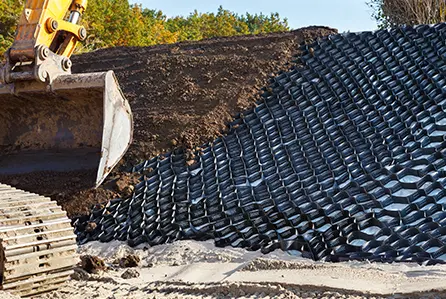
Using heavy-duty geotextiles and geocells to prevent soil loss along high-flow waterways during peak flood seasons.
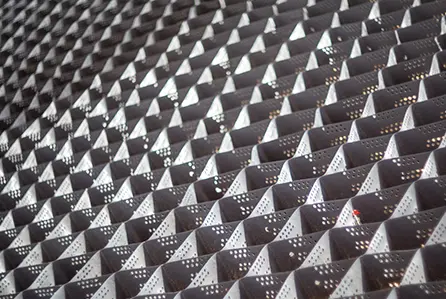
Stabilizing soft highway foundations with geotextile layers, protecting pavements from crack formation and waterlogging.
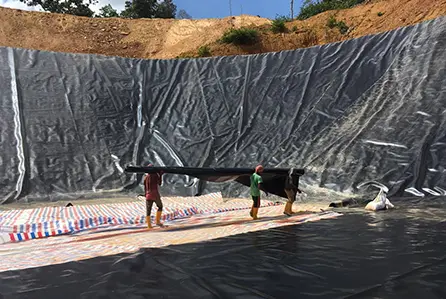
Deploying large-scale HDPE geomembranes to secure community water supplies and prevent municipal water losses.
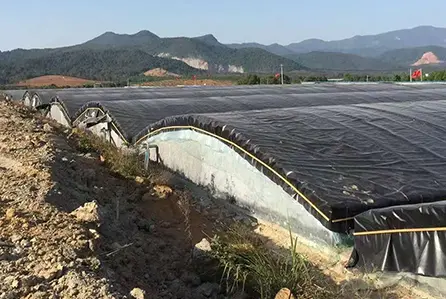
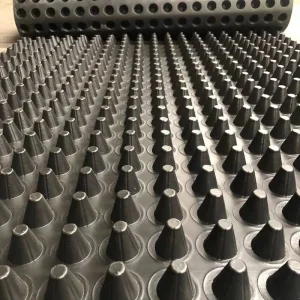
Integrating under-slab drainage boards with specialized membranes to keep commercial crop projects running smoothly year-round.
A performance-based guide for civil engineers, contractors, and project managers in Togo.
Choosing between HDPE, LDPE, EVA, or ECB depends on chemical exposure, UV intensity, and soil movement. For mine waste and landfill linings in Togo, high-density polyethylene (HDPE) is standard because of its high chemical resistance. For irregular terrain, EVA or LDPE offers the flexibility needed to prevent punctures.
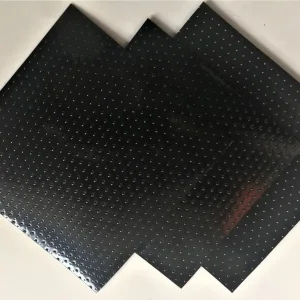
Smooth liners can slide on steep slopes. Our coarse-textured geomembranes feature a textured surface that increases friction, helping soils and geotextiles stay securely in place on steep canal walls and tailings dams.
A geosynthetic liner system is only as reliable as its seams. We suggest using dual-track hot-wedge welding for straight geomembrane seams, backed up by air-pressure testing to guarantee leak-free performance before backfilling.
Browse our complete catalog of high-durability products designed for Togo's infrastructure and agricultural sectors.
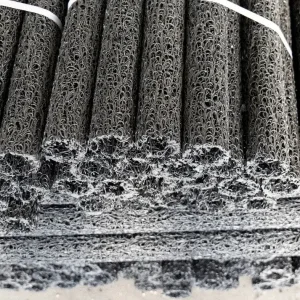
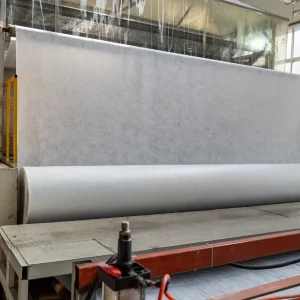
Technical guidance on using geosynthetic drainage and liner materials in West African soils and climates.
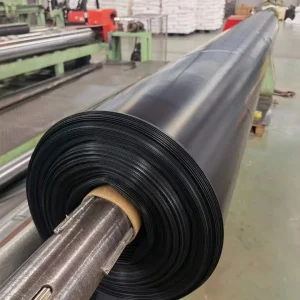
Our geomembranes are manufactured with 2.0% to 3.0% high-grade carbon black, along with specialized antioxidants and heat stabilizers (complying with GRI-GM13 standards). This formulation prevents polymer chains from breaking down under intense sunlight, keeping the system structurally sound in West African conditions.
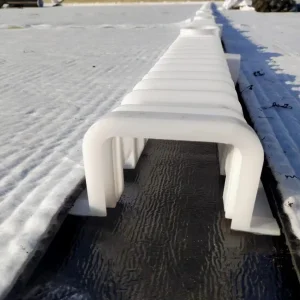
Our Siphonic Drainage System uses full-bore flow to generate negative pressure, actively drawing water out at high speeds. Unlike gravity systems that carry air and require wider, sloped pipes, siphonic systems use smaller, horizontal pipes. This makes them ideal for flat urban areas like Lomé, where managing heavy storm runoff in tight spaces is critical.
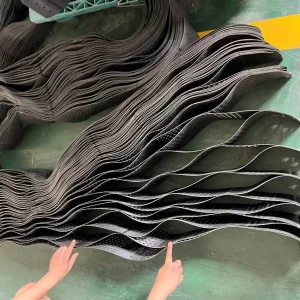
Geocells feature a 3D honeycomb structure that confines sand or soil infill, redistributing heavy loads across a wider area. This structural support prevents subgrade shifting and lateral displacement, which reduces rutting and allows road projects in Togo to use local sand instead of costly imported stone aggregate.
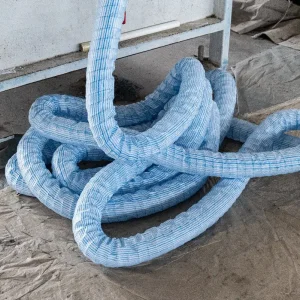
Our needle-punched filament geotextiles act as a filter barrier. They allow water to flow through easily while keeping fine soil particles from washing away. This design stops drainage pipes and gravel layers from clogging, which keeps subsurface drains working efficiently for a long time.
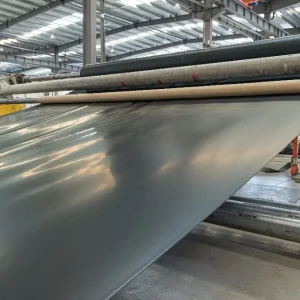
For municipal solid waste landfills and mining containment ponds, we recommend a minimum thickness of 1.5mm to 2.0mm HDPE. This provides high puncture resistance and chemical defense against aggressive runoff. For simpler reservoirs and farming applications, a thickness of 0.75mm to 1.0mm is typically sufficient.
Let our engineering and material science team assist you in selecting, customizing, and deploying geosynthetic solutions tailored to your specific project site in Togo.
Send Inquiry Now Changhong