High-performance materials optimized for Nigerian soil conditions and climate.
The Geotextile industry in Nigeria is currently experiencing an unprecedented boom, driven by the Federal Government's aggressive infrastructure agenda and the urgent need for environmental remediation. As the largest economy in Africa, Nigeria faces unique engineering challenges—from the swampy terrains of the Niger Delta to the gully erosion crises in the Southeast and the rapid urbanization of Lagos and Abuja.
In 2024, the demand for high-quality non-woven geotextiles and HDPE geomembranes has shifted from simple filtration to complex reinforcement applications. Key drivers include:
Companies are moving away from traditional concrete-only solutions to hybrid geosynthetic systems. This shift reduces costs by up to 30% and increases the lifespan of roads in heavy tropical rain zones. Sustainability is also becoming a priority, with increased adoption of eco-friendly drainage solutions in "Sponge City" urban planning initiatives across Nigerian metropolitan areas.
How our geosynthetics solve real-world problems in Nigeria.
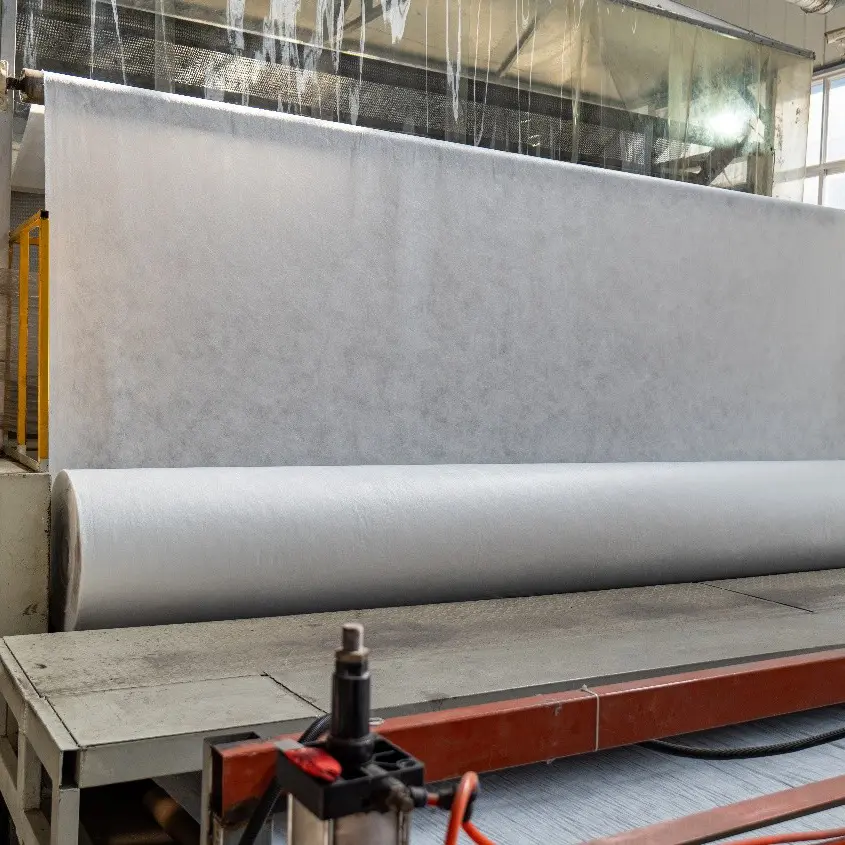
In Lekki and Victoria Island, our Needled Filament Geotextiles act as high-strength filters behind sea walls, preventing the fine sands of the Atlantic from leaching away while allowing water to pass through safely.
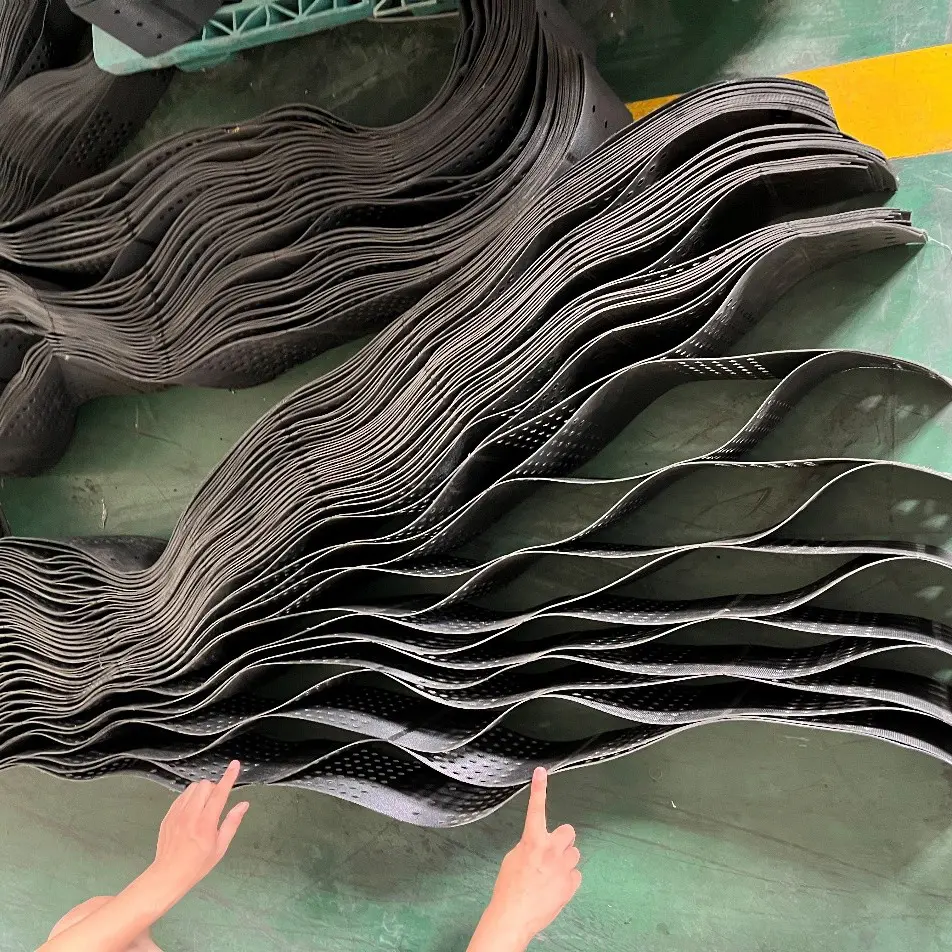
Road construction in the Niger Delta faces the challenge of soft, waterlogged soil. Our Geogrids and Geocells provide lateral confinement, distributing heavy vehicle loads and preventing pavement cracking.
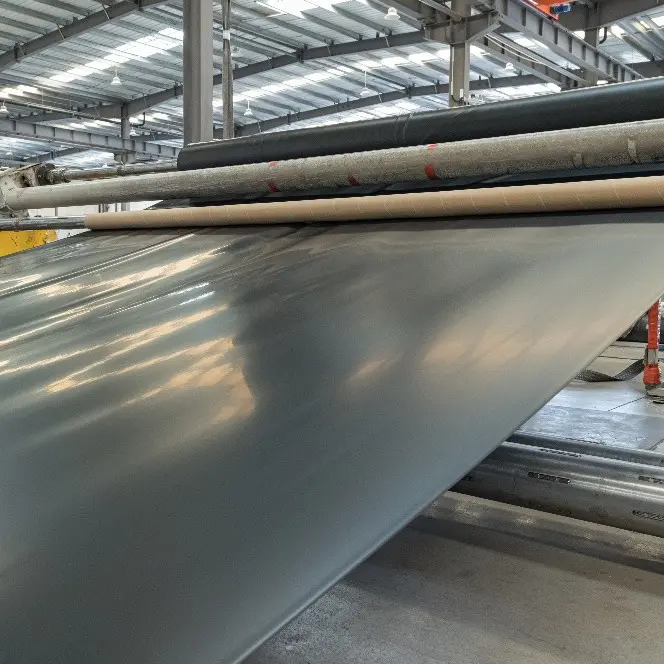
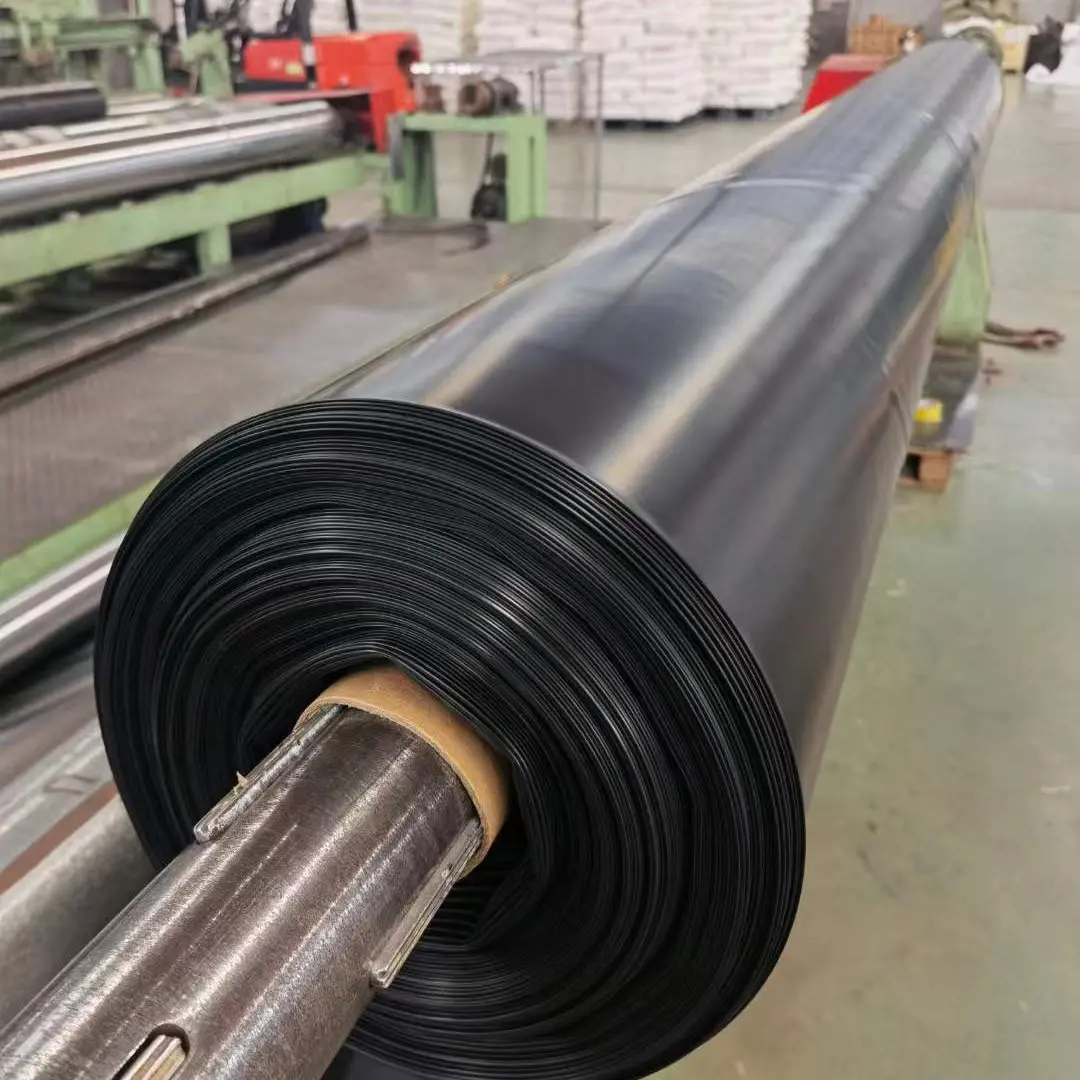
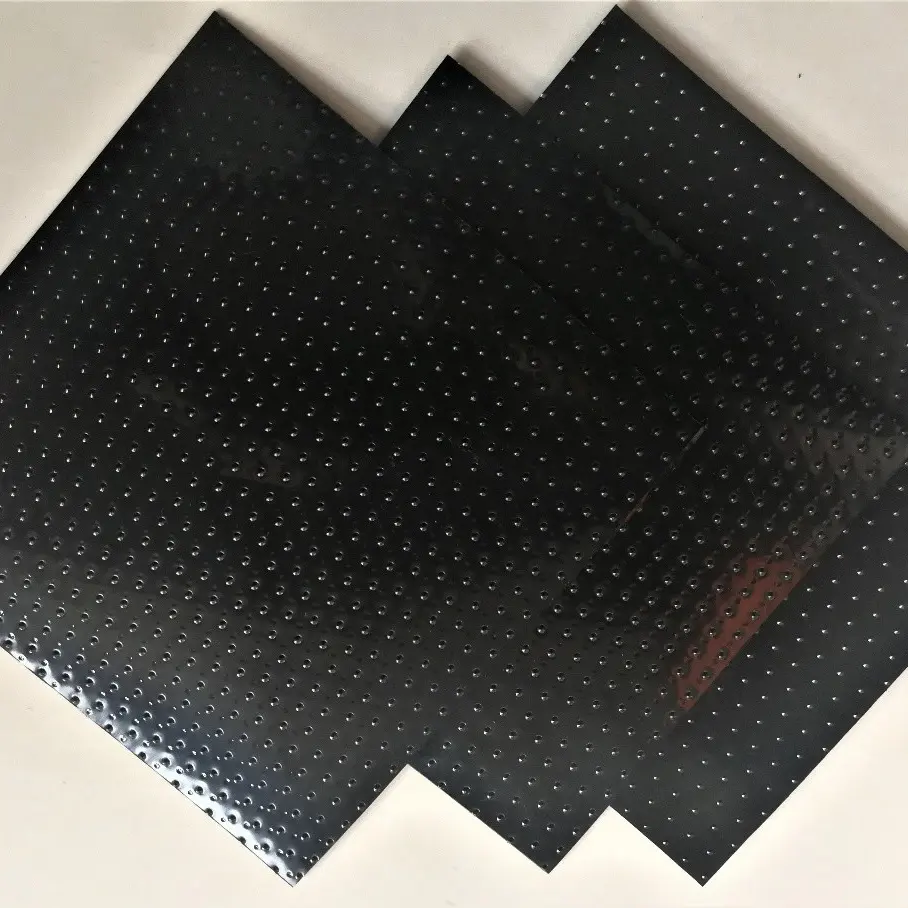
From catfish farming in Ogun State to irrigation reservoirs in the North, our LDPE and HDPE liners provide 100% seepage control, ensuring water conservation in arid regions and toxic-free environments for fish breeding.
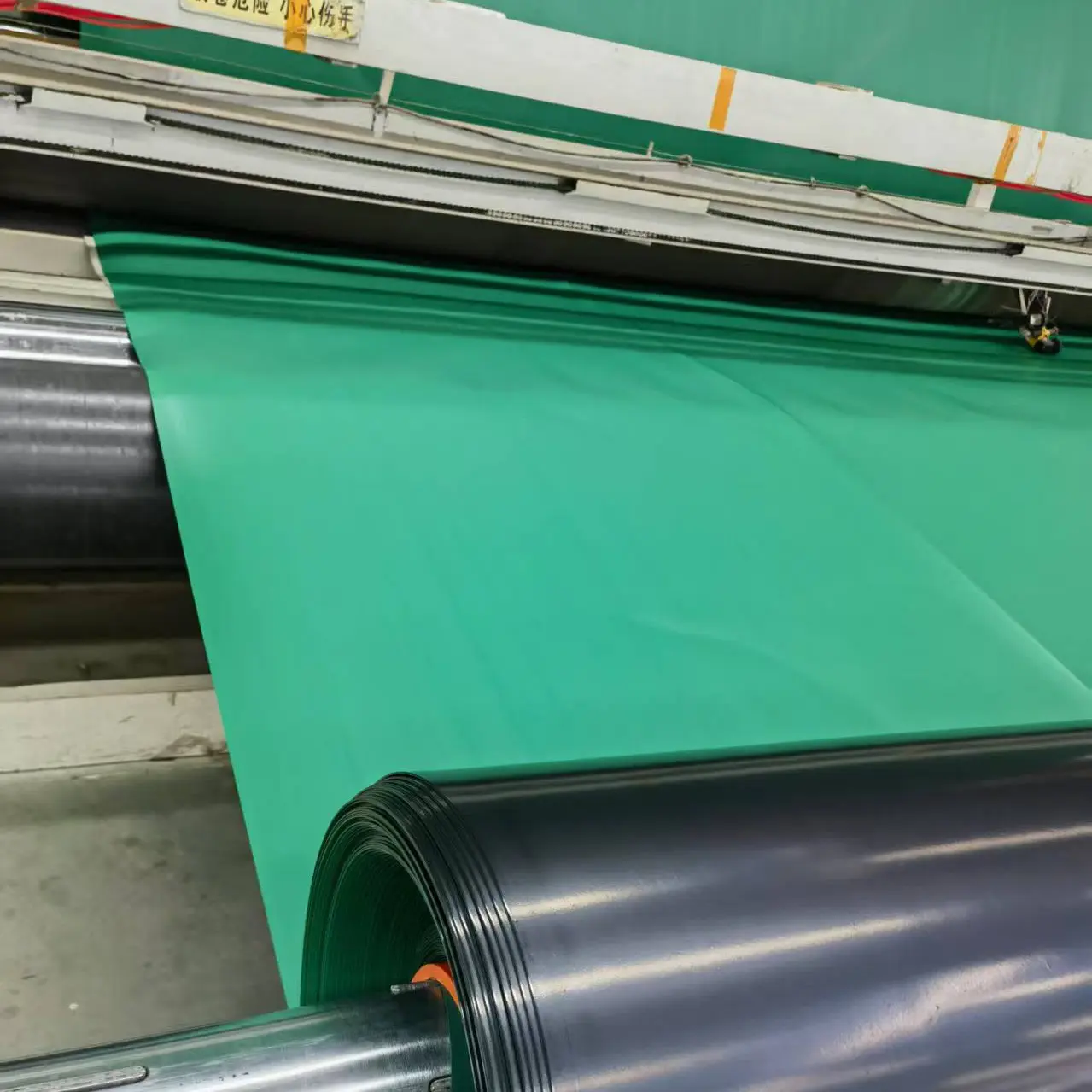
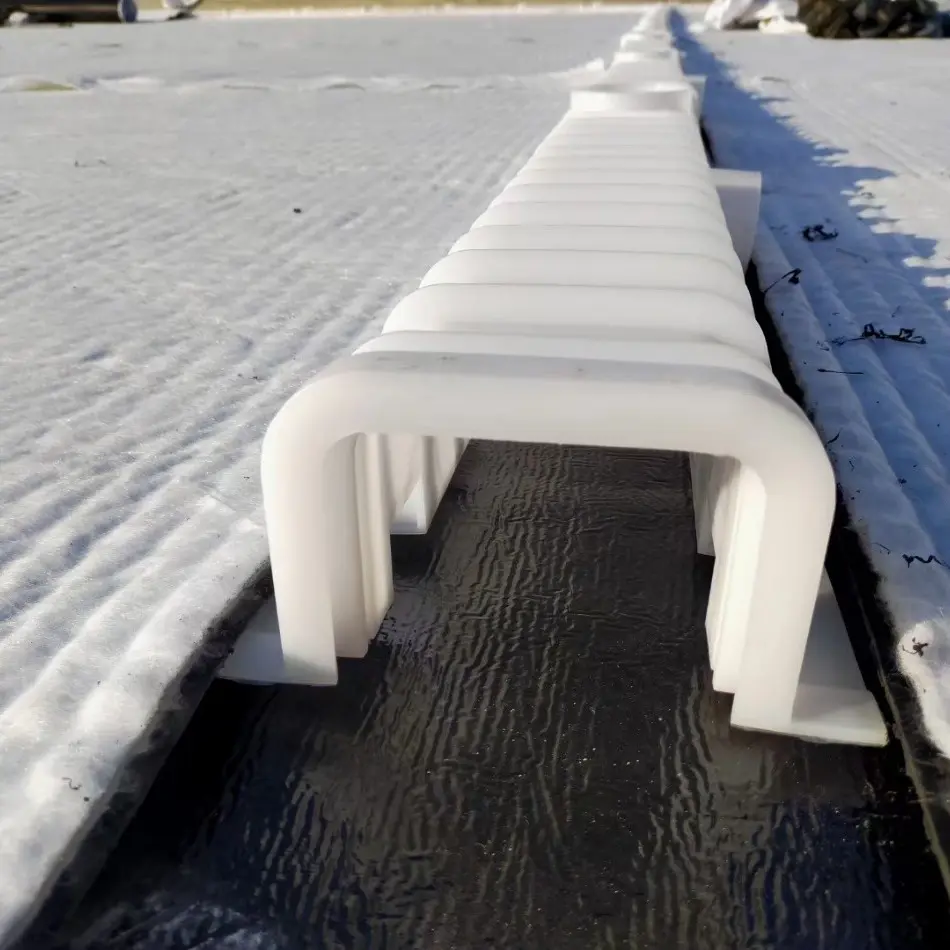
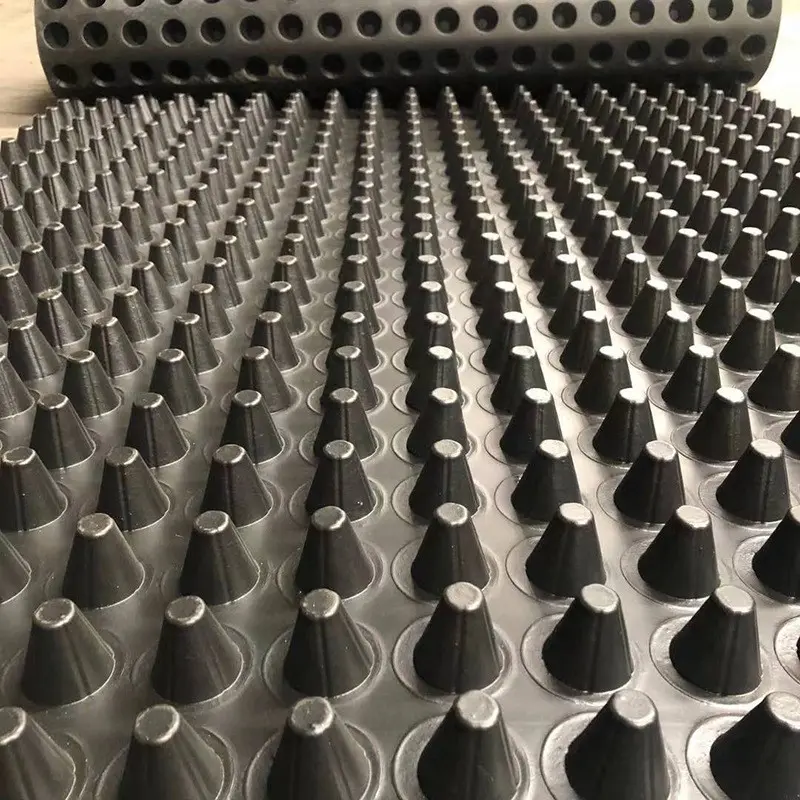
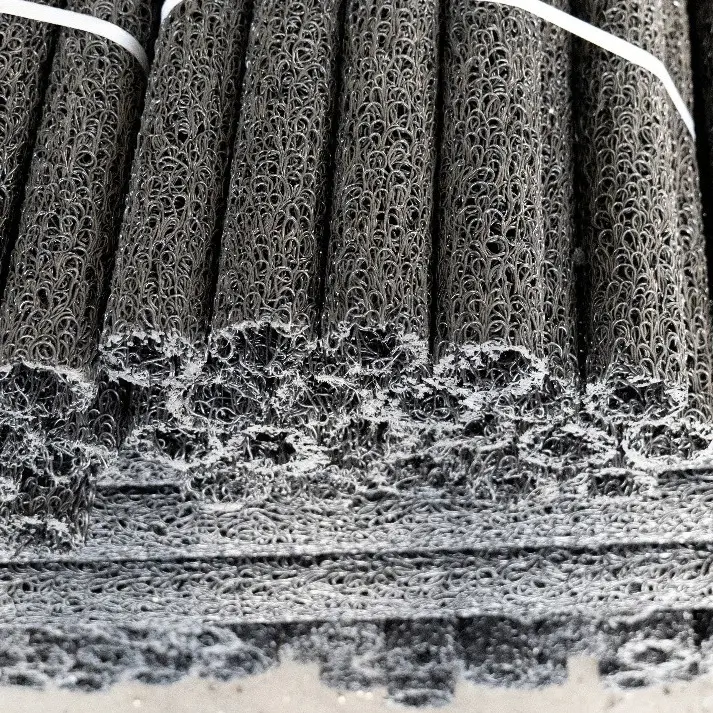
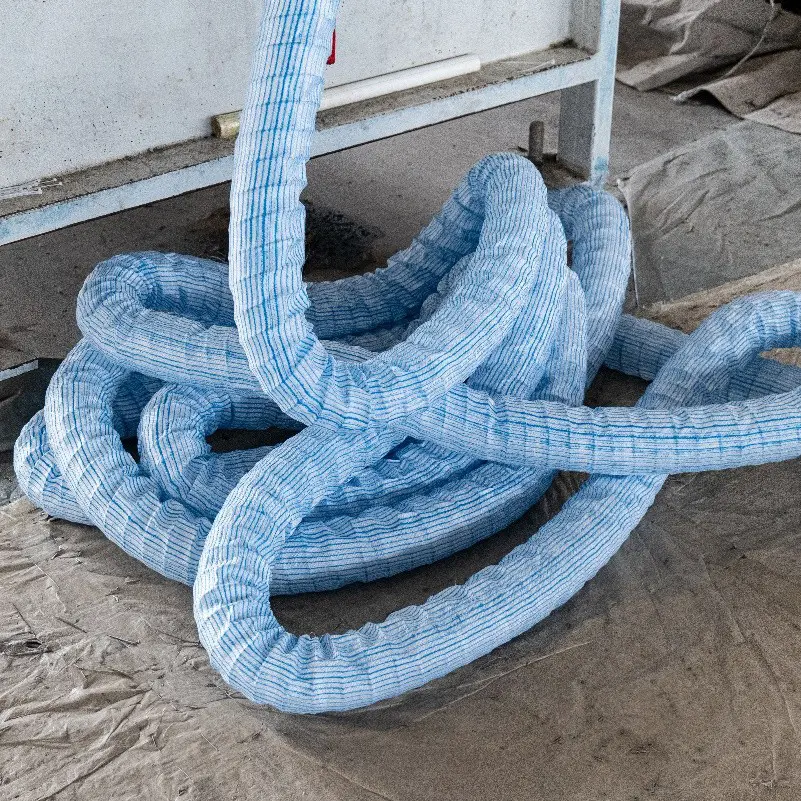
Taian Changhong Engineering Materials Co., Ltd. specializes in the production of smooth geomembrane, rough geomembrane, double color geomembrane, and geotextiles (including polyester short fiber, polyester long fiber, and polypropylene variants). Our catalog extends to drainage boards, geogrids, geocells, and flexible permeable pipes—all essential for the Nigerian construction landscape.
Our products are engineered for anti-aging performance, long service life, and environmental non-toxicity. These qualities make them the preferred choice for landfill sites, artificial lakes, chemical plant slag yards, and large-scale highway/railway projects across West Africa.
Professional Staff
Expert Engineers
Certified Quality
Holding ISO9001, ISO14001, and OHSAS18001 certifications, we combine strong economic and technological strength to maintain leading geosynthetic material production lines. Our team, featuring 3 chief chemical process engineers and 5 mechanical engineers, ensures every roll of geotextile meets international standards suitable for Nigeria's demanding environment.
Technological superiority for high-standard Nigerian projects.
Relying on a stable raw material supply, we customize products using HDPE, LDPE, EVA, and ECB to meet specific chemical resistance and flexibility needs of Nigerian industrial sites.
Our testing equipment maintains the world's advanced level, ensuring that the stability and forward-looking nature of our products provide a win-win result for our Nigerian partners.
We are committed to making friends with customers, providing stable and advanced services that establish long-term friendly cooperative partnerships in the West African market.
Diverse products for every engineering challenge in Nigeria.
When selecting a Geotextile supplier in Nigeria, it is crucial to consider the UV exposure and high temperature fluctuations typical of the region. Polyester (PET) and Polypropylene (PP) non-woven fabrics must be treated with high-quality carbon black and UV stabilizers to ensure they do not degrade during the construction phase.
Nigeria's soil diversity—from the silty clays of the North to the acidic soils of the Delta—requires geosynthetics with high chemical resistance. Our polyethylene earthwork films are tested against a wide range of chemical pollutants, making them ideal for the secondary containment systems required in Nigerian oil refineries and industrial zones.
The cost of geotextiles in the Nigerian market is influenced by several factors: GSM (Grams per Square Meter), the type of polymer used (Virgin vs. Recycled), and shipping logistics to major hubs like Lagos (Apapa/Tin Can Port) or Port Harcourt (Onne Port). By partnering directly with a manufacturer like Taian Changhong, Nigerian construction firms can bypass middleman markups and secure factory-direct pricing for large-scale infrastructure projects.
 Changhong