As the "Gateway to the Horn of Africa," Djibouti is undergoing a radical industrial transformation. The nation's strategic location along the Red Sea and Gulf of Aden has catalyzed massive investments in port infrastructure, logistics hubs, and the Djibouti International Free Trade Zone (DIFTZ). However, Djibouti's extreme climate—characterized by high UV radiation and water scarcity—presents unique engineering challenges. Geomembrane technology is no longer optional; it is the foundational barrier protecting the nation's environmental and structural integrity.
Globally, the geomembrane market is shifting towards High-Density Polyethylene (HDPE) and Linear Low-Density Polyethylene (LLDPE) due to their superior chemical resistance and thermal stability. In Djibouti, these materials are critical for the burgeoning salt mining industry at Lake Assal and the protection of freshwater reservoirs. Chinese manufacturing excellence has bridged the gap between high-performance requirements and cost-efficiency, offering Djibouti suppliers a competitive edge in large-scale infrastructure procurement.
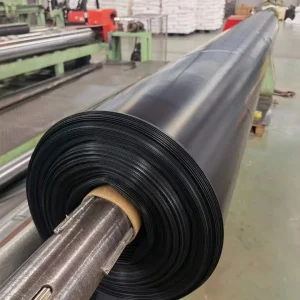
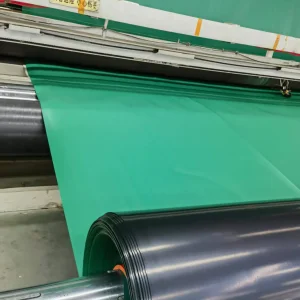
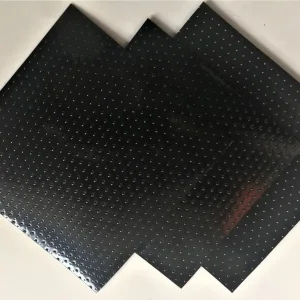
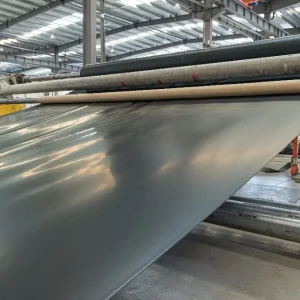
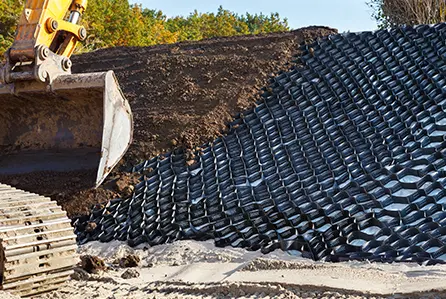
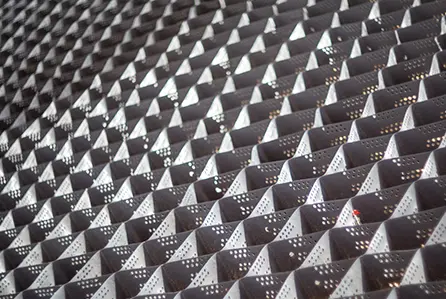
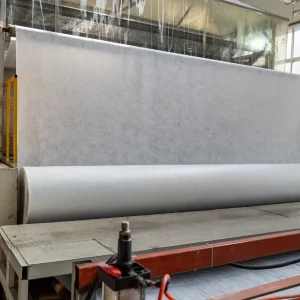
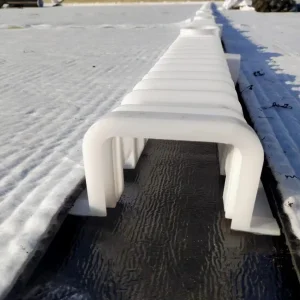
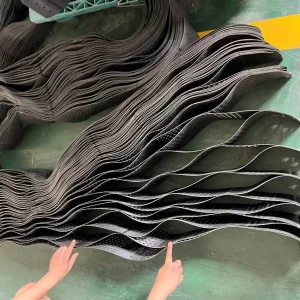
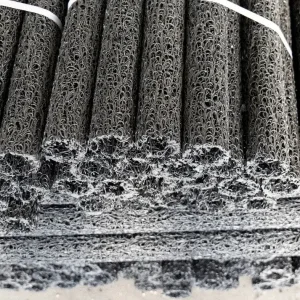
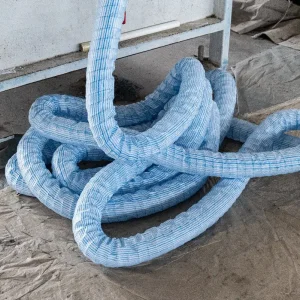
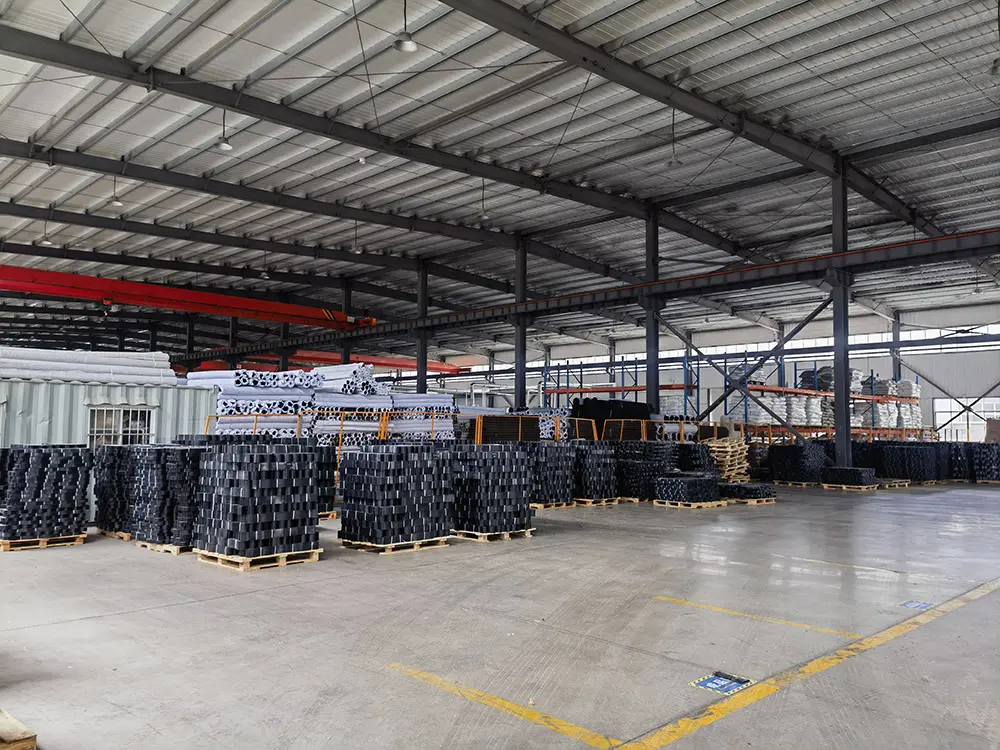
The company specializes in the production of smooth geomembrane, rough geomembrane, double color geomembrane, geotextiles (polyester short fiber non-woven fabric, polyester long fiber non-woven fabric, polypropylene short fiber non-woven fabric, hot-rolled non-woven fabric), drainage board, drainage net, geogrid, geocell, flexible permeable pipe, plastic blind drain and other environmentally friendly geosynthetic materials. Relying on a long-term and stable raw material supply system and strict product formulas, we can customize various material products such as HDPE, LDPE, EVA, and ECB according to customer needs.
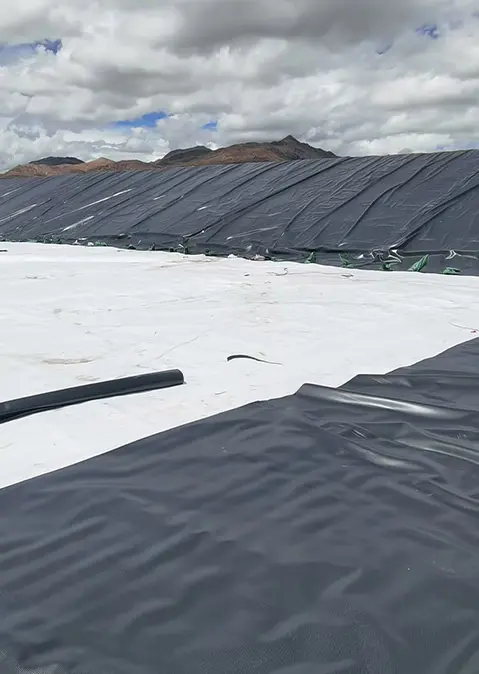
Our company's products have a wide range of applications, featuring anti-aging, long service life, environmental friendliness and non-toxicity. It is mainly applied to environmental protection landfill sites, artificial lakes, chemical plant slag yards, tailings DAMS, highways, railways, water conservancy, power, soil and water conservation, environmental greening, various breeding farms, canals and reservoirs and other infrastructure facilities in Djibouti and surrounding regions.
For Djibouti-based contractors and government agencies, sourcing from Chinese factories like Taian Changhong offers a three-pronged advantage: Speed, Scale, and Specification.
Utilizing high-speed Italian extrusion lines, we achieve thickness uniformity within ±3%, far exceeding international ASTM D5199 standards. This ensures no weak points in the barrier system.
We incorporate premium carbon black and UV stabilizers (HALS) specifically formulated for Djibouti’s high-irradiance climate, preventing oxidative induction even after decades of exposure.
Located near major shipping hubs, our factory specializes in "Port-to-Port" efficiency, ensuring that large-scale geomembrane rolls arrive at the Port of Djibouti within optimal lead times.
The company has passed the ISO9001, ISO14001 and OHSAS18001 certifications, and has professional technical personnel and advanced equipment and instruments. There are currently over 60 employees, including 3 chief chemical process engineers, 5 mechanical engineers and 9 professional equipment operation engineers. The above-mentioned professionals have many years of practical working experience. The strong technical strength ensures the stability and forward-looking nature of the products.
Djibouti's Doraleh Multipurpose Port requires massive subgrade stabilization. Our Geogrids and Geotextiles provide the necessary tensile strength to prevent soil erosion in reclaimed coastal areas.
Extracting salt in one of the saltiest bodies of water on Earth requires hyper-resistant HDPE Geomembranes. Our liners prevent brine seepage and protect the surrounding ecosystem from industrial contamination.
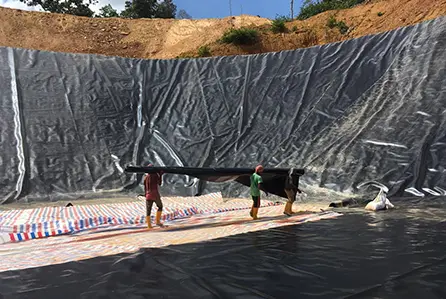
Water is more precious than gold in Djibouti. Our Reservoir Anti-seepage Projects utilize 1.5mm HDPE smooth geomembranes to ensure zero-loss water storage for agricultural irrigation.
Anti-seepage for landfill sites, garbage disposal plants, biogas digesters, sewage ponds, wastewater ponds, power plant regulating ponds, etc.
Slope protection and anti-seepage for breeding ponds, fish ponds, shrimp ponds, lotus root ponds, urban gardens, community greening, artificial lakes, swimming pools, golf courses, etc.
Waterproofing, anti-seepage and moisture-proofing for underground pipe galleries such as subways and tunnels, anti-seepage reinforcement for high-speed slopes, and anti-seepage for roof surfaces.
Slope protection and seepage prevention for DAMS, rivers, canals, reservoirs, water storage tanks and wharf projects.
A: For most municipal and industrial projects in Djibouti, a minimum thickness of 1.5mm HDPE is recommended. The extreme heat can accelerate material degradation if the liner is too thin. Our 2.0mm series provides even greater thermal stability and puncture resistance.
A: We incorporate a high percentage of Carbon Black (2-3%) and specific Antioxidant packages (OIT) that exceed GRI-GM13 standards. This ensures that the geomembrane remains flexible and impermeable even under direct solar exposure in Djibouti.
A: Yes. We offer comprehensive solutions including dual-track hot wedge welders, extrusion welders, and vacuum testing equipment. We also provide video training and technical manuals to ensure localized teams can execute high-quality seaming.
A: Production usually takes 7-10 days depending on the volume. Shipping from China to Djibouti typically takes 20-30 days. We manage all documentation to ensure smooth customs clearance.
Partner with a factory that understands the Horn of Africa's environmental challenges. Get a technical consultation and volume-based quote now.
 Changhong