The Canadian geomembrane market is currently experiencing a transformative phase, driven by the nation's commitment to environmental sustainability and the expansion of its resource sectors. As the second-largest country by landmass, Canada presents unique geological challenges—from the permafrost of the Yukon to the intensive oil sands in Alberta and the urban stormwater requirements of Toronto and Vancouver.
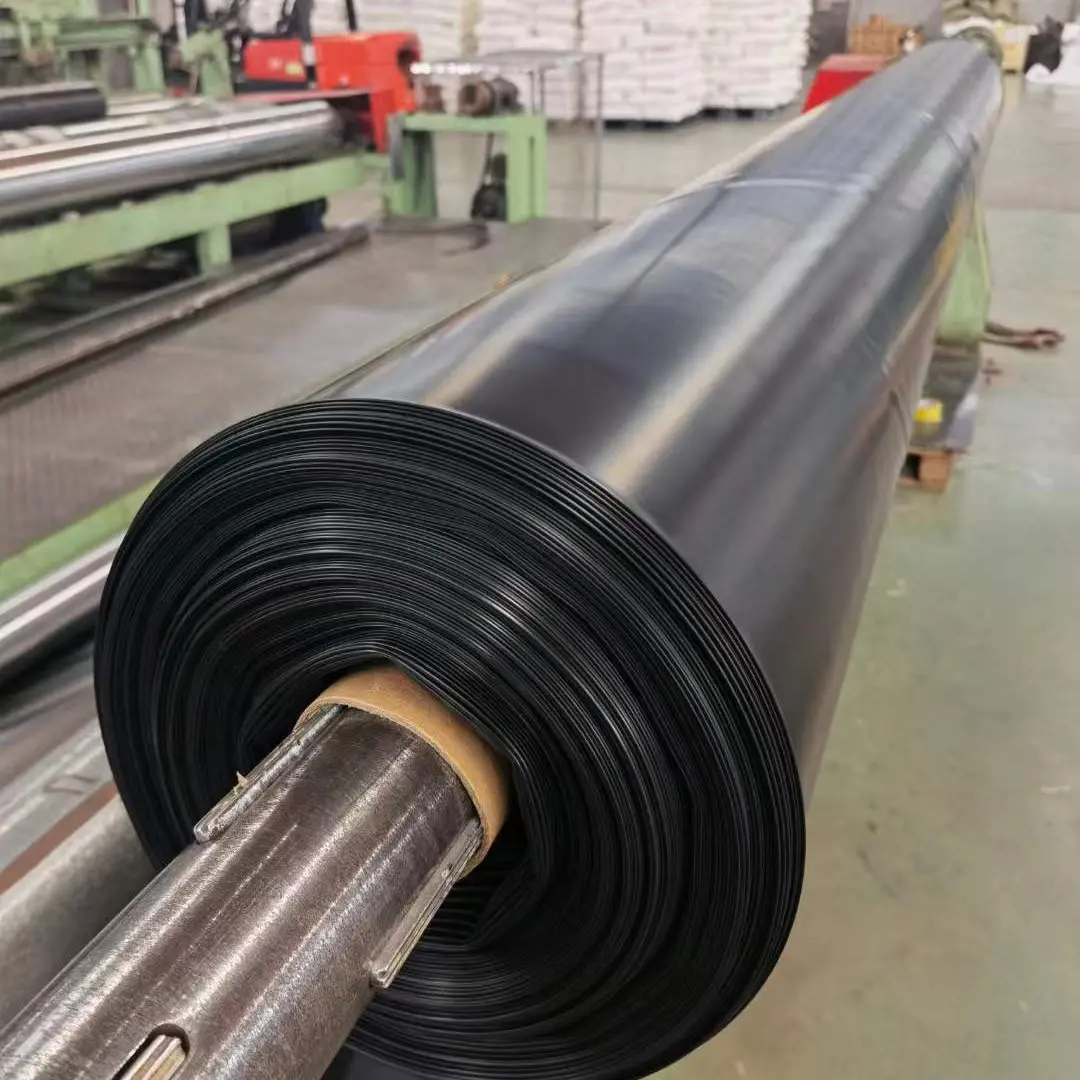
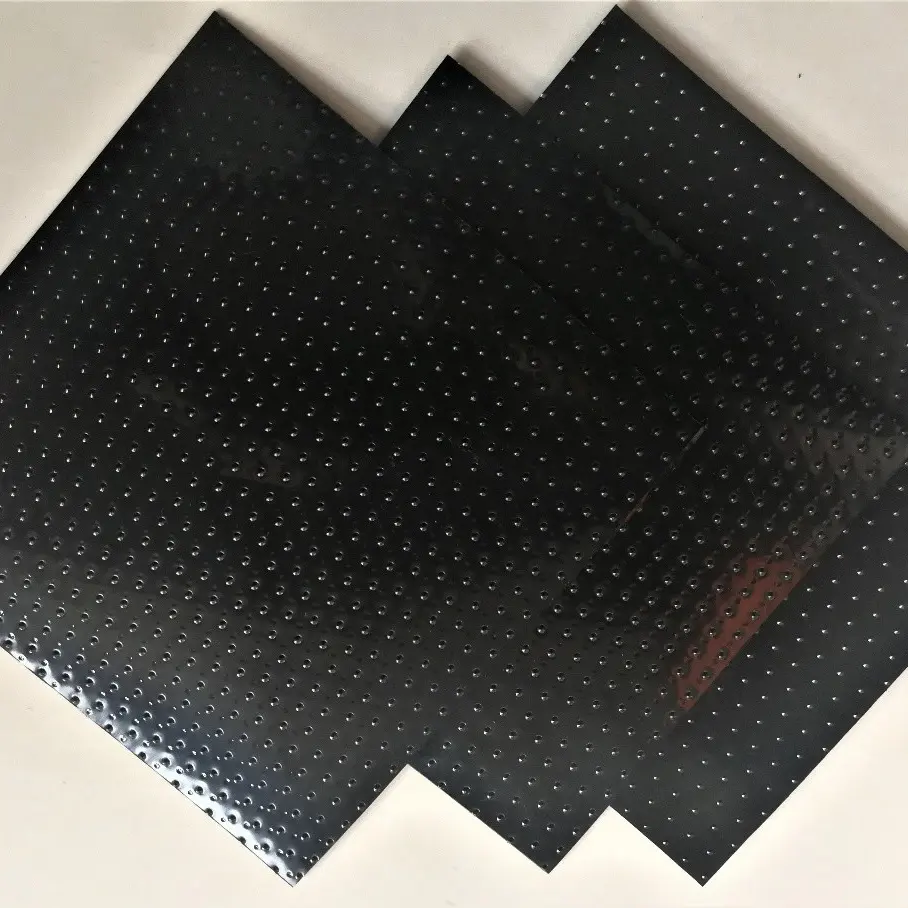
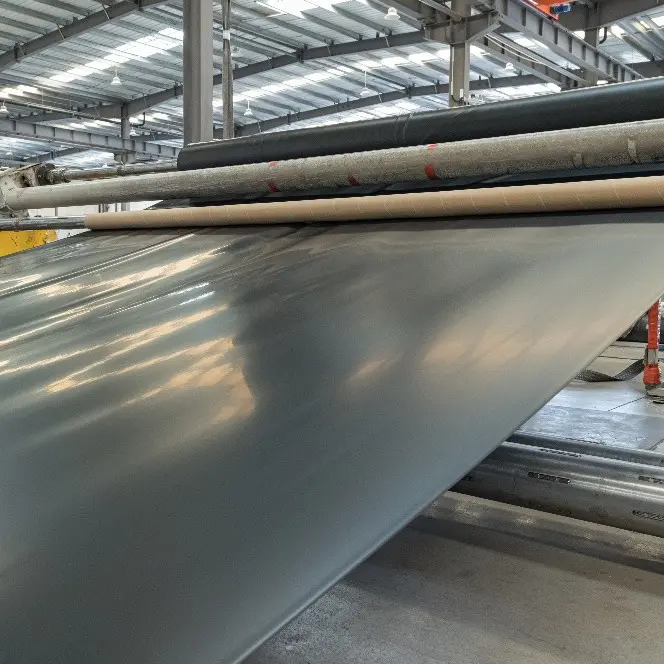
Factories and companies in Canada focusing on geosynthetics are increasingly prioritizing High-Density Polyethylene (HDPE) and Linear Low-Density Polyethylene (LLDPE) materials. These are critical for the mining sector, where tailings pond management is under strict regulation by Provincial Environmental Ministries. The "Series" approach—offering a full spectrum of smooth, textured, and composite liners—has become the industry standard to ensure containment integrity in extreme temperature fluctuations.
Chemical Resistance
Low Temp Flexibility
Service Life
Seepage Rate
In the Alberta Oil Sands and British Columbia's copper mines, geomembranes are the primary defense against groundwater contamination. High-standard HDPE liners are utilized for tailings dams and heap leach pads, designed to resist the corrosive nature of chemical processing effluents.
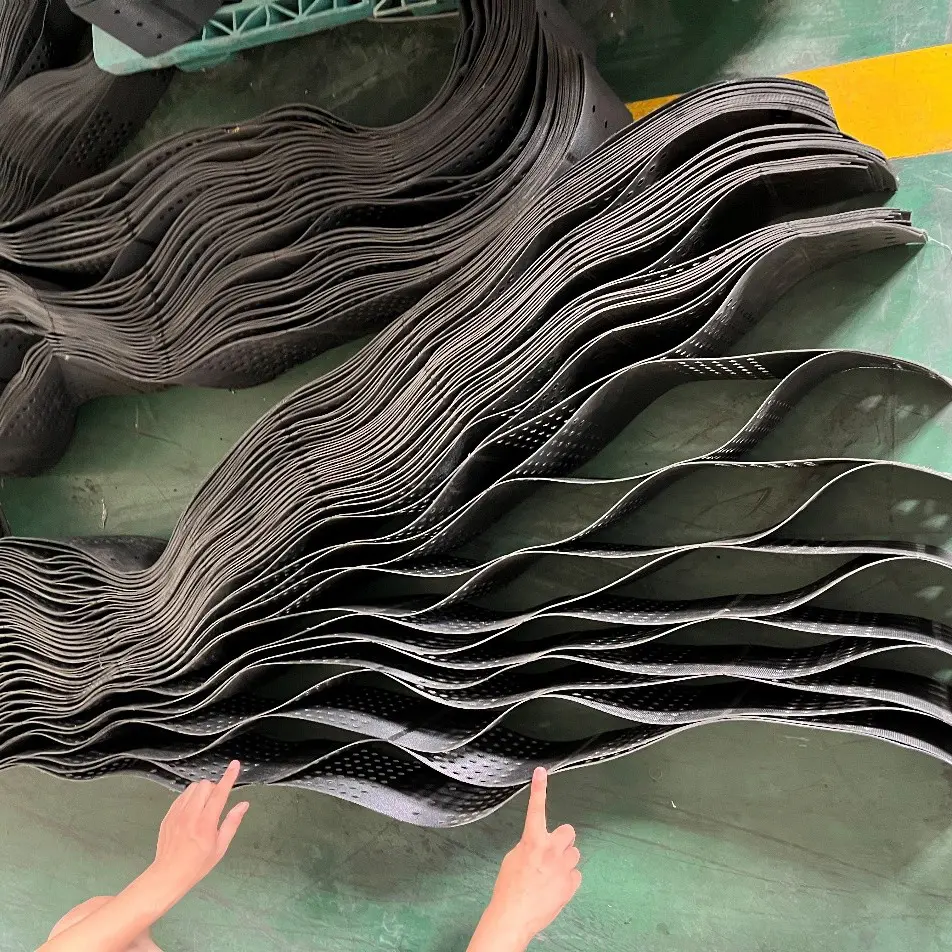
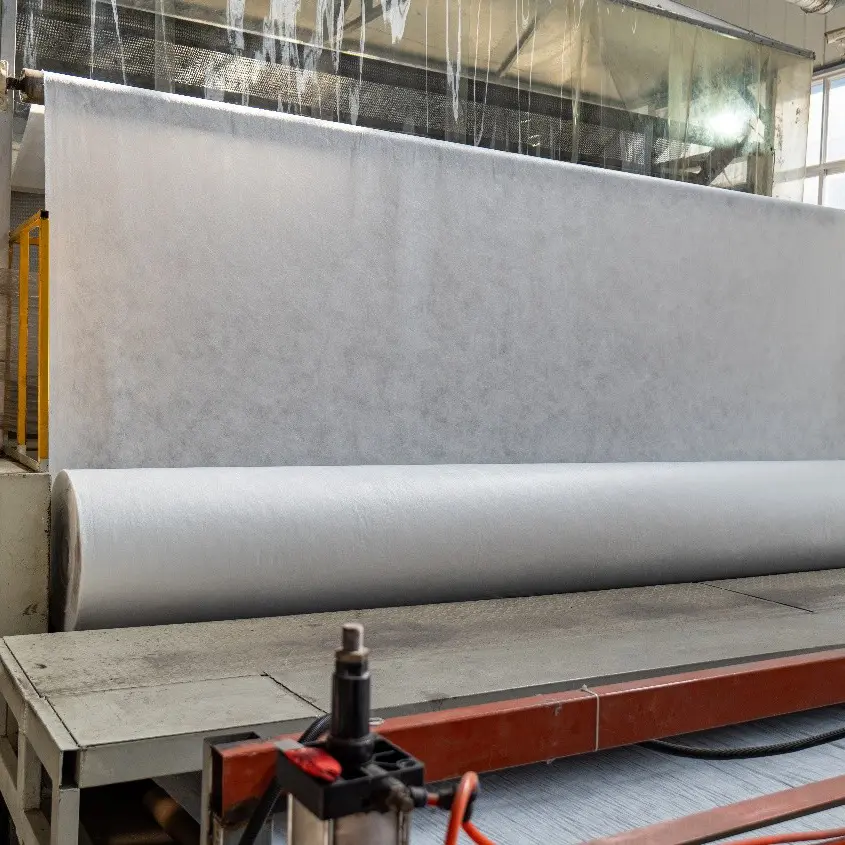
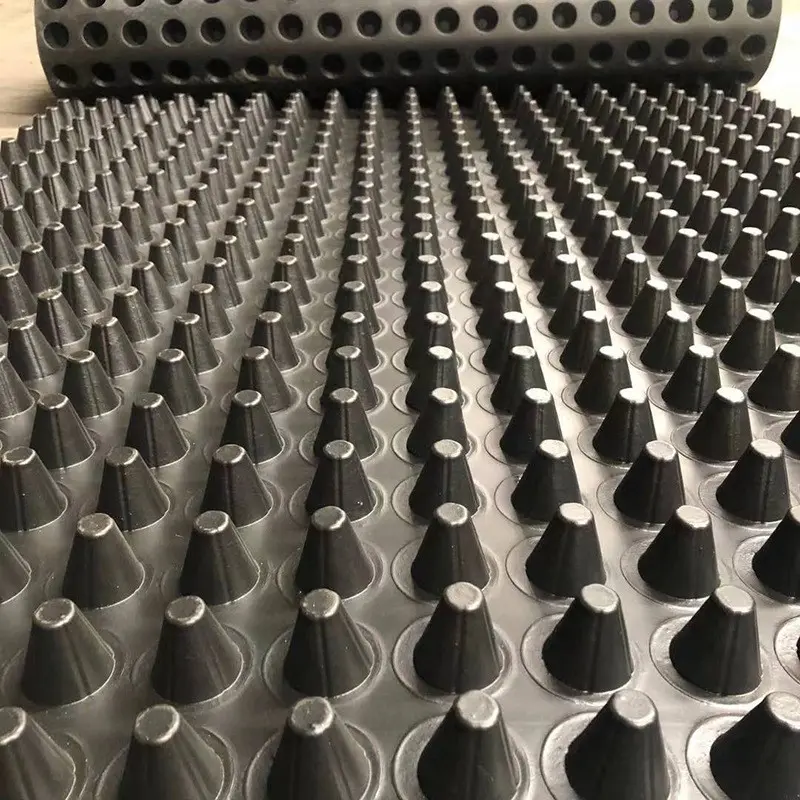
Modern landfills in the Greater Toronto Area and Montreal employ multi-layered containment systems. This includes geomembrane liners paired with drainage boards and geotextiles to create a fail-safe barrier, preventing leachate from entering the Canadian water table.
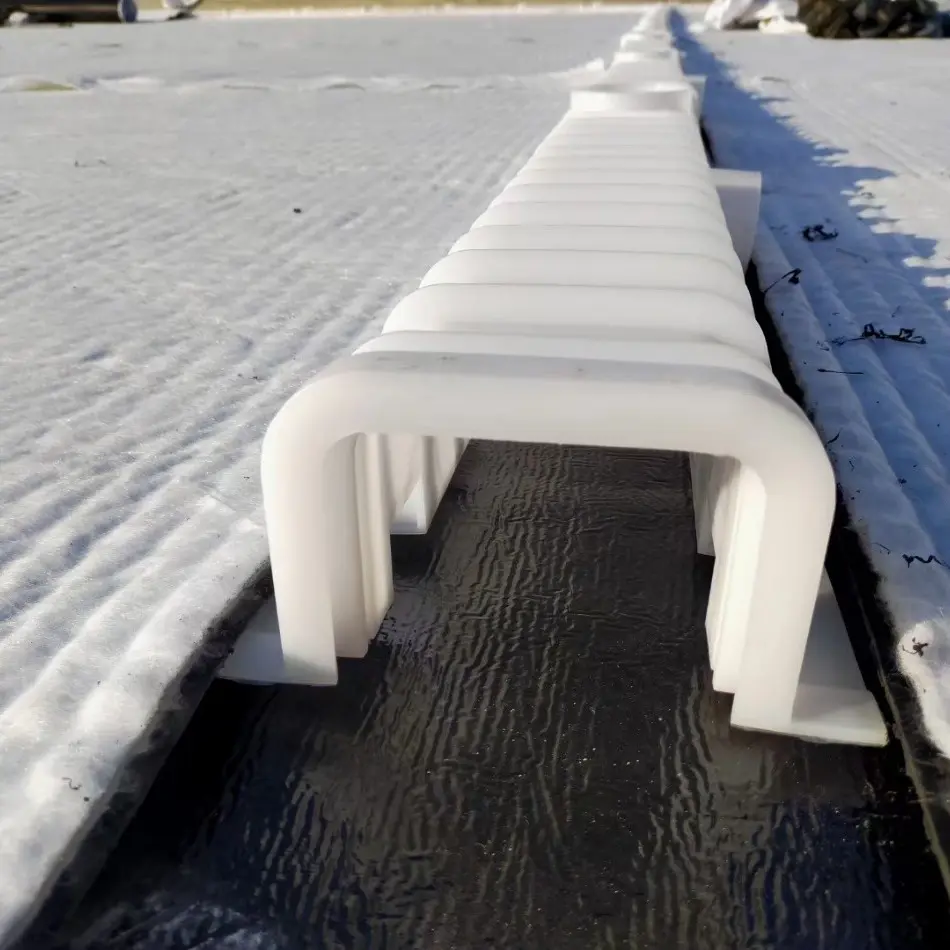
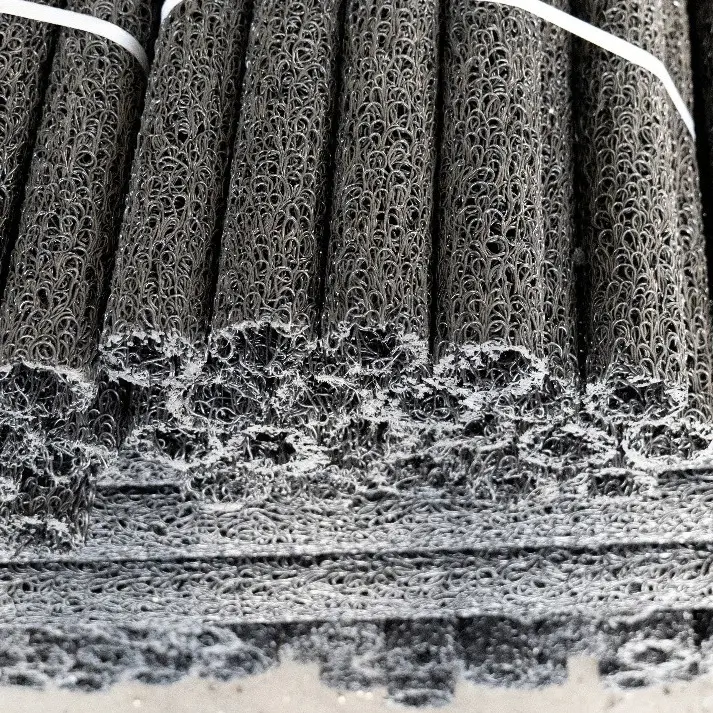
With increasing urban flooding, cities like Vancouver are adopting siphonic drainage collection systems. These "Sponge City" technologies utilize plastic drainage plates and blind pipes to manage stormwater runoff efficiently, integrating green roofs and permeable pavements into the urban fabric.
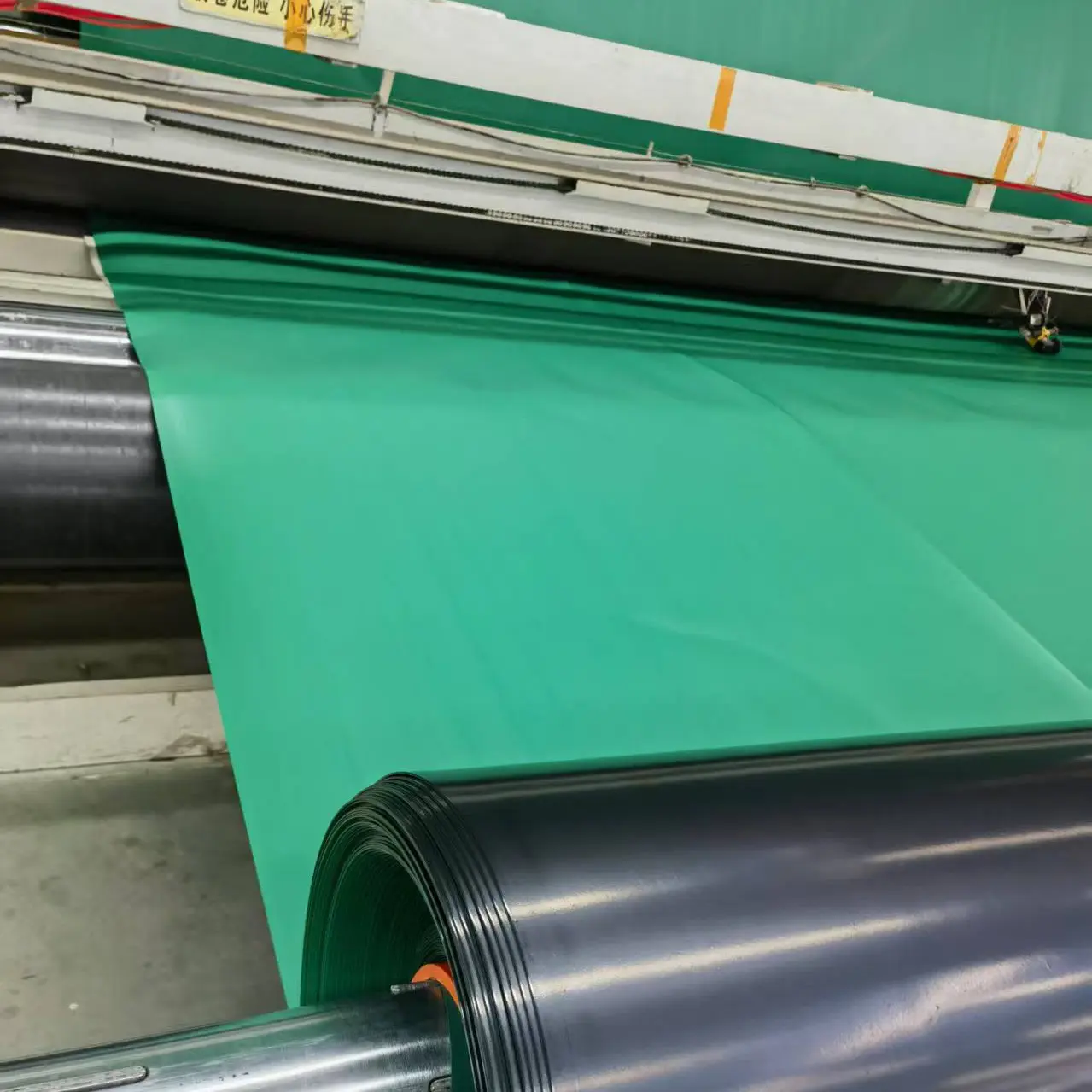
Taian Changhong Engineering Materials Co., Ltd. is a premier global manufacturer and strategic supplier of advanced geosynthetic materials, specializing in high-performance geomembrane series. The company's diverse product portfolio includes smooth geomembrane, rough (textured) geomembrane, double-color geomembrane, and a comprehensive range of geotextiles such as polyester short/long fiber non-woven fabrics and polypropylene variants.
By leveraging a long-term, stable raw material supply chain and proprietary product formulas, we provide customized engineering solutions in HDPE, LDPE, EVA, and ECB materials tailored specifically for the rigorous demands of the Canadian climate. Our products are engineered for longevity, anti-aging performance, and non-toxicity, making them ideal for environmental protection landfills, artificial lakes, chemical plant slag yards, and tailings dams.
With a workforce of over 60 dedicated professionals—including chief chemical process engineers and mechanical specialists—Changhong ensures every roll of material exceeds international standards. Our state-of-the-art production lines are matched by a rigorous quality inspection system, earning us ISO9001, ISO14001, and OHSAS18001 certifications. We don't just supply materials; we build win-win partnerships through sincere service and technical excellence.
Integration of conductive liners for real-time leak detection in hazardous waste sites.
Growth in the use of recycled resins that maintain the mechanical properties of virgin materials.
Bentonite-infused geomembranes (GCLs) for enhanced self-healing sealing properties.
Materials engineered for installation at sub-zero temperatures without losing ductility.
In the geomembrane series for Canada, the choice between HDPE and LLDPE is crucial. HDPE is renowned for its chemical resistance and UV stability, making it the preferred choice for exposed liners in Calgary or Edmonton. However, LLDPE offers superior flexibility and elongation properties, which are essential in regions like the Northwest Territories, where the ground is subject to permafrost heaving and settlement. Our factory provides both, often in co-extruded formats to combine the strengths of different resins.
Furthermore, the introduction of textured geomembranes has revolutionized slope stability in Canadian mining operations. By increasing the friction coefficient, these liners allow for steeper side slopes in containment pits, significantly reducing the footprint of mining operations and the associated environmental disturbance.
As Canada moves toward a circular economy, geomembrane factories are innovating to reduce carbon footprints. This involves optimizing the logistics of transporting heavy rolls of liner to remote sites like the Yukon and ensuring that the materials used are 100% recyclable at the end of their multi-decade service life. Our commitment at Taian Changhong involves constant R&D to ensure that our geosynthetics provide the most ecological and economical protection possible.
 Changhong