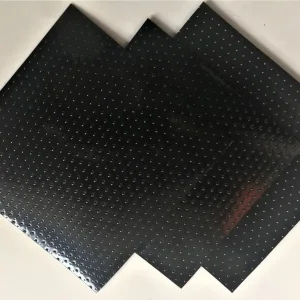
Pioneering geosynthetic solutions engineered specifically for the ecological, environmental, and infrastructural requirements of the Maldives.
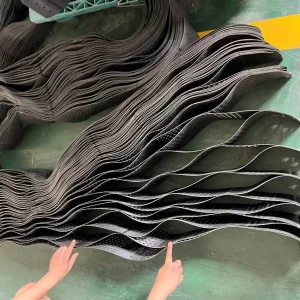
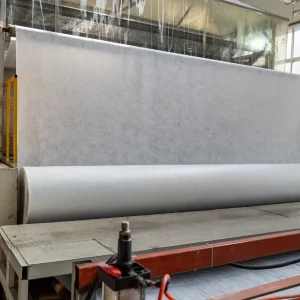
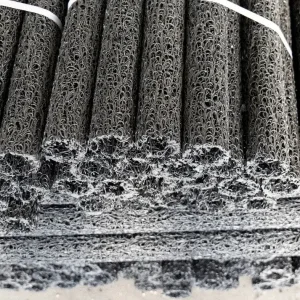
The Maldives archipelago, characterized by low-lying coral atolls, presents one of the most challenging geographical and geological profiles globally. With an average elevation of just 1.5 meters above sea level, infrastructure projects in the Maldives face a dual threat: severe coastal erosion driven by monsoon tidal actions and the low load-bearing capacity of native carbonate sand. Traditional civil construction techniques heavily rely on imported concrete, heavy gravel, and stone, which not only dramatically increase project overheads but also impose severe damage on fragile coral ecosystems.
Three-Dimensional Cellular Confinement Systems (Geocells) offer a paradigm shift. Formulated from high-density polyethylene (HDPE) strips connected by ultrasonic welds, Geocells establish a structural matrix that constricts lateral soil movement. When backfilled with local reef sands, calcareous gravel, or soils, they create a high-stiffness composite structure. Under loading conditions, the Geocell wall restricts shear failure of the aggregate material, converting horizontal tensile stresses into vertical load-bearing capacity, mitigating differential settlement on soft island soils.
Developing tourist resorts, deep-water harbors, regional airport runways, and protective breakwaters across the scattered islands of the Maldives demands construction logistics of extreme efficiency. Standard gravel paving, retaining structures, or concrete embankments demand massive shipping of coarse aggregates, leading to staggering supply chain costs and high carbon footprints.
Using Geocell solutions solves this by utilizing the sand present on-site. By confining local non-cohesive calcareous sand inside the cell networks, developers can build durable access roads, stable embankments, and functional shorelines without imported fill materials. The perforated structures of our premium geocells ensure natural lateral water drainage, maintaining hydrologic flow while supporting native vegetation roots, facilitating green architectural integrations crucial for Maldives' premium resort designs.
| Parameter | Traditional Concrete Gabions / Rock Armor | HDPE Geocell Confinement Systems | Strategic Engineering Value |
|---|---|---|---|
| Material Logistics | High import volumes of rock and cement, heavy sea transport. | Flat-packed lightweight panels, local sand/gravel infill. | Save up to 70% in logistics |
| Environmental Footprint | Destructive to marine habitats, block water flow, high carbon. | Eco-friendly, chemically inert, permits natural drainage & vegetative growth. | Eco-safe for Coral Reefs |
| Installation Speed | Slow, requires heavy machinery, crane vessels, and long curing. | Rapid manual unfolding, quick anchor placement, immediately loadable. | Shortens timeline by 50% |
| Coastal Adaptability | Rigid structures susceptible to undermining by wave action. | Flexible matrix adjusts to soil settlement and wave contours. | High Dynamic Resilience |
Targeted application designs to resolve the unique coastal, structural, and civil engineering challenges encountered across the Maldivian Atolls.
Confinement of sand on slopes vulnerable to wave action and seasonal monsoonal surges. Provides flexible, stable protection for resort beaches and outer harbor embankments.
Forms structural foundations underneath golf cart lanes, pedestrian footpaths, and utility service access roads, completely avoiding subgrade failure or rutting in soft sand.
Reinforces foundational bases for island airport runways, ensuring uniform stress distribution and preventing structural subsidence from repeated high-impact aircraft landings.
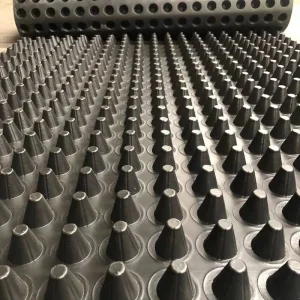
Integrated with drainage plates and siphonic collection pipelines to guide rainwater away from valuable surface properties, recharging island fresh aquifers securely.
Constructs multi-layered vertical or tiered retaining systems that withstand soil pressure and marine tides while facilitating planting within individual geocell compartments.
Prevents aggressive hydraulic scour inside artificial canals, drainage ditches, and seawater channels connecting distinct resort lagoons.
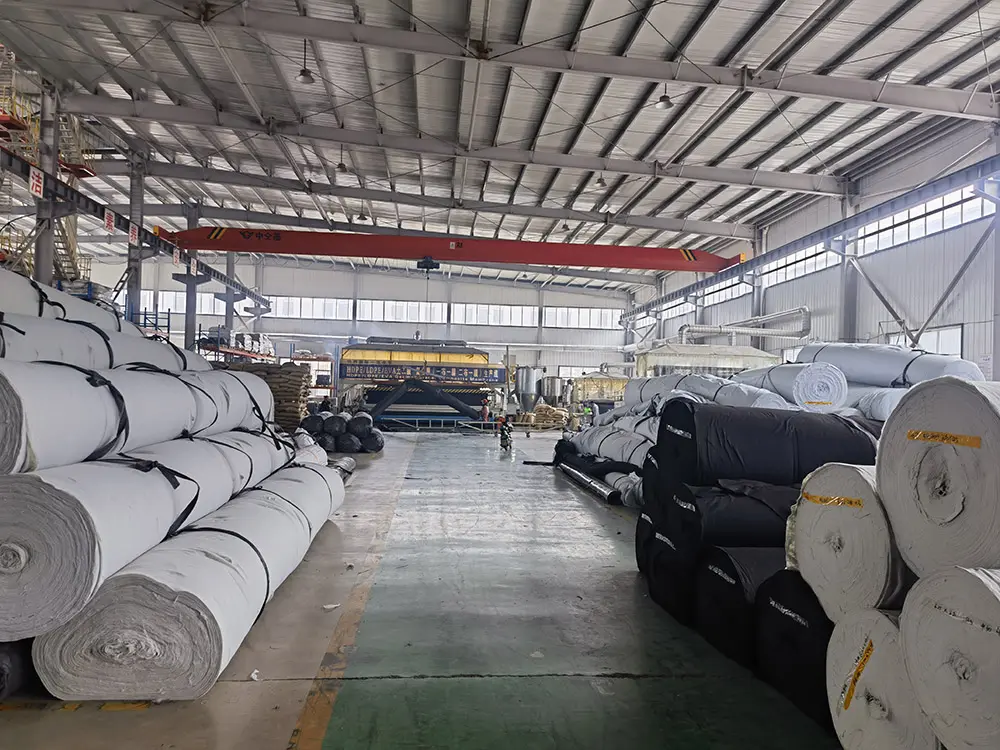
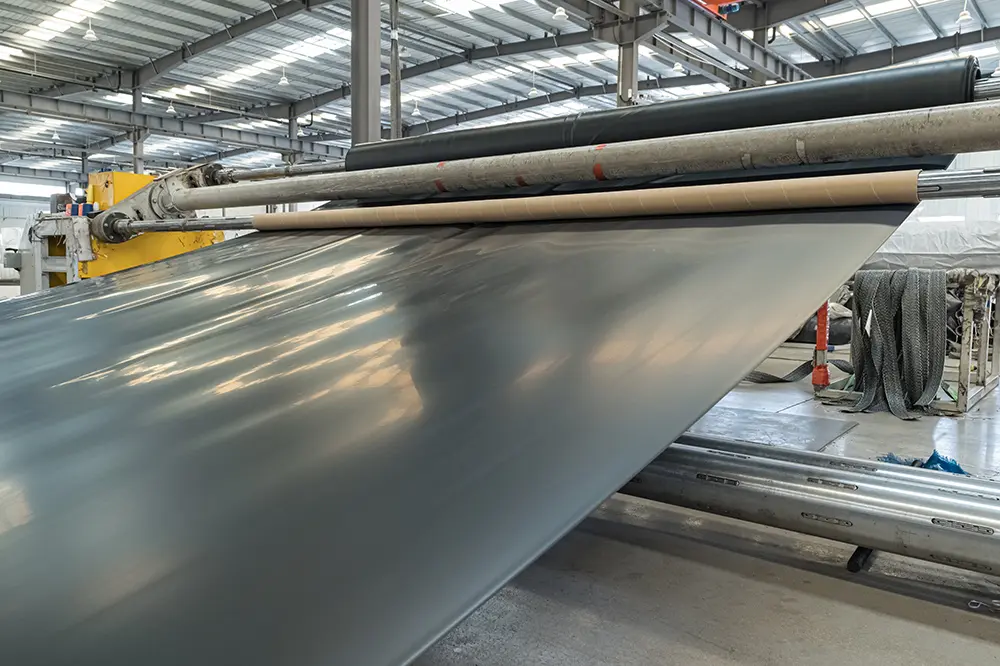
Taian Changhong Engineering Materials Co., Ltd. is a global developer and manufacturer of advanced environmental geosynthetic solutions, specializing in high-performance smooth geomembranes, structured geogrids, multi-layered drainage plates, and high-tensile HDPE geocells. Operating with a core emphasis on custom solutions, we utilize strict polymer formulations designed to withstand severe ultraviolet radiation, chemical corrosion, and intense salt spray common in maritime ecosystems.
To ensure high standards of quality, our operations are certified under the global standards of ISO9001:2015 (Quality Management), ISO14001:2015 (Environmental Management), and OHSAS18001 (Occupational Health and Safety). Supported by an expert team of chemical process engineers, mechanical engineers, and geosynthetic experts, we design materials that perform reliably under complex, high-salinity marine environments.
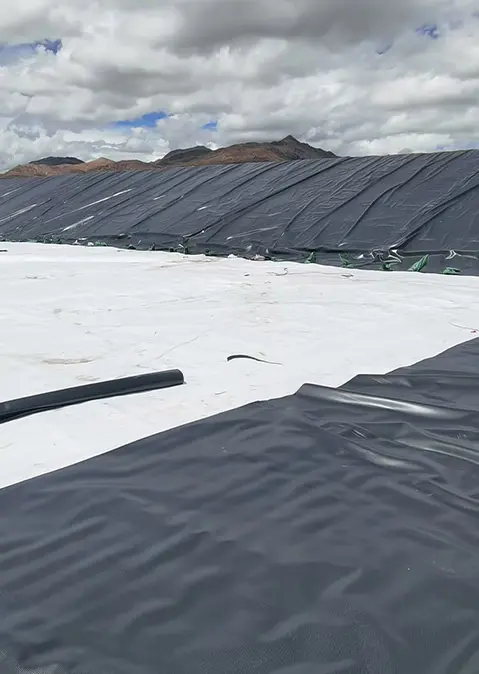
Heavy-duty anti-seepage linings for landfills, sewage ponds, wastewater purification plants, municipal lagoons, and industrial sludge containment dams.
Erosion-free channels and anti-seepage geomembranes for aquaculture farms, commercial shrimp/fish ponds, and agricultural water collection systems.
Reinforced support for municipal roadbeds, rail foundations, tunnels, underground pipe galleries, and bridge abutments under constant structural load.
Durable anti-seepage and slope protection systems for hydraulic dams, artificial reservoirs, flood-diversion canals, and coastal breakwater docks.
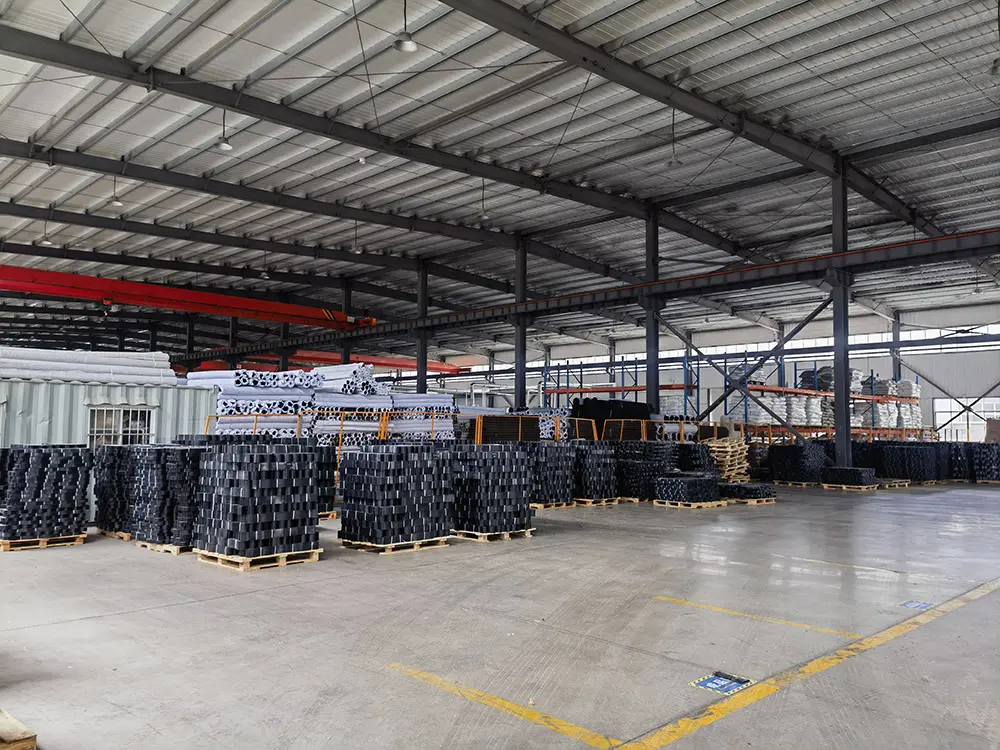
Executing civil works within the Maldivian archipelago demands strict attention to logistics and timing. With construction windows tied closely to weather patterns and marine transportation routes, delays can disrupt project schedules. We coordinate closely with developers, marine freight operations, and local contractors in the Maldives to ensure that custom-fabricated geocells and geomembranes are delivered safely directly to regional ports and resort construction sites.
We provide full-spectrum technical support throughout your project's lifecycle:
Environmental challenges like ocean warming and rising sea levels require continuous innovation in materials science. At Taian Changhong, we are actively researching the integration of advanced polymers to improve tensile strength and weather resistance. Our research focuses on developing high-performance, carbon-neutral polymers designed to withstand prolonged exposure to saltwater without releasing microplastics or chemical residues, ensuring long-term durability in delicate marine ecosystems.
Additionally, we are exploring smart geosynthetics embedded with micro-sensors. These sensors will allow real-time monitoring of soil movement, structural strain, and erosion in critical installations like coastal protection walls and runways, enabling preemptive maintenance of key infrastructure across the Maldives.
Key information for marine engineers, developers, and landscape designers planning civil infrastructure projects in coastal and reef environments.
Select from our full line of professional-grade geosynthetics and environmental containment systems manufactured to international standards.
 Changhong