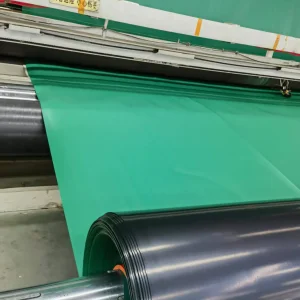
Advanced geosynthetic materials structurally tailored to withstand coastal winds, extreme precipitation, and varying geographical loads in Antigua and Barbuda.
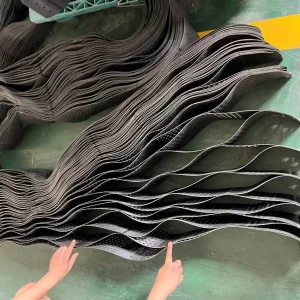
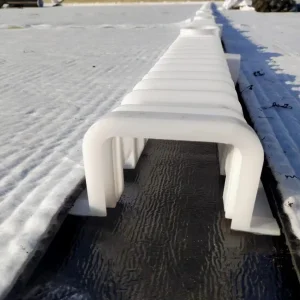
Worldwide infrastructure planning is undergoing a critical pivot toward climate resilience. Traditional concrete and steel-based civil engineering models are increasingly scrutinized for their massive carbon footprints, high initial capital requirements, and susceptibility to dynamic shifting. In this context, three-dimensional Cellular Confinement Systems (Geocells) have emerged as a primary solution for soil stabilization, structural load-bearing capacity enhancement, and erosion control.
By confining infill materials within an interconnected honeycombed polymer matrix, Geocells generate a composite barrier that resists lateral displacement and vertical compression. This mechanics minimizes subgrade wear and permits the structural utilization of localized, poor-quality soils (e.g., coastal sands or fine aggregates), dramatically driving down project logistics and carbon costs. For modern projects, this represents a major step forward in building sustainable, carbon-neutral foundations.
As a twin-island nation situated at the outer boundary of the Leeward Islands, Antigua and Barbuda is uniquely exposed to environmental pressures. Sandy coastal margins, variable topography featuring clay-rich soils in the low-lying central plains, and volcanic derivatives in the south demand versatile geotechnical methodologies. Furthermore, frequent exposure to high-energy tropical cyclones and intense, episodic downpours requires robust water management systems to mitigate devastating soil loss and road surface failures.
Implementing HDPE-based Geocells directly addresses these regional concerns. Standard retaining walls face severe load fatigue during rapid rainfall events; Geocells, conversely, permit free horizontal and vertical drainage through perforated cell walls. This hydrodynamic capacity eliminates excess hydrostatic pressure, preventing slope failure along sensitive coastal roads such as those leading to English Harbour or Fig Tree Drive. Additionally, geocells prevent coastal erosion at resort beaches by stabilizing sandy shorelines against tide action.
Behind every linear meter of our geocell matrix lies a robust quality management framework and rigorous lab testing.
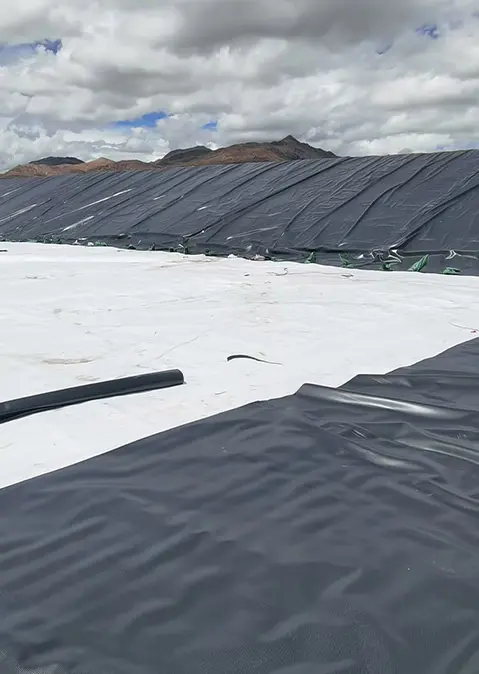
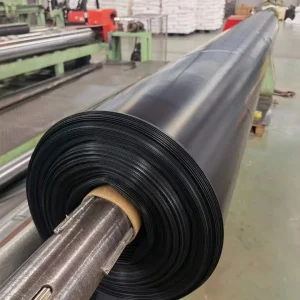
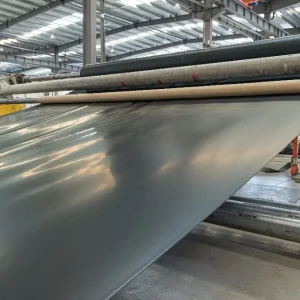
We specialize in the advanced production of geosynthetic solutions, including smooth/textured geomembranes, composite geotextiles, drainage networks, geogrids, geocells, flexible permeable pipes, and plastic blind drains. Leveraging a stable, state-of-the-art raw material supply chain and proprietary product formulas, we specialize in customizing materials (HDPE, LDPE, EVA, and ECB) optimized for localized engineering conditions.
Our solutions feature exceptional resistance to thermal aging and mechanical stress, providing a long service life under aggressive UV conditions. These systems are widely used in environmental landfills, municipal reservoirs, tailings dams, highway subgrades, railway embankments, soil/water conservation projects, and agricultural developments worldwide.
Translating material physics into critical civil, hydraulic, and environmental applications for Caribbean conditions.
Protects coastal bluffs and steep slopes from wave action and intense wind-driven rain. By anchoring the Geocell matrix to the subgrade and filling it with natural gravel or topsoil with native flora, engineers prevent shallow landslides and shoreline degradation near Jolly Harbour.
Subgrade stabilization over soft clay or sandy soils. Geocells act as semi-rigid slabs, distributing vertical wheel loads over broader surfaces. This system reduces rutting and settlement, extending asphalt road life in heavy port zones like Saint John's.
To support water resource self-sufficiency in Barbuda, Geocells stabilize the protective geomembrane liners of local reservoirs and agricultural retention basins, preventing puncture damage and sliding on steep containment slopes.
| Performance Indicator | Standard Geocell Solution | Traditional Concrete / Riprap | Antigua & Barbuda Advantage |
|---|---|---|---|
| Hydrological Profile | Excellent permeability via perforated wall grids. | Impervious; elevates hydrostatic pressure. | Ensures stable run-off during heavy tropical downpours. |
| Installation Complexity | No specialized labor; collapses flat for low transport costs. | Requires heavy machinery, continuous concrete mixing, and curing time. | Slashes shipping logistics and installation overhead on island projects. |
| Ecological Integration | Allows green vegetation growth through cells. | Barren concrete surface; contributes to urban heat islands. | Maintains natural aesthetics in high-end resort areas. |
| Longevity & Resistance | Engineered HDPE resists salinity, high UV, and acids. | Cracks under saline-air exposure and soil movement. | Delivers decades of performance in high-humidity coastal zones. |
Our quality system is verified by international certifications, including ISO9001 (Quality Management), ISO14001 (Environmental Management), and OHSAS18001 (Occupational Health and Safety). Our technical staff operate advanced lab testing and production systems, ensuring absolute precision from compound formulation to extrusion and ultrasonic welding.
We employ a dedicated engineering team, featuring 3 chief chemical process engineers, 5 mechanical engineers, and 9 professional equipment operation specialists. With decades of geosynthetic experience, we guarantee that all products shipped to Antigua and Barbuda meet international standards (including ASTM and GRI-GM13 specifications).
We work closely with contractors and developers in the Leeward Islands, providing customized polymer materials (HDPE, LDPE, EVA, ECB) tailored to specific heat index levels and soil saline profiles. This targeted adaptation ensures durable performance in tropical coastal zones.
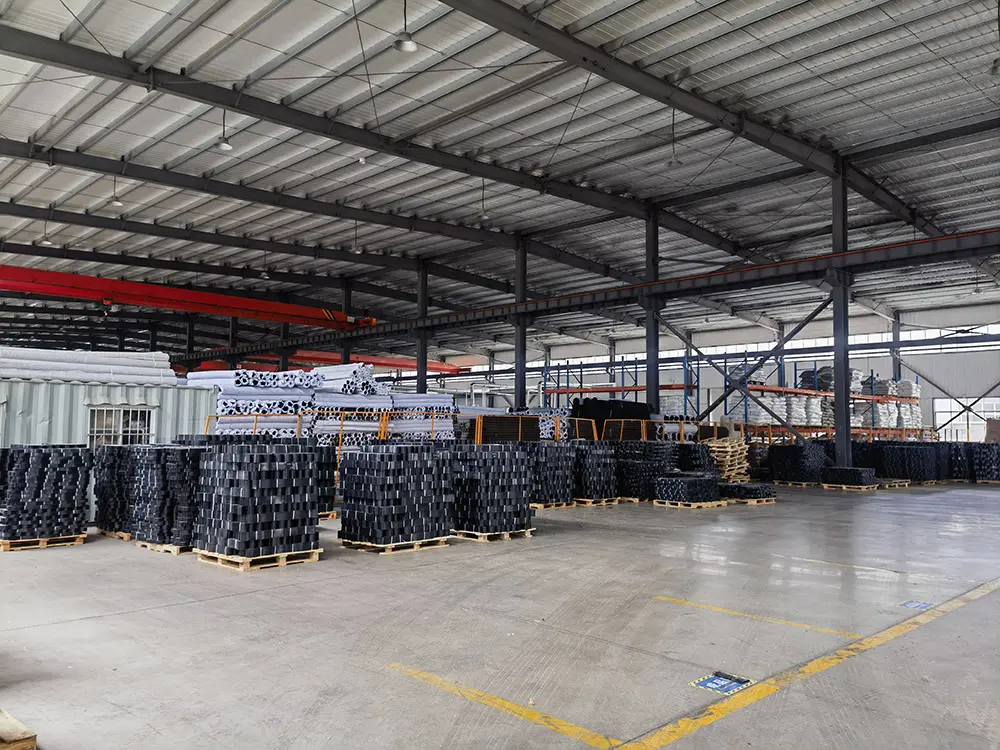
"We focus on creating long-term relationships through technical honesty, premium products, and reliable delivery. Every project in Antigua and Barbuda receives our full design support."
Showcasing our real-world engineering solutions across diverse ecological landscapes.
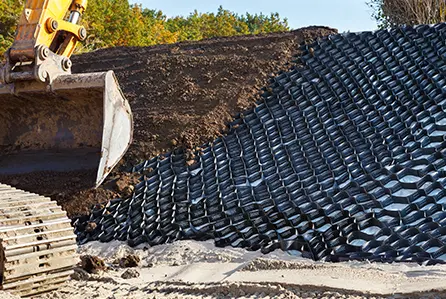
Designed to prevent lateral scouring along canal slopes during seasonal flash floods.
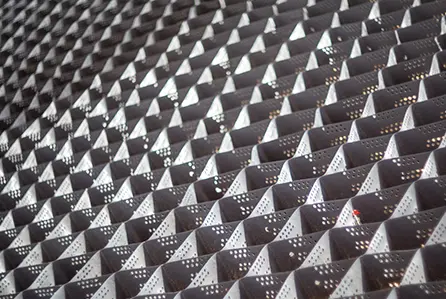
Improves load distribution over soft coastal clays under high heavy-vehicle traffic.
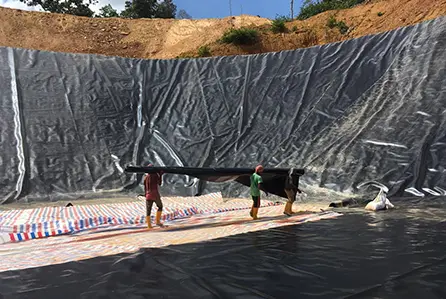
Integrates geomembranes with geotextiles to protect municipal and agricultural water supplies.
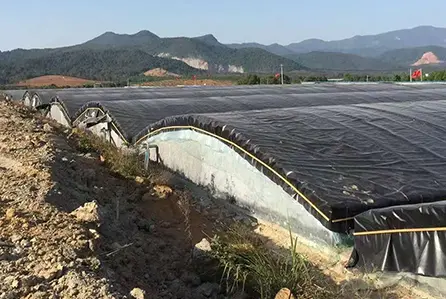
Erosion-control solutions for crop cultivation zones and climate-controlled shading facilities.
We maintain a long-term supply structure for raw materials, allowing us to quickly fulfill custom orders. Whether supplying geomembranes for landfill cell liners or geocells for road base stabilization, our shipping pipelines deliver cargo to Antigua and Barbuda ports efficiently and safely.
Our engineering support services guide clients from initial site evaluation to layout optimization and final construction. This hands-on process helps minimize installation errors, reduce aggregate material waste, and speed up project timelines.
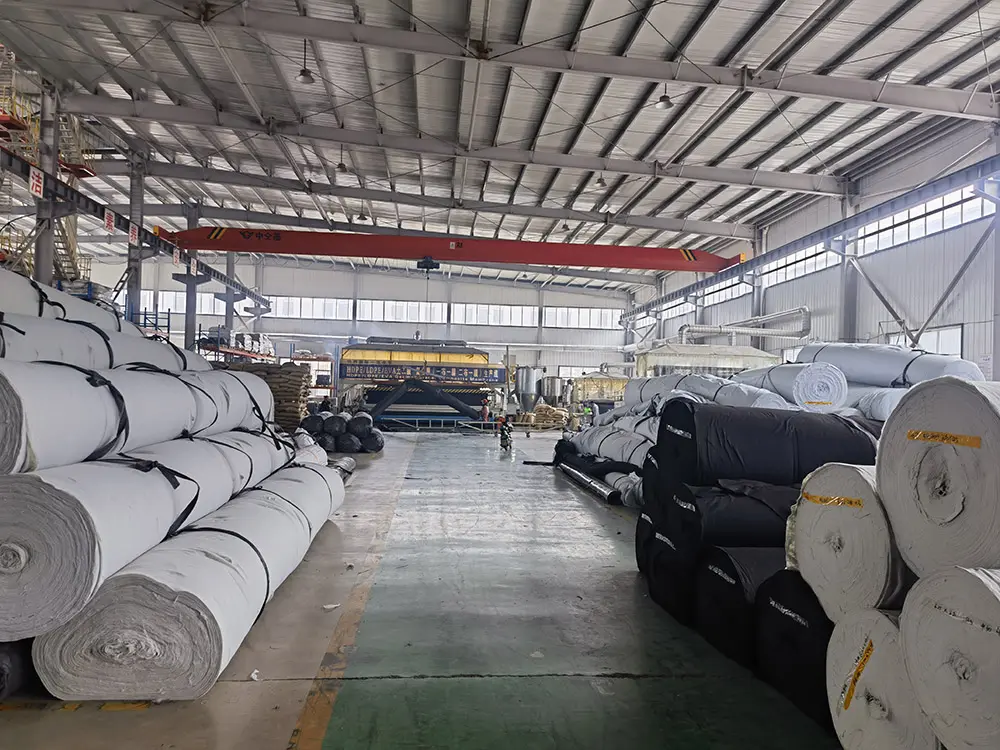
Developing next-generation geosynthetic products designed for emerging climate challenges.
Adapting molecular formulas with specialized Carbon Black and antioxidant additives to resist harsh tropical sun exposure and prevent polymer degradation.
Optimizing geocell wall structures to run on recycled concrete debris, crushed local coral aggregates, or fly ash, helping lower net project carbon footprint.
Utilizing high-frequency ultrasonic welding methods to ensure maximum joint peel strength, preventing seam failures under massive hydro-geological pressure.
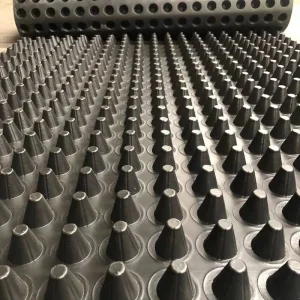
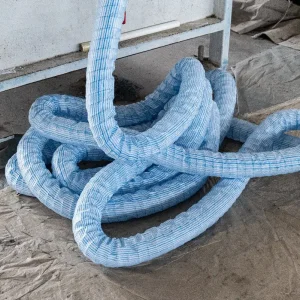
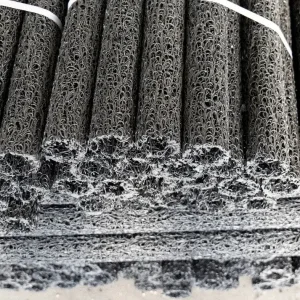
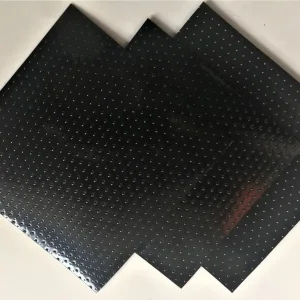
A comprehensive selection of geosynthetic and water management systems designed for modern projects in Antigua and Barbuda.
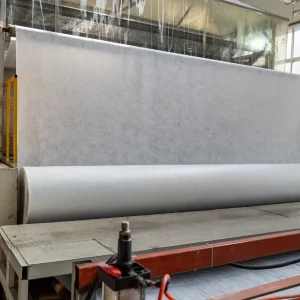
Essential guidance and engineering answers for applying geocell systems in coastal and Caribbean environments.
Connect with our technical engineers today for design assistance, custom manufacturing configurations, and detailed cost estimates for your projects in Antigua and Barbuda.
Send Inquiry Now Changhong