Our top engineering materials selected for heavy infrastructure projects, steep slope reinforcement, and soil protection across the Democratic Republic of the Congo.
The Democratic Republic of the Congo (DRC) is undergoing a massive transformation, fueled by rapid growth in the resource extraction sector (particularly within the copper and cobalt mining belts of Lualaba and Katanga provinces) and major national transportation corridor upgrades. However, engineering infrastructure in the Congo Basin presents distinct, severe geological and meteorological challenges. High annual precipitation exceeding 1,500 mm, soft lateritic soils, and heavy axle loads from mining trucks present continuous operational risks. Under these conditions, traditional roadbeds and slopes are prone to deep shearing, severe rutting, and catastrophic erosion.
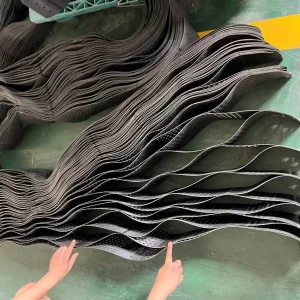
This is where High-Density Polyethylene (HDPE) Geocells become critical. By providing three-dimensional cellular confinement, geocells dramatically increase the bearing capacity of local, marginal infill soils (such as sand and laterite). This reduces the dependency on imported aggregate, drastically lowers project carbon footprints, and extends the service life of major haul roads, riverbank embankments, and civil structures. Our high-performance geocells are specifically engineered to withstand extreme UV exposure, temperature fluctuations, and highly acidic mine waters typical of the African copperbelt.
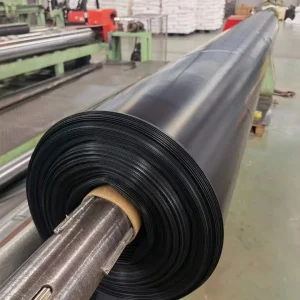
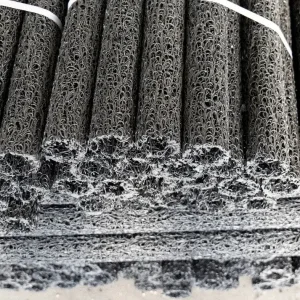
We are a leading global manufacturer specializing in the research, development, and high-volume production of geosynthetic materials, including smooth and textured geomembranes, drainage systems, and high-tensile cellular confinement systems (Geocells). Relying on a long-term and stable raw material supply system and strict product formulas, we customize various material products such as HDPE, LDPE, EVA, and ECB according to customer requirements.
Our facility operates multiple advanced, automated production lines, governed by rigorous quality control frameworks certified under ISO9001, ISO14001, and OHSAS18001. We have over 60 dedicated staff members, including 3 chief chemical process engineers, 5 mechanical engineers, and 9 professional equipment operation engineers. This technical depth guarantees the stability, durability, and forward-looking quality of every roll and bundle of geosynthetic material delivered to the DRC market.
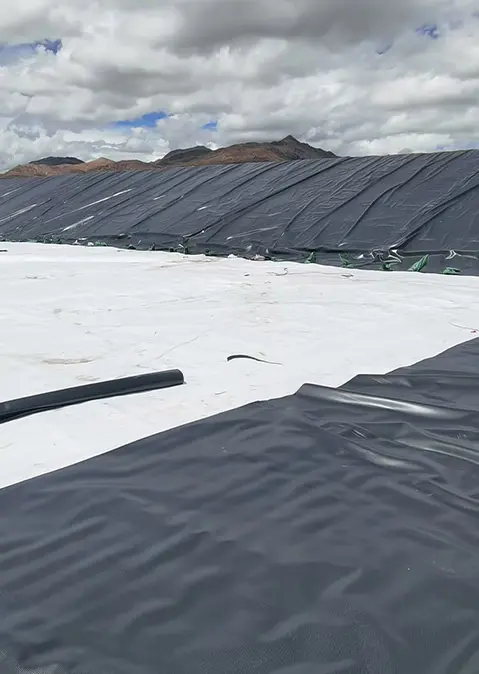
Managing large-scale infrastructure projects in Kolwezi, Lubumbashi, or Kinshasa demands reliable logistics, robust supply chains, and strict compliance with national and international environmental standards. Taian Changhong bridges the gap between high-volume, low-overhead Chinese manufacturing and the localized requirements of projects in the DRC.
We facilitate seamless shipping through the ports of Dar es Salaam and Mombasa for eastern/southern mining hubs, as well as direct ocean freight to the Port of Matadi for western provinces, ensuring timely arrival and clearance.
Every shipment is accompanied by Mill Test Certificates (MTC) proving compliance with ASTM standards for HDPE density, carbon black content, tensile strength, and environmental stress crack resistance (ESCR).
We don’t just supply raw materials; we customize cell dimensions, wall textures (textured vs. smooth), and perforations to fit specific project soils, engineering challenges, and structural loads.
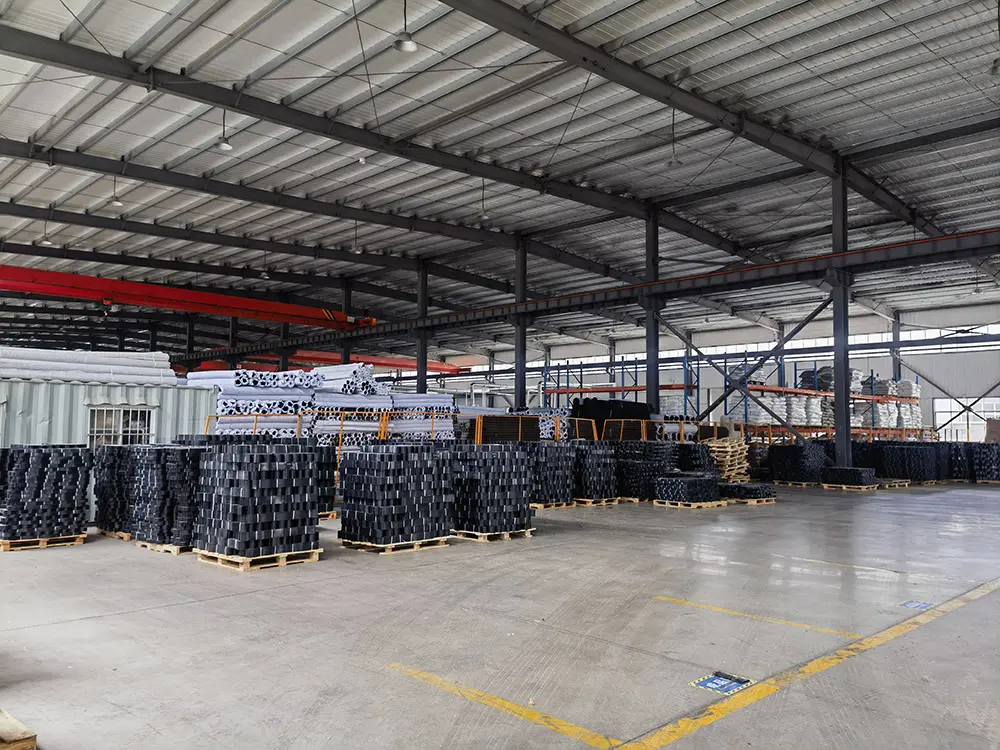
Maintaining leading geosynthetic material production lines and testing equipment, our facility is engineered to execute high-volume, rapid-turnaround orders. Relying on a complete product production system and quality inspection system, we create high-quality and high-standard products.
Our team understands that in remote mining districts of the DRC, down-time and material failure can cost millions. Therefore, all our geocells and geomembranes undergo continuous batch testing, focusing on seam weld integrity, carbon black distribution for UV stabilization, and dimensional tolerance. Our long-term relationships with regional engineering firms stand as testament to our commitment to mutual success.
From heavy-haul mining roadbeds to massive containment systems, explore how our products are integrated into essential sectors across the Democratic Republic of the Congo.
Washing and selection tanks, heap leaching pads, ash storage yards, dissolution tanks, sedimentation ponds, and anti-seepage linings for tailings dams. Essential for safe acid containment and environmental protection in Katanga.
Slope protection and base stabilization for arterial road links (RN1/RN2), heavy-haul mining haulage roads, and rail embankments subjected to deep ruts and shifting ground.
Slope protection and seepage prevention for major dams, river channels, agricultural canals, stormwater diversion channels, and port docking facilities along the Congo River.
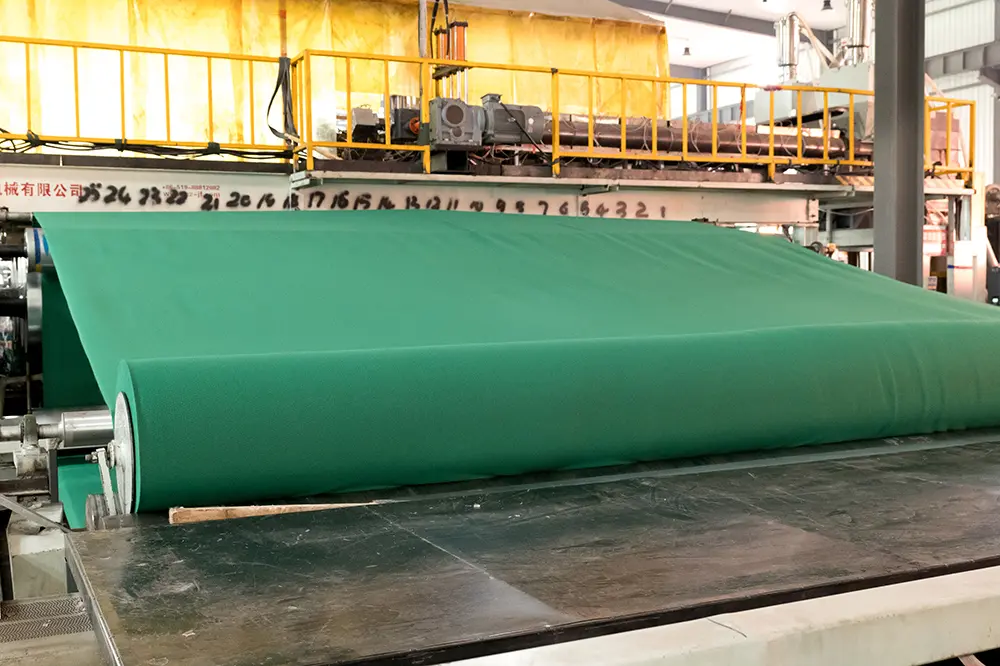
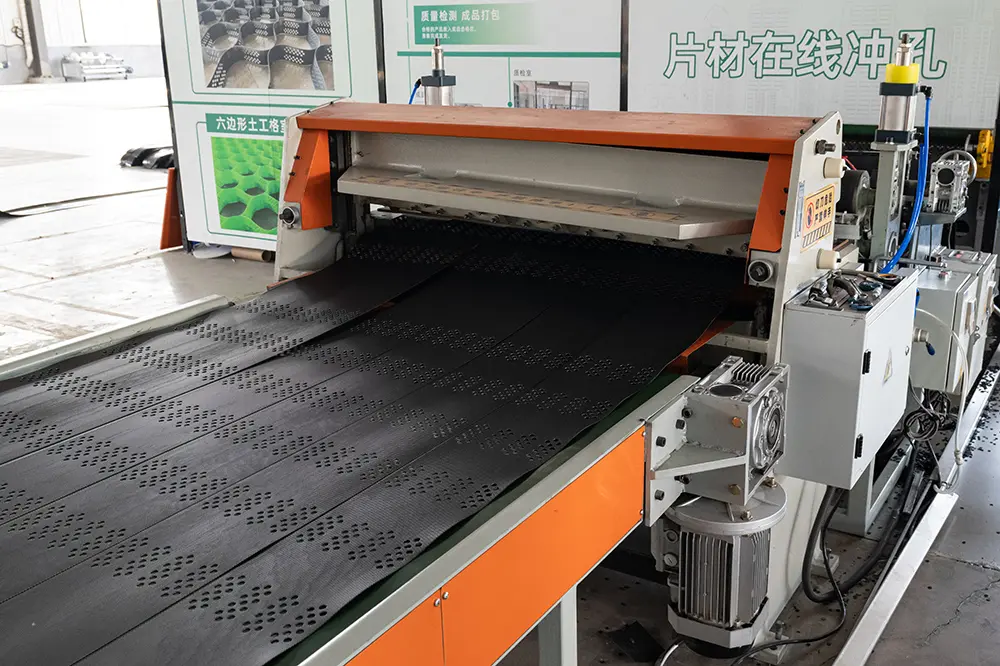
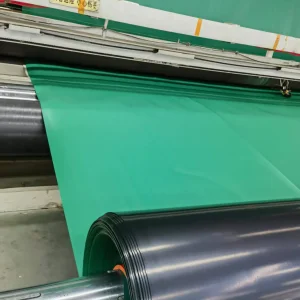
Our manufacturing facility features automated production controls, modern co-extrusion technology, and rigorous quality inspection laboratories.
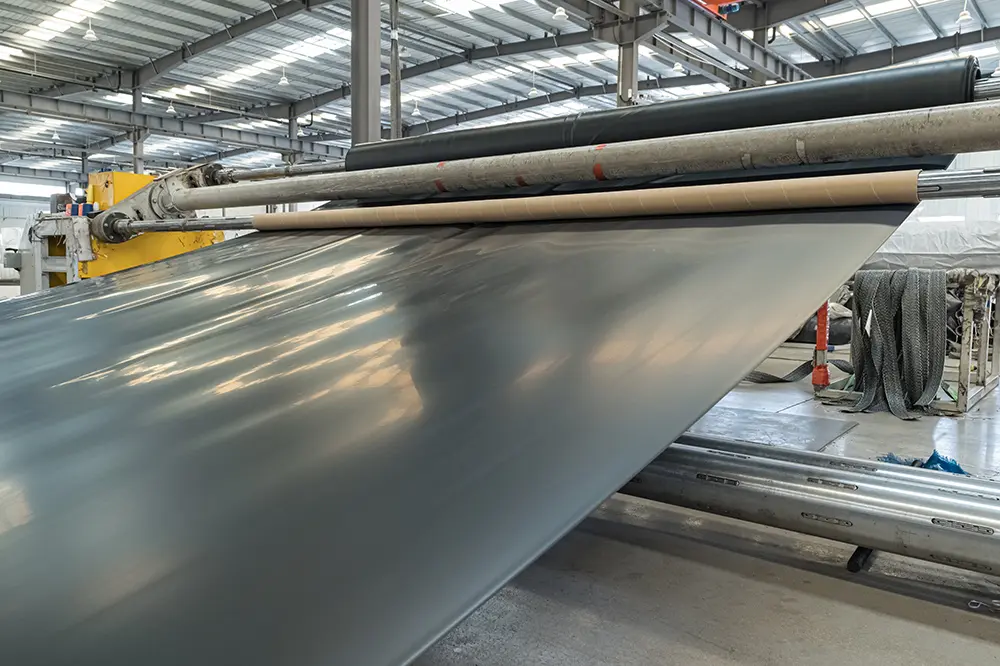
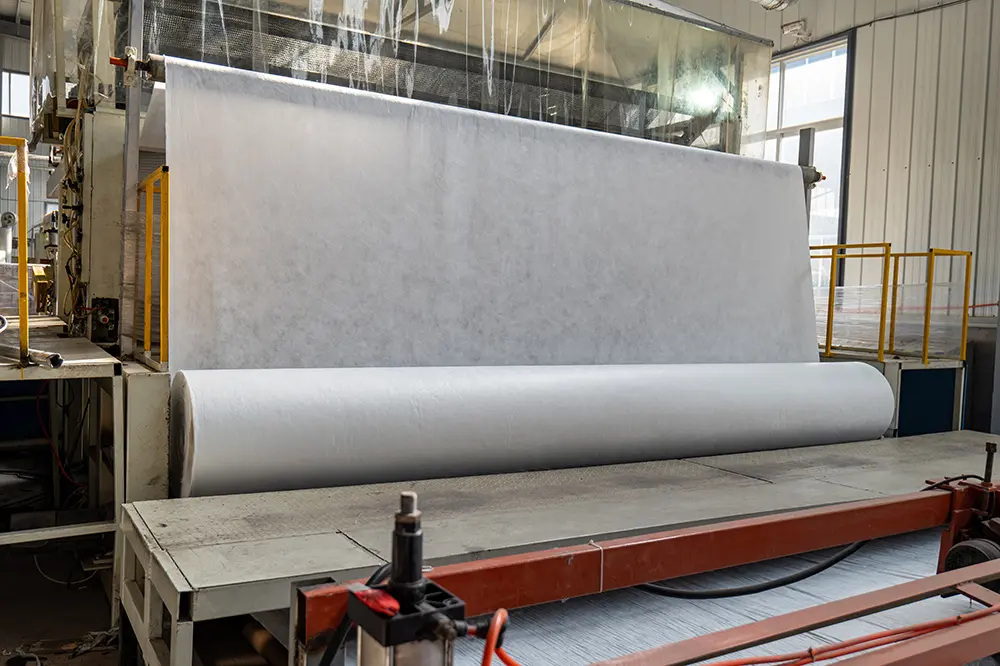
Examine how our geocells and geomembranes solve real-world geotechnical problems under extreme climatic and mechanical stress.
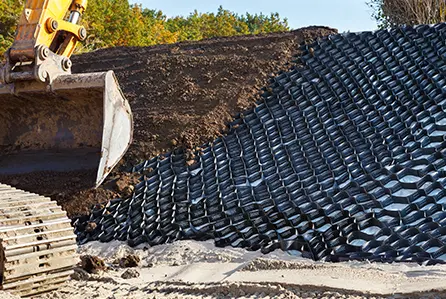
Using high-strength perforated geocells to prevent severe bank slippage during the rainy season.
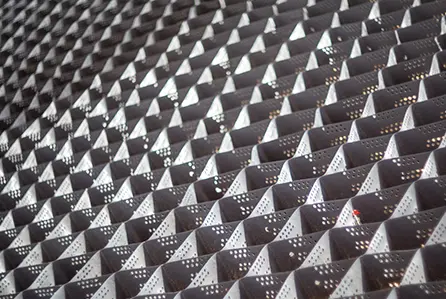
Three-dimensional containment systems designed for 100+ ton mine truck traffic loads over soft soils.
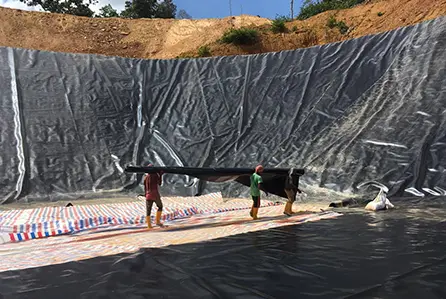
High-density polyethylene geomembranes preventing soil and aquifer contamination from acidic runoffs.
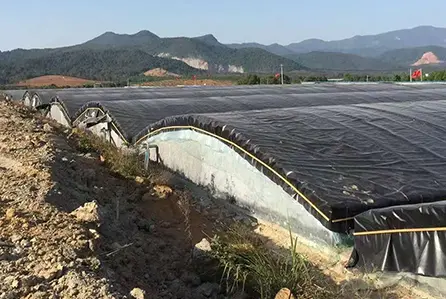
Cost-effective lining solutions for community water basins and environmental greening initiatives.
Understanding the mechanical behavior of Geocells is critical for geotechnical engineers designing structures in the DRC. When sand, gravel, or lateritic clay is compacted within a geocell network, a 3D composite structure is created. Under structural load, the geocell walls exert horizontal confinement, which restricts lateral soil movement. This lateral resistance increases the shear strength of the infill soil and generates a high-stiffness mattress effect.
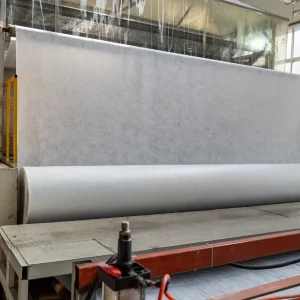
Much of the soil across Lualaba and Katanga provinces consists of laterites—soils rich in iron and aluminum oxides that degrade rapidly under high moisture and dynamic loads. By placing geocells directly over a non-woven geotextile separation layer and filling them with locally sourced granular soils, engineers can achieve the following technical benefits:
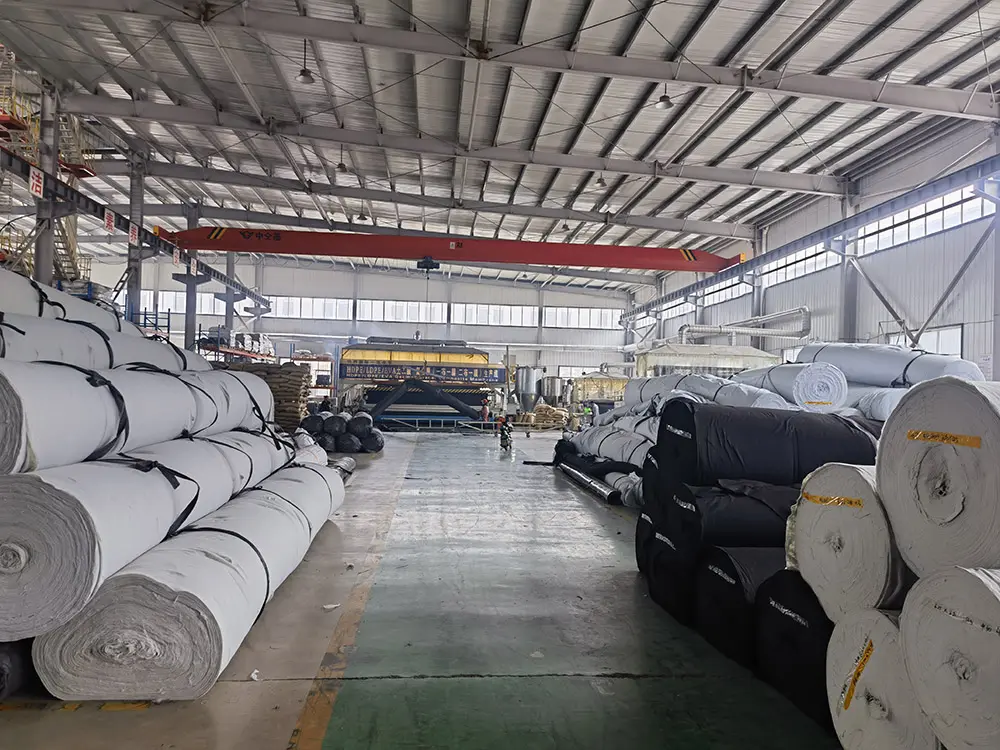
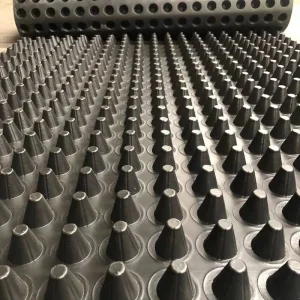
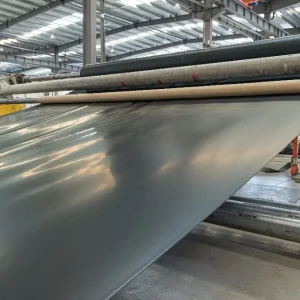
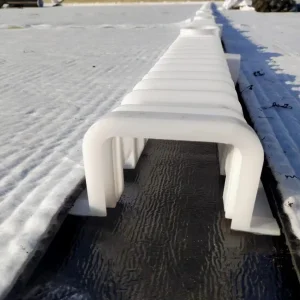
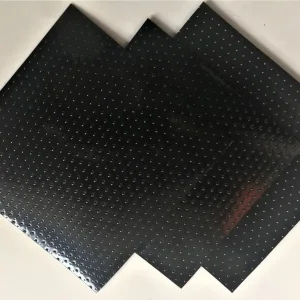
Our comprehensive line of environmental protection, drainage, and soil reinforcement materials engineered for civil and mining infrastructure in DR Congo.
As the construction and mining sectors in the DR Congo shift towards sustainable practices, the demand for high-durability, eco-friendly geosynthetics continues to rise. Future infrastructure developments are moving away from traditional, carbon-intensive concrete retaining walls towards dynamic, vegetated green slopes reinforced with advanced polymer systems.
At Taian Changhong, we are actively developing and deploying next-generation geosynthetic products designed to perform in the harsh Sub-Saharan climate. Our research team is focusing on several key innovations:
Investing in advanced geosynthetics allows engineers in the DRC to construct infrastructure that adapts to climate change, copes with heavy rain, and meets the ESG (Environmental, Social, and Governance) targets set by international finance institutions.
Find answers to the most common engineering and logistical questions regarding geosynthetic applications in the DR Congo.
 Changhong