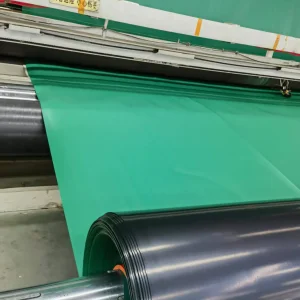
Explore our core selection of certified geomembranes, geocells, filtration fabrics, and smart city siphonic water-control platforms.
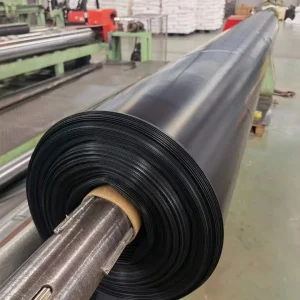
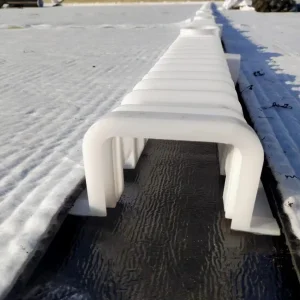
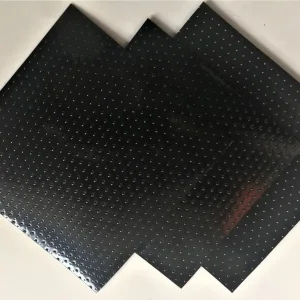
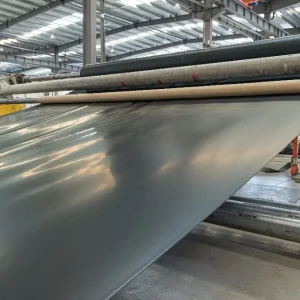
Modern civil infrastructure, ecological mitigation networks, and high-stakes chemical storage operations demand absolute hydraulic isolation. A geotechnical liner acts as the critical barrier safeguarding groundwater tables from contaminated leachate, preventing water seepage in massive agricultural reservoirs, and providing chemical containment in mining heap leach fields. As environmental regulations globally converge towards strict zero-leakage standards, the choice of geotech liner factories becomes a key parameter in project risk management.
Geosynthetic membranes are no longer categorized merely by thickness; today, they are defined by their molecular stability, resistance to environmental stress cracking (ESCR), thermal properties, and structural interfaces. From standard High-Density Polyethylene (HDPE) to advanced Linear Low-Density Polyethylene (LLDPE), Ethylene Vinyl Acetate (EVA), and Ethylene Copolymer Bitumen (ECB), selecting the correct chemical formulation represents the engineering margin between a multi-decade containment success and catastrophic structural failure.
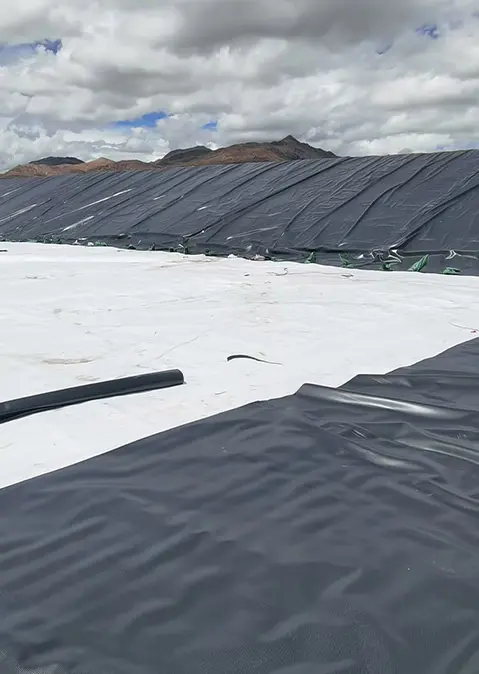
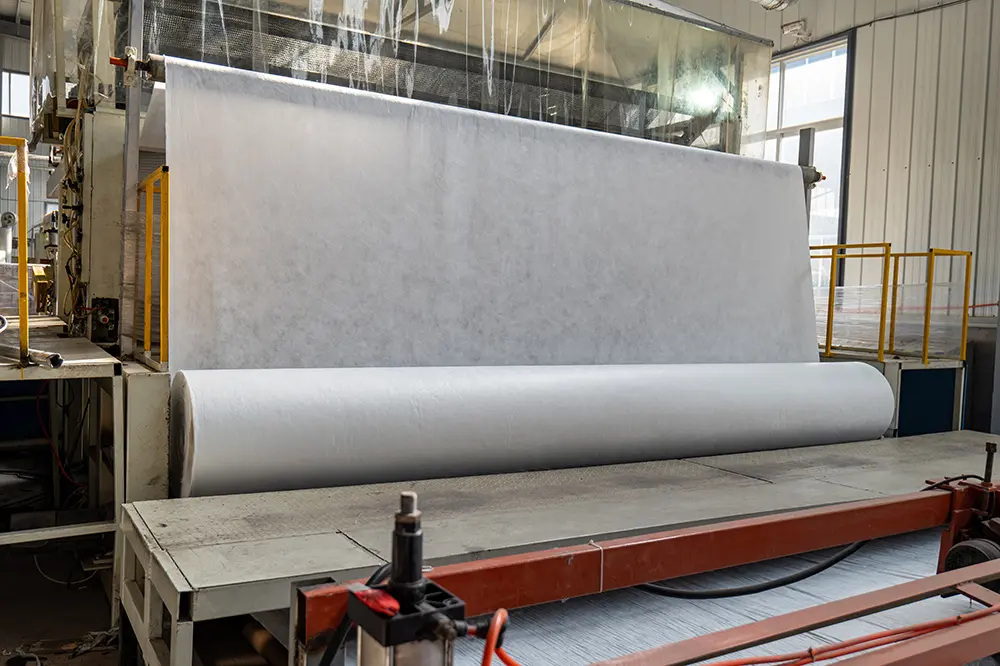
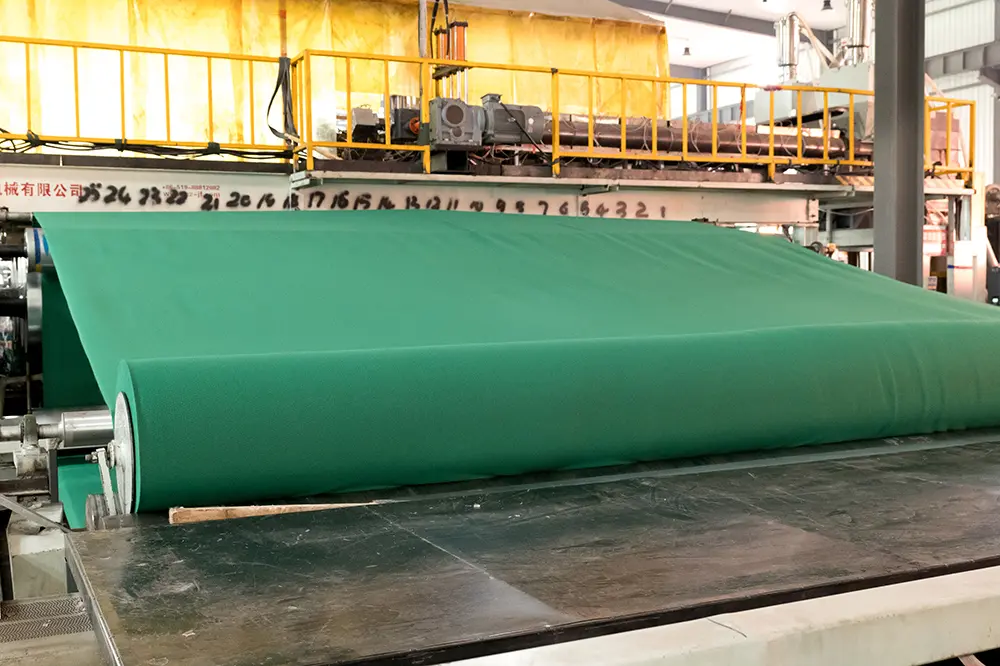
Founded on a commitment to manufacturing excellence and rigorous engineering, Taian Changhong Engineering Materials Co., Ltd. has positioned itself at the vanguard of geosynthetic production. The company specializes in the design, formulation, and production of high-performance smooth geomembranes, rough/textured geomembranes, double-color geomembranes, and comprehensive non-woven geotextiles. Our non-woven geotextile portfolio encompasses polyester short fiber, polyester long fiber (filament), polypropylene short fiber, and hot-rolled non-woven fabrics.
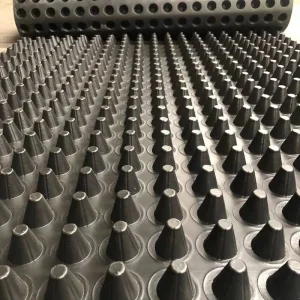
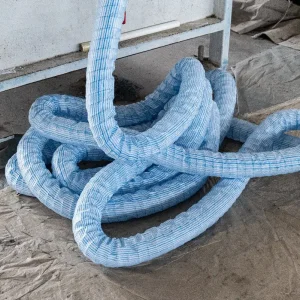
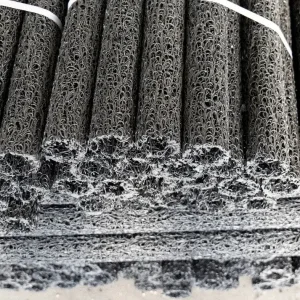
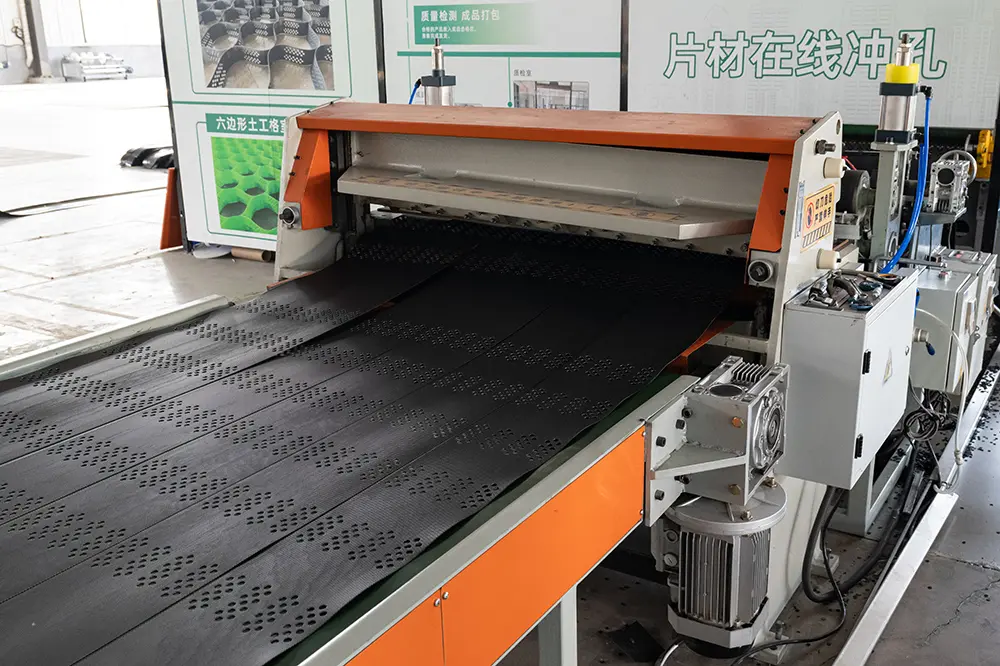
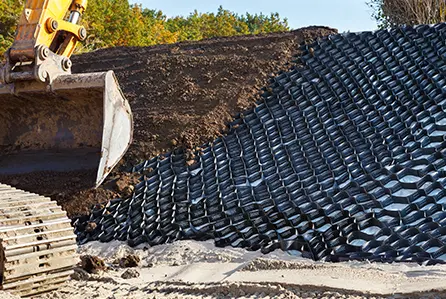
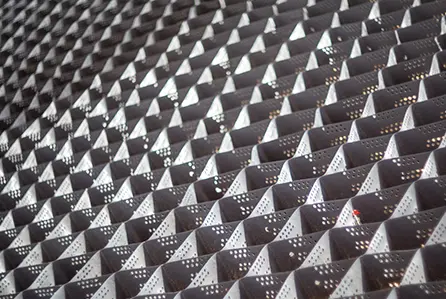
To deliver a complete drainage and erosion control ecosystem, we manufacture supplementary materials including structured drainage boards, multi-dimensional drainage nets, high-tensile geogrids, gravel grid plastic geocells, flexible permeable pipes, and durable plastic blind drains. Utilizing a long-term, audited raw material supply chain and highly specific formulation profiles, we offer direct customization of HDPE, LDPE, EVA, and ECB barriers tailored to the chemical and physical demands of our global clientele.
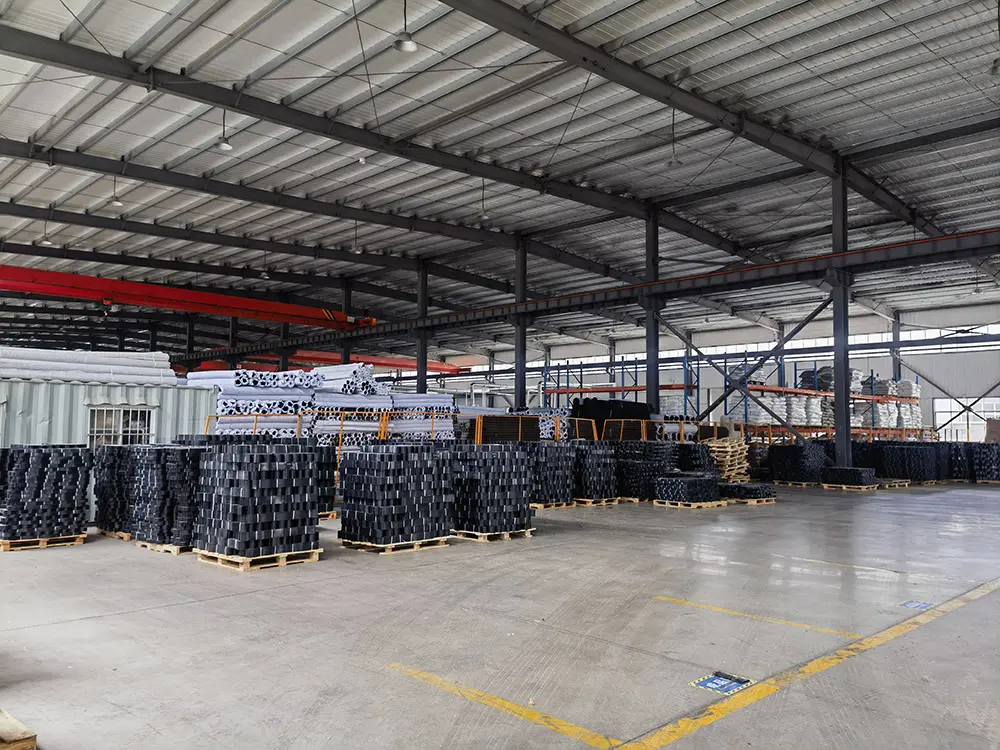
Deploying advanced quality control matrices and continuous inline monitoring to ensure barrier integrity on a molecular scale.
Our entire operation is verified under the globally recognized ISO9001:2015 Quality Management System, ISO14001:2015 Environmental Management System, and OHSAS18001:2007 Occupational Health and Safety Management System standards.
Featuring 3 chief chemical process engineers, 5 mechanical engineers, and 9 professional equipment operation specialists. These professionals possess years of practical field and formulation design experience, maintaining stable product properties.
We deploy modern blown-film and flat-die extrusion machinery equipped with gravimetric dosing and optical scanning systems. This machinery continuously calibrates thickness variances to far exceed ASTM D5199 requirements.
How our geosynthetic containment and drainage systems are custom-deployed for major municipal and ecological works globally.
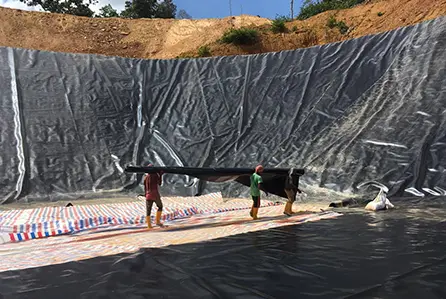
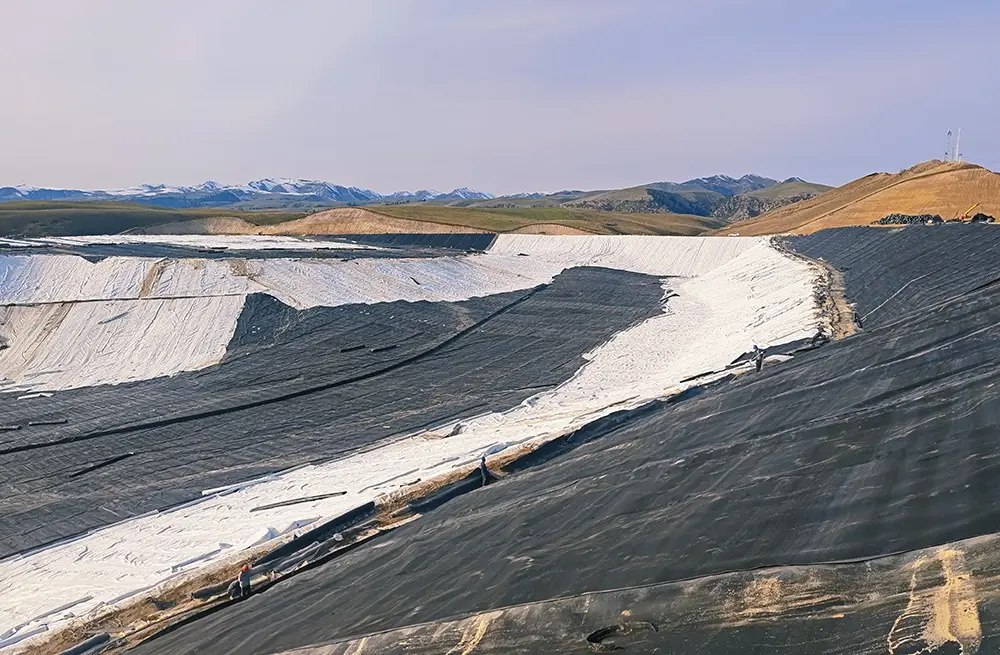
Our thick HDPE geomembranes form the foundational barrier in hazardous and municipal solid waste (MSW) landfills. They resist high chemical pressures, protect regional water networks from landfill runoff, and remain stable under harsh weather conditions.
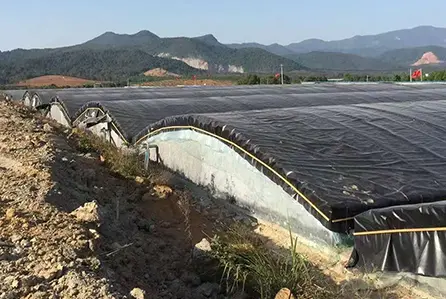
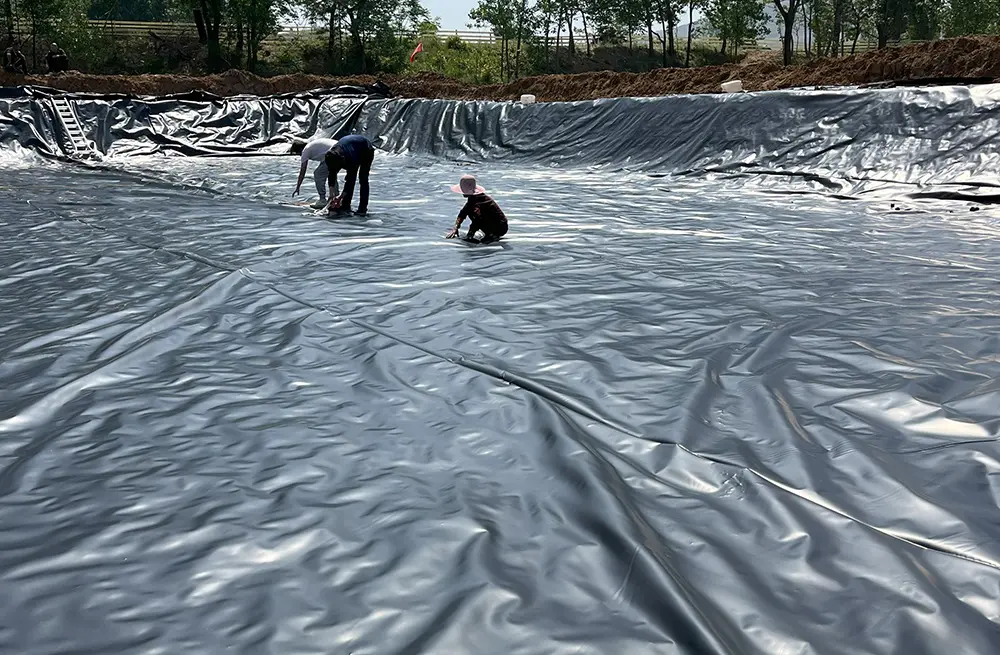
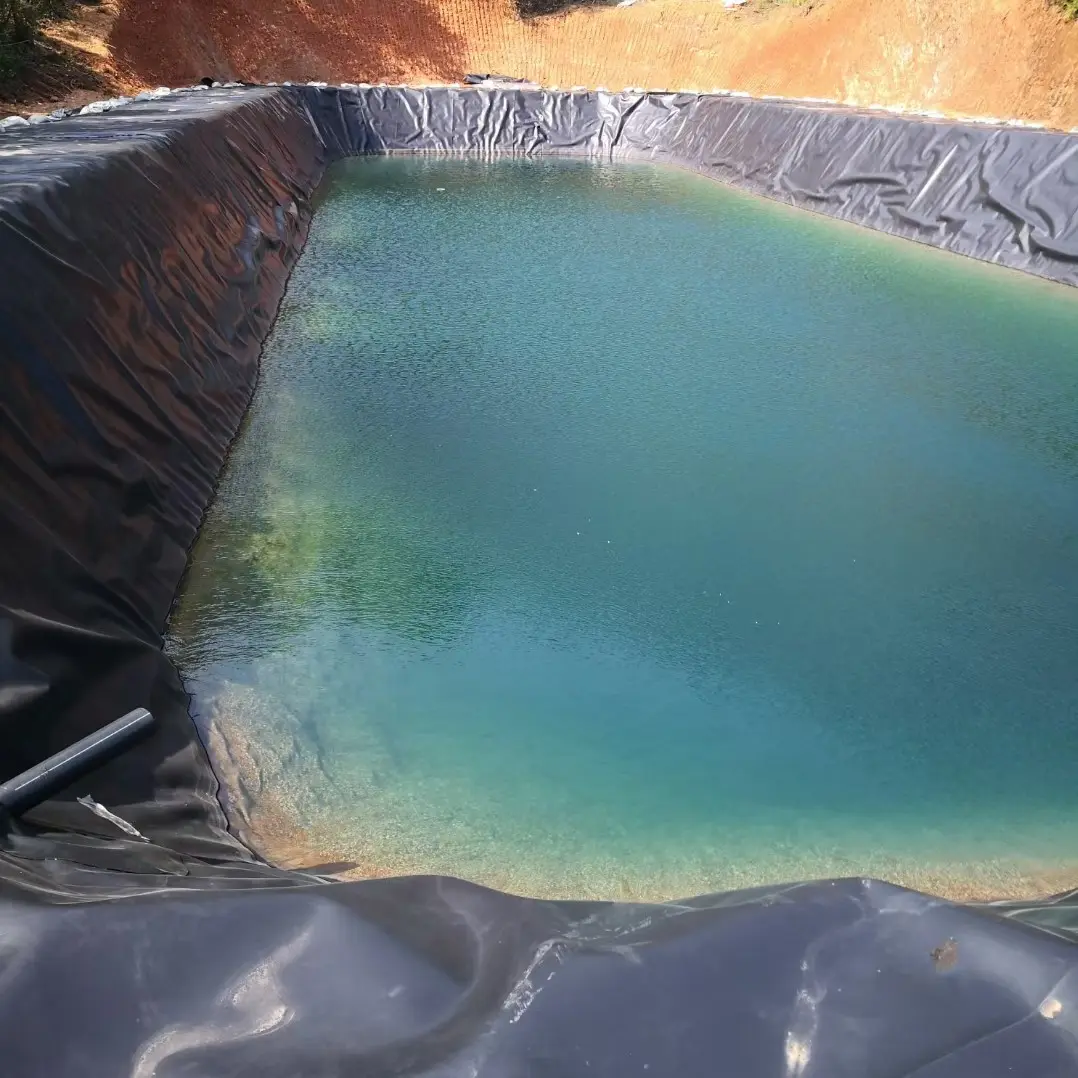
Non-toxic, food-grade LLDPE and LDPE membranes prevent water seepage in large aquaculture farms, commercial fish ponds, shrimp farming facilities, and municipal agricultural irrigation reservoirs, maximizing water conservation.
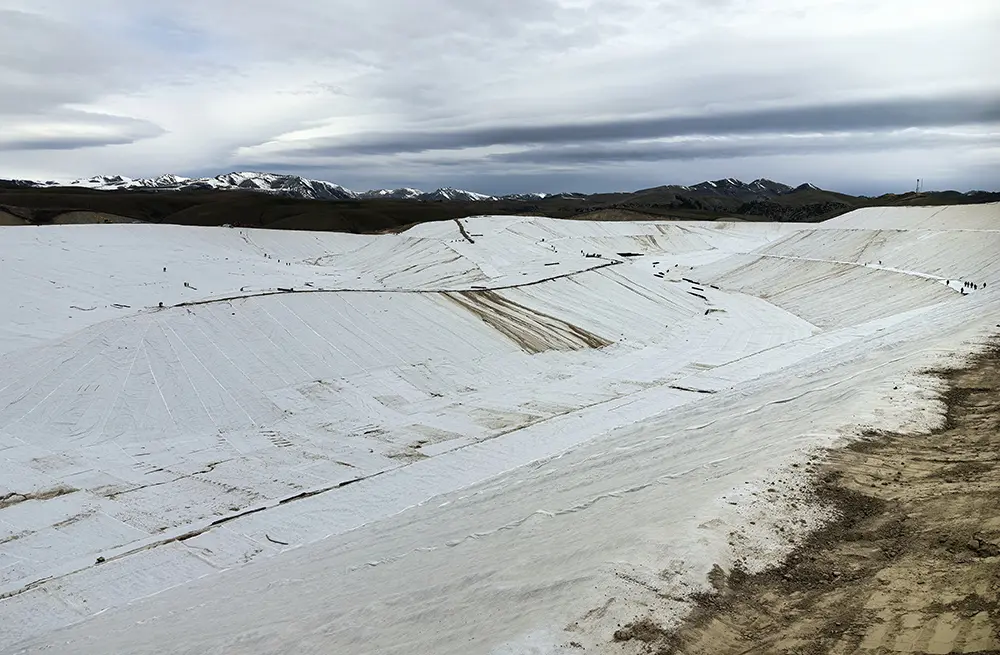
Engineered to handle acidic and basic chemical exposure, our liners are used in gold and copper heap leaching pads, tailing dams, settlement ponds, and petroleum storage secondary containment zones.
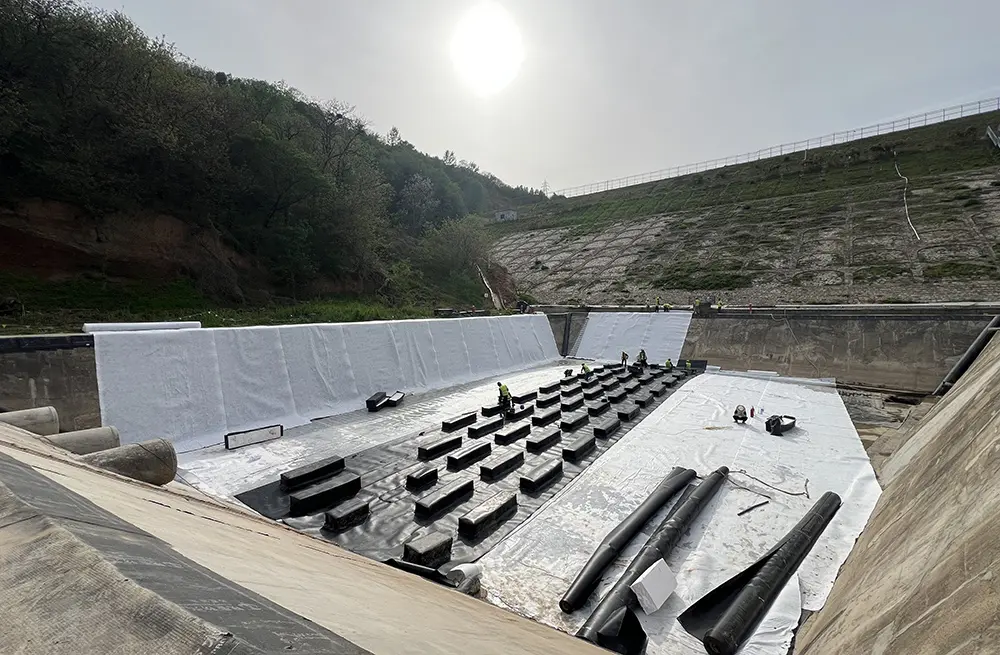
Providing waterproofing and moisture protection for urban subways, civil tunnels, highway retaining walls, and railway bed foundations. These systems prevent groundwater damage and stabilize nearby soils.
Our siphonic drainage collection platforms and high-void-ratio cells enable modern urban developments to capture, filter, and recycle storm water, mitigating urban heat island impacts and flooding.
Operating out of the primary industrial zones of Shandong, Taian Changhong leverages a deeply integrated industrial supply cluster. By sourcing raw polymer resins through direct partnerships with domestic petrochemical leaders and international chemical companies, we isolate our clients from extreme price volatility. This secure pipeline ensures consistent melt index values, molecular weight distribution, and high polymer purity across production lots.
Our localized supply chain yields significant cost efficiencies, which we pass directly to our international clients through competitive pricing. With access to nearby high-capacity container ports, we ensure fast turnaround times for bulk orders and project modifications. We provide comprehensive tracking and customs documentation, maintaining supply chain continuity for critical engineering and infrastructure projects.
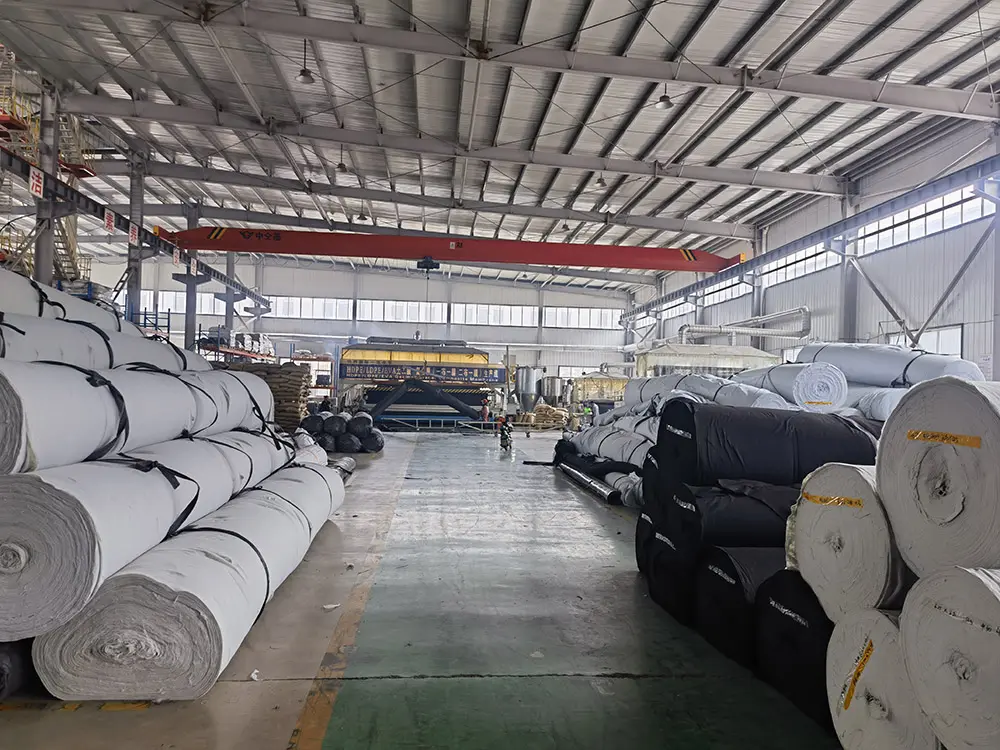
A look at the next generation of geosynthetic barriers, focusing on environmental sustainability and intelligent monitoring systems.
We are researching the integration of micro-conductive carbon layers within our double-color HDPE linings. This will allow monitoring teams to locate tiny punctures down to the millimeter scale immediately after installation.
Developing biodegradable erosion control fabrics and bio-based geosynthetics. These materials provide structural support for soil stabilization before safely dissolving back into natural soil horizons.
Integrating highly dispersion-stable carbon black packages and hindered amine light stabilizers (HALS) to allow liners to remain exposed to intense sunlight in arid areas for over 20 years.
Explore real-world applications of our geomembranes, drainage elements, and stabilization technologies across global projects.
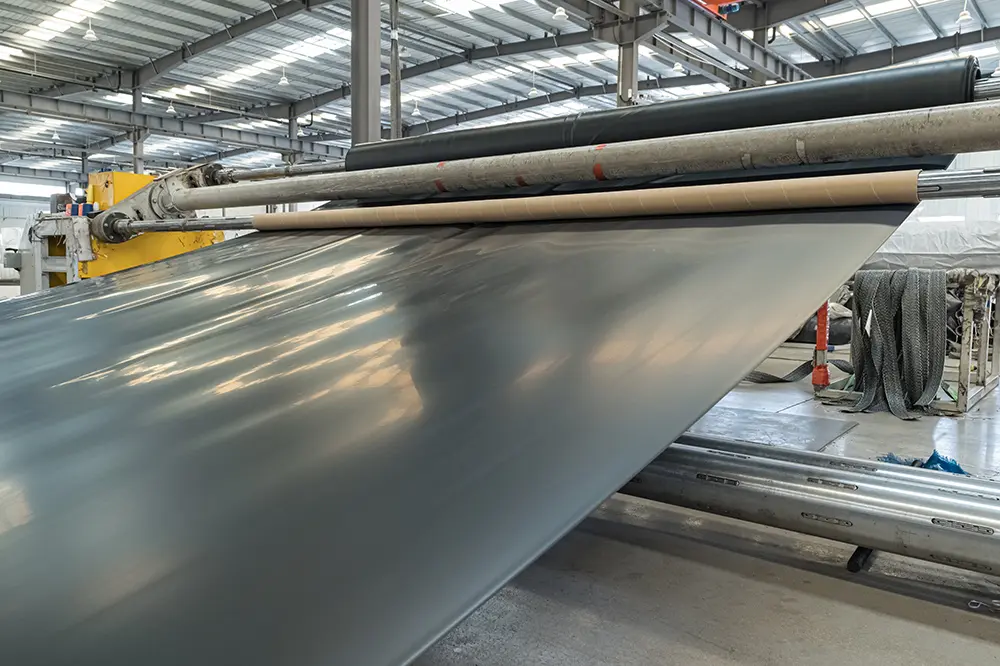
Deep-dive research papers detailing installation procedures, quality assessment methods, and design recommendations.
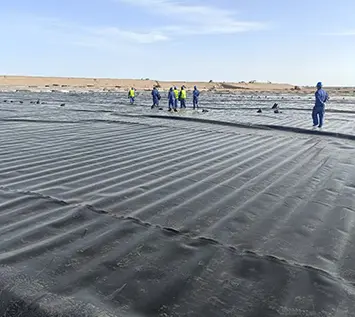
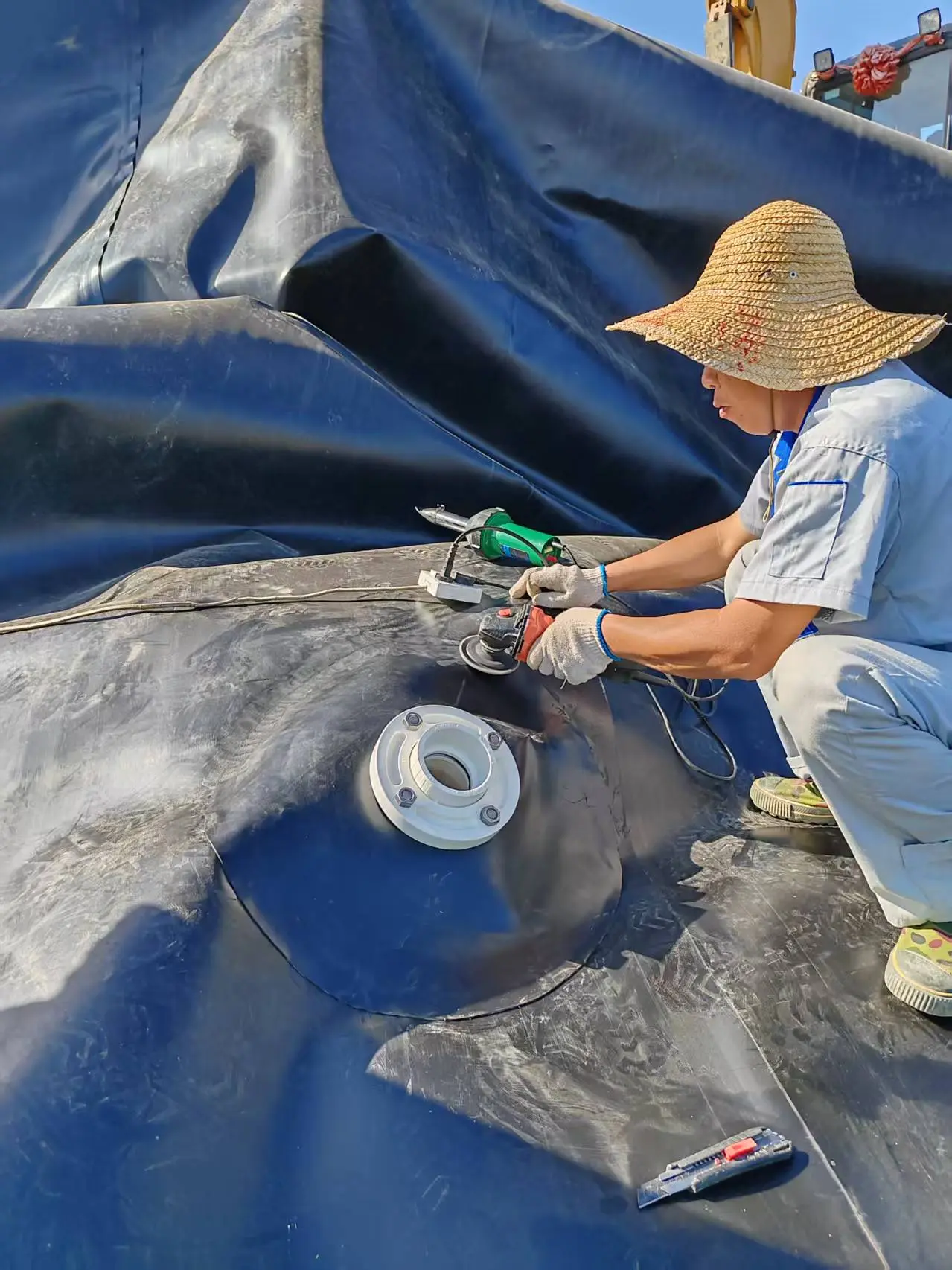
A step-by-step review of field preparation, thermal welding procedures, wedge temperature adjustments, and testing protocols to ensure liner longevity.
Analysis of geomembrane testing methods, focusing on stress-crack resistance, bubble leak tracking, and mechanical strength testing under ASTM standards.
Exploring raw material chemical differences between HDPE, LLDPE, EVA, and ECB, helping engineers select the right liner for chemical containment.
Crucial answers to help engineers, design teams, and supply chain managers select and specify geosynthetics.
High-Density Polyethylene (HDPE) features high molecular crystallinity, yielding excellent chemical resistance, high tensile strength, and strong barrier properties. This makes it ideal for harsh waste treatment plants and landfill sites. Linear Low-Density Polyethylene (LLDPE) has more polymer branching, providing greater flexibility, elongation capacity, and resistance to low temperatures. This makes it perfect for structures prone to differential settlement, like decorative lakes, municipal ponds, and municipal storage reservoirs.
Our technical team recommends using dual-track hot wedge welding machines for long seam runs, which creates an accessible test channel. This channel allows for non-destructive air-pressure testing to verify seam integrity. For complex geometries, pipe penetrations, and patching works, extrusion welding is used with a matching welding rod sourced from the same polymer resin batch to ensure a uniform chemical bond.
Double-color geomembranes serve two main purposes: visual inspection and thermal management. A light-colored top layer (white or green) reflects sunlight, lowering the liner temperature and reducing expansion wrinkles during warm installations. The light layer also makes it easier to spot damage or punctures, showing the dark base layer underneath during visual quality checks.
Our manufacturing and testing facilities are certified under ISO9001 for quality control, ISO14001 for environmental management, and OHSAS18001 for occupational health. Additionally, our raw materials and finished products are tested under relevant ASTM standards to ensure compliance with global environmental regulations.
Explore our complete range of drainage, isolation, and containment products designed for challenging civil works.
 Changhong