Direct supply from state-of-the-art Chinese manufacturing facilities. Meeting international standards for shear resistance and erosion control.
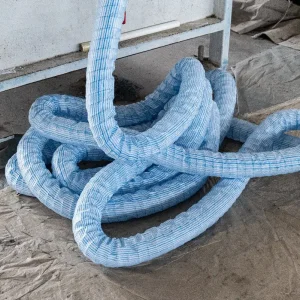
Erosion control mats and geosynthetic systems have transformed from simple temporary stabilization tools to highly advanced civil engineering solutions. In an era marked by extreme weather patterns, rising precipitation levels, and aggressive urban development, soil erosion presents a major threat to structural assets and natural landscapes alike. Top China erosion mat factories have recognized this shift, directing significant investments into modern polymeric formulas that exhibit superior mechanical resistance and environmental compliance.
By shifting from conventional soil protection methods toward engineered geosynthetic matrices, asset managers and civil engineering departments achieve substantial reductions in lifecycle maintenance costs. This evolution has fueled global demand for high-performance HDPE, LDPE, EVA, and ECB barriers, drainage structures, and reinforcement grids designed to perform reliably under extreme stresses.
The global construction industry is under intense pressure to reduce its scope 3 carbon emissions. Modern erosion mats and geosynthetics play a vital role here. Compared to conventional concrete slope structures, geosynthetic systems require significantly less transportation energy and installation machinery, reducing the overall carbon footprint by up to 60-80% on large-scale slope containment projects. Furthermore, by facilitating vegetation growth, these structures act as long-term carbon sinks, supporting ecological restoration targets.
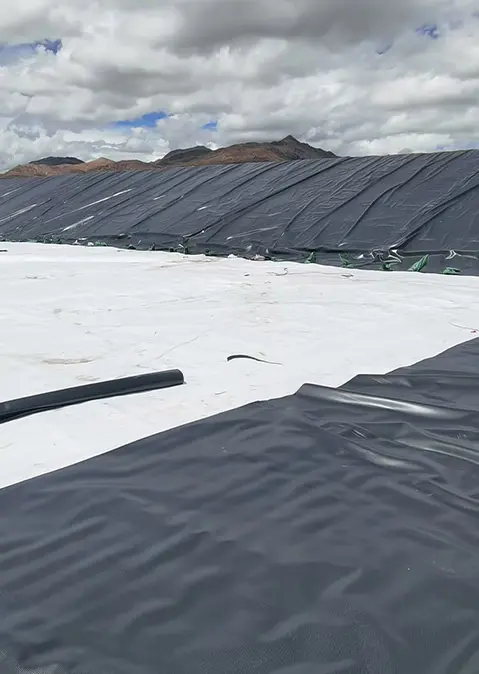 Eco-Restoration
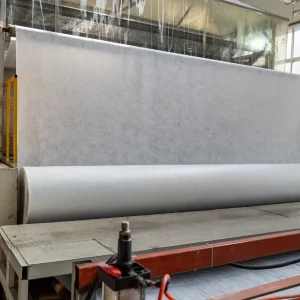
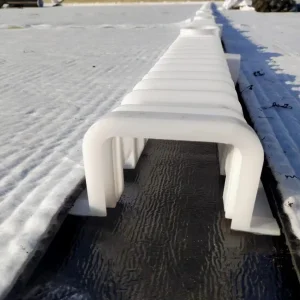
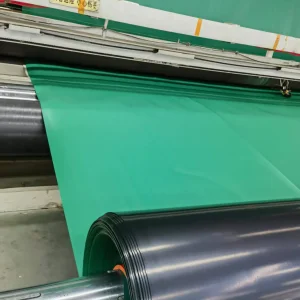
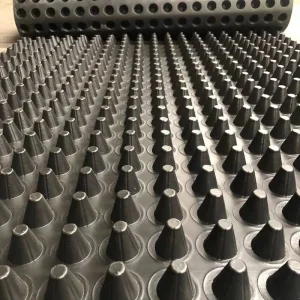
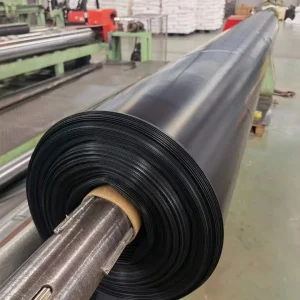
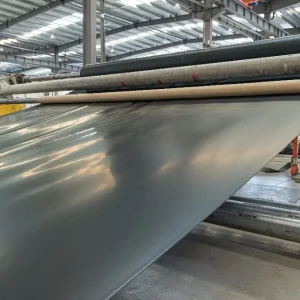
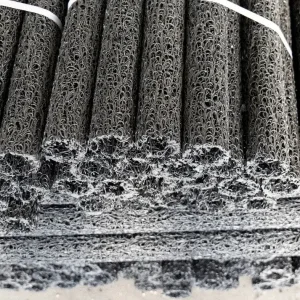
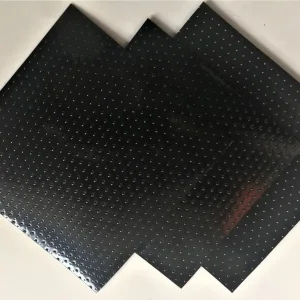
As a leading supplier in the geosynthetic sector, Taian Changhong Engineering Materials Co., Ltd. specializes in the production of high-performance smooth geomembranes, rough geomembranes, double-color geomembranes, and comprehensive drainage nets. Our extensive product line also features specialized geotextiles (including polyester short fiber non-woven, polyester long fiber non-woven, polypropylene short fiber, and hot-rolled variations), drainage boards, geogrids, geocells, flexible permeable pipes, and plastic blind drains.
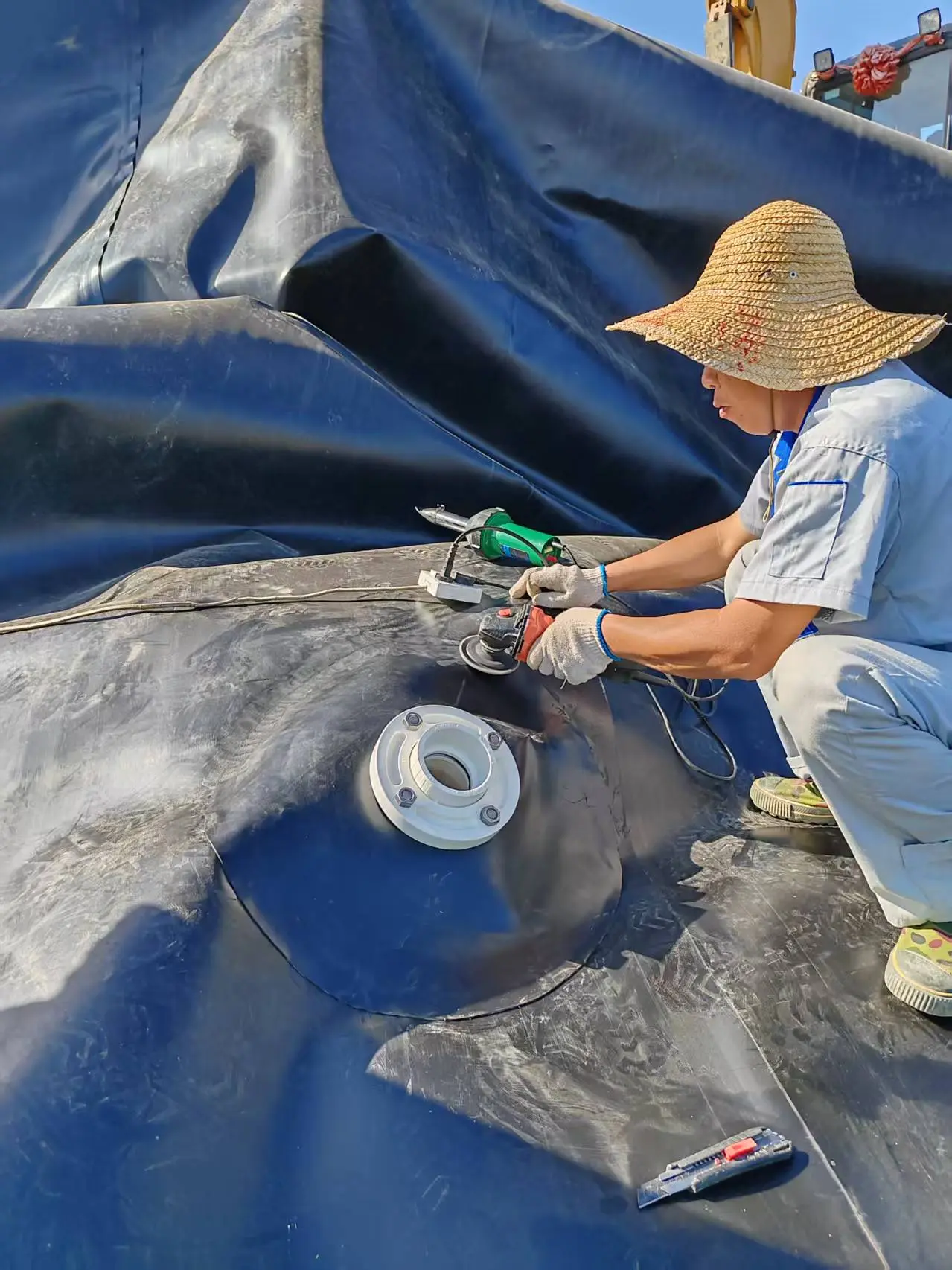
By leveraging a robust raw material supply chain and utilizing specialized processing formulations, we customize products using HDPE, LDPE, EVA, and ECB to match the exact physical and chemical specifications of our international partners. Our materials are engineered with advanced UV-stabilizers and anti-aging agents, making them well-suited for demanding environments such as hazardous waste landfills, civil works, tailing ponds, and agricultural channels.
Our manufacturing capacity is backed by strategic partnerships with leading petrochemical providers. This guarantees that all batches of polyethylene and co-polymers meet strict molecular weight distribution standards. This consistency ensures that the resulting geonets, geomembranes, and geocells maintain high resistance to environmental stress cracking (ESCR) and tensile degradation over decades of service.
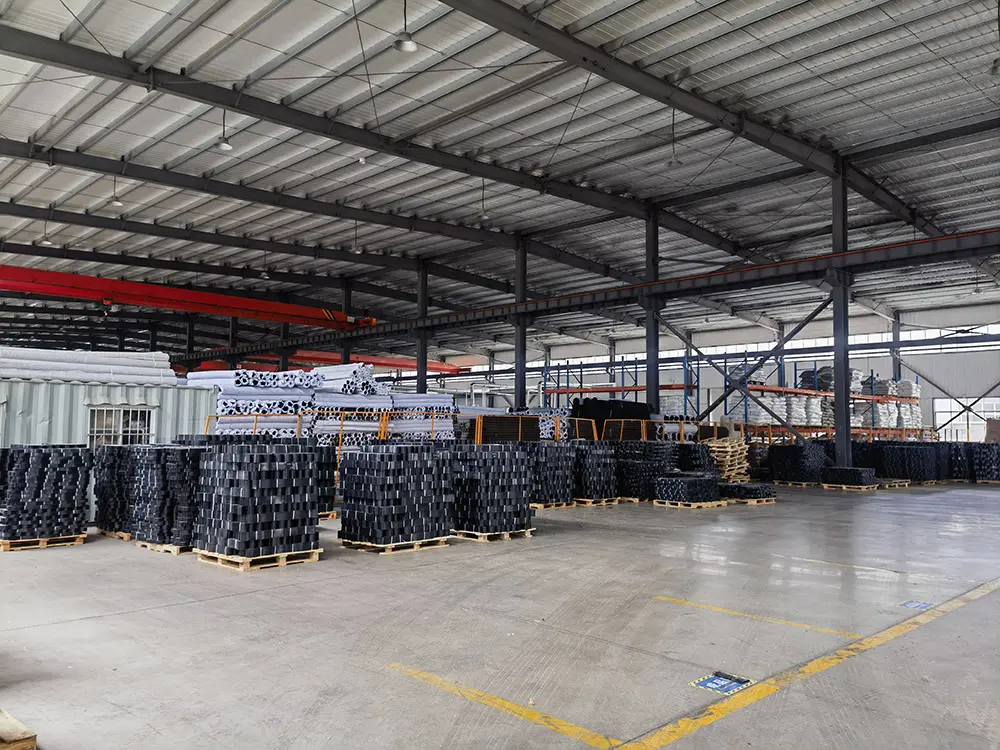 Smart Production
Standardizing quality and streamlining lead times through automated production systems and strict testing protocols.
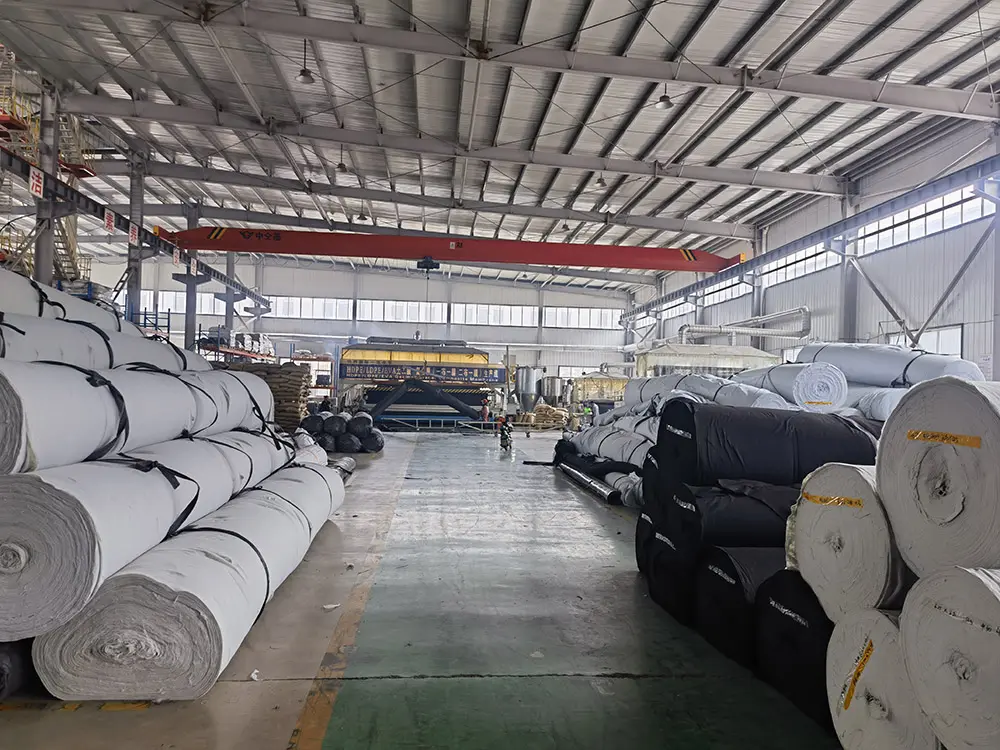 ISO Certified
Operating under ISO9001, ISO14001, and OHSAS18001 certifications, Taian Changhong ensures that every stage of production—from raw material extrusion to final packaging—is monitored. Our operations team includes 3 chief chemical process engineers, 5 mechanical engineers, and 9 dedicated equipment operators, bringing decades of field experience to our production floor.
Our testing facilities are equipped to run continuous quality checks on key physical properties, including:
This systematic focus on quality allows us to maintain a low defect rate and consistently meet the design standards of complex international infrastructure projects.
Key technical specifications and criteria for evaluating erosion control mats and geosynthetic liners.
For international procurement teams, selecting an erosion mat or geomembrane supplier involves assessing complex technical specifications to ensure compatibility with site requirements. A reliable product must balance tensile strength, flexibility, chemical resistance, and hydraulic capacity.
HDPE offers exceptional chemical and UV resistance, making it ideal for waste containment and water storage. LLDPE provides higher flexibility, which is beneficial for sites subject to differential settlement. EVA and ECB options offer extra elasticity, suitable for complex structures like tunnels and subgrades.
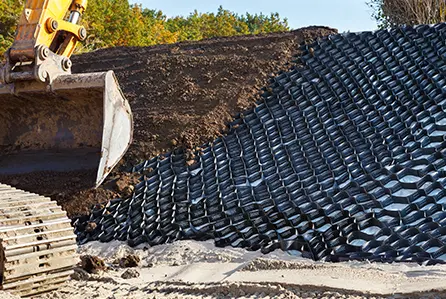
Erosion control mats must withstand expected hydraulic shear stresses. In high-flow channels, multi-layered or reinforced structures like three-dimensional geocells are used to secure soil and root systems, preventing washouts.
Top factories test their materials against international standards, including ASTM D5199 for thickness, ASTM D6693 for tensile performance, and ASTM D5397 for stress cracking resistance. Buyers should request standard test reports for all delivered batches.
Providing containment, filtration, and structural reinforcement across diverse infrastructure settings.
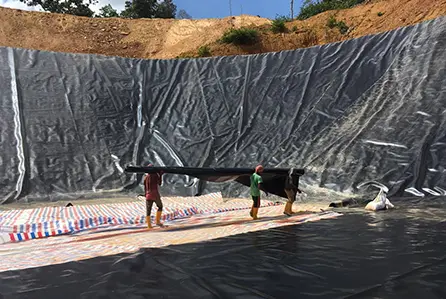
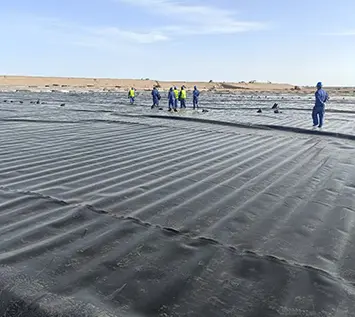
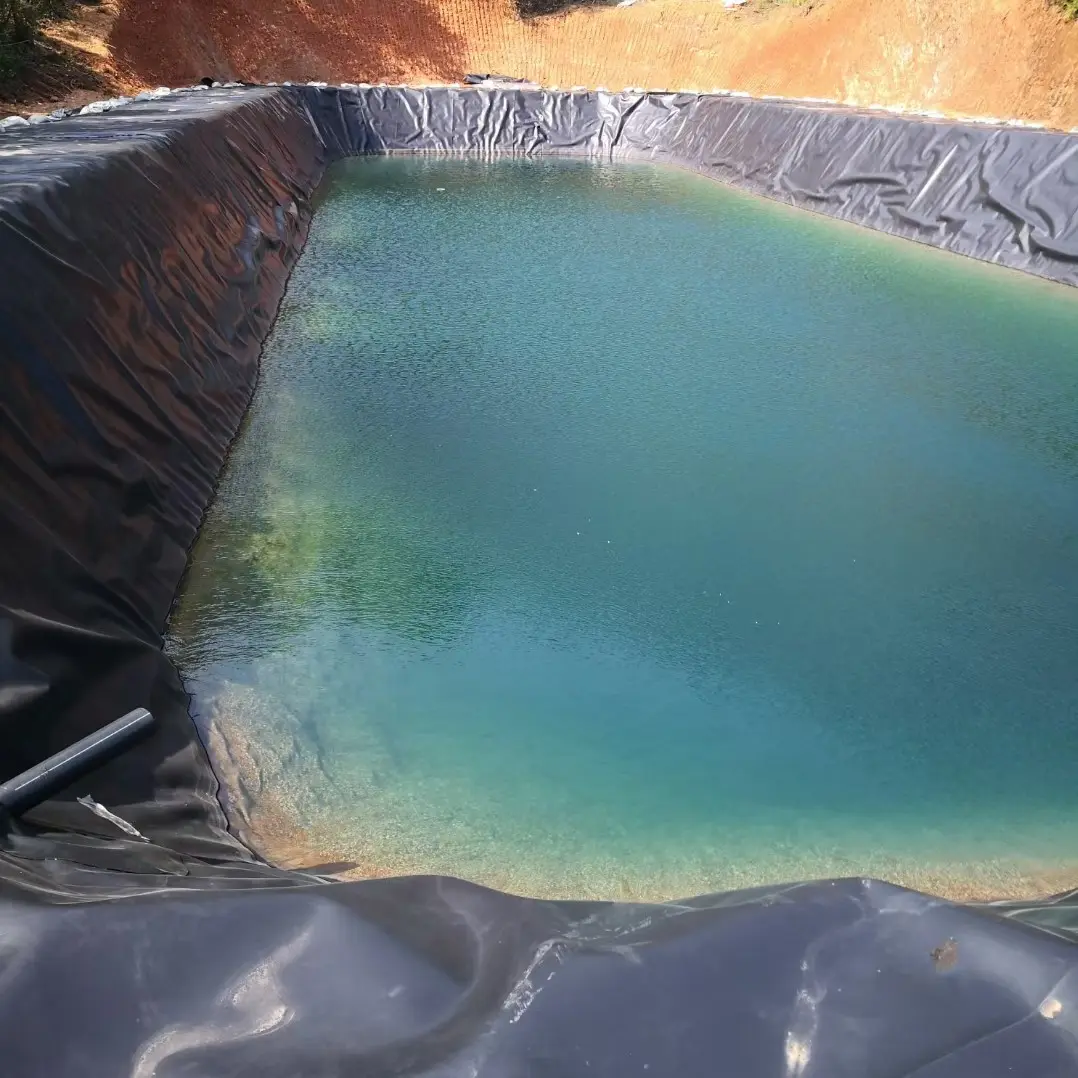
Smooth and textured geomembranes provide dependable containment barriers for municipal solid waste landfills, industrial slag storage yards, and chemical containment ponds, protecting local groundwater from contamination.
Integrated siphonic drainage systems, water collection plates, and plastic blind drains help manage stormwater runoff, reduce urban flooding risk, and improve water recycling efficiency in modern green cities.
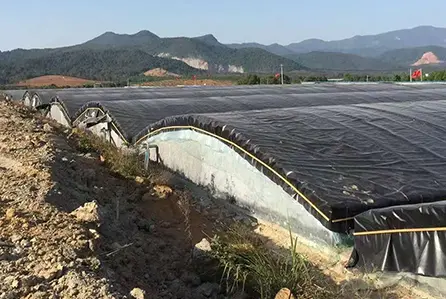
Reinforcing irrigation canals, dams, and reservoirs with non-woven geotextiles and geomembrane liners prevents seepage losses and protects embankment slopes from hydraulic scouring.
High-grade chemical-resistant liners prevent leachate loss in heap leaching operations and contain tailings slurry safely in remote mine sites, supporting environmental compliance.
Non-woven geotextiles and geocells distribute mechanical loads over weak subgrade soils, preventing cracking and extending the operational life of highway and railway structures.
Continuous quality monitoring ensures our geosynthetic rolls are prepared for overseas transit and immediate field deployment.
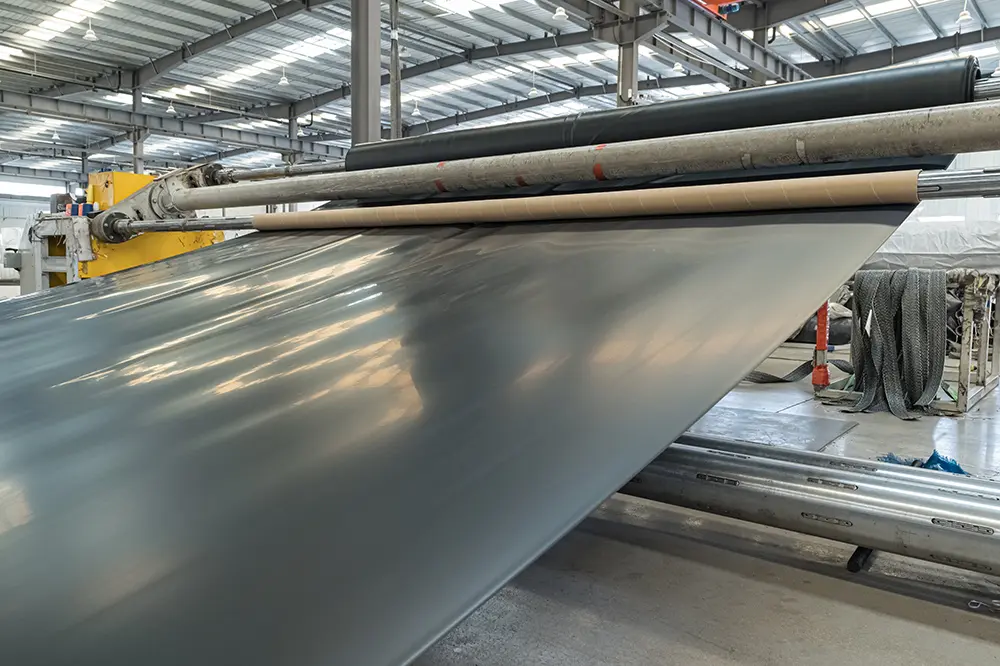
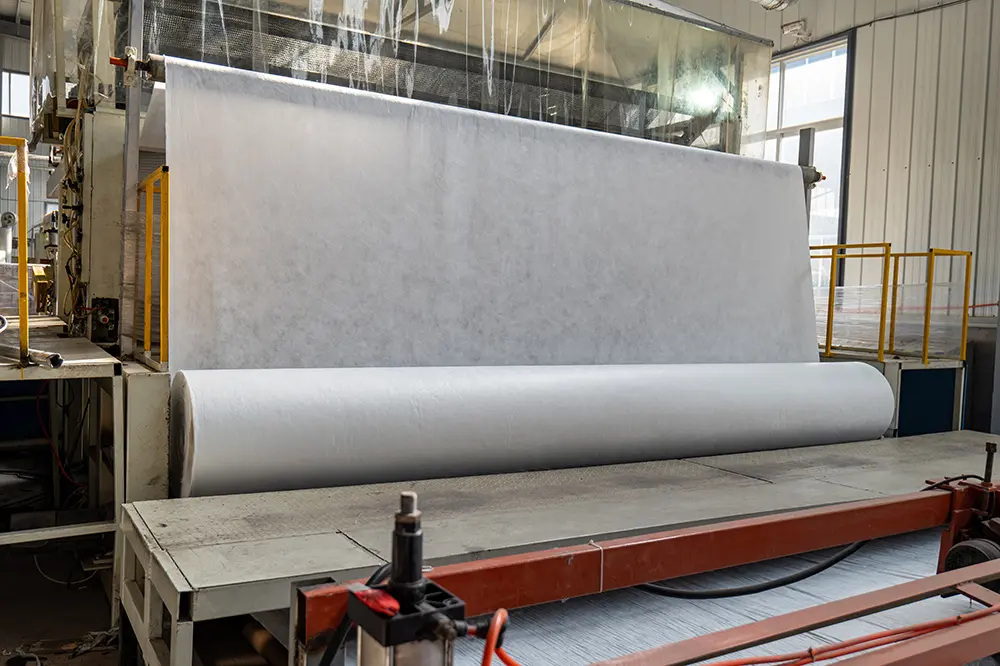
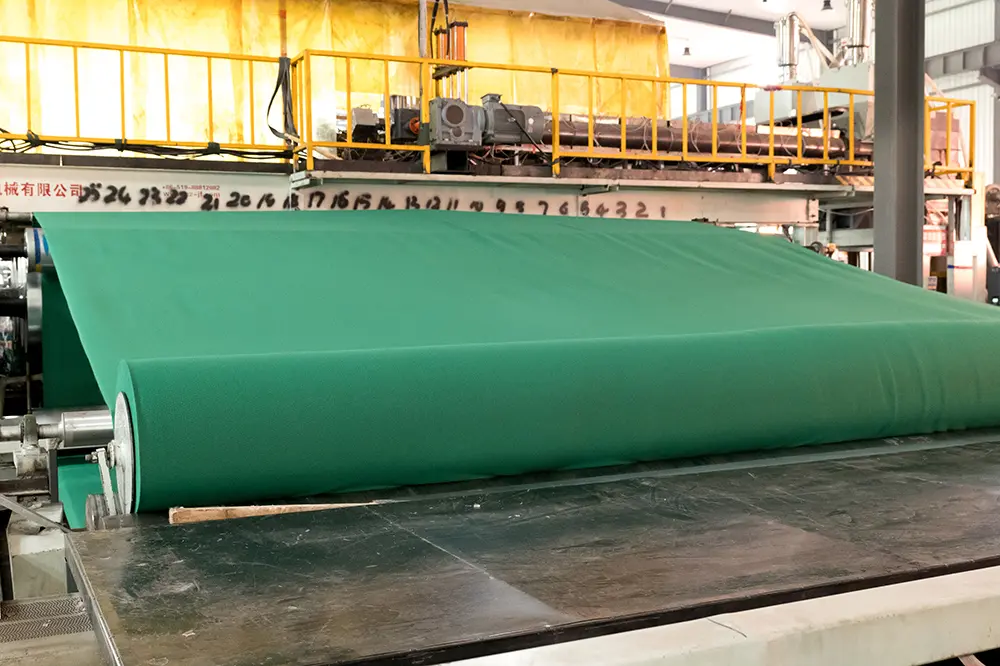
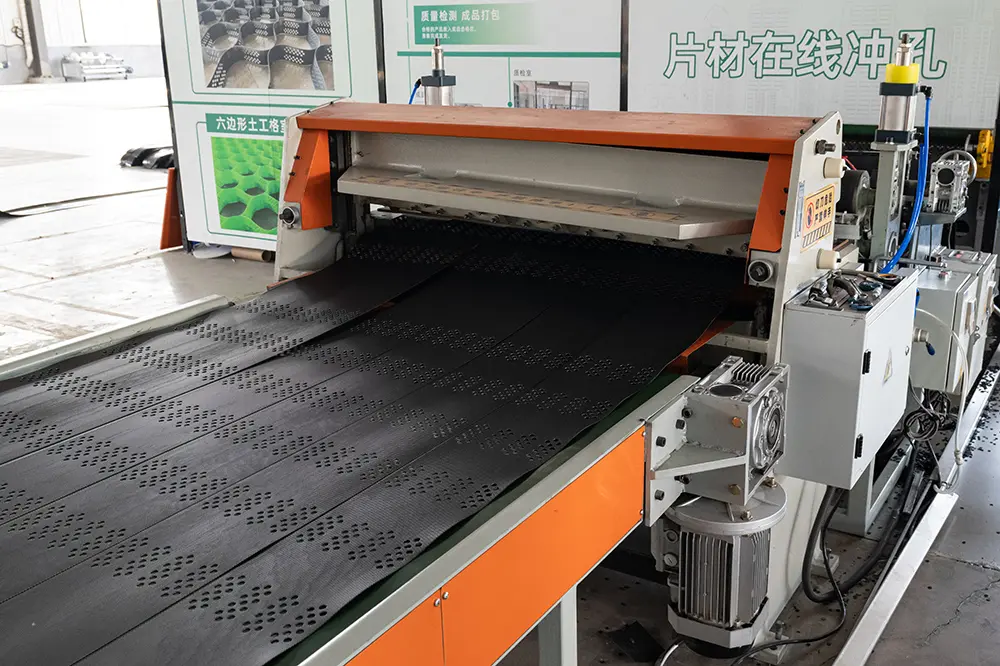
Highlighting our geosynthetic and erosion control solutions in key infrastructure installations worldwide.
Expert answers addressing durability, design criteria, and procurement processes.
Smooth geomembranes are ideal for flat containment areas where ease of installation and low friction resistance are preferred. Rough (textured) geomembranes are manufactured with surface projections that increase friction coefficients. This texture helps prevent soil sliding along slopes and prevents protective cover soils from sliding down steep grades.
Polyester geotextiles offer good tensile strength and creep resistance at a cost-effective price point, making them suitable for typical drainage and filtration applications. Polypropylene geotextiles provide superior resistance to high-alkaline and acidic environments. PP is often specified for waste management systems and projects with challenging soil chemistry.
High-quality HDPE geomembranes formulated with adequate carbon black and anti-oxidants can last over 30 to 50 years even when exposed to direct sunlight. When buried under protective soil layers, their service life can exceed 100 years, depending on chemical exposure and mechanical load profiles.
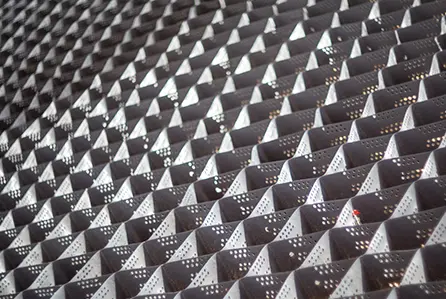
Geocells utilize a three-dimensional honeycomb structure that confines infill materials (such as soil, sand, or concrete). This containment limits lateral particle movement, protecting the slope against hydraulic shear forces and wind erosion while allowing vegetation to establish root systems.
Yes, we specialize in producing double-color geomembranes (typically black and white/light green). The light-colored top layer reflects sunlight, reducing heat absorption and thermal expansion wrinkles during installation. It also makes detecting surface damage or punctures easier during the quality control walkthrough.
We maintain trace records for all incoming resin batches. Our lab tests batch properties like melt flow index, density, and oxidative induction time (OIT). We adjust extrusion parameters to ensure that customized polymer blends (HDPE, LDPE, EVA, ECB) match the mechanical performance specifications defined by the client.
Access our full inventory of geosynthetic liners, subgrade geotextiles, and advanced drainage solutions.
Explore resources covering correct installation methodologies and material specifications.
Our engineering team provides project evaluations, design support, and custom material formulation services. Contact us today to discuss your site's physical parameters and delivery schedule.
Contact Our Engineering Team Changhong