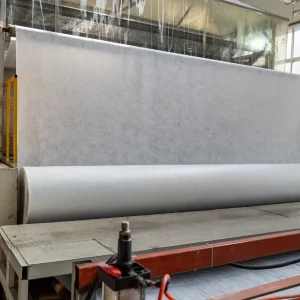
Explore our foundational range of certified environmental barriers, drainage grids, and soil stabilization structures engineered to international QA/QC specifications.
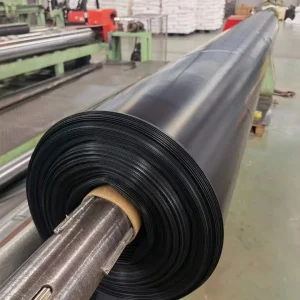
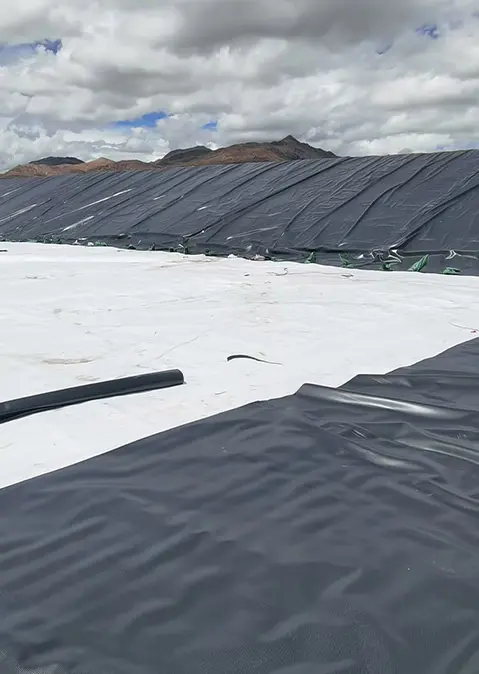
Low-Density Polyethylene (LDPE), along with its structural co-polymers like LLDPE and EVA, constitutes a critical category of flexible barrier films in geotechnical engineering. Known for its low crystallinity, high molecular weight distribution, and remarkable flexibility, LDPE is optimized for environments where settlement, high elongation capacity, and precise chemical protection are non-negotiable.
In municipal municipal construction, mining operations, and soil sealing projects across the globe, specifying the right polymer structure is critical. LDPE's native flexibility enables it to conform perfectly to uneven earthworks, preventing cracking and tensile failures under load. Through optimized masterbatch formulas containing carbon black, specialized heat stabilizers, and UV inhibitors, modern Chinese factories now produce high-performance LDPE liners capable of exceeding 50 years of service life.
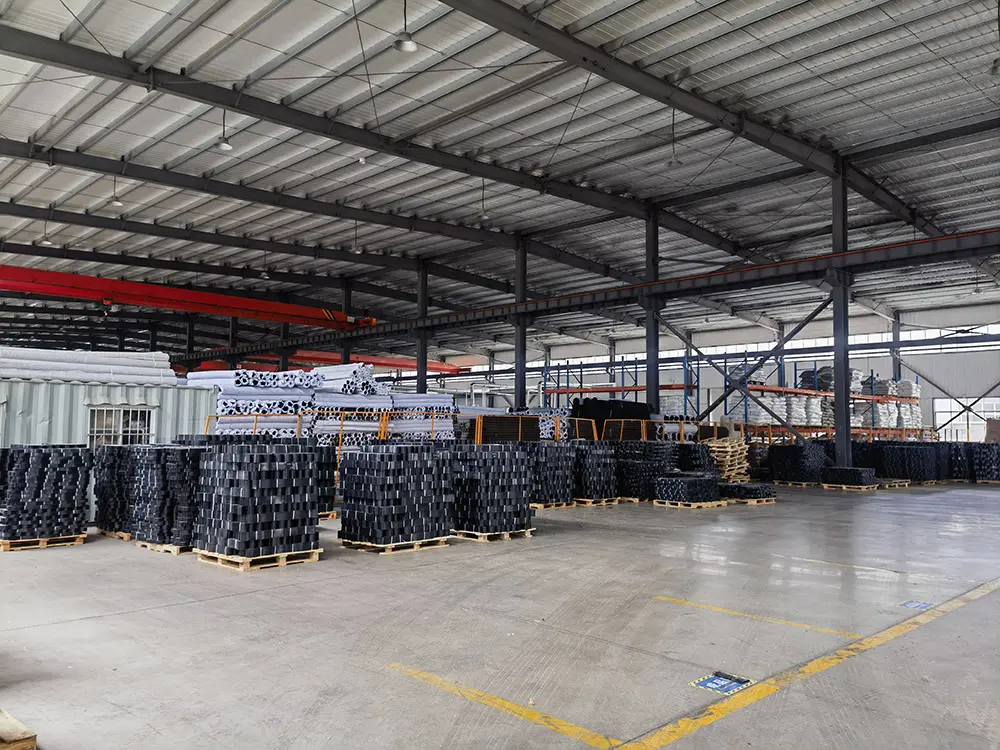
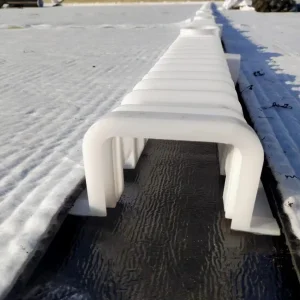
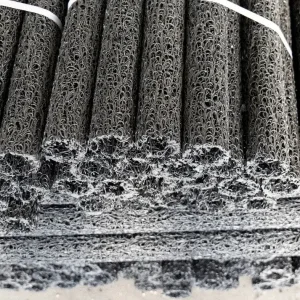
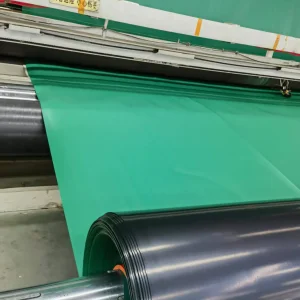
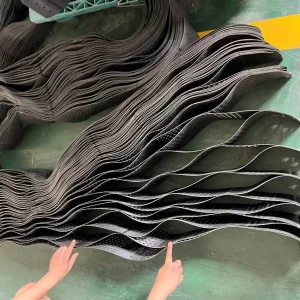
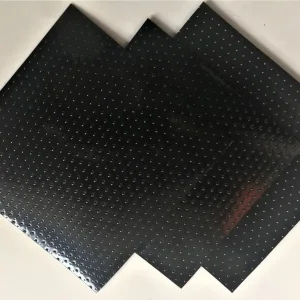
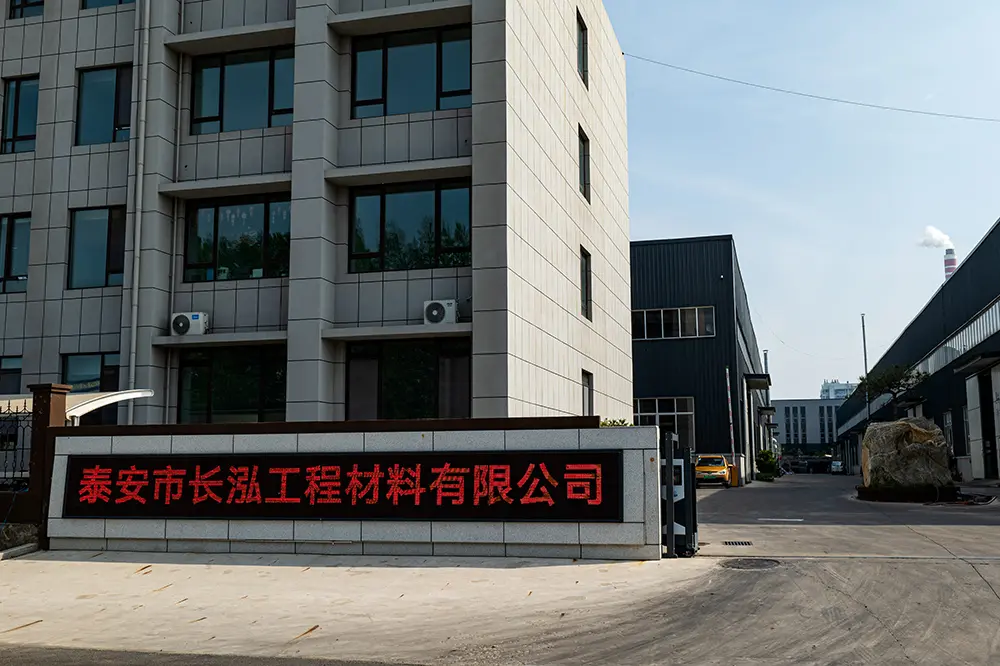
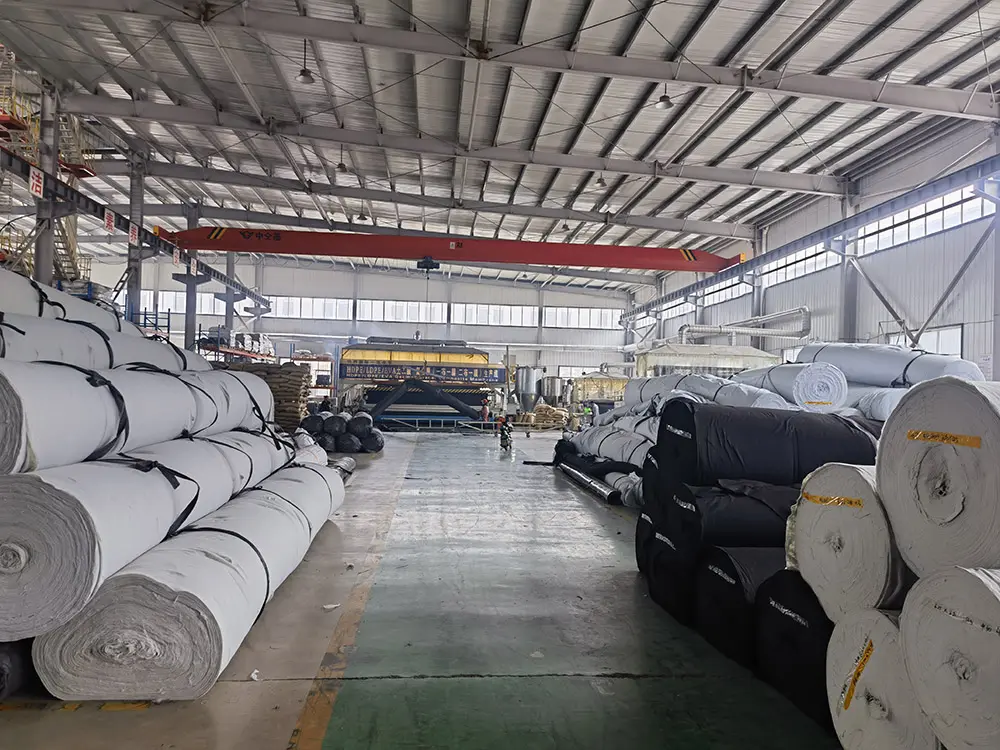
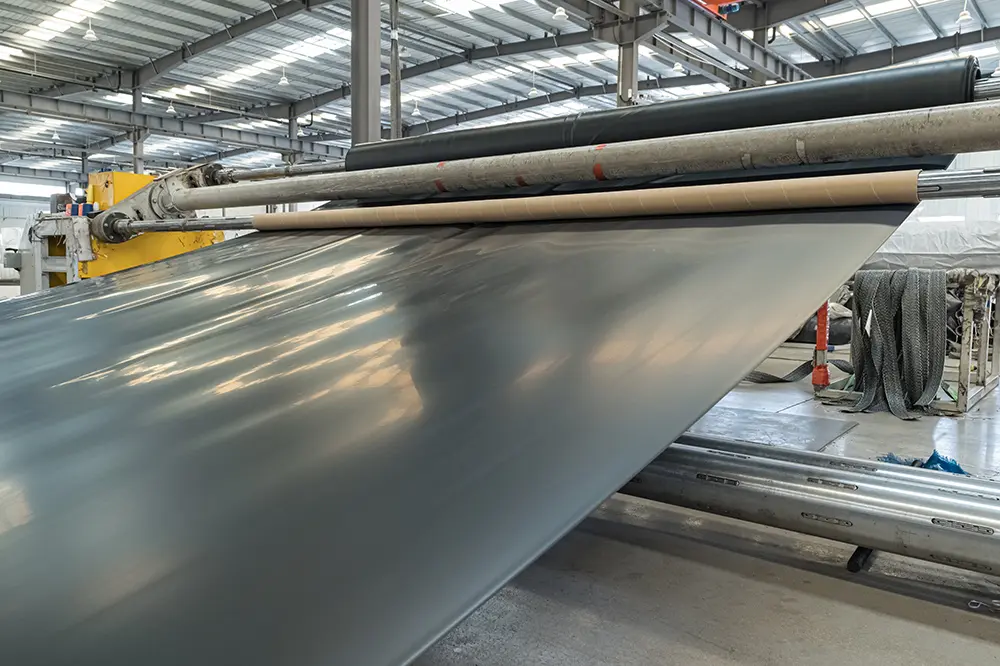
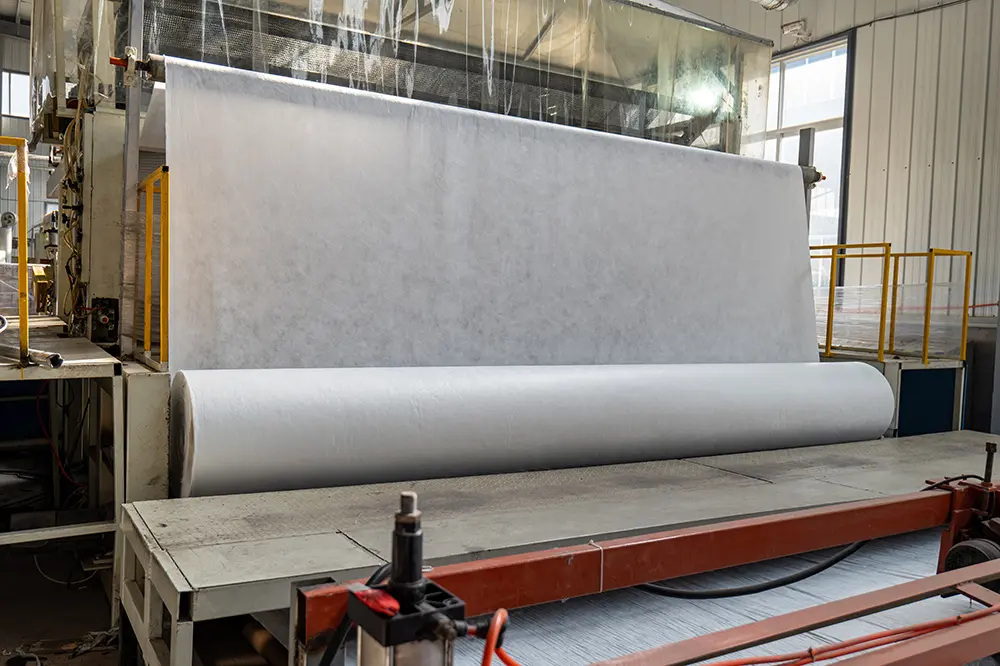
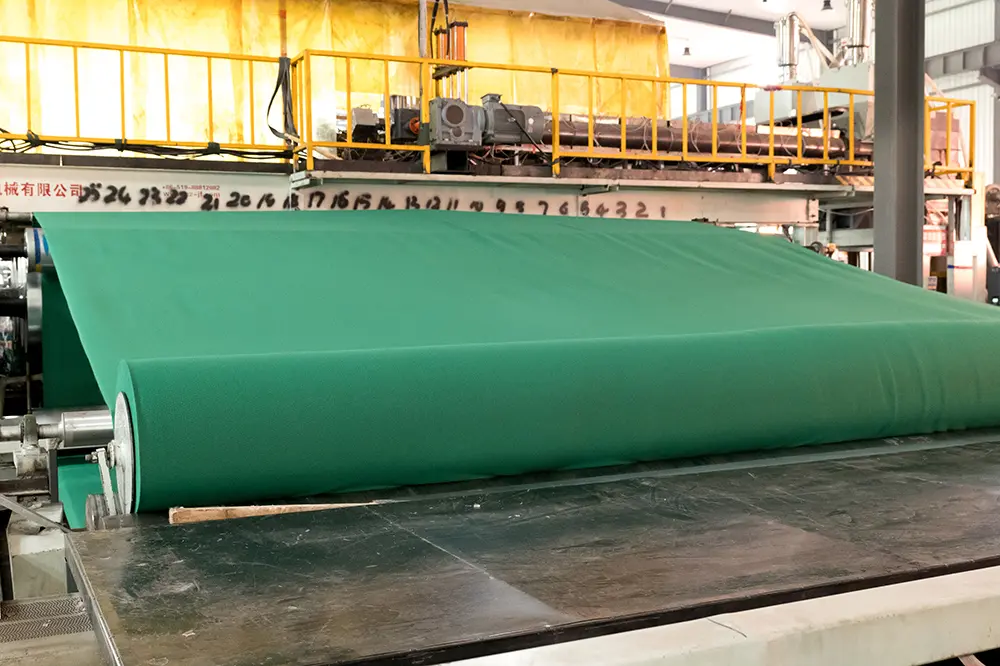
Taian Changhong Engineering Materials Co., Ltd. is a premier manufacturer and technological innovator in the geosynthetics industry. The enterprise specializes in the production of smooth geomembranes, rough geomembranes, double-color geomembranes, and comprehensive geotextiles (including polyester short fiber non-woven, polyester long fiber non-woven, polypropylene short fiber non-woven, and hot-rolled variations). Our manufacturing base features advanced production lines for drainage boards, drainage nets, geogrids, geocells, flexible permeable pipes, and plastic blind drains, ensuring an extensive supply capability for multi-disciplinary global projects.
We pride ourselves on our technical personnel and high-precision testing infrastructure. Supported by 3 chief chemical process engineers, 5 mechanical engineers, and 9 professional equipment operation engineers, the stability of our polymer formulations is continually verified to exceed ASTM international standards. By utilizing long-term, stable raw material supply relationships and strict proprietary formulations, we deliver customized geomembranes using high-grade HDPE, LDPE, EVA, and ECB resins according to specific project demands.
Why international engineering projects source from domestic industrial clusters like Taian.
From extreme cold elasticity to high-heat stability, our engineers formulate custom LDPE, EVA, and LLDPE sheets utilizing tailored masterbatches to resist specific chemical and environmental loads.
Operating under strict compliance with ISO9001 quality, ISO14001 environmental, and OHSAS18001 safety guidelines, ensuring each roll matches structural engineering requirements.
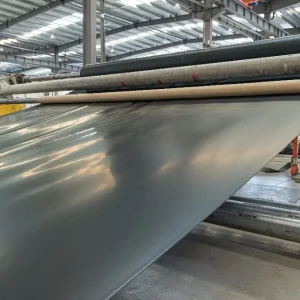
Equipped with modern extrusion blow-molding and calendering lines that ensure consistent thickness tolerance (meeting ASTM D5199), minimizing weak points in large-scale deployments.
A data-backed review of polymeric properties to align with your project's mechanical requirements.
| Property | High-Density Polyethylene (HDPE) | Low-Density Polyethylene (LDPE) | Ethylene Vinyl Acetate (EVA) | Linear Low-Density Polyethylene (LLDPE) |
|---|---|---|---|---|
| Density (g/cm³) | 0.940 - 0.965 | 0.910 - 0.925 | 0.925 - 0.945 | 0.915 - 0.930 |
| Tensile Elongation at Break (%) | > 700% | > 800% | > 850% | > 800% |
| Chemical Resistance | Outstanding (Acids, Bases, Solvents) | Excellent | Good (Highly flexible) | Very Good |
| Puncture Resistance | Excellent | Good | Outstanding (Self-healing potential) | Excellent |
| Primary Application | Landfills, Tailings Dams, Reservoirs | Tunnel waterproofing, Canal Linings | Roofs, Anti-seepage for Soft Soils | Waste Containment, Landfill Caps |
How our combined geosynthetics portfolio solves structural, hydraulic, and environmental challenges globally.
Seepage protection for heap leaching pads, tailings dams, and processing ponds. Our double-color geomembranes enable easy leak inspection while resisting harsh acidic and basic mining liquids.
Combined system utilizing geomembranes, geocells, and non-woven geotextiles to protect riverbeds, canals, and reservoirs against erosion, seepage loss, and structural degradation.
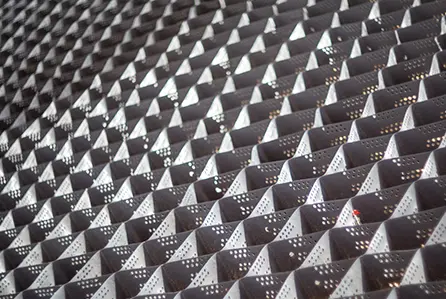
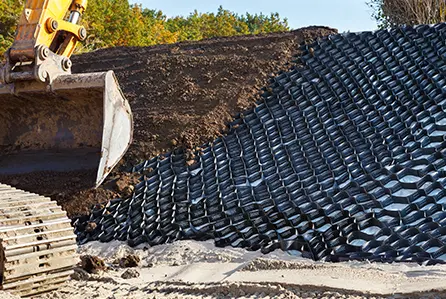
Roadbed and rail subgrade stabilization using high-tensile geogrids and geocells. Minimizes lateral soil movement, controls moisture distribution, and prevents differential settlement in soft soils.
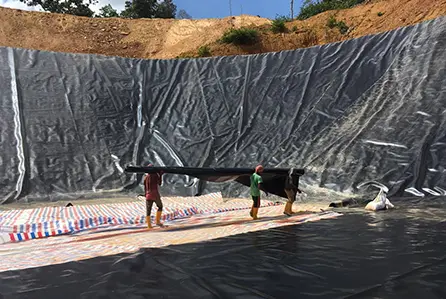
Safe and non-toxic LDPE/HDPE lining systems for aquaculture ponds (shrimp, fish, lotus root) and clean water reservoirs. Protects natural groundwater while maximizing pond containment.
Under rapid urbanization, traditional drainage models fail to handle massive runoff. The "Sponge City" concept solves this through natural storage, infiltration, and controlled drainage.
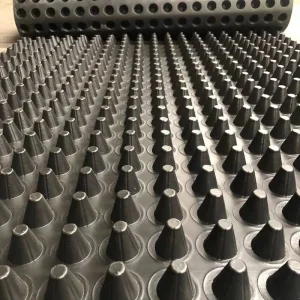
Our siphonic waterproof collection systems, combined with concave-convex drainage cells and plastic blind filter pipes, form a high-performance underground drainage corridor. These components collect, filter, and divert runoff, safeguarding structures against hydrostatic pressure while replenishing local aquifers.
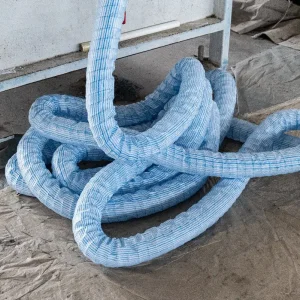
By pairing Changhong's flexible permeable pipes with our heavy-duty needle-punched filament geotextiles, engineers can design subgrade drainage layers that prevent siltation and maintain high hydraulic conductivity over decades.
Realized installations demonstrating the stability and versatility of Changhong geosynthetics.
Landfill Base Lining Project
Tailings Dam Containment Seaming
Quality Control Lab Evaluation
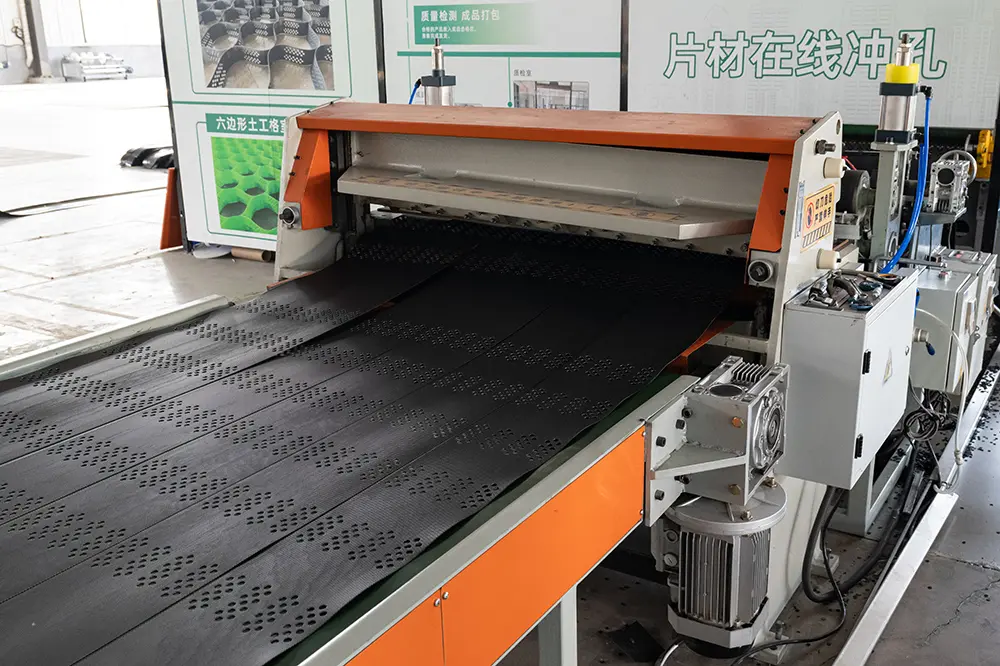
Export Logistics Preparation
A closer look at the welding, subgrade preparation, and quality control steps essential for geomembrane projects.
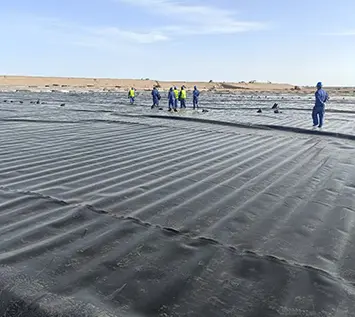
Proper welding temperature, subgrade preparation, and anchor ditch dimensions are critical. Learn how to prevent wrinkling and ensure structural stability on steep slopes.
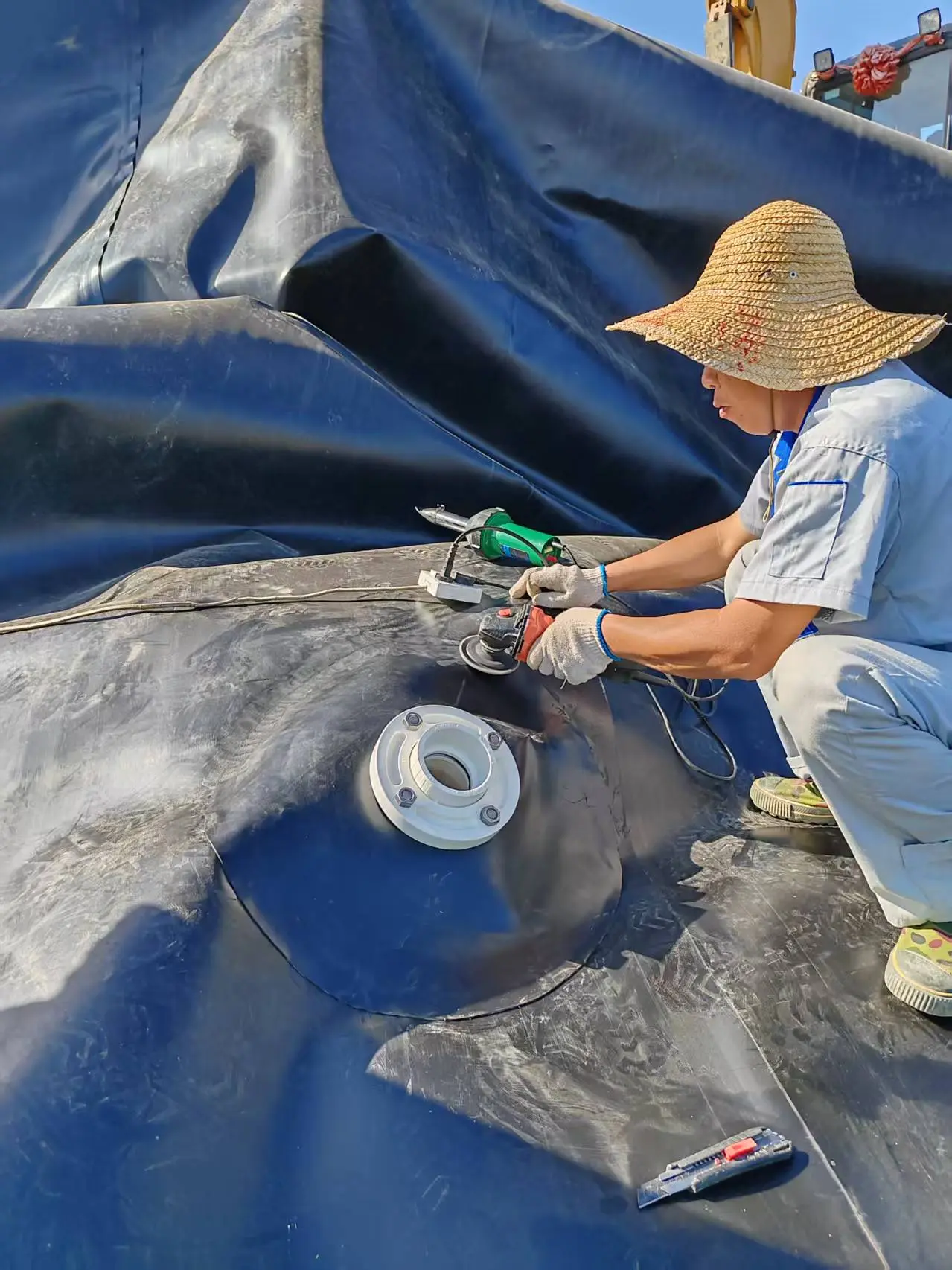
From dual-track air pressure testing to vacuum box testing for structural joints, explore standard practices to verify impermeable barrier integrity in the field.
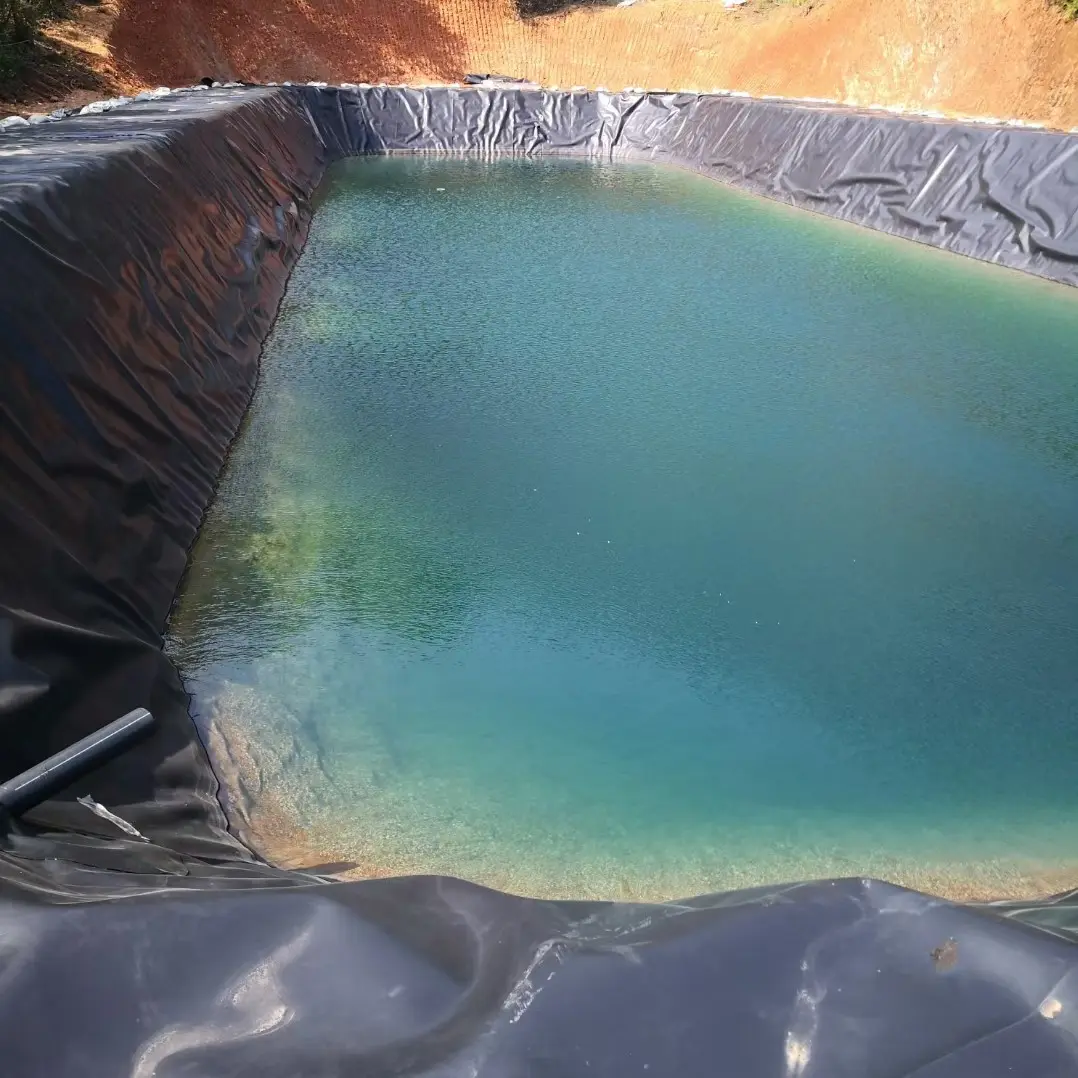
Understanding the chemical degradation mechanisms caused by UV exposure and aggressive chemical wastes. How antioxidants protect the polymer structure.
Answering key engineering questions regarding geomembranes and drainage systems.
Review the full collection of civil engineering, filtration, and water-diversion products manufactured by Changhong.
 Changhong