In the era of climate volatility and rapid urbanization, China's global leading silt mesh factories have evolved from simple manufacturers to high-tech solution providers. The global geosynthetics market is witnessing a paradigm shift, driven by the urgent need for sustainable infrastructure and environmental remediation.
Geosynthetic materials like geomembranes and silt meshes are no longer auxiliary; they are the backbone of civil engineering. From the expansion of "Sponge Cities" in Asia to massive tailings dam projects in South America, the demand for precision-engineered materials—resistant to UV, chemical corrosion, and seismic activity—is at an all-time high.
Our solutions integrate Hydrological Analysis, Geotechnical Reinforcement, and Eco-Restoration to address the complex challenges of modern construction.
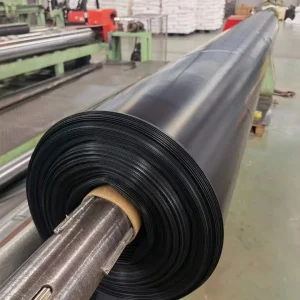
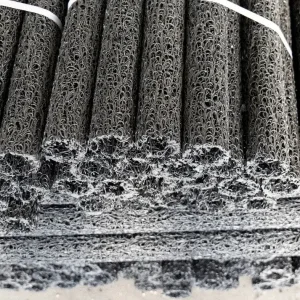
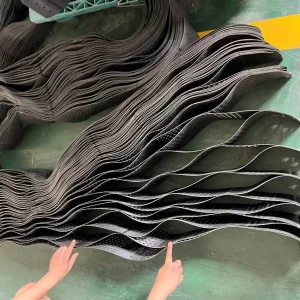
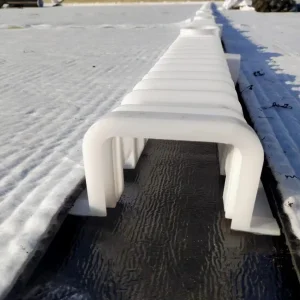
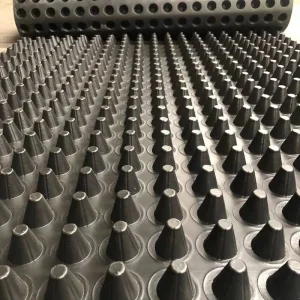
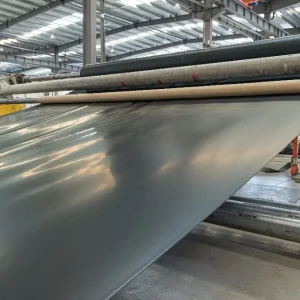
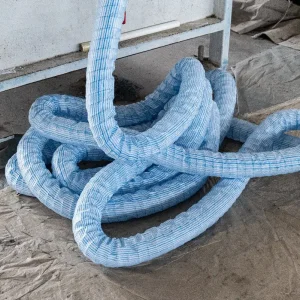
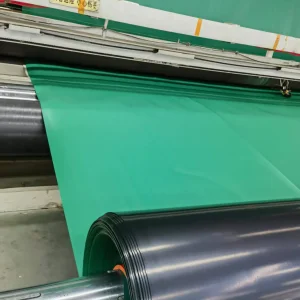
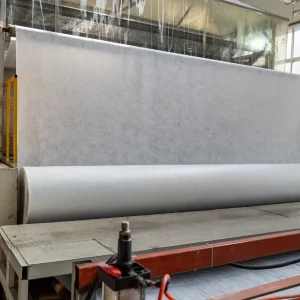
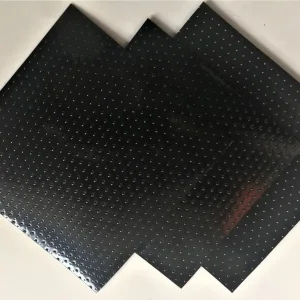
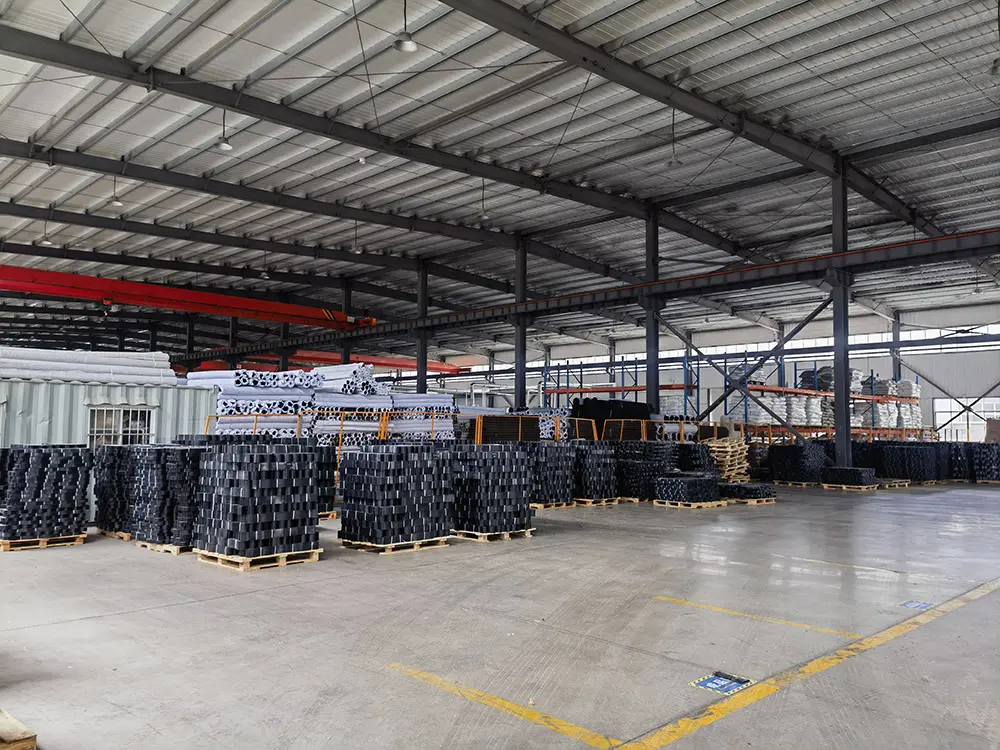
The company specializes in the production of smooth geomembrane, rough geomembrane, double color geomembrane, geotextiles (polyester short fiber non-woven fabric, polyester long fiber non-woven fabric, polypropylene short fiber non-woven fabric, hot-rolled non-woven fabric), drainage board, drainage net, geogrid, geocell, flexible permeable pipe, plastic blind drain and other environmentally friendly geosynthetic materials.
Relying on a long-term and stable raw material supply system and strict product formulas, we can customize various material products such as HDPE, LDPE, EVA, and ECB according to customer needs. Our products feature anti-aging properties, long service life, and are non-toxic, making them ideal for the most demanding environments.
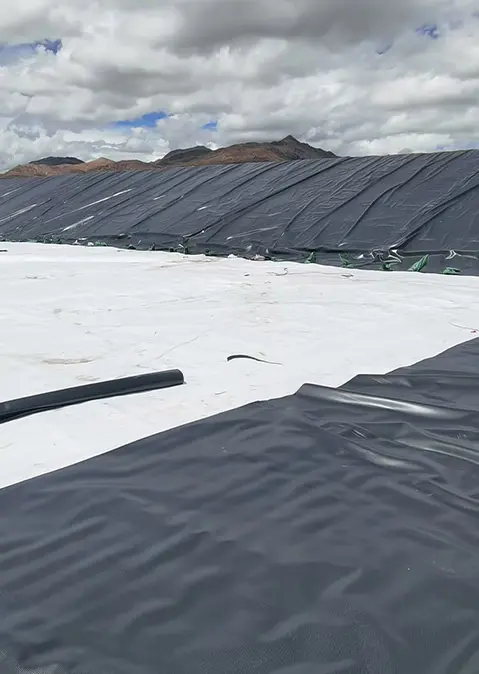
Advanced anti-seepage systems for landfills, biogas digesters, and sewage treatment ponds. Our HDPE liners ensure zero-leakage, protecting groundwater from hazardous leachates.
Ecological pond liners for shrimp and fish farming. UV-resistant and non-toxic materials that support healthy aquatic ecosystems while preventing water loss.
Implementing Sponge City siphonic drainage and underground pipe gallery waterproofing. Essential for subways, tunnels, and high-speed rail subgrades.
Rugged solutions for tailing dams, heap leaching tanks, and ash storage yards. Resistant to extreme chemical pH levels and high pressure.
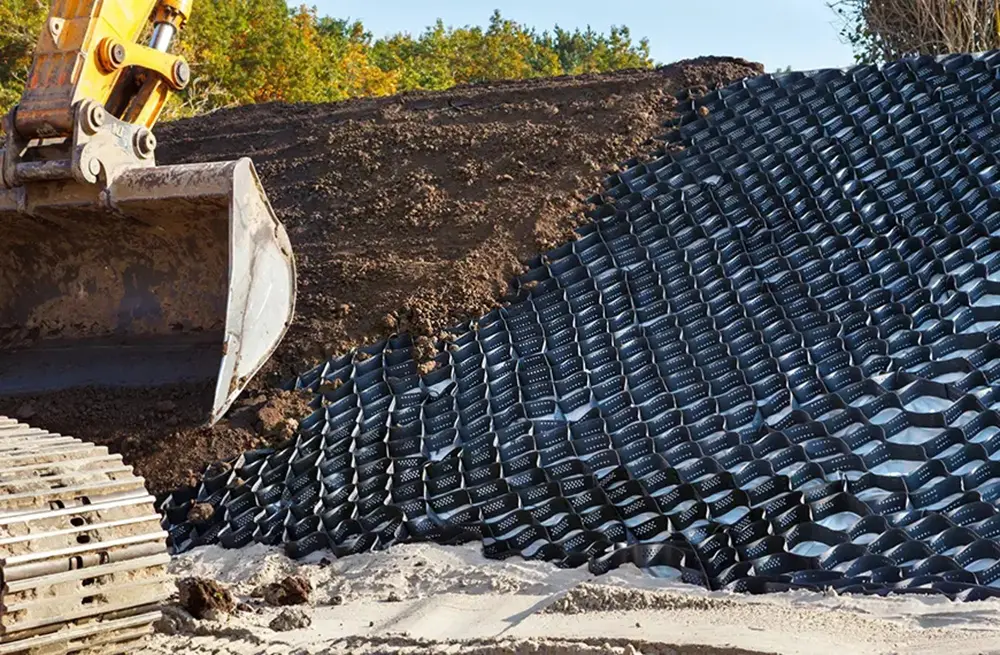
Reinforcement of dams, canals, and reservoirs. Our geotextiles and geocells prevent soil erosion and maintain structural integrity during floods.
Our R&D focuses on "Smart Silt Meshes"—materials integrated with sensor-ready filaments to monitor soil tension and moisture in real-time. We are committed to the circular economy by increasing the use of high-grade recycled polymers without compromising tensile strength.
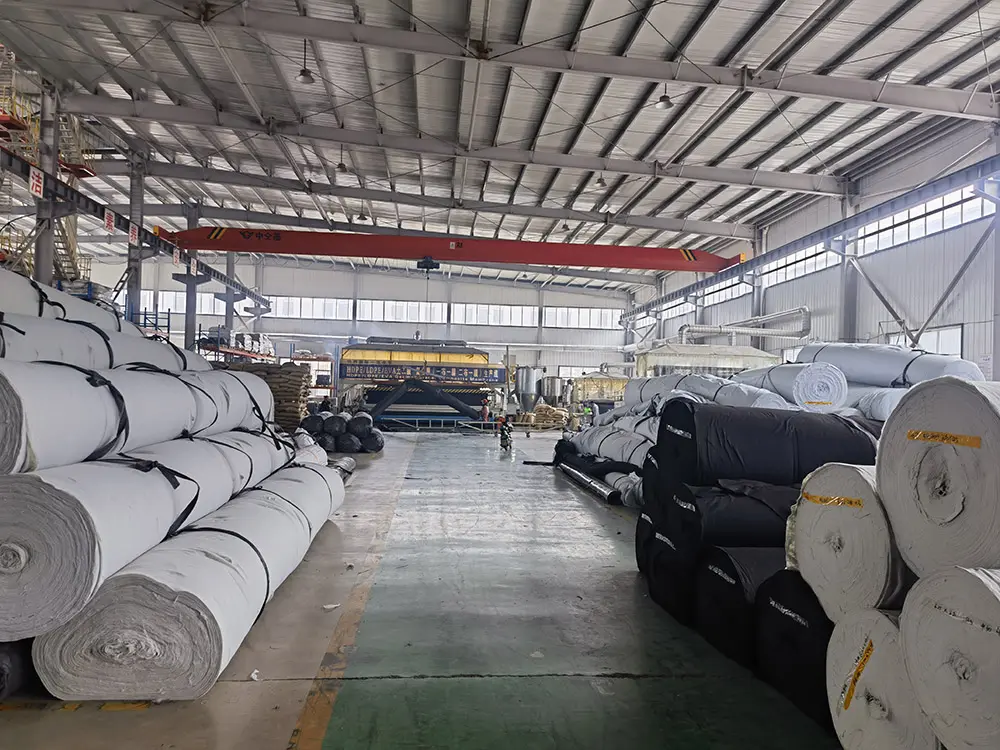
Our internal laboratories utilize advanced testing equipment to ensure every roll of geomembrane meets ASTM, GRI-GM13/17, and ISO standards. From thickness uniformity to puncture resistance, we leave no room for error.
With strategic proximity to major shipping hubs, we provide DDP/CIF services to over 50 countries. Our logistics team handles complex customs documentation, ensuring on-time delivery for critical project timelines.
We don't just sell products; we provide technical consultation and installation guidance. Our team of 9 professional equipment operation engineers is available for remote or on-site project evaluation.
Proven excellence across diverse engineering landscapes.
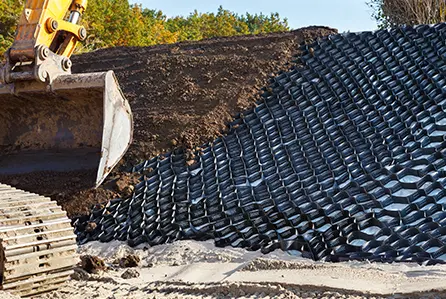 Riverbank Embankment
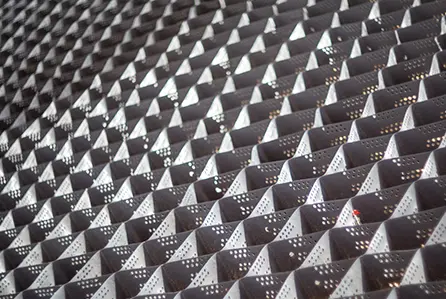 Subgrade Reinforcement
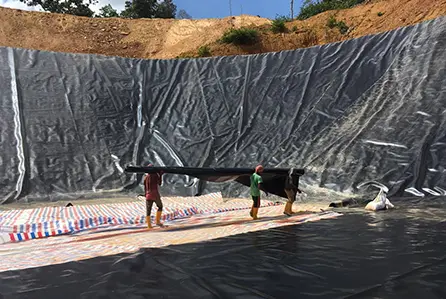 Reservoir Anti-seepage
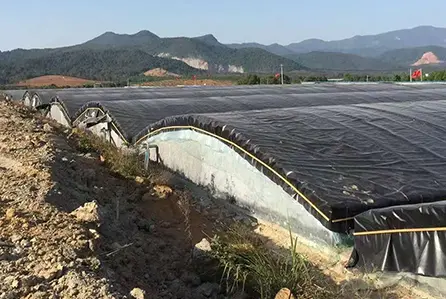 Greenhouse Shading
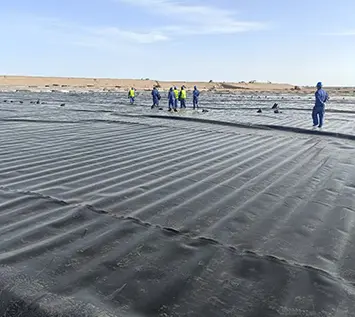 Geomembrane Construction
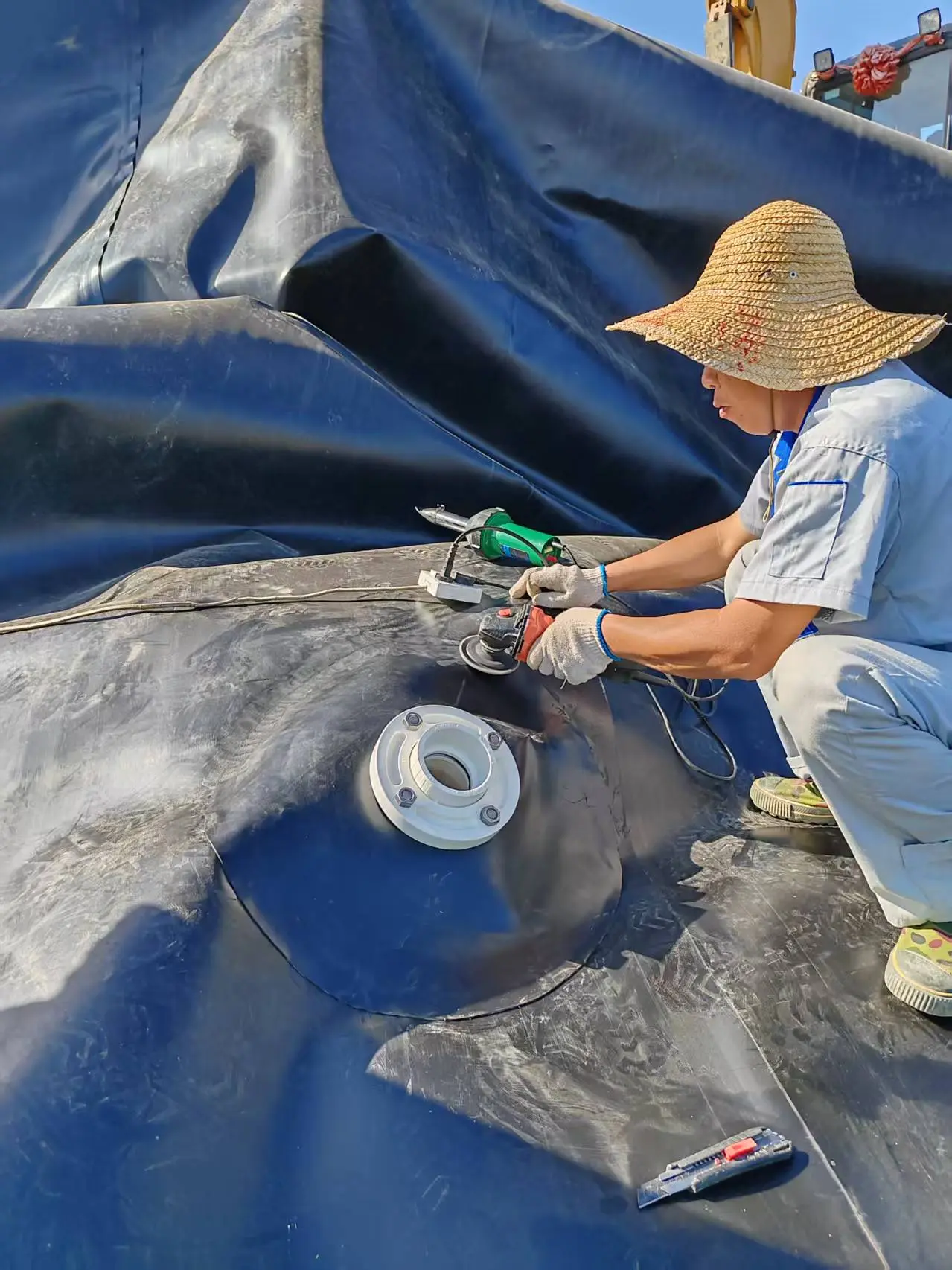 Testing Methods
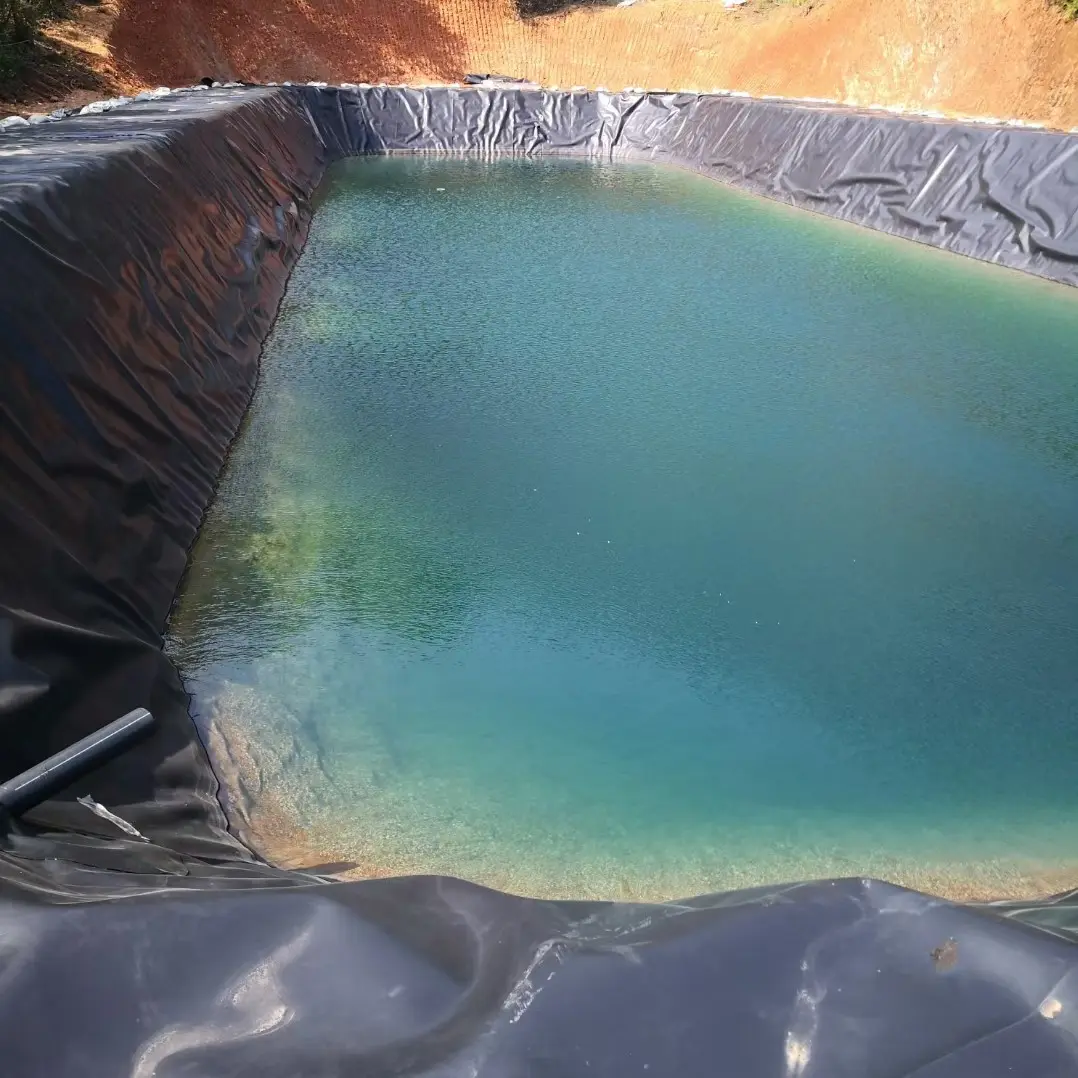 Geomembrane Application
 Site Inspection
 Changhong