Explore our engineering-grade components designed to protect environmental assets and reinforce critical civil infrastructure worldwide.
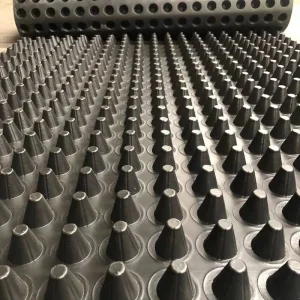
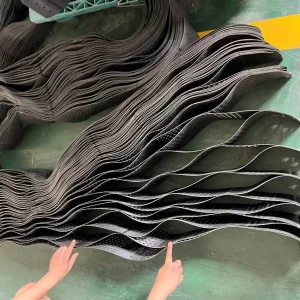
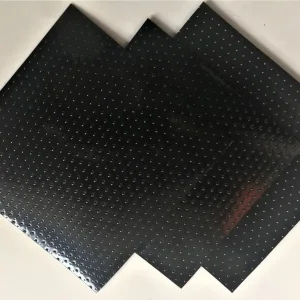
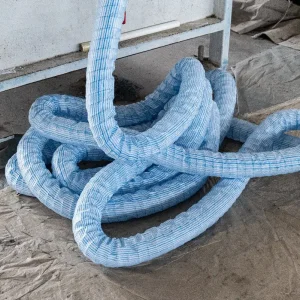
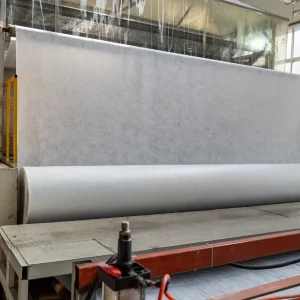
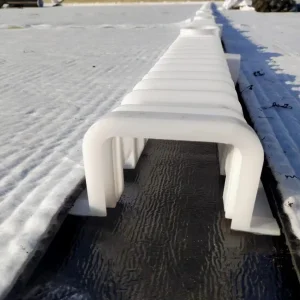
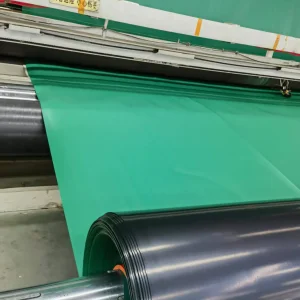
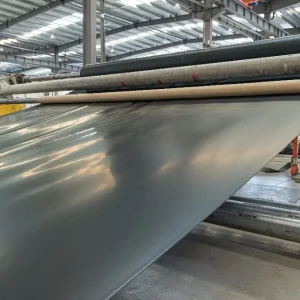
In modern civil engineering, geotechnical separation, containment, and fluid flow control are critical to structural success. Standard plastic sheets are no longer sufficient. Environmental engineering requires high-performance, custom-formulated Barrier Geomembrane (BGM) liners, Bentonite Geosynthetic Clay Liners (GCLs), and specialized polyethylene barrier systems to manage complex conditions.
Whether designing a double-lined hazardous waste landfill, reinforcing a deep-drainage railway subgrade, or engineering a municipal sponge city system, selecting the correct barrier is critical. As specialized custom BGM liner suppliers and manufacturing partners, Taian Changhong Engineering Materials Co., Ltd. combines advanced polymer chemistry with geotechnical manufacturing to deliver high-performance barrier products.
"Geosynthetics do not merely cover the soil; they alter its structural behavior, establishing a permanent barrier between hazardous industrial waste and the natural ecosystem."
A comprehensive comparison of high-density polymers and composite barriers used in modern containment engineering.
| Material Type | Key Polymer / Composition | Primary Technical Advantages | Optimal Applications | Typical Thickness Range |
|---|---|---|---|---|
| HDPE (High-Density Polyethylene) | Pure homopolymer or copolymer with carbon black & UV stabilizers | Excellent chemical resistance, high UV stability, low permeability, stress-crack resistant | Municipal landfills, hazardous waste containment, heap leach pads, chemical plant slag yards | 0.5mm – 3.0mm |
| LDPE / LLDPE | Linear Low-Density Polyethylene with enhanced elasticity | Superior flexibility, high elongation metrics, easily conforms to irregular soil configurations | Agricultural fish and shrimp ponds, ornamental artificial lakes, canal linings, temporary covers | 0.2mm – 2.0mm |
| EVA (Ethylene Vinyl Acetate) | Copolymer of ethylene and vinyl acetate | Extremely high puncture resistance, low-temperature flexibility, excellent welding compatibility | Railway tunnels, subway underpasses, underground foundation waterproofing systems | 1.0mm – 2.5mm |
| ECB (Ethylene Copolymer Bitumen) | Ethylene copolymer blended with high-grade bitumen | Self-healing properties under pressure, durable tear-resistance, optimal root barrier capabilities | Roof garden insulation, heavy-duty hydraulic structures, bridge deck isolation systems | 1.5mm – 3.0mm |
Selecting the correct polymer formula is crucial. For instance, using a standard HDPE liner in a railway tunnel instead of an EVA or ECB barrier can lead to stress-cracking under cyclic loading and shear forces. Similarly, utilizing a thin LDPE where heavy chemical leachates are present can lead to polymer degradation. Taian Changhong provides custom engineering formulations to match specific site chemistry and mechanical loads.
Combining state-of-the-art polymer extrusion technology, rigorous quality systems, and certified engineering expertise.
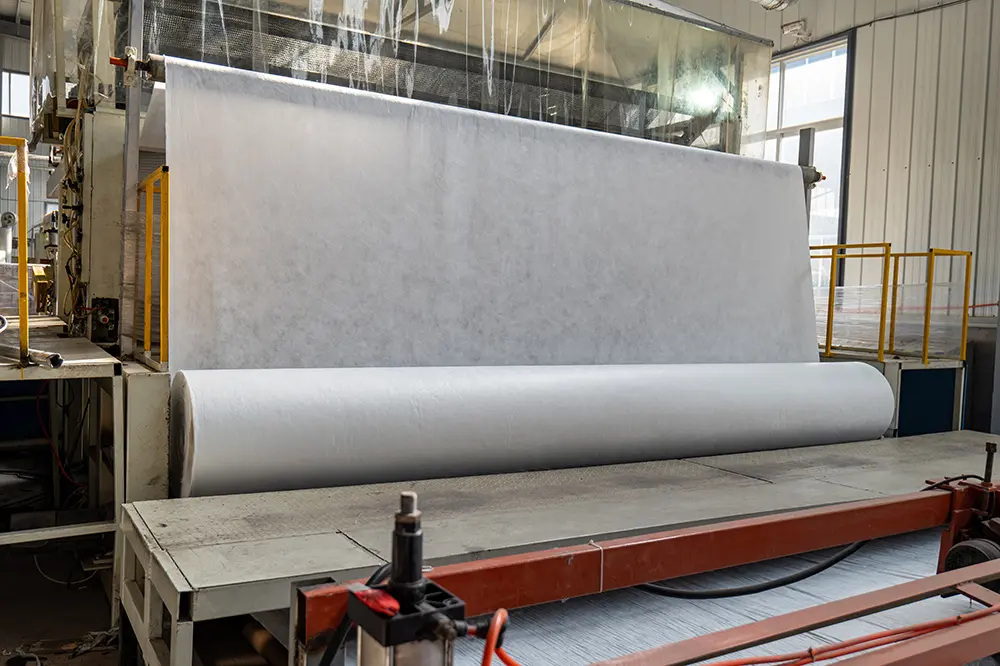
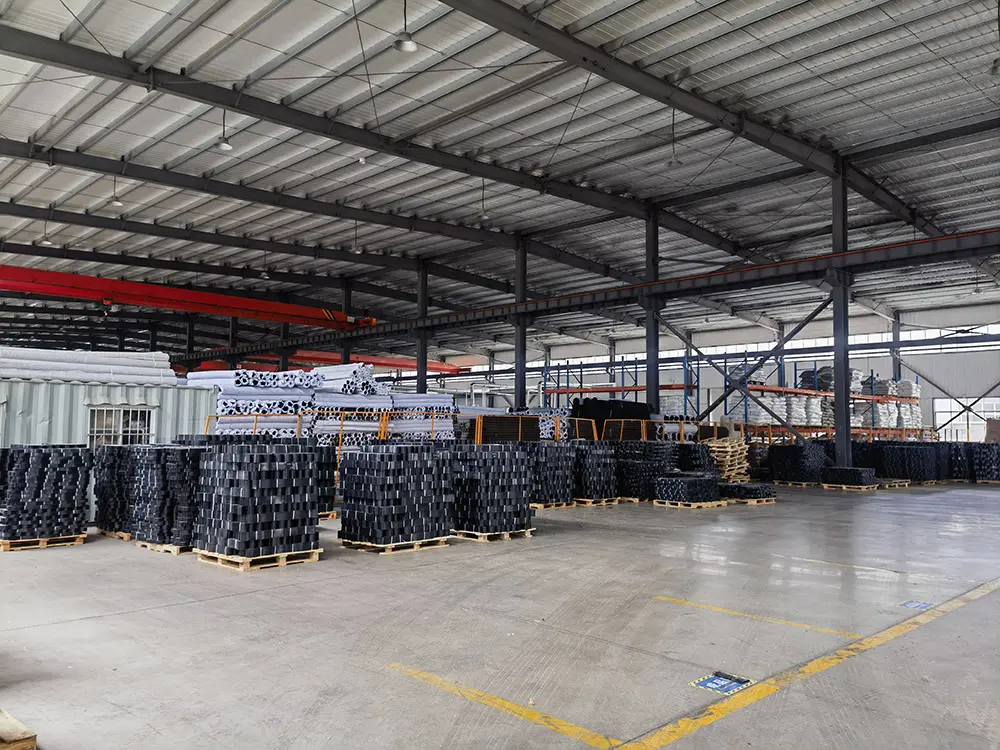
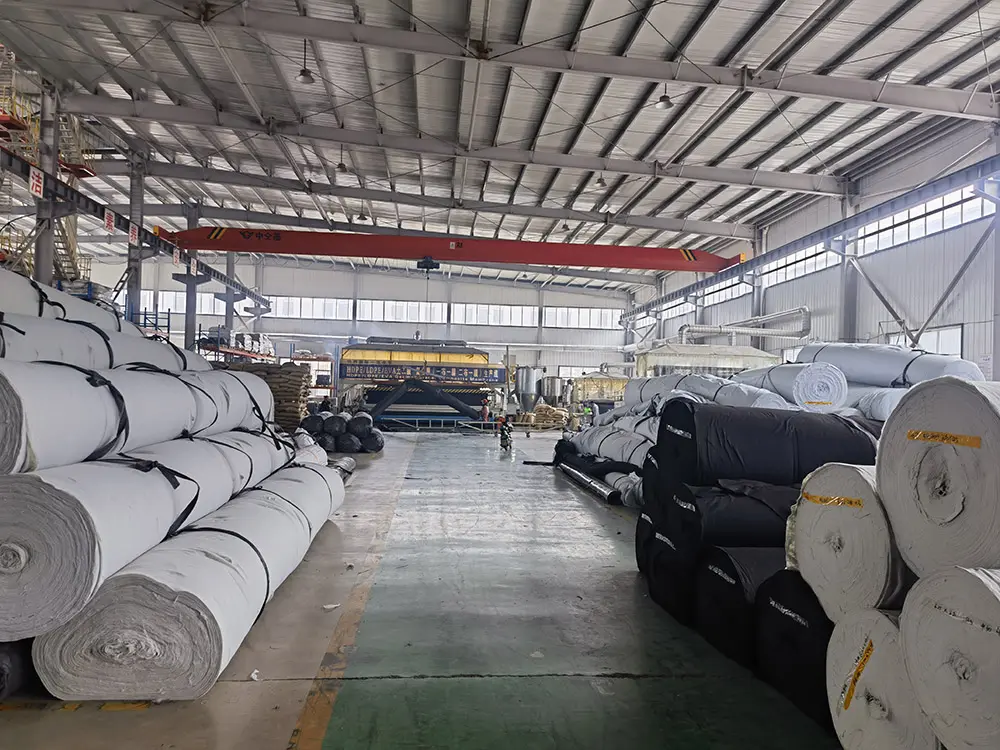
Taian Changhong’s manufacturing facility has passed the ISO9001 Quality Management, ISO14001 Environmental Management, and OHSAS18001 Occupational Health and Safety certifications. This structured operating framework guarantees that every roll of geomembrane, drainage cell, or geocell meets global engineering standards.
We source virgin resins directly from major global petrochemical producers, guaranteeing no recycled contaminants impair tensile strength.
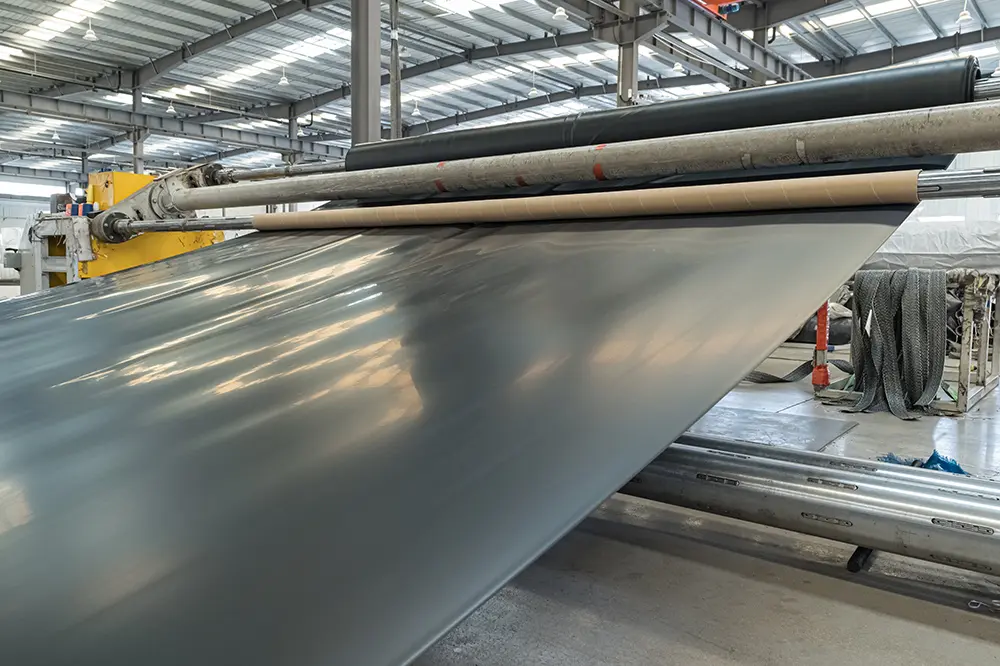
Equipped with wide-width extrusion lines, we produce seamless geomembranes up to 8 meters wide, reducing the count of critical field welds by 40%.
Every production run undergoes physical property evaluations: carbon black dispersion, wide-width tensile tests, puncture resistance, and hydrostatic testing.
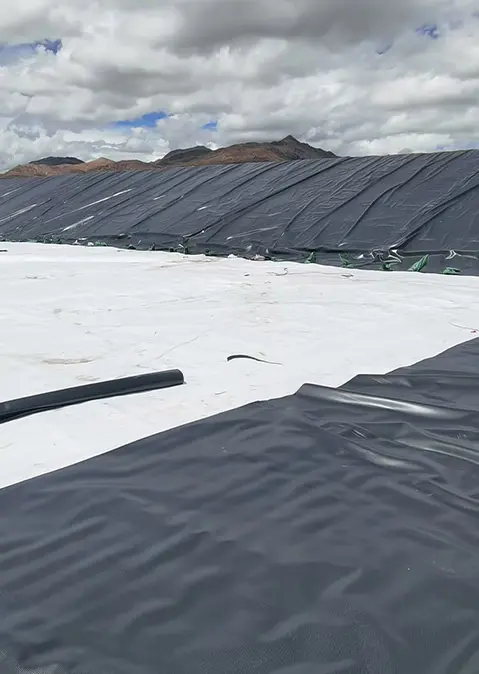
How specialized geosynthetic barriers are deployed to solve critical containment, drainage, and soil reinforcement challenges.
Provides critical barrier systems for municipal solid waste landfills, industrial ash storage, hazardous wastewater impoundments, and biogas digestor caps, preventing contaminants from leaching into aquifers.
Designed for heap leach pad lining, tailings dam lining, wastewater containment, and primary/secondary containment systems for oil refineries, chemical storage tank farms, and sedimentation basins.
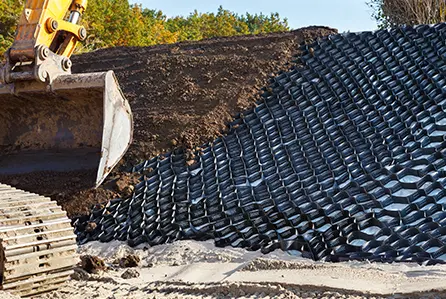
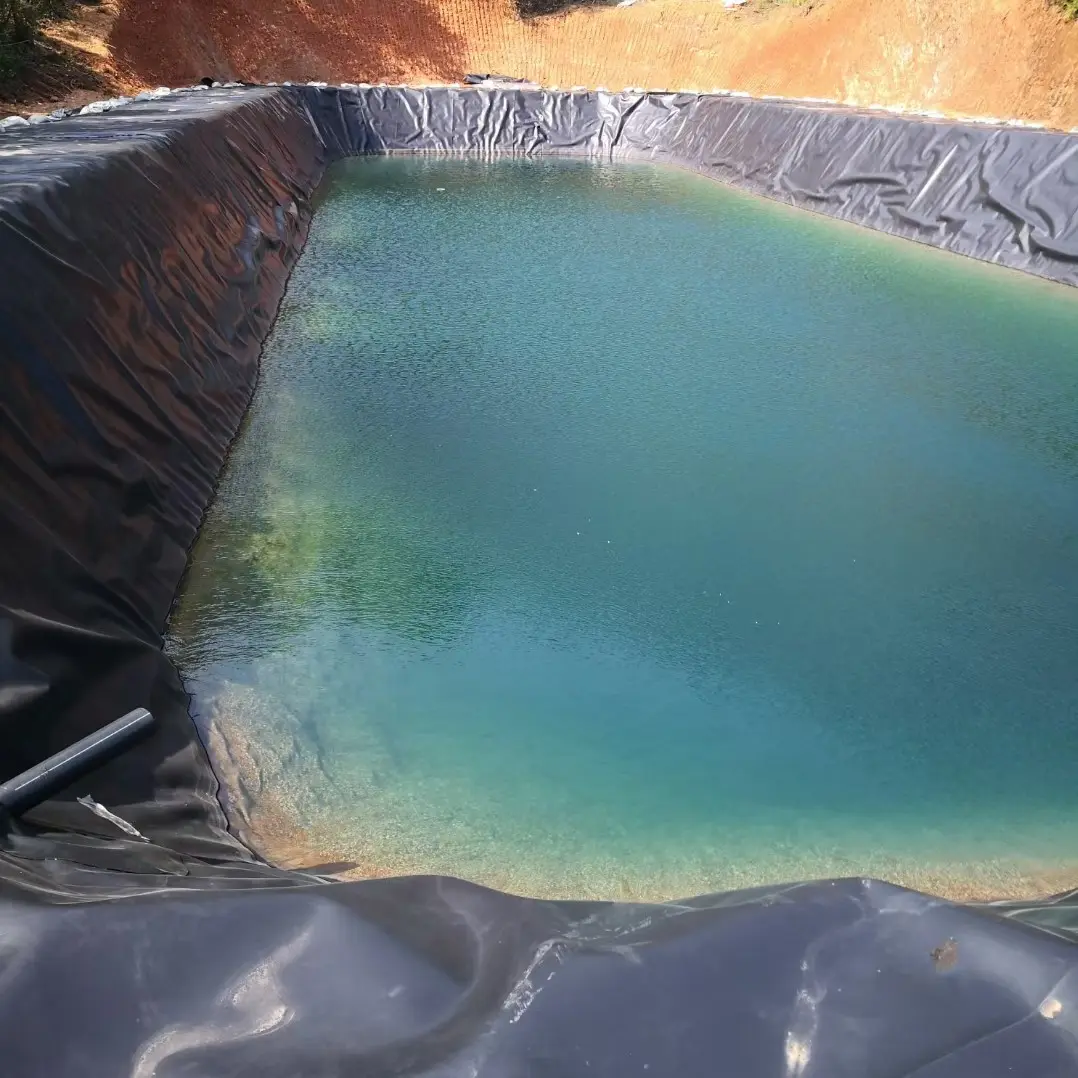
Provides seepage control and erosion protection for artificial lakes, municipal drinking water reservoirs, agricultural distribution canals, aquaculture farms (fish/shrimp ponds), and dam structures.
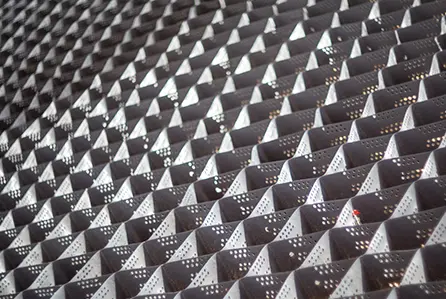
Used for structural waterproofing, subgrade isolation, and moisture management in highways, high-speed rail lines, subway tunnels, utility corridors, and retaining walls, preventing water damage.
Proven performance across complex construction environments, from subgrade stabilization to reservoir protection.
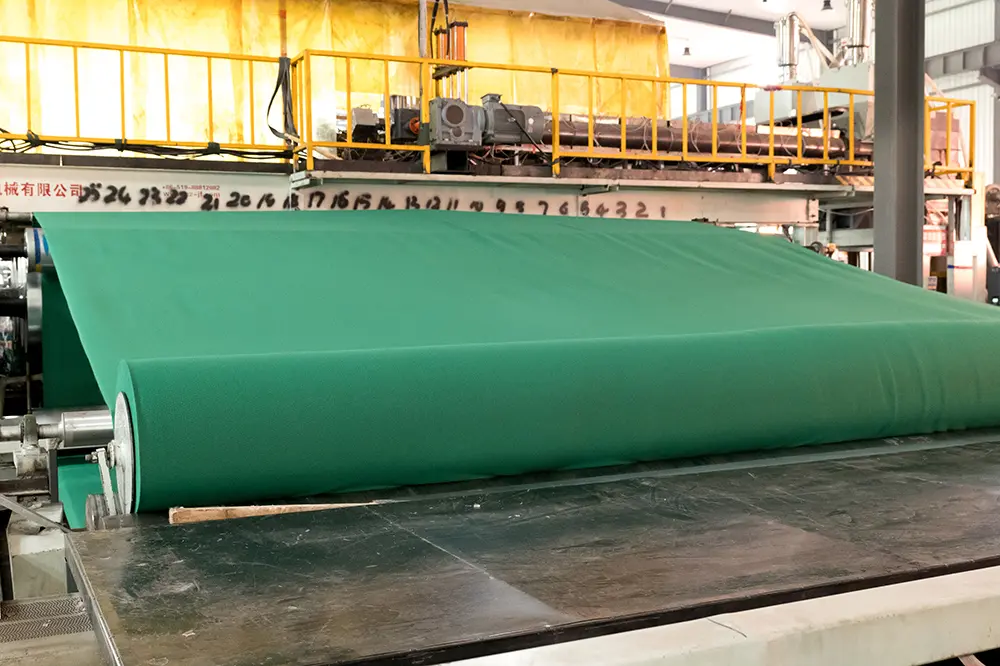
Combining high-strength non-woven geotextiles with durable geomembranes to prevent erosion and stabilize riverbanks against extreme tidal actions.
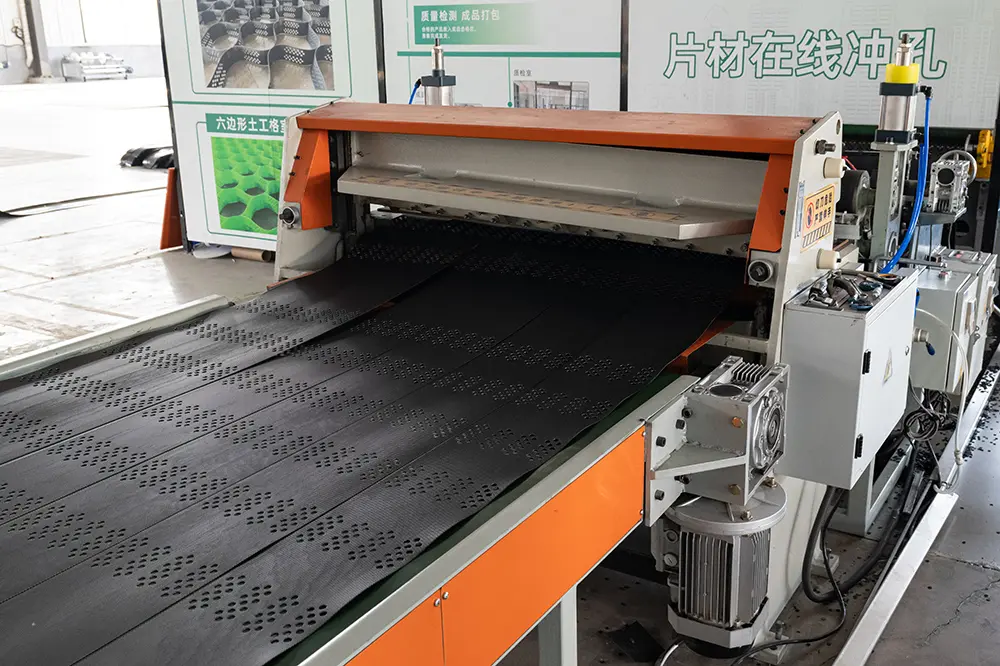
Deploying custom HDPE geogrids and geocells to improve load-bearing capacity and reduce long-term differential settlement in soft soils.
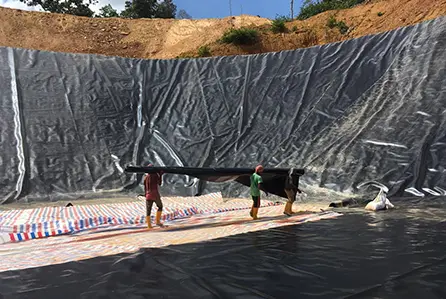
Engineered with 1.5mm double-color HDPE geomembranes to prevent water loss and protect structural containment berms.
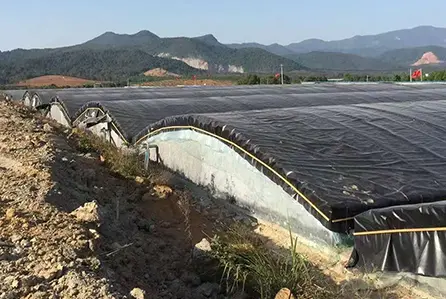
Utilizing tailored agricultural ground covers and barriers to manage soil temperature, control root growth, and manage water distribution.
Practical design guides, testing methodologies, and field execution details from our senior engineering team.
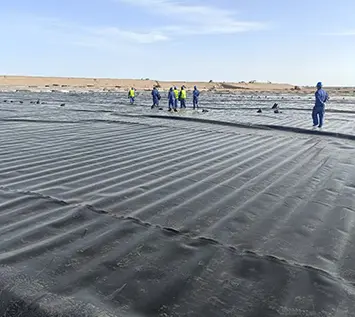
Correct subgrade preparation is essential for successful installation. The supporting surface must be compacted to the specified density, free of rocks, roots, or sharp debris that could puncture the liner.
During installation, workers should avoid dragging tools across the material. Seams should be oriented parallel to the line of maximum slope. In areas with high winds, temporary sandbag weighting is recommended to prevent wind uplift before the ballast layer is applied.
We recommend dual-track hot wedge welding for long seams. This method creates an air channel between two parallel welds, allowing for non-destructive pressure testing.
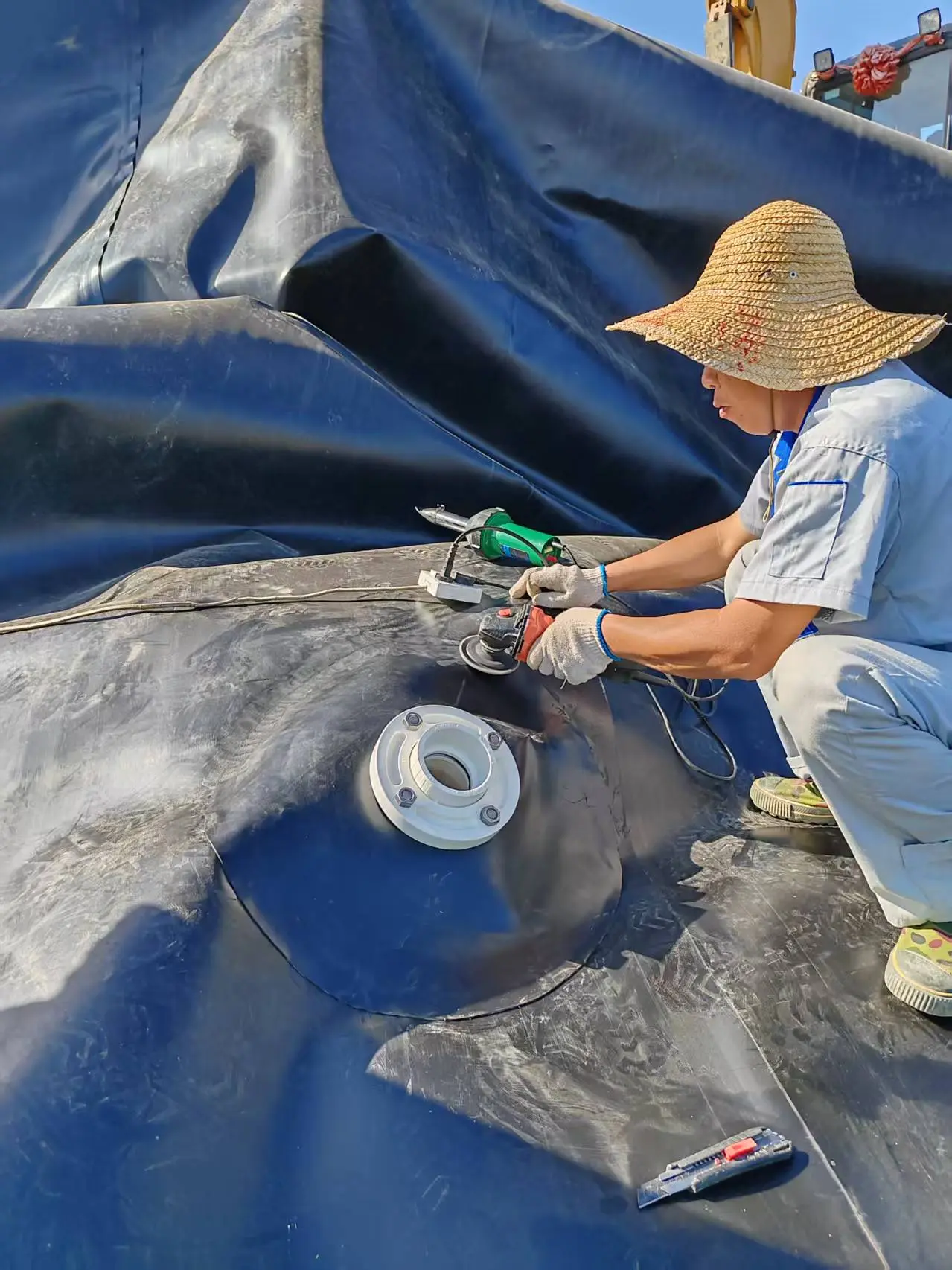
For detail areas, pipe penetrations, and patches, extrusion welding using matching polyethylene welding rod is preferred. All welds must undergo pressure testing or vacuum box testing to verify liner integrity.
Although our HDPE and BGM liners contain high-quality carbon black and UV stabilizers, proper storage helps maintain long-term performance. Rolls should be stored on flat ground, away from pooling water, and covered with protective tarps if stored outdoors for extended periods.
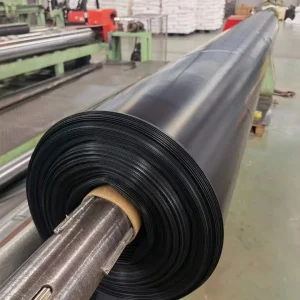
When handling the rolls, use a spreader bar and synthetic slings rather than steel cables or forklift tines, which can damage the outer layers of the roll.
Supporting international engineers and procurement teams with customized formulations, reliable logistics, and comprehensive documentation.
Taian Changhong works directly with engineering consultants and municipal planners globally. We tailor material formulations to meet specific project demands, including:
Double-color liners (e.g., green/black or white/black) make inspection easier and reduce heat absorption on site.
Single-sided or double-sided texturing increases interface friction, allowing for steeper slope designs in landfills and reservoirs.
Roll lengths and widths can be customized to match transport container sizes, simplifying site unloading and handling.
Our logistics team manages shipping documentation, customs clearance, and container packing. We package rolls with heavy-duty protective wraps to prevent damage during ocean transit.
For remote project sites, we synchronize delivery schedules with installation timelines, ensuring materials arrive when needed and minimizing on-site storage requirements.
Common questions answered by our chemistry, manufacturing, and geotechnical field teams.
The lifetime of a high-density polyethylene (HDPE) geomembrane depends on its exposure to UV radiation and ambient temperatures. In buried systems (such as landfills covered by soil and geotextiles), our virgin-resin geomembranes are estimated to last over 100 years. In exposed applications, our formulations include high-quality carbon black to resist UV degradation, providing a service life of 20 to 30 years depending on local solar conditions.
Double-color geomembranes (typically featuring a bright white or light green top layer and a black bottom layer) make field inspection easier. Any puncture, tear, or gouge that occurs during installation reveals the dark bottom layer through the light top layer. Additionally, light-colored top surfaces reflect sunlight, lowering the sheet temperature and reducing the risk of thermal expansion wrinkles prior to backfilling.
Smooth geomembranes have low surface friction, which can cause soil layers, geotextiles, or concrete overlays to slide off slopes. Textured surfaces (produced via co-extrusion structured texturing) increase the interface friction angle. This allows engineers to design steeper, more space-efficient slopes for landfills, reservoirs, and containment embankments.
For dual-track hot wedge seams, air pressure testing is the standard method. The air channel between the two welds is sealed at both ends, pressurized, and monitored for pressure drops over a set period. For extrusion-welded detail areas, vacuum box testing is used, where a soapy solution is applied to the seam and a vacuum is drawn to check for bubbles. Spark testing can also be used if the geomembrane includes a conductive backing layer.
Explore our full product range, including specialized geomembrane films, flexible drainage pipes, and blind filter systems.
 Changhong