Explore our primary custom manufactured HDPE products designed to exceed rigorous international durability and containment thresholds.
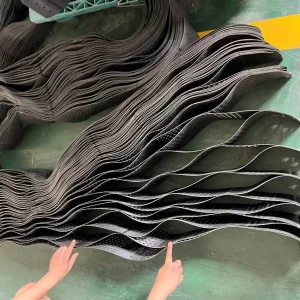
Evaluating the macroeconomics, mechanical properties, and structural superiority of High-Density Polyethylene in modern civil structures.
The global infrastructure sector is undergoing a profound material transition. Civil and environmental engineers are increasingly abandoning traditional clay, concrete, and low-performance plastics in favor of highly engineered High-Density Polyethylene (HDPE) systems. High-density polyethylene, characterized by a density range between 0.941 and 0.965 g/cm³, is a semi-crystalline thermoplastic known for its exceptional chemical inertia, high tensile strength, and optimized molecular stability.
Today, sourcing from specialized custom HDPE plastic suppliers and manufacturers is no longer just a procurement choice—it is a critical safety and compliance decision. Global climate change has accelerated regional demands for extreme environmental containment. Suppliers must now guarantee that liners can withstand prolonged thermal expansion, high ultraviolet radiation, and acidic leachate environments. The modern industrial landscape demands specialized chemical additions, such as carbon black, UV inhibitors, and specialized thermo-stabilizers, configured precisely to combat site-specific geologic stress.
Whether for lining tailings dams in high-altitude copper mines or building robust stormwater structures in major sponge cities, custom HDPE formulations provide the long-term reliability required to avoid ecological failure.
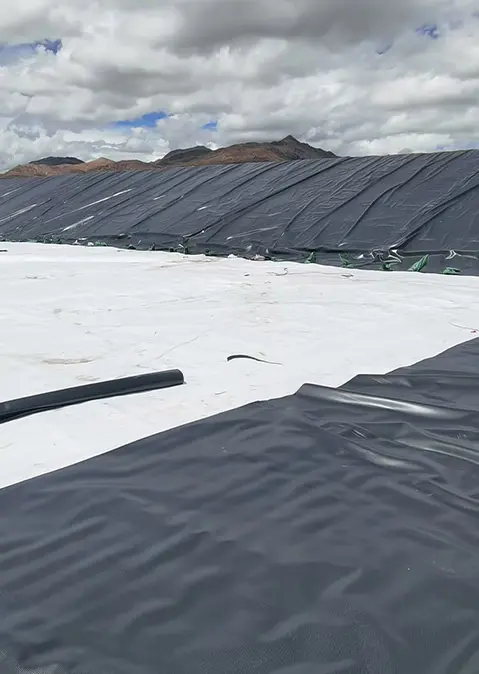
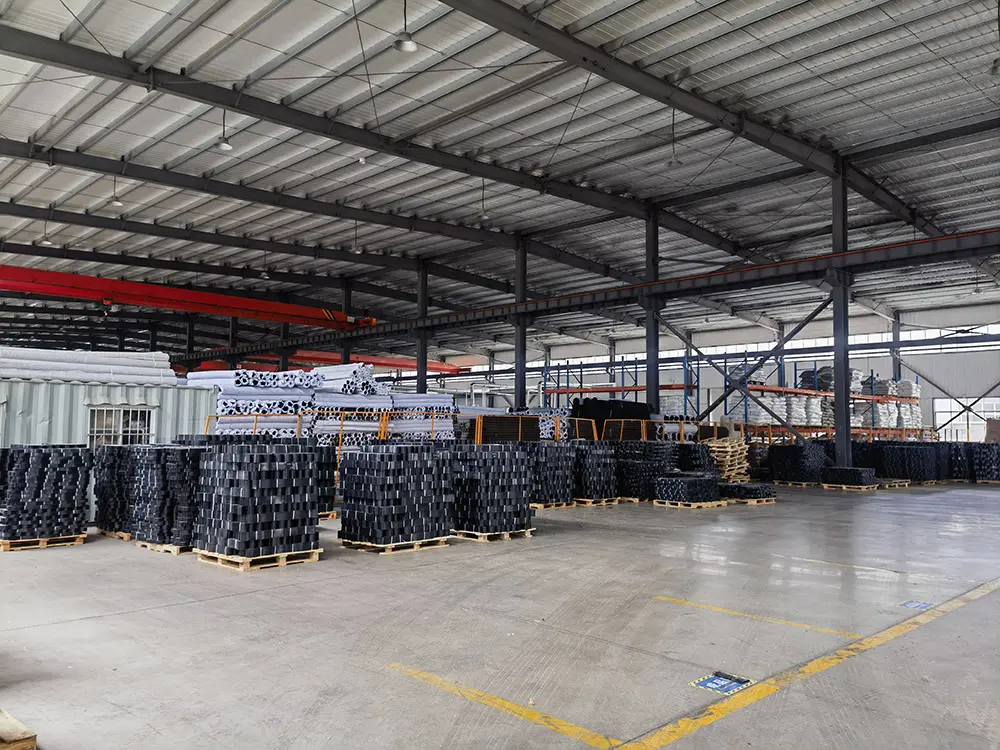
Quality-Tested Solutions for Geotechnical Excellence
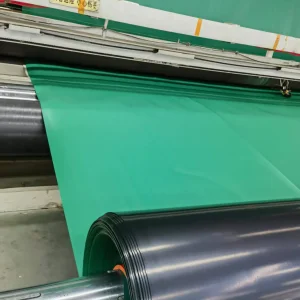
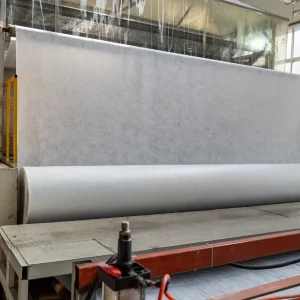
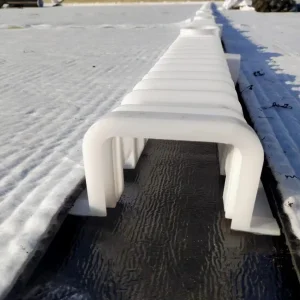
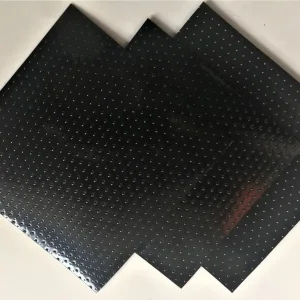
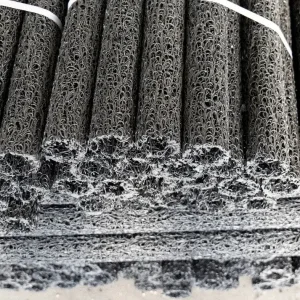
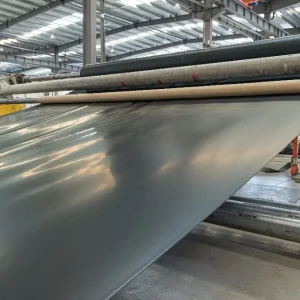
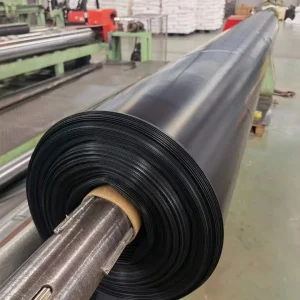
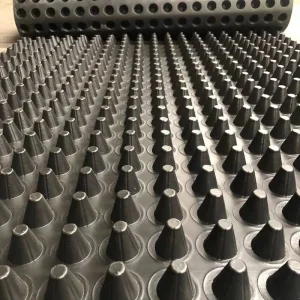
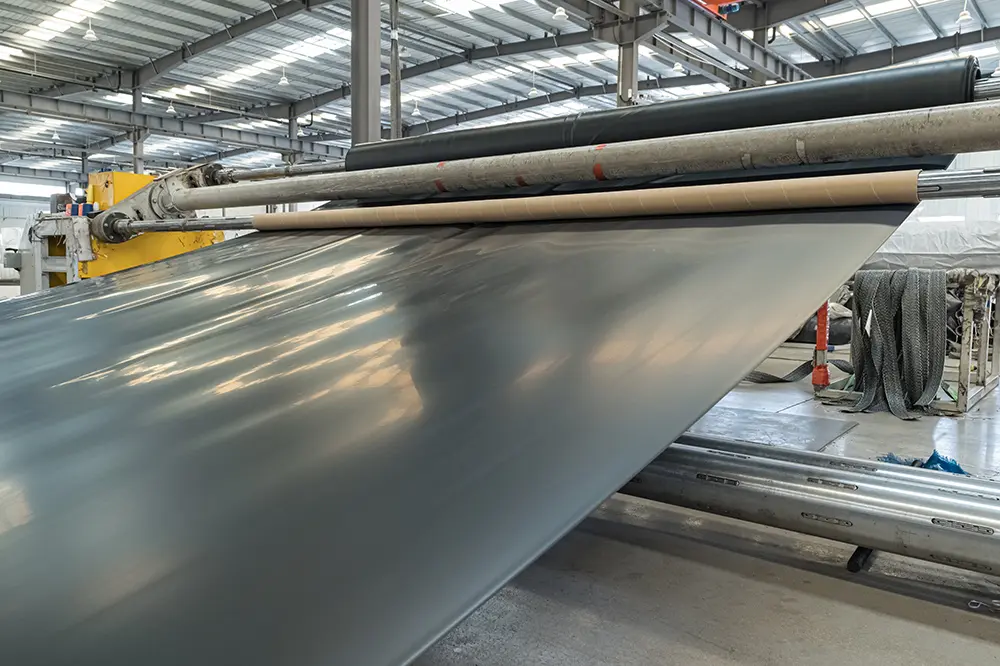
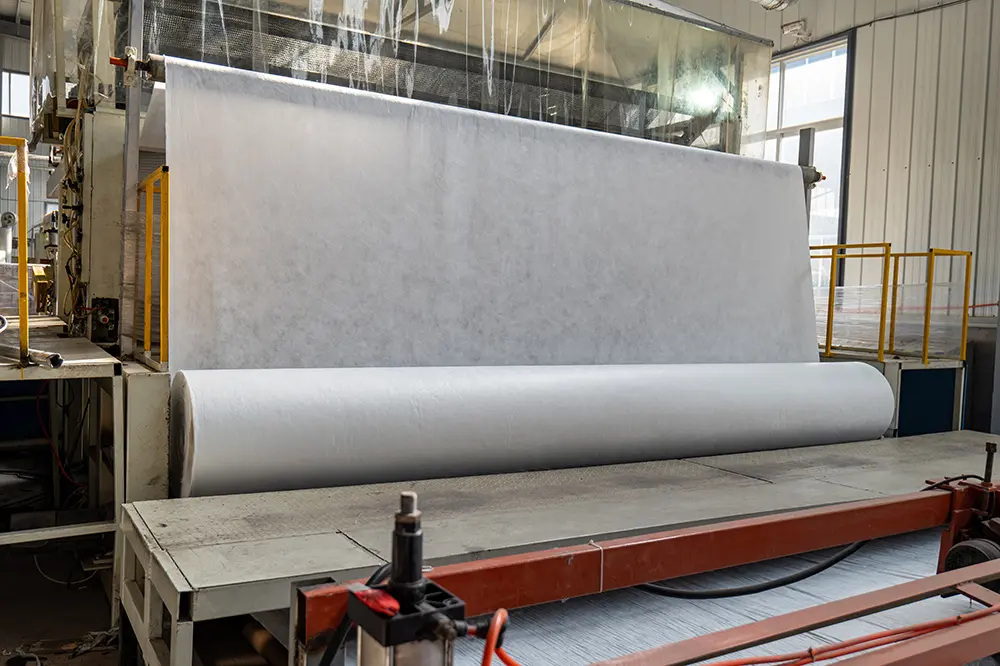
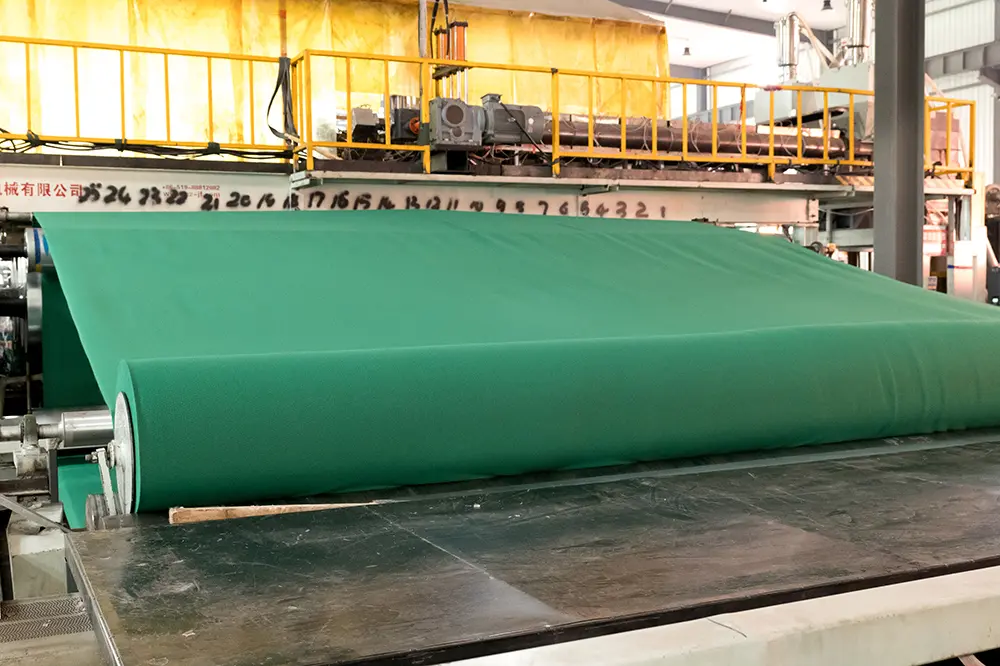
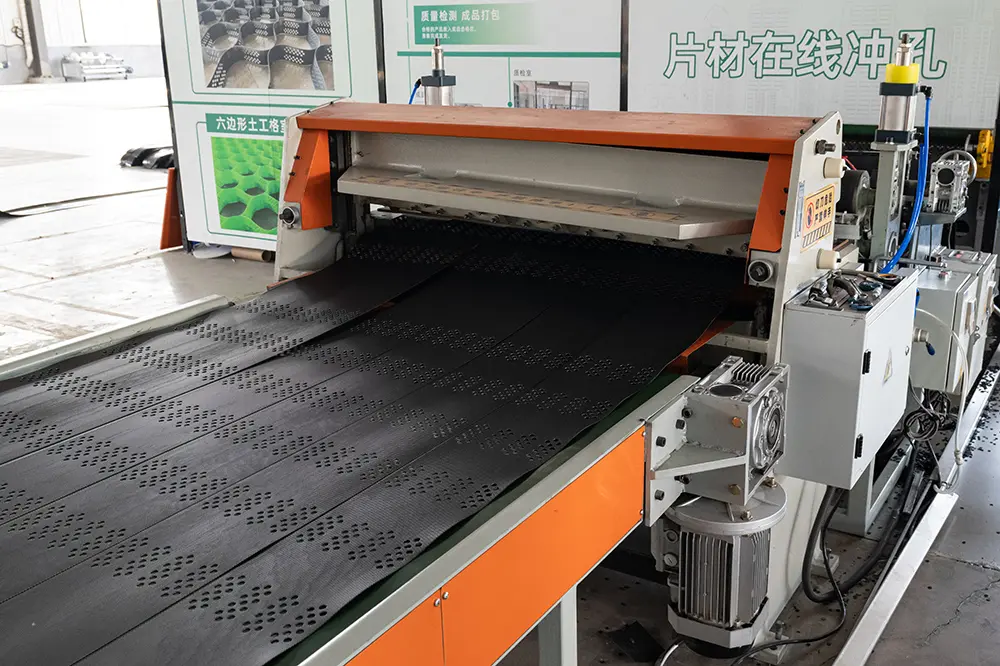
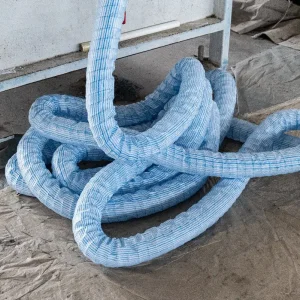
The company specializes in the production of smooth geomembrane, rough geomembrane, double color geomembrane, geotextiles (polyester short fiber non-woven fabric, polyester long fiber non-woven fabric, polypropylene short fiber non-woven fabric, hot-rolled non-woven fabric), drainage board, drainage net, geogrid, geocell, flexible permeable pipe, plastic blind drain and other environmentally friendly geosynthetic materials. Relying on a long-term and stable raw material supply system and strict product formulas, we can customize various material products such as HDPE, LDPE, EVA, and ECB according to customer needs.
Our company's products have a wide range of applications, featuring anti-aging, long service life, environmental friendliness and non-toxicity. It is mainly applied to environmental protection landfill sites, artificial lakes, chemical plant slag yards, tailings DAMS, highways, railways, water conservancy, power, soil and water conservation, environmental greening, various breeding farms, canals and reservoirs and other infrastructure facilities.
The company has passed the ISO9001, ISO14001 and OHSAS18001 certifications, and has professional technical personnel and advanced equipment and instruments. The above-mentioned professionals have many years of practical working experience. The strong technical strength ensures the stability and forward-looking nature of the products. The company has always kept an eye on the world's advanced level. With its strong economic and technological strength, it maintains leading geosynthetic material production lines and testing equipment. Relying on a complete product production system and quality inspection system, it creates high-quality and high-standard products.
Changhong Engineering Materials Co., Ltd. is always committed to making friends with customers, getting close to them with sincerity, satisfying them with actions, and achieving win-win results with them. Based on excellent products and services, we provide customers with stable and advanced products and services, and establish long-term friendly cooperative partnerships with customers.
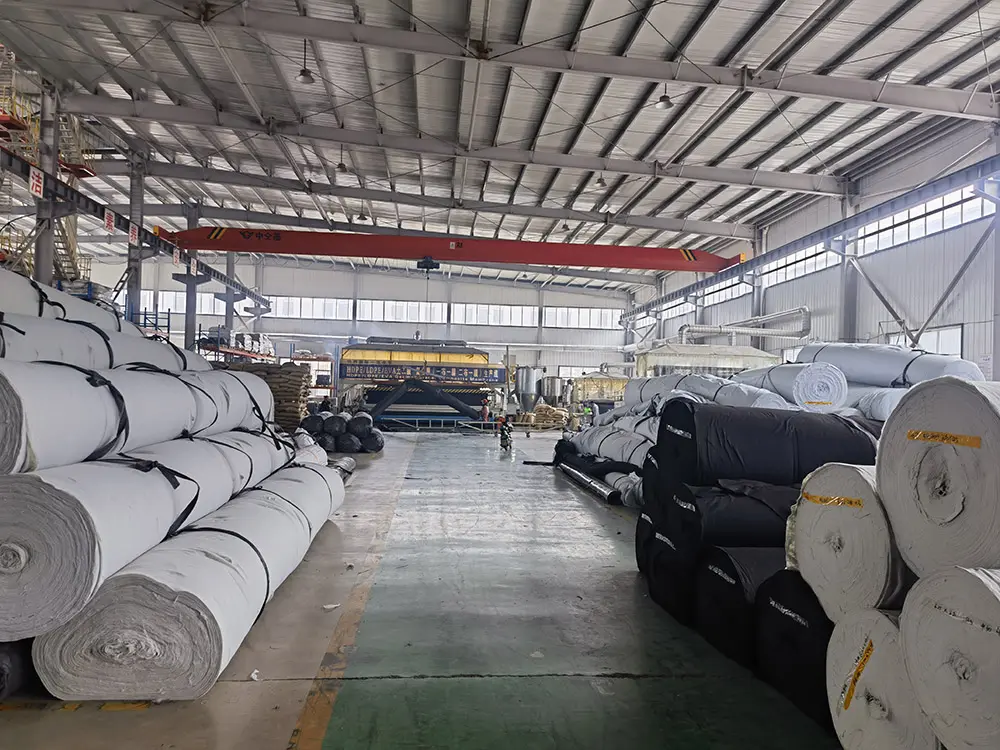
From chemical containment to urban water management, explore how our products are integrated into critical engineering projects globally.
Providing high-durability impermeable barrier coatings for waste landfills, biogas digesters, oil field storage areas, chemical sludge tanks, and hazardous material ponds. The custom HDPE compounds ensure no chemical degradation or hazardous seepage enters local water systems.
Custom non-toxic liners designed specifically for fish, shrimp, and lotus root ponds, community green spaces, artificial golf course lakes, and municipal parks. Superior elongation factors guarantee structural adaptation to shifting soils without structural failure.
Moisture-proofing, sealing, and waterproofing components optimized for subways, railway tunnels, and underground utility corridors. Works in tandem with siphonic drainage mats to redirect subsurface water pressure away from primary structures.
Seepage protection structures engineered for water-storage dams, distribution canals, reservoirs, and harbor embankments. Prevents water loss from reservoirs and stabilizes banks from high velocity current erosion.
High-thickness, custom rough/textured geomembranes specifically developed for heap leach pads, chemical reaction tanks, and tailing ponds. Formulated to resist extremely low pH levels, acidic solvents, and heavy mechanical stress.
Real-world applications proving the chemical stability and mechanical performance of Changhong’s custom geosynthetic products.
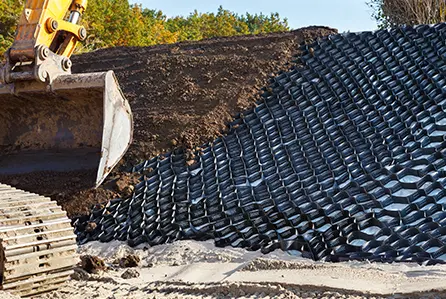
Preventing erosion and structural failure on steep river slopes using custom geotextile matrices.
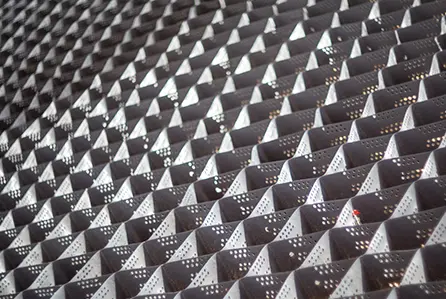
Enhancing load-bearing capabilities on high-speed rail lines and heavy highway corridors.
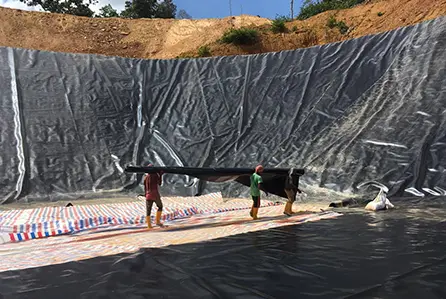
Securing municipal drinking water supplies with high-grade, zero-leak HDPE geomembranes.
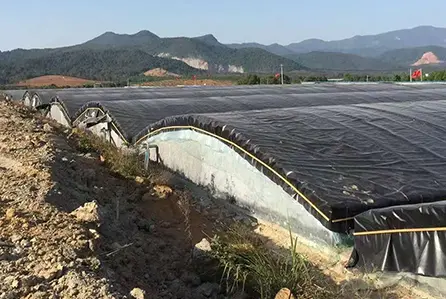
Custom high-density polyethylene polymer films integrated for solar agricultural structures.
Decoupling the structural mechanics of custom high-density, low-density, and copolymer configurations.
By adjusting raw monomer ratios and thermal extrusion settings, we modify properties across HDPE, LDPE, LLDPE, EVA, and ECB. From soft, flexible, highly conforming liners to rigid, highly chemical-resistant structures, our material customization suits the specific friction and load needs of your project.
Standard smooth sheets fail on steep slopes. Our dual-sided textured (rough) geomembranes drastically increase the interface friction angle. This allows steep slope engineering design (up to 1:2 gradients), preventing soil sliding and structural degradation over long-term operations.
Double-color geomembranes are co-extruded with a light-colored (white/green) top layer and a dark carbon-black core. The light top layer reflects heat and mitigates expansion wrinkles, while making visual leak checking far more efficient during quality testing sweeps.
| Material Type | Relative Density (g/cm³) | Tensile Break Strength (N/mm) | Environmental Stress Crack Resistance (hrs) | Primary Engineering Use Case |
|---|---|---|---|---|
| HDPE (High Density) | 0.940 - 0.965 | ≥ 28 (for 1.5mm) | ≥ 500 (SP-NCTL test) | Municipal solid waste landfills, industrial waste ponds, heap leach pads |
| LLDPE (Linear Low Density) | 0.915 - 0.930 | ≥ 20 (for 1.5mm) | ≥ 300 | Irrigation canals, flexible decorative ponds, irregular terrain caps |
| EVA / ECB | 0.920 - 0.940 | Flexible / Variable | Highly Resistant | Tunnel linings, underground waterproofing, retaining walls |
Technical considerations regarding construction methods, standard testing procedures, and environmental compliance.
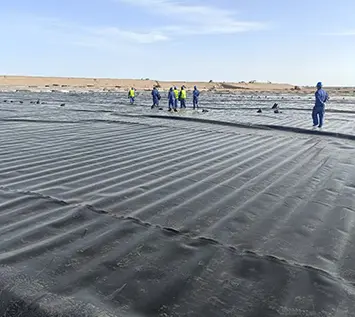
Successful implementation of geomembranes depends heavily on surface preparation and seam welding. Subgrades must be compacted and free of sharp stones. Thermal hot wedge welding requires constant monitoring of temperature and speed to ensure homogeneous joints.
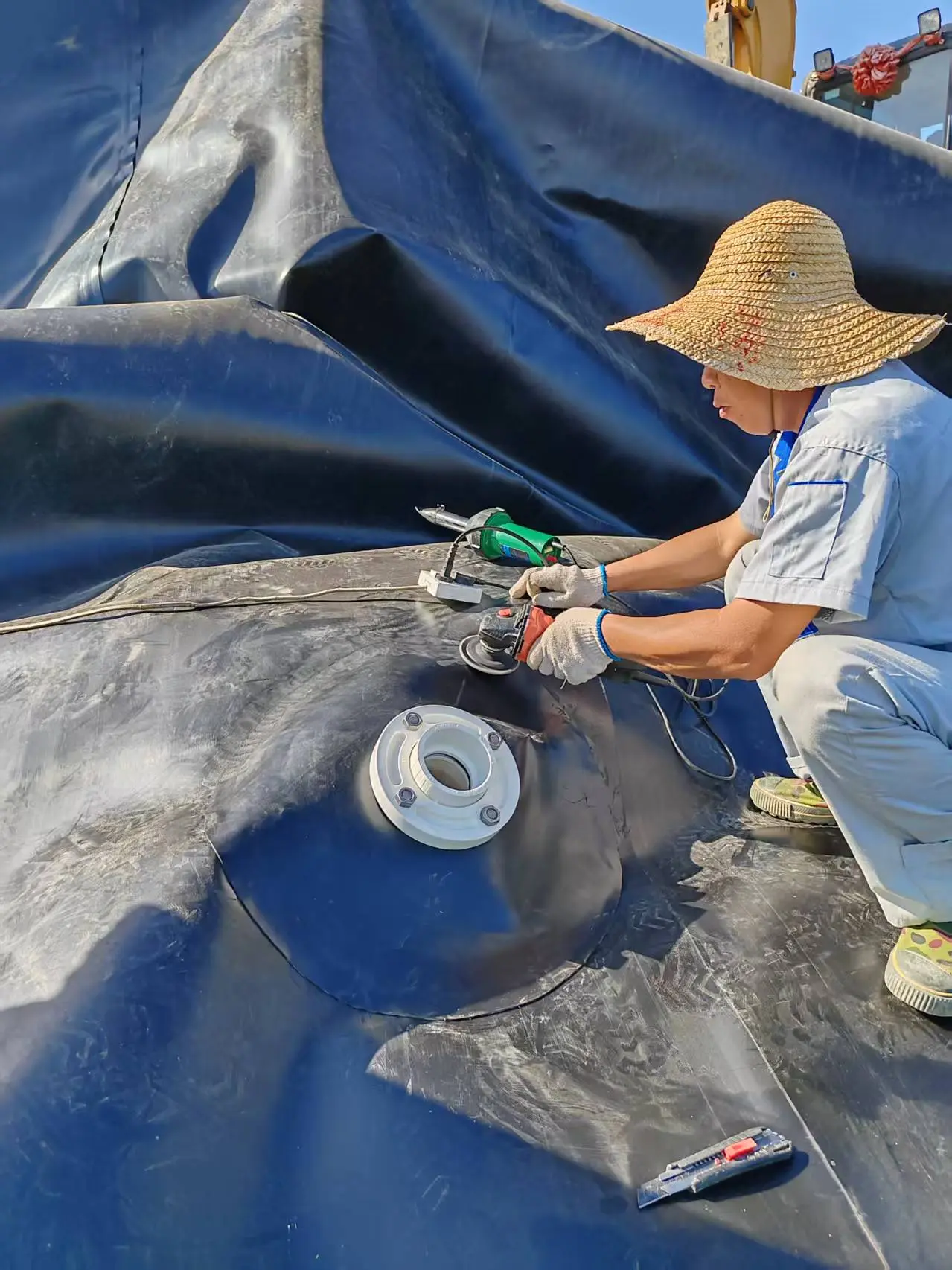
Quality assurance includes non-destructive tests (e.g., dual-seam air pressure testing) and destructive laboratory tests (e.g., shear and peel tests). Standard test protocols conform strictly to ASTM and GRI-GM13 specifications to verify long-term stability.
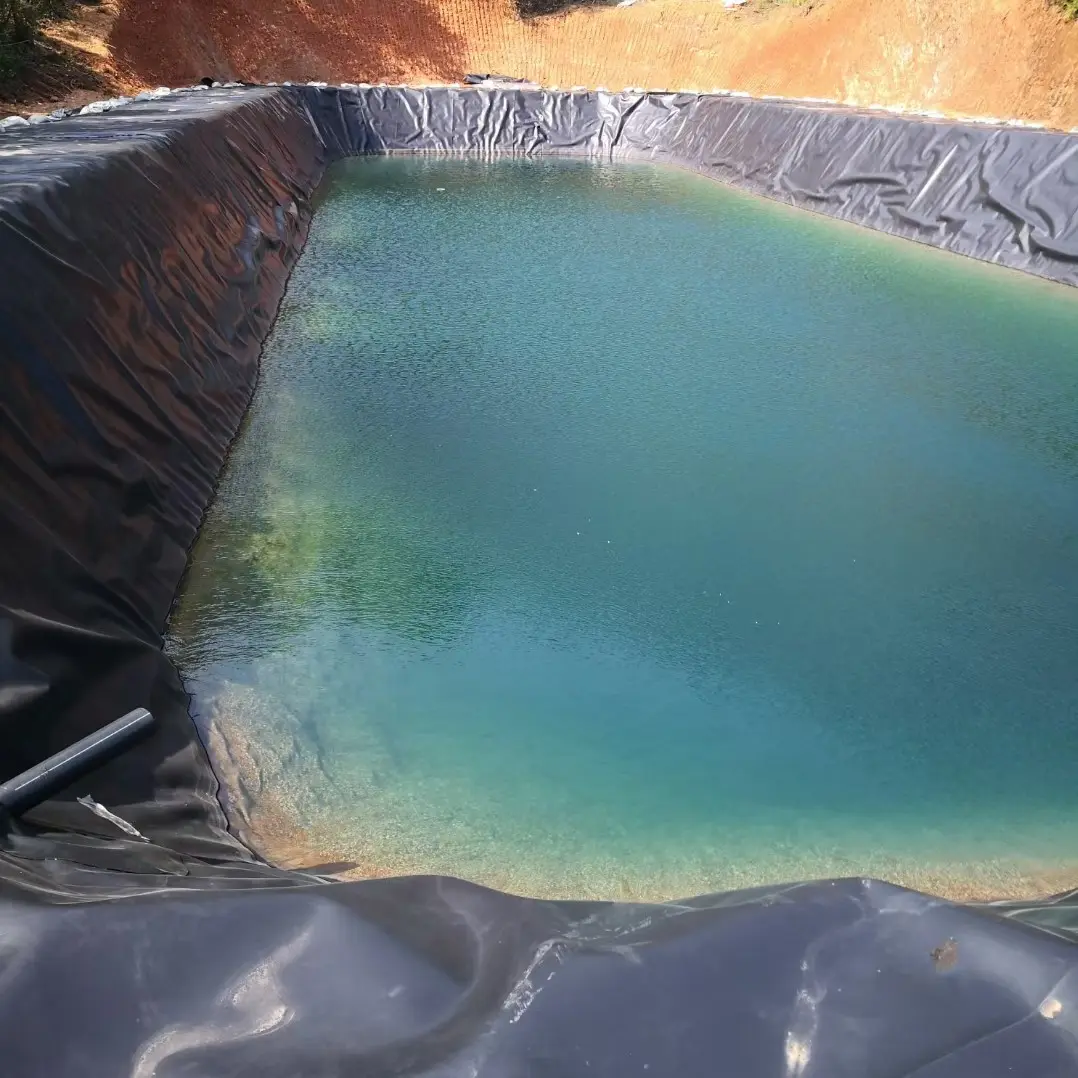
Geotextiles act as the primary protection layer for geomembranes, absorbing mechanical impacts and distributing localized forces. Understanding pore sizes, water flow rates, and tensile properties is crucial for matching the right geotextile with site conditions.
Technical explanations addressing standard engineering concerns during geomembrane specification and site installation.
Select and request custom specifications for any of our high-durability geosynthetic systems.
 Changhong