Explore our primary range of erosion mats, geotextiles, and anti-seepage geomembranes manufactured under strict ISO quality control parameters.
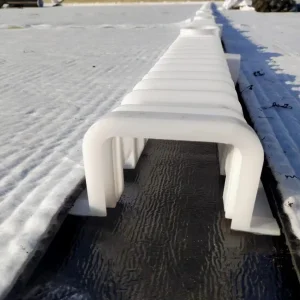
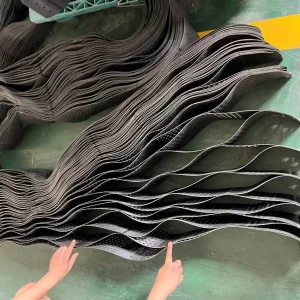
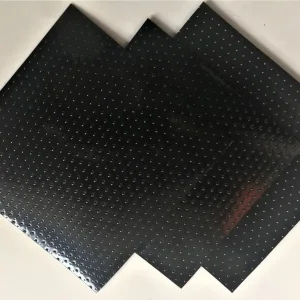
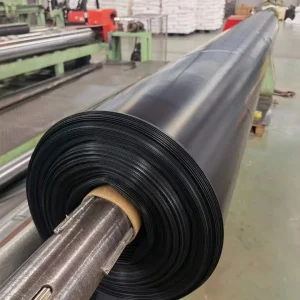
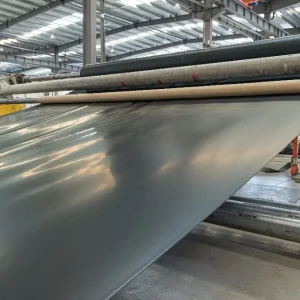
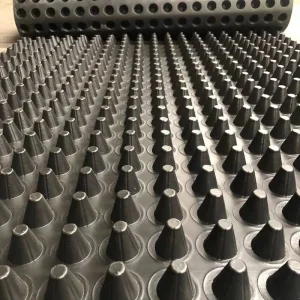
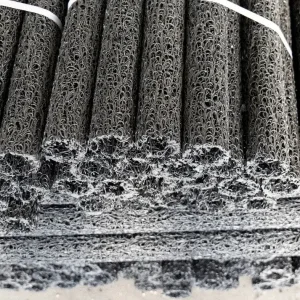
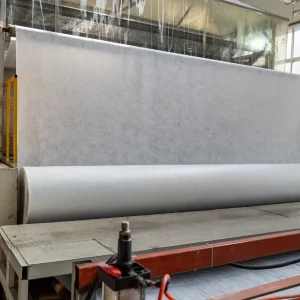
A premier manufacturer and strategic supplier of advanced geosynthetic systems, specialized in modern erosion control blankets and lining configurations.
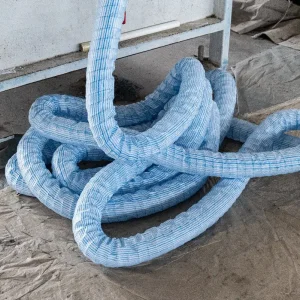
The company specializes in the production of smooth geomembrane, rough geomembrane, double color geomembrane, geotextiles (polyester short fiber non-woven fabric, polyester long fiber non-woven fabric, polypropylene short fiber non-woven fabric, hot-rolled non-woven fabric), drainage board, drainage net, geogrid, geocell, flexible permeable pipe, plastic blind drain and other environmentally friendly geosynthetic materials.
Relying on a long-term and stable raw material supply system and strict product formulas, we can customize various material products such as HDPE, LDPE, EVA, and ECB according to customer needs. This flexibility allows civil engineers and environmental planners to solve critical geotechnical challenges with bespoke structural characteristics.
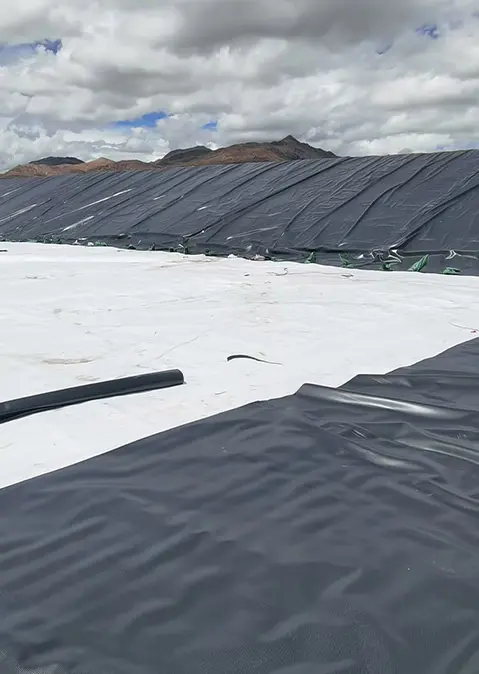
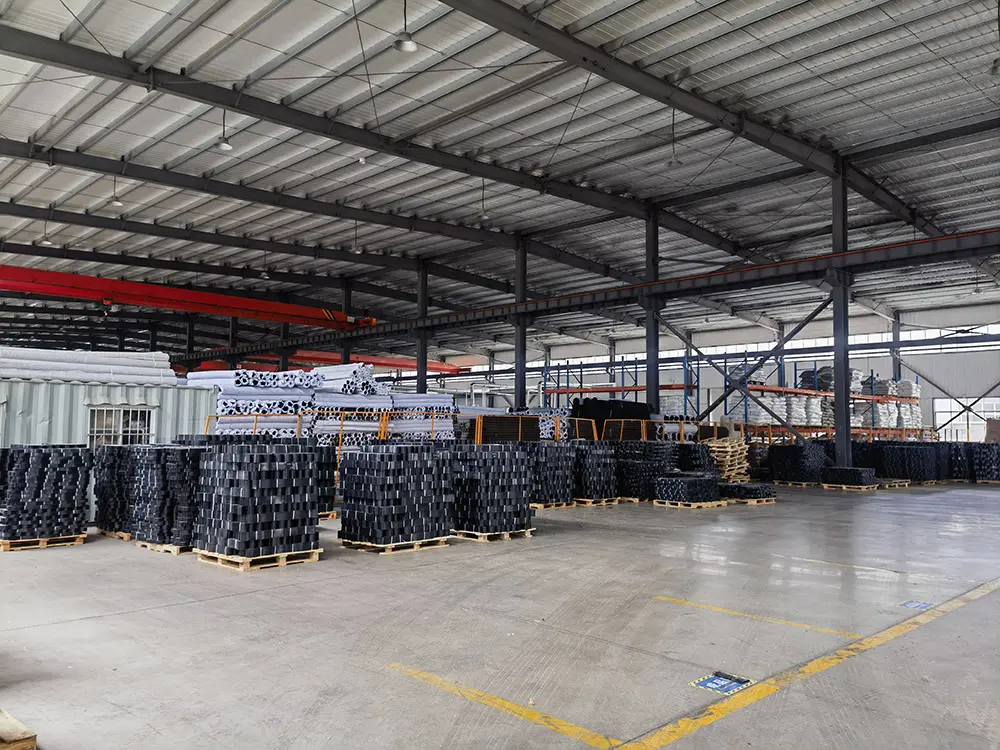
The company has passed the ISO9001, ISO14001 and OHSAS18001 certifications, and has professional technical personnel and advanced equipment and instruments. There are currently over 60 employees, including 3 chief chemical process engineers, 5 mechanical engineers and 9 professional equipment operation engineers. The above-mentioned professionals have many years of practical working experience.
The strong technical strength ensures the stability and forward-looking nature of the products. The company has always kept an eye on the world's advanced level. With its strong economic and technological strength, it maintains leading geosynthetic material production lines and testing equipment. Relying on a complete product production system and quality inspection system, it creates high-quality and high-standard products.
Industrial scale erosion control mats (commonly typed as erosion matts in architectural bidding specs) represent a critical sector in modern environmental engineering. Geotechnical degradation, stimulated by unpredictable hydrological patterns, has caused global infrastructure agencies to transition from legacy concrete paving solutions to bio-engineered and polymer-based soil stabilization structures.
Rapid urbanization in developing countries combined with rehabilitation projects in mature economies has accelerated the consumption of HDPE and LLDPE liners, non-woven geotextiles, and geocells to control structural runoff.
Leading factories like Taian Changhong employ triple-co-extrusion technology to distribute chemical UV stabilizers and anti-oxidants evenly across high-durability geomembranes.
Increasing environmental audits by municipal and national bodies demand non-toxic, long life-span, and chemical-resistant barriers. This shifts demand toward premium certified geosynthetics.
As environmental criteria become more demanding, the technology behind containment and soil isolation continues to advance. Our dynamic technical framework guides research and development.
Integrating metallocene catalyst resins with premium-grade HDPE/LDPE to increase the environmental stress cracking resistance (ESCR) beyond standard GRI-GM13 parameters, prolonging functional life to over 100 years.
Fusing natural coir and jute fibers with highly-stabilized PP or PET filaments to optimize temporary sediment control, while simultaneously providing a persistent structure for plant root systems.
Embedding conductive layers and micro-sensors within multi-layered liners to enable real-time electrical leak detection (ELD) for hazardous chemical storage sites, reservoirs, and mining applications.
Geosynthetics act as structural buffers that control fluid flow, reinforce shear planes, and contain aggressive leachates. The practical utility of the Taian Changhong product suite spans several engineering fields:
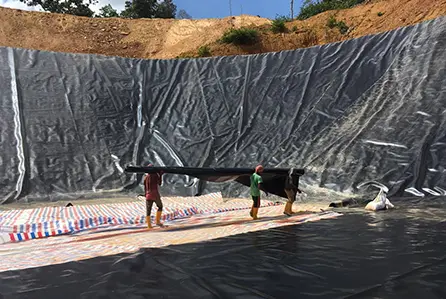
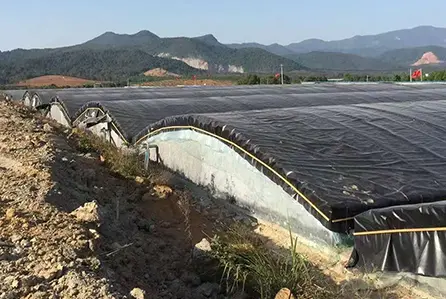
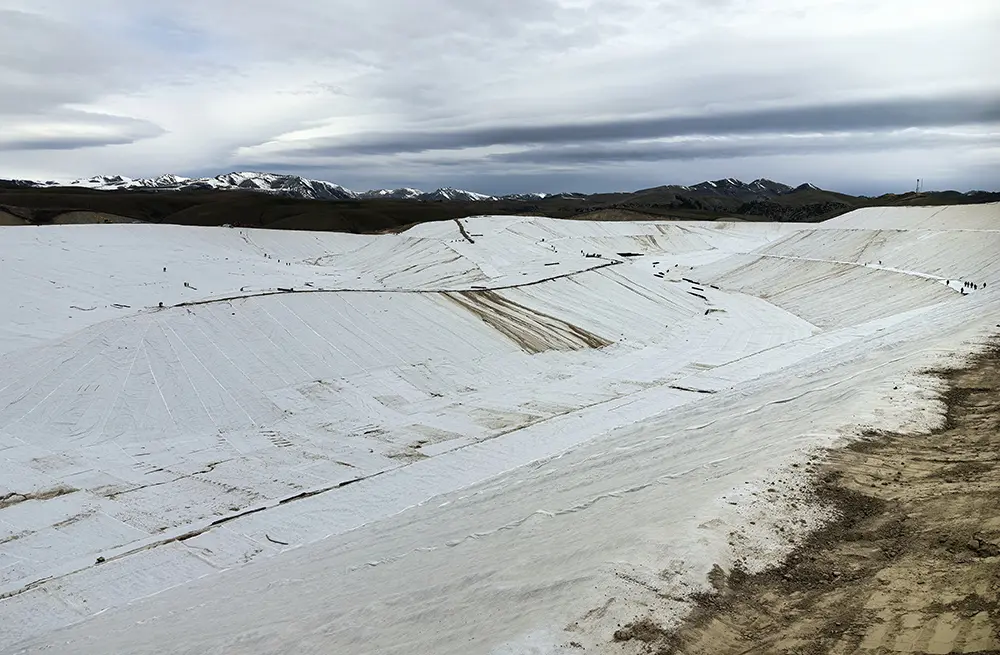
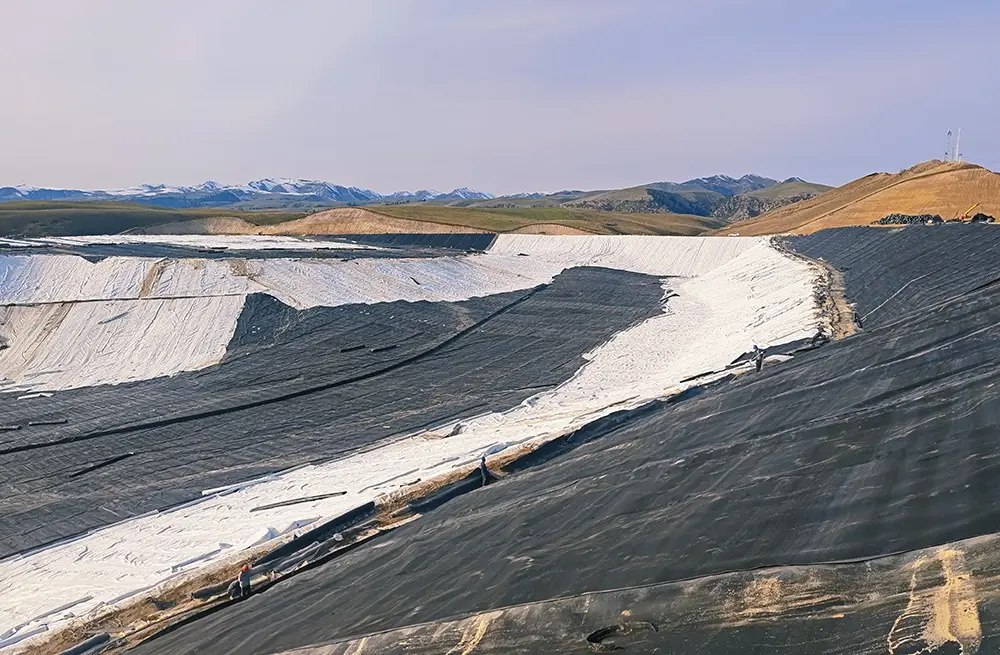
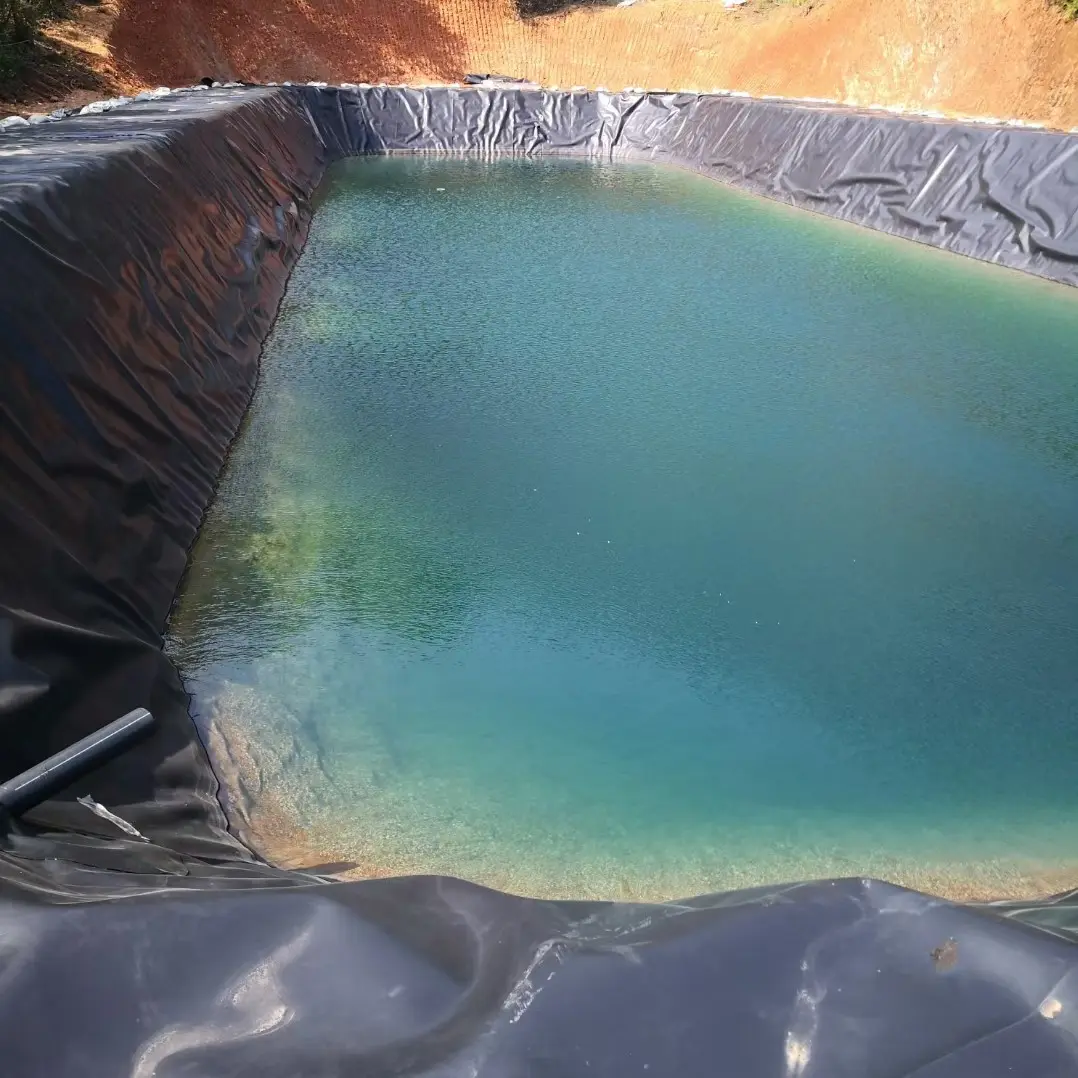
Anti-seepage for landfill sites, garbage disposal plants, biogas digesters, sewage ponds, wastewater ponds, power plant regulating ponds, etc.
Slope protection and anti-seepage for breeding ponds, fish ponds, shrimp ponds, lotus root ponds, urban gardens, community greening, artificial lakes, swimming pools, golf courses, etc.
Waterproofing, anti-seepage and moisture-proofing for underground pipe galleries such as subways and tunnels, anti-seepage reinforcement for high-speed slopes, and anti-seepage for roof surfaces.
Slope protection and seepage prevention for dams, rivers, canals, reservoirs, water storage tanks and wharf structures.
Washing and selection tanks, heap leaching tanks, ash storage yards, dissolution tanks, sedimentation tanks, storage yards, and anti-seepage lining for tailings. Anti-seepage for chemical plants, oil refineries, and oil storage tanks, as well as inner linings for chemical reaction tanks.
Integrating specialized drainage cells and siphonic piping to construct sponge cities that manage extreme rainwater events, reducing waterlogging and stabilizing municipal foundations.
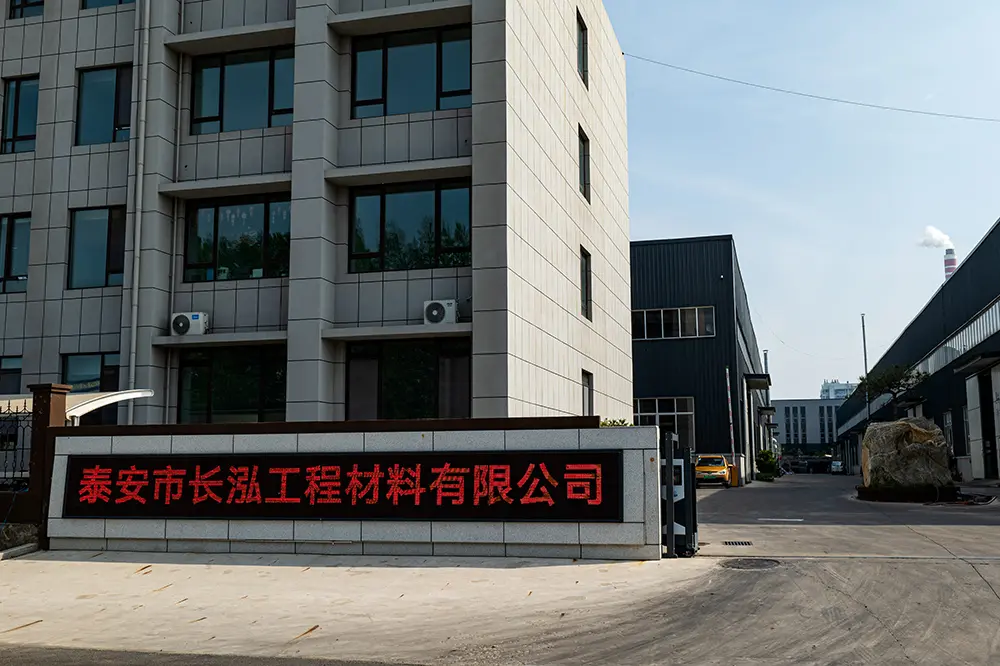
By matching materials with regional climates, geotechnical characteristics, and hydraulic conditions, Changhong Engineering Materials Co., Ltd. provides customized answers to project problems:
Different environments require targeted product selection. In high-rainfall areas, using our custom water accumulation and drainage plates protects structural foundations from water pressure. In arid regions, using gravel-grid geocells prevents wind and occasional rain from eroding steep slopes.
By working with local engineering teams, Changhong Engineering Materials Co., Ltd. creates solutions that match project specifications. Our support extends from design and raw material sourcing to installation guidance and quality testing.
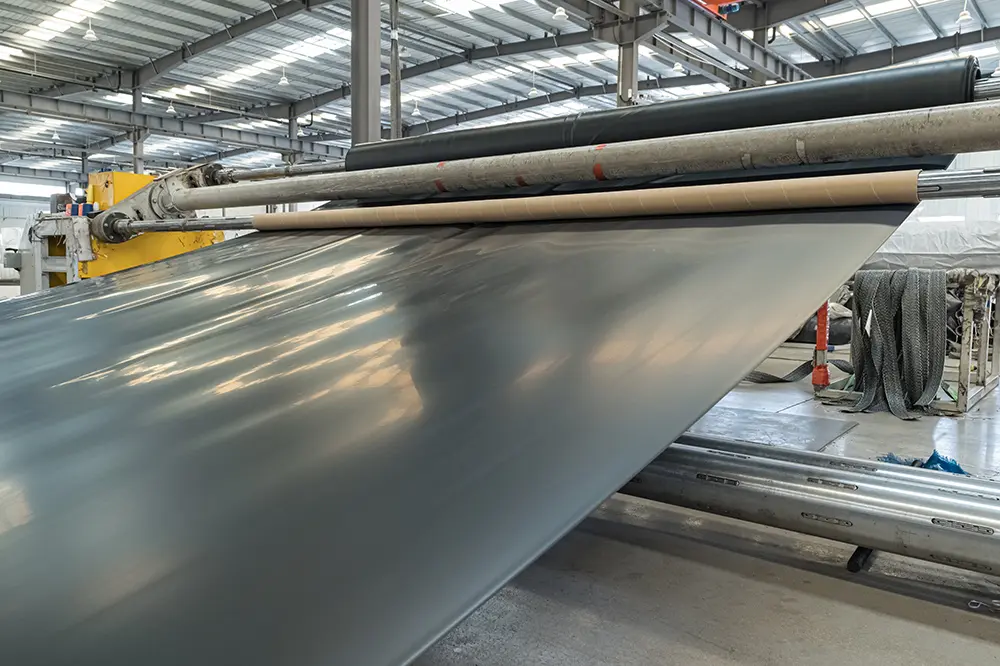
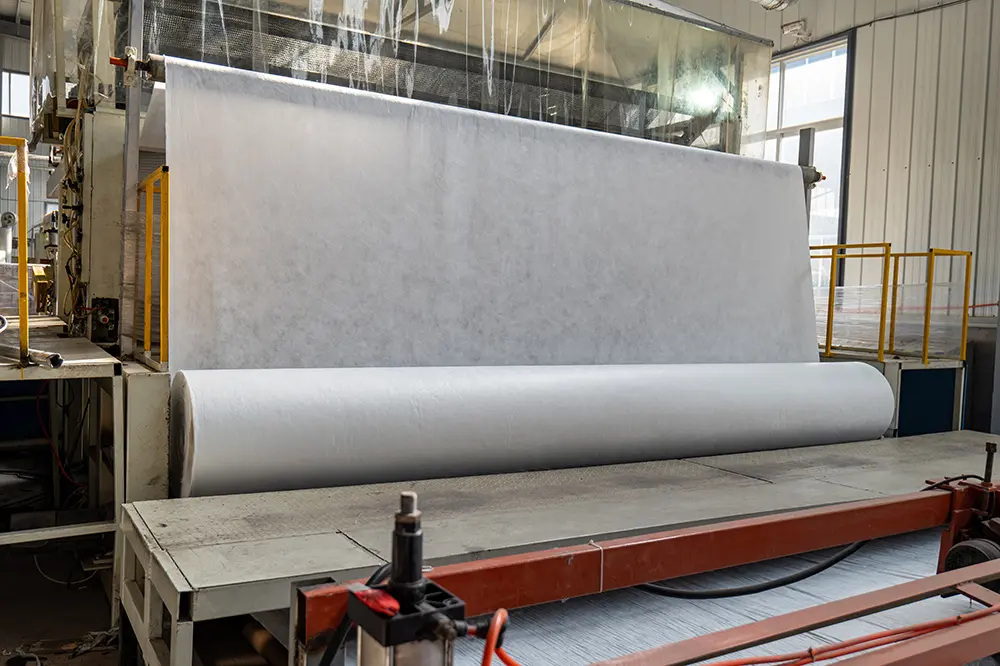
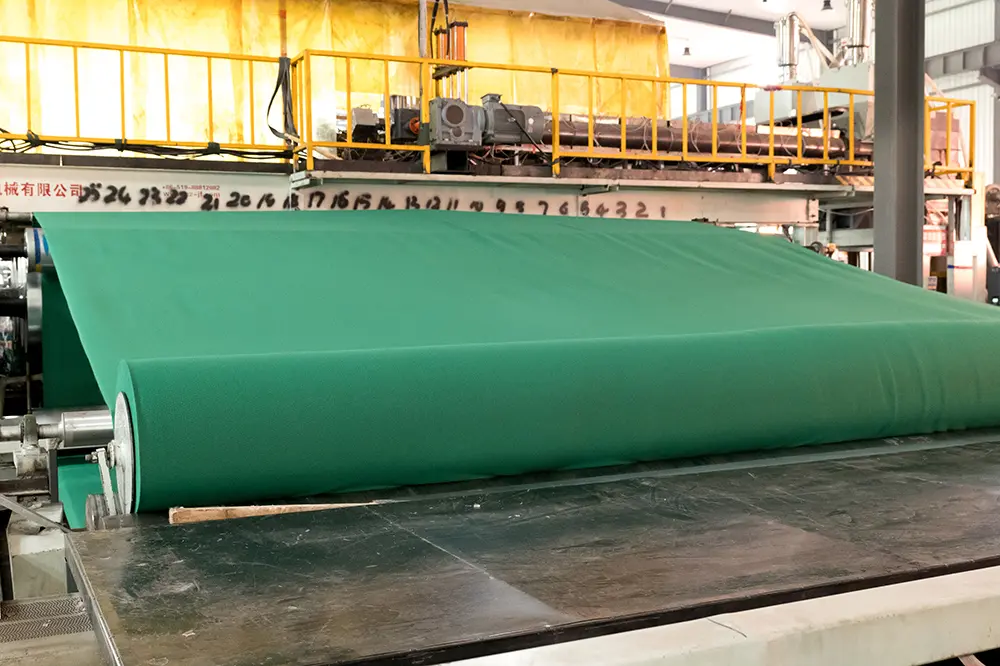
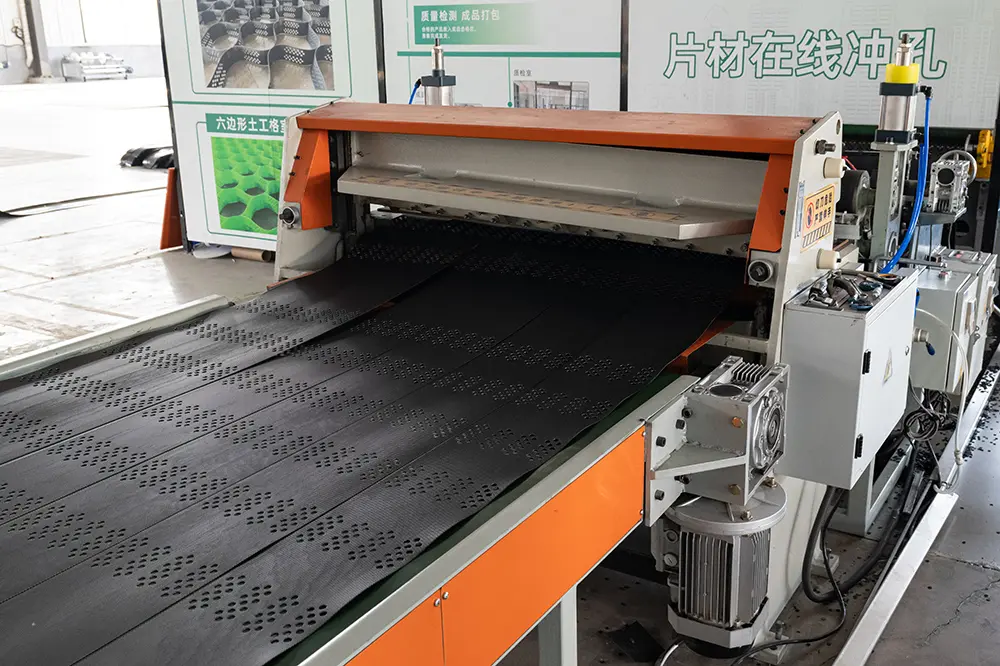
Soil erosion is caused by shear stress from wind, rain, and surface runoff exceeding the shear strength of the soil matrix. Incorporating erosion mats and geocells addresses this issue in several ways:
Vegetative erosion mats break the impact of falling raindrops, protecting the soil from particle detachment and sealing.
The structured patterns of geotextiles and geocells create micro-dams along slopes, reducing runoff velocity and encouraging water infiltration.
Synthetic fibers interlock with growing root structures, creating a stable composite layer that resists high hydraulic shear stresses during flooding.
At Taian Changhong, quality control spans every stage of manufacturing, from checking incoming polymer resins to testing the finished rolls. We follow ASTM and ISO guidelines to ensure consistent product performance.
We use high-grade polyethylene (HDPE, LLDPE, LDPE) and ethylene-vinyl acetate (EVA) resins. Our formulas include carbon black, thermal stabilizers, and UV blockers to protect the materials from solar degradation and chemical attack.
We run tests for melt flow index (MFI), density, tensile properties, carbon black content, and oxidative induction time (OIT). This process ensures that the finished geomembranes and geotextiles maintain their properties in landfills and wastewater ponds.
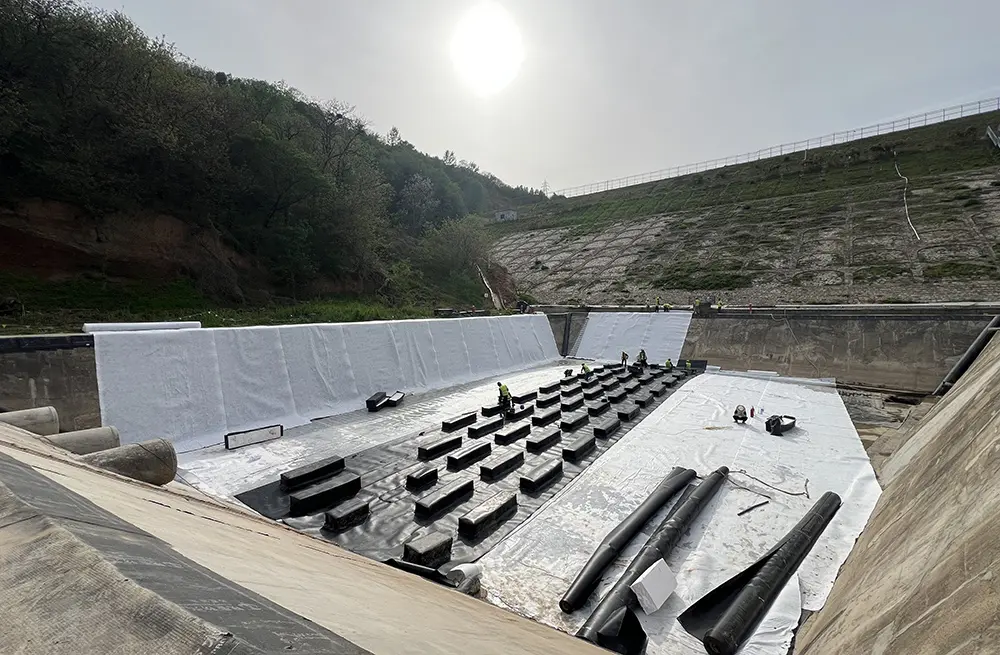
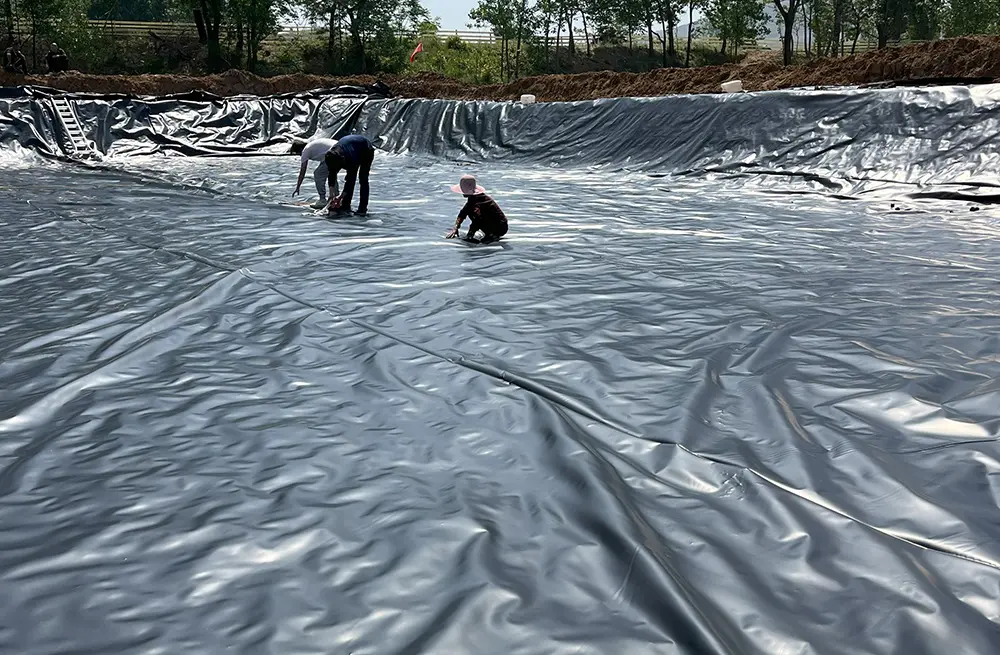
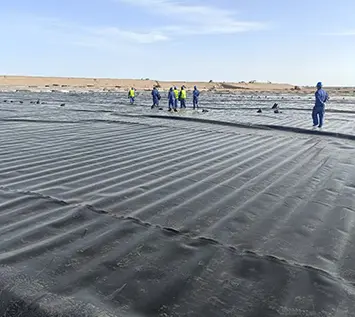
Understanding subgrade preparation, correct overlap widths, and wedge welding adjustments to prevent installation damage.
Implementing non-destructive air-pressure testing on dual-track weld seams and destructive shear testing to confirm weld integrity.
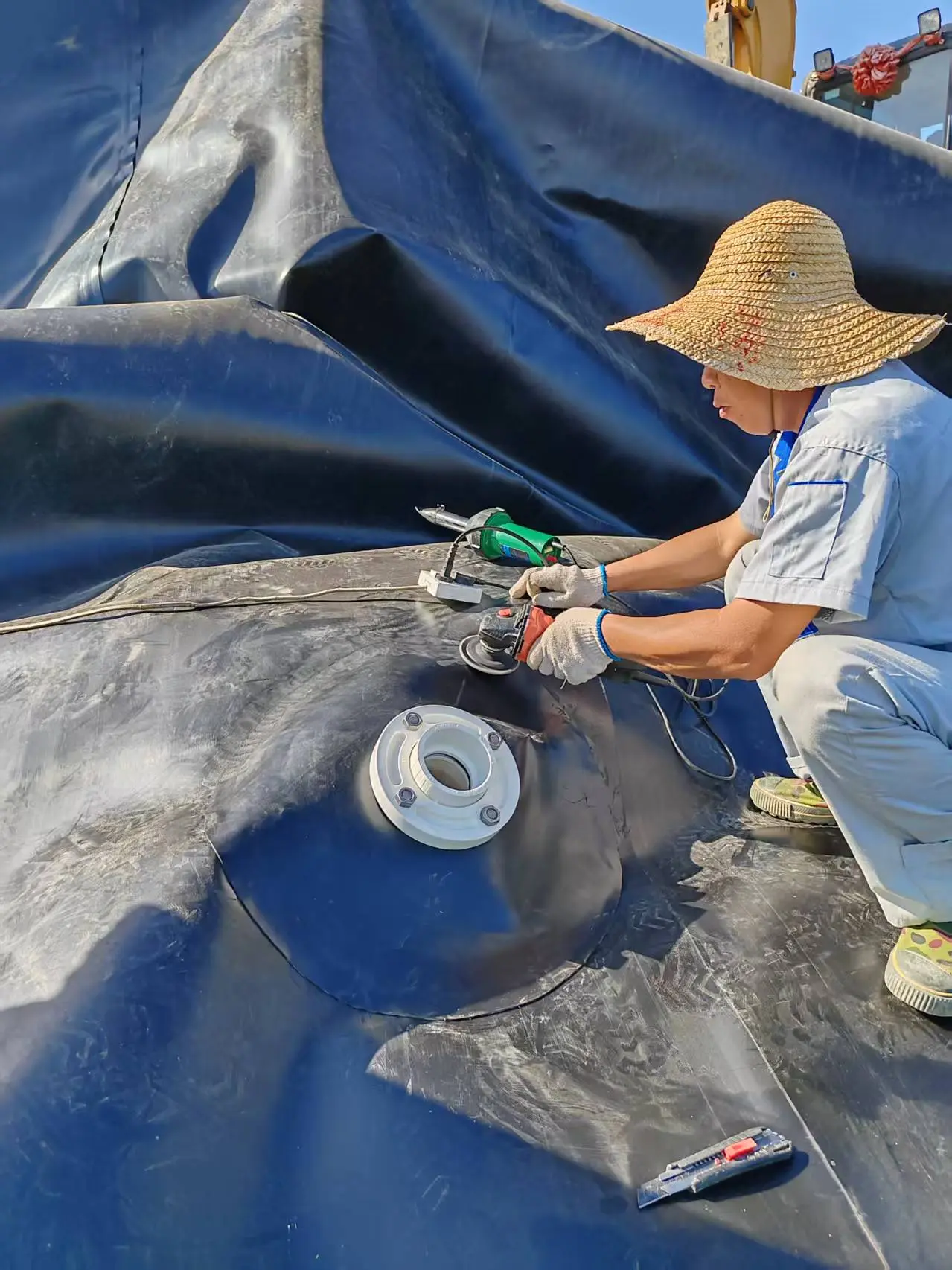
Design guidelines for slope anchoring trenches, mechanical connections to concrete outlets, and protective geotextile selection.
HDPE (High-Density Polyethylene) provides high chemical resistance, tensile strength, and durability, making it suitable for landfills and waste containment.
LLDPE (Linear Low-Density Polyethylene) offers more flexibility and elongation, allowing it to adapt to ground settlements and irregular surfaces without tearing.
LDPE (Low-Density Polyethylene) is typically used for less demanding applications and temporary covers where cost and basic protection are the main priorities.
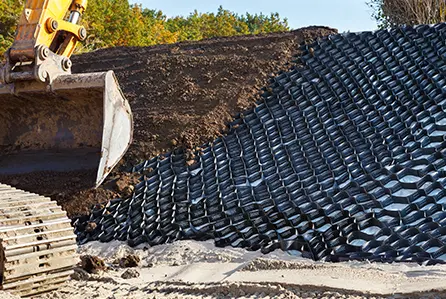
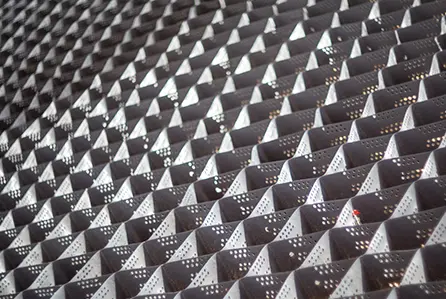
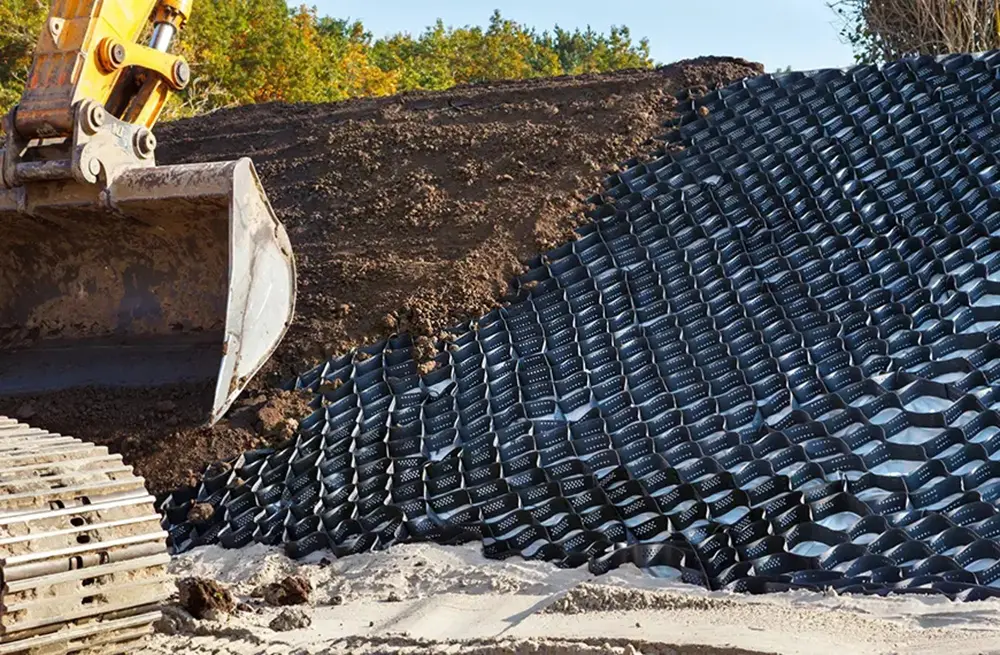
Plastic geocells utilize a three-dimensional honeycomb structure that confines infill materials like gravel, soil, or concrete. This confinement prevents lateral movement of the infill under loads, distributing weight across a wider area and reducing erosion from surface runoff on steep slopes.
Non-woven geotextiles, made from needle-punched polyester or polypropylene fibers, act as a filter that lets water pass while retaining fine soil particles. They are used in retaining walls and roadbases to prevent different soil layers from mixing, maintaining the drainage capacity of the system.
Unlike gravity-fed systems, a siphonic drainage system runs full of water. This creates a vacuum that pulls rainwater rapidly through the pipe network. It allows for smaller pipe diameters and flat installations, which is ideal for managing stormwater in modern urban green spaces and sponge cities.
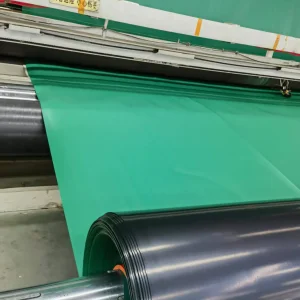
Yes. We manufacture double-color geomembranes (such as green/black or white/black). The light-colored top layer reflects sunlight to reduce heat buildup and thermal expansion. It also makes visual inspection easier, as any scratches or punctures show the darker layer underneath.
Our products meet international ASTM testing standards (such as GRI-GM13 for HDPE and GRI-GM17 for LLDPE) and comply with ISO 9001, ISO 14001, and OHSAS 18001 standards. This ensures our materials meet structural requirements for municipal and industrial projects.
Compare and specify key components for environmental lining, municipal siphonic drainage, and slope stability projects.
 Changhong