The global polyethylene (PE) industry has witnessed a paradigm shift in manufacturing density and technological concentration over the last decade. As the most widely used plastic in the world, the "Density of PE Factories" is no longer just a measure of volume, but a benchmark for supply chain resilience and innovation. From the high-tech hubs in East Asia to the specialized processing zones in North America, the concentration of production facilities allows for unprecedented economies of scale.
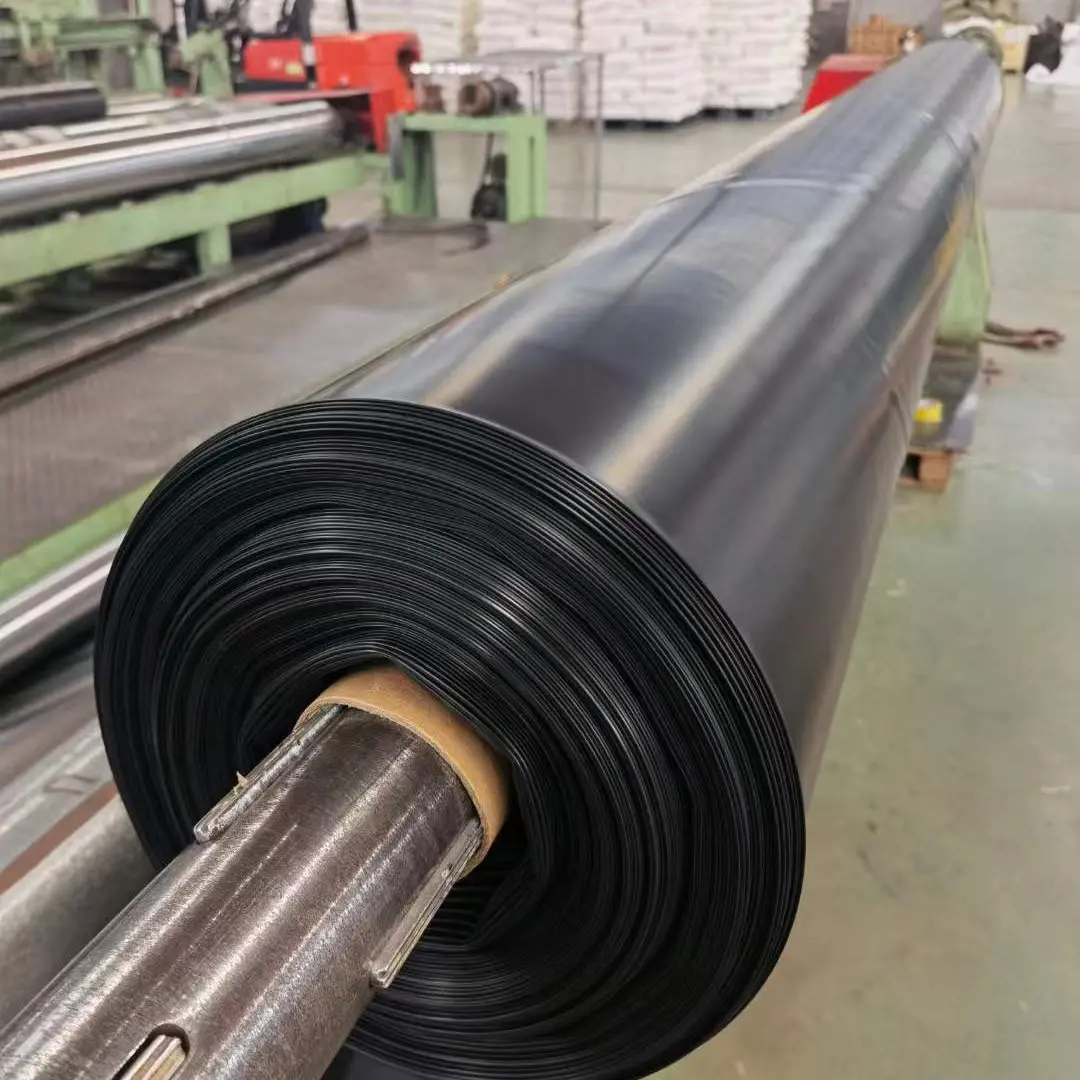
Currently, the market is segmented into High-Density Polyethylene (HDPE), Low-Density Polyethylene (LDPE), and Linear Low-Density Polyethylene (LLDPE). The "Best Density" refers to the strategic geographical clusters—most notably in China's Shandong province—where raw material access, logistics, and engineering expertise converge. This density fosters a competitive environment that drives down costs while pushing the boundaries of material science, leading to the development of ultra-durable geomembranes and specialized construction liners that are essential for 21st-century infrastructure.
The industry is moving toward Smart Manufacturing and sustainability. Modern PE factories are integrating AI-driven quality control systems to ensure the uniform density and molecular weight distribution of geomembranes. One of the most significant trends is the shift toward "Sponge City" concepts and circular economy initiatives. Governments worldwide are demanding materials that not only protect the environment but are also manufactured with a lower carbon footprint.
Transitioning from standard resins to anti-aging, non-toxic, and UV-resistant HDPE formulations for 50-year service lives in harsh environments.
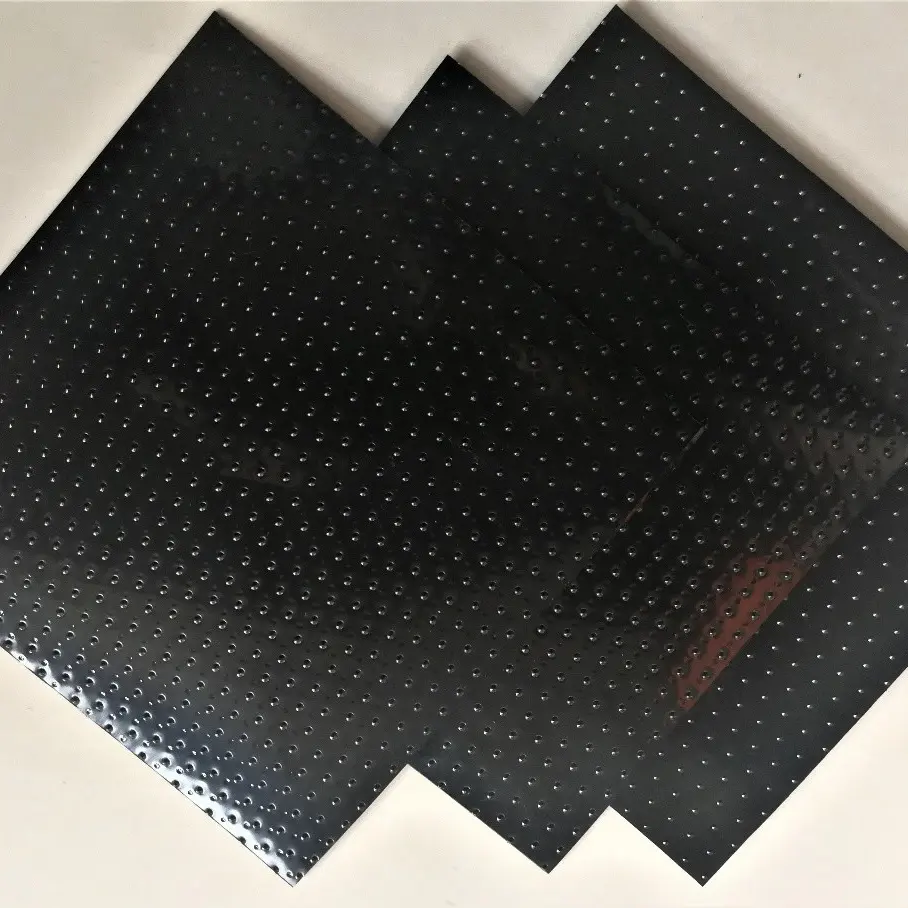
Development of coarse-textured surfaces to increase friction coefficients in steep slope mining and landfill applications.
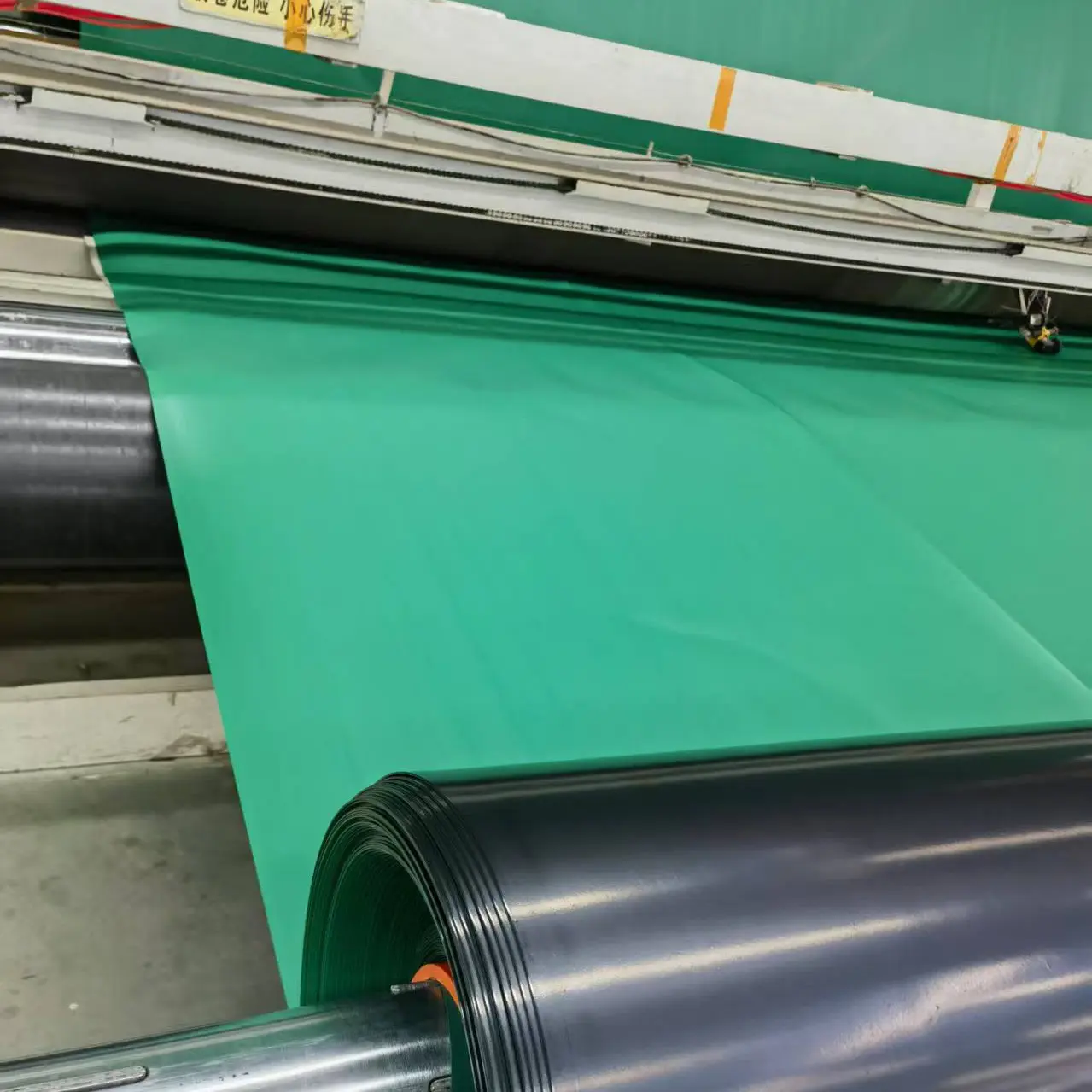
Using 3-layer co-extrusion technology to produce double-color geomembranes for better leak detection and thermal management.
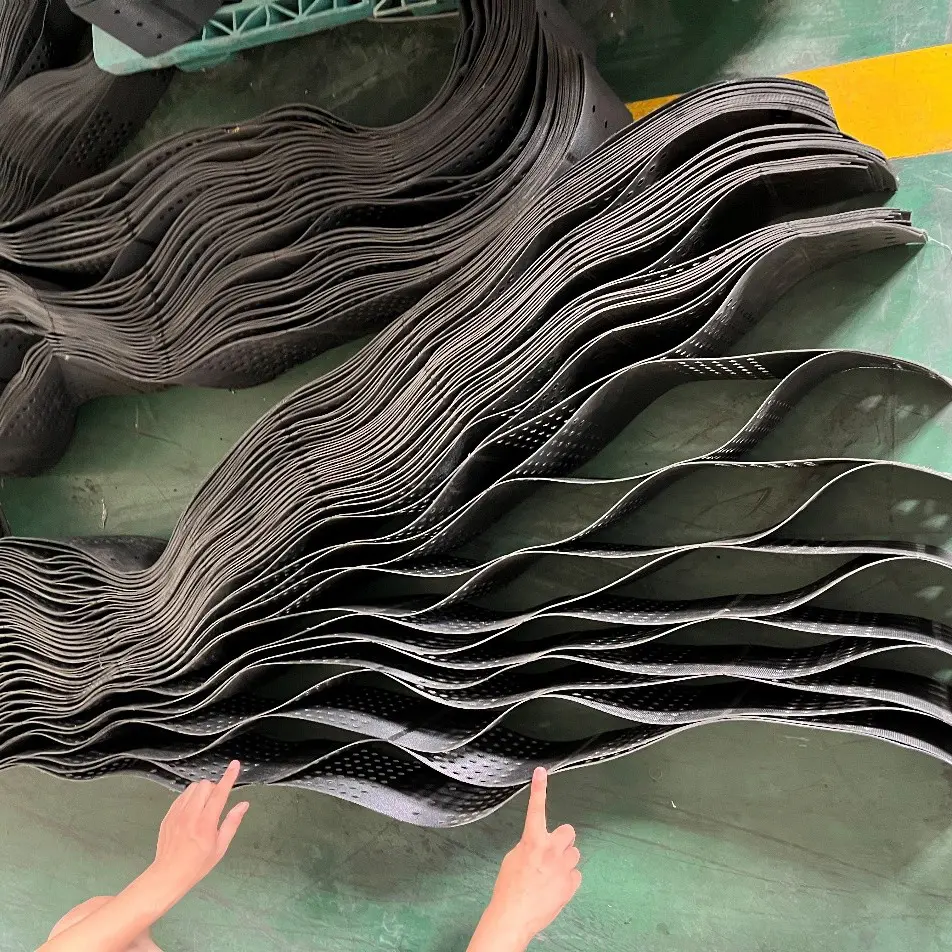
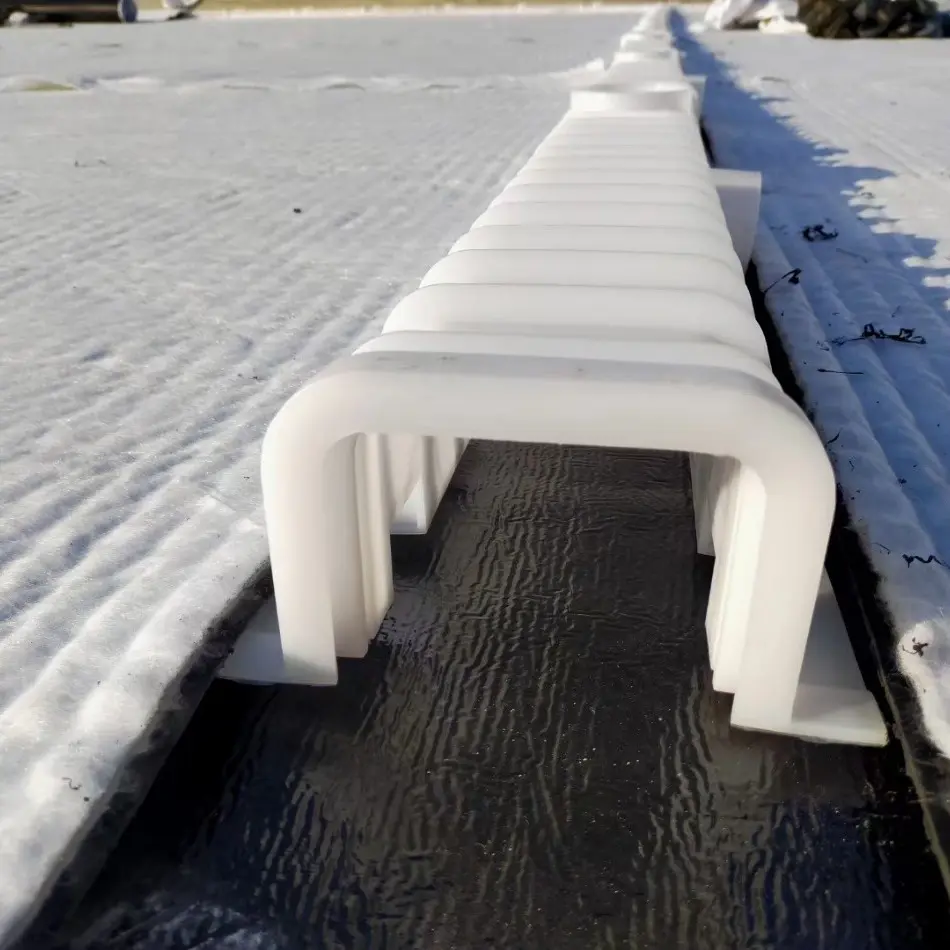
Furthermore, the integration of Geosynthetic Clay Liners (GCL) and hybrid polyethylene structures is becoming standard in the mining and waste management sectors. As global procurement needs shift toward one-stop solution providers, factories with high production density are diversifying their catalogs to include everything from geocells to siphonic drainage systems.
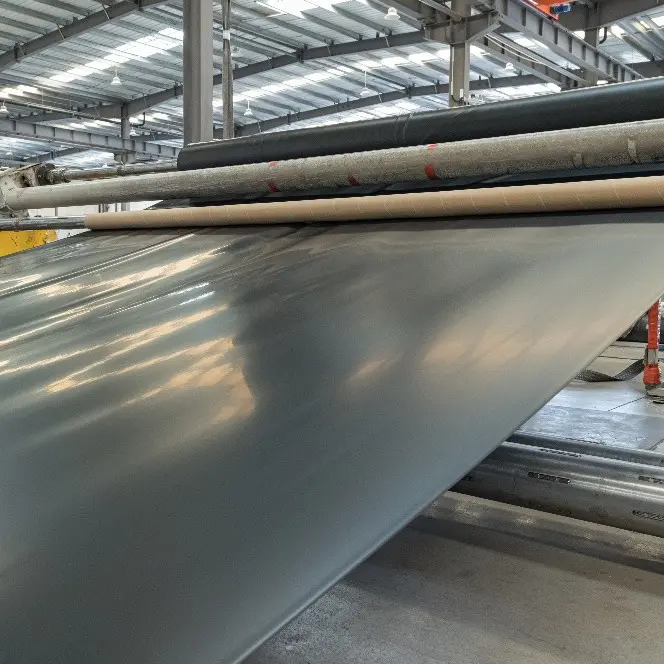
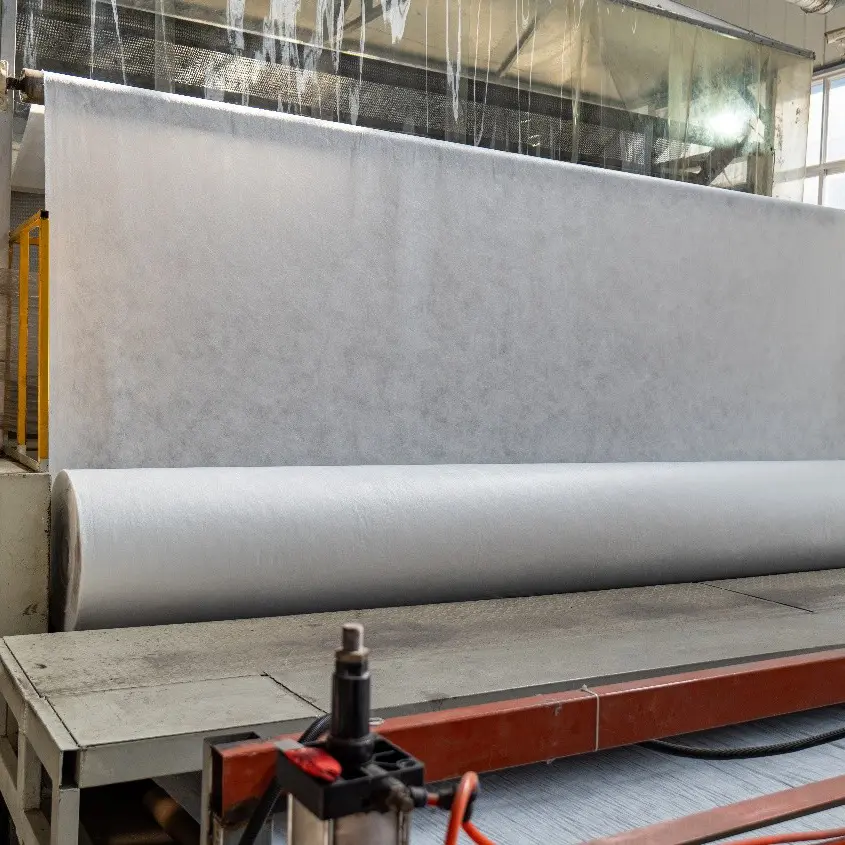
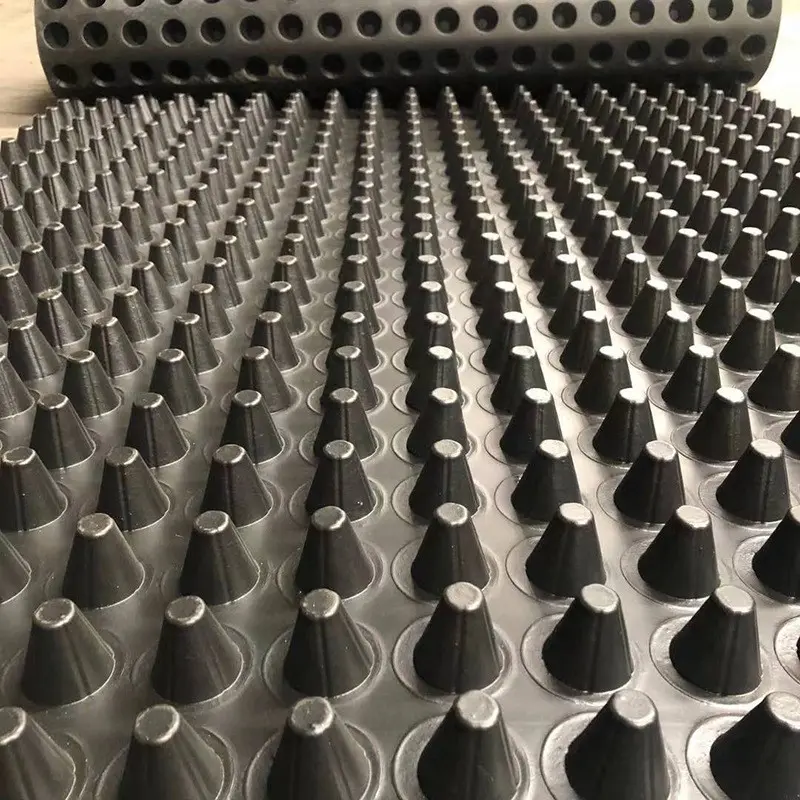
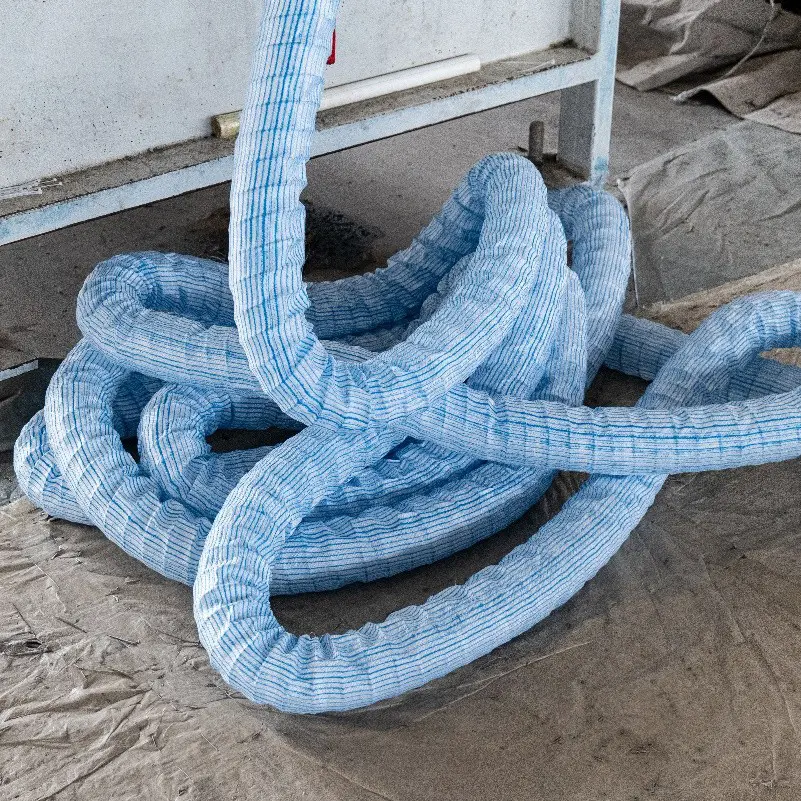
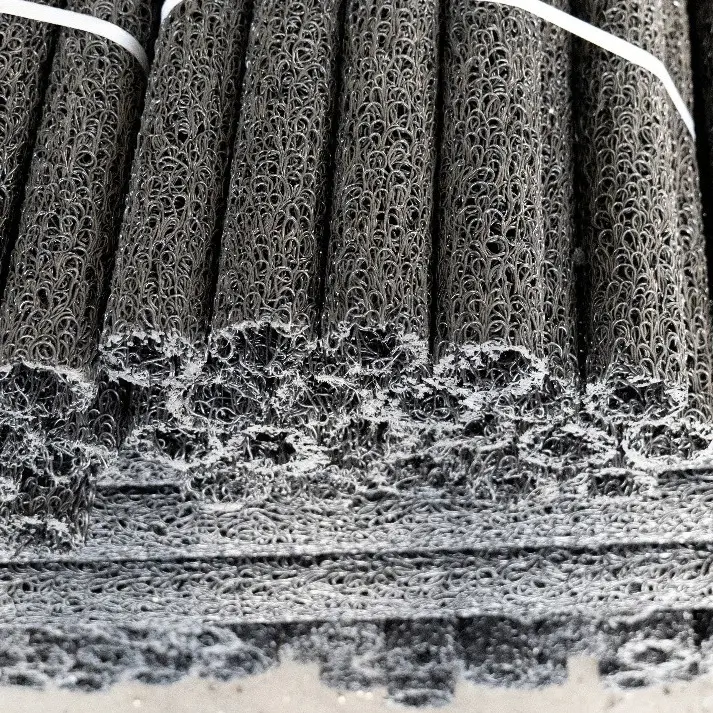
The company specializes in the production of smooth geomembrane, rough geomembrane, double color geomembrane, geotextiles (polyester short fiber non-woven fabric, polyester long fiber non-woven fabric, polypropylene short fiber non-woven fabric, hot-rolled non-woven fabric), drainage board, drainage net, geogrid, geocell, flexible permeable pipe, plastic blind drain and other environmentally friendly geosynthetic materials. Relying on a long-term and stable raw material supply system and strict product formulas, we can customize various material products such as HDPE, LDPE, EVA, and ECB according to customer needs.
The company has passed the ISO9001, ISO14001 and OHSAS18001 certifications, and has professional technical personnel and advanced equipment and instruments. There are currently over 60 employees, including 3 chief chemical process engineers, 5 mechanical engineers and 9 professional equipment operation engineers. The above-mentioned professionals have many years of practical working experience. The strong technical strength ensures the stability and forward-looking nature of the products. The company has always kept an eye on the world's advanced level. With its strong economic and technological strength, it maintains leading geosynthetic material production lines and testing equipment. Relying on a complete product production system and quality inspection system, it creates high-quality and high-standard products.
Changhong Engineering Materials Co., Ltd. is always committed to making friends with customers, getting close to them with sincerity, satisfying them with actions, and achieving win-win results with them. Based on excellent products and services, we provide customers with stable and advanced products and services, and establish long-term friendly cooperative partnerships with customers.
Our company's products have a wide range of applications, featuring anti-aging, long service life, environmental friendliness and non-toxicity. It is mainly applied to environmental protection landfill sites, artificial lakes, chemical plant slag yards, tailings DAMS, highways, railways, water conservancy, power, soil and water conservation, environmental greening, various breeding farms, canals and reservoirs and other infrastructure facilities.
Why choose a high-density industrial cluster in China? The answer lies in the Integrated Supply Chain Advantage. Being located in a major industrial zone allows us to minimize transport costs of raw materials, access a highly skilled labor pool, and utilize shared logistics networks. For international buyers, this translates to:
Global procurement teams from EPC (Engineering, Procurement, and Construction) companies often face the challenge of sourcing materials that balance technical performance with budgetary constraints. In the realm of PE factory density, the ability to provide technical data sheets (TDS), third-party test reports (such as TRI or GSI), and seamless logistics is paramount.
Whether it is a gold mine in South America requiring heavy-duty HDPE liners for heap leaching or a municipal water project in Southeast Asia needing siphonic drainage systems for flood control, our factory provides the necessary technical support. We understand the nuances of international trade, from container optimization to UV stabilization requirements for tropical climates. By maintaining a high density of production lines, we ensure that no project—regardless of size—is delayed by manufacturing bottlenecks.
 Changhong