Why Choose Drain Line Pipe for Global Projects?

Time:2026-10-15 Author:Henry
0%

Global drainage projects face rising sanitation needs, heavier rainfall, and aging underground assets. The case for Drain Line Pipe begins with reliability, not appearance. According to the WHO and UNICEF Joint Monitoring Programme’s 2023 report, 3.5 billion people lacked safely managed sanitation in 2022. That figure gives drainage infrastructure a human dimension. A blocked line can affect homes, roads, clinics, and local businesses within hours.

The U.S. Environmental Protection Agency’s 2022 Clean Watersheds Needs Survey identified approximately $630.1 billion in documented wastewater infrastructure needs over twenty years. Although this assessment covers the United States, it reflects a wider global challenge: drainage systems must deliver long service with controlled maintenance costs. Drain Line Pipe can support this objective through consistent dimensions, corrosion resistance, and practical installation options. Smooth internal surfaces may also reduce deposits when hydraulic design and cleaning access are properly considered. Small details matter.

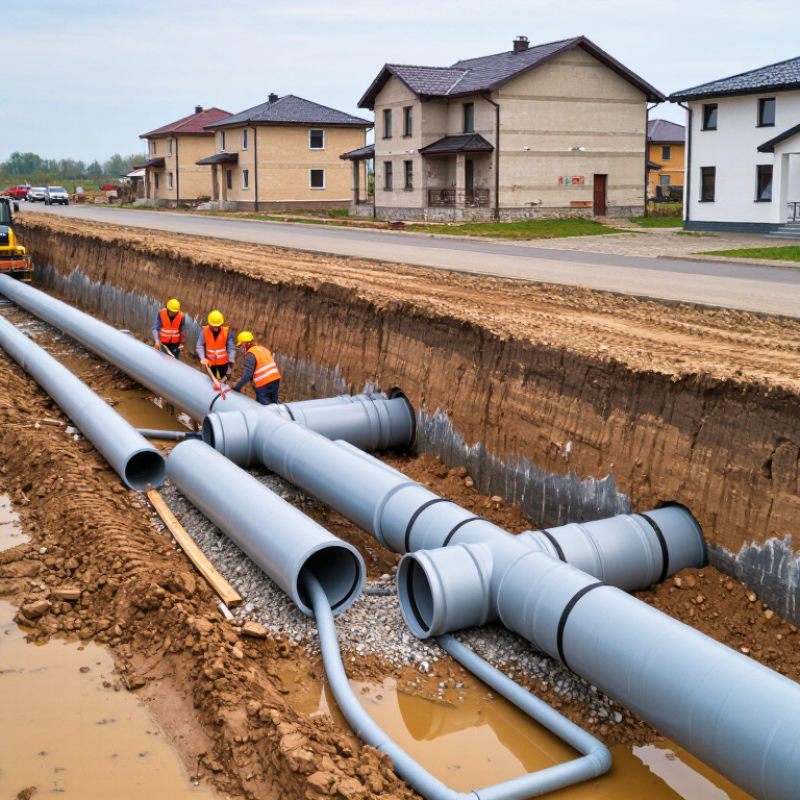
Field experience still challenges simple product claims. A pipe that performs well in one trench may fail elsewhere because of poor bedding, groundwater, traffic loads, or unsuitable joints. Therefore, international projects should connect product selection with hydraulic calculations, soil testing, loading conditions, and applicable standards such as ASTM, EN, or ISO requirements. At a construction site, the difference may be visible in a single detail: a stable pipe surrounded by correctly compacted material, rather than one resting on uneven stones. Drain Line Pipe is not a universal shortcut. It is a dependable option when engineering judgment, documented testing, and local installation expertise work together. Mistakes remain possible, so inspection should never be treated as optional.
Why Choose Drain Line Pipe for Global Projects?

What Is Drain Line Pipe and How Does It Work?

Drain line pipe is a conduit for moving wastewater, rainwater, or process drainage away from buildings and work areas. Unlike pressure pipe, it usually relies on gravity and carefully planned slopes. Water enters through floor drains, inspection chambers, or collection channels. The pipe then guides flow toward treatment, storage, or an approved discharge point.

Its performance depends on more than diameter. Engineers check flow volume, pipe roughness, ground movement, temperature, and maintenance access. A smooth interior reduces deposits, while sealed joints help prevent leakage and soil infiltration.

Bedding matters too. Uneven support can create stress beneath roads or concrete slabs. For global projects, specifications must match local drainage rules and actual site conditions.

Installation teams often set trench levels with laser equipment, place compacted bedding, and test each joint. Camera inspections can reveal offset connections or early deformation before backfilling. Field experience shows that drawings may miss practical problems, especially when heavy rain changes flow rates. No design is perfect. Access points are sometimes underestimated, making future cleaning slower and more expensive. Reliable drainage requires accurate measurements, skilled supervision, and regular inspection.

Which Materials and Designs Suit Global Drainage Projects?

Why Choose Drain Line Pipe for Global Projects?

Material selection should follow climate, soil, loading, and maintenance capacity. WHO and UNICEF reported that 3.5 billion people lacked safely managed sanitation in 2022. This gap increases pressure on reliable drainage infrastructure. Plastic pipes, including HDPE and PVC, resist corrosion and offer manageable installation weights. They suit coastal soils, chemical exposure, and projects with difficult access. Reinforced concrete remains useful under heavy traffic and deep burial. It also tolerates high external loads when joints and bedding are properly designed.

Design matters as much as material. A corrugated outer wall can improve ring stiffness without excessive weight. Smooth internal walls support efficient gravity flow and reduce sediment retention. For non-pressure systems, ISO 11296 provides guidance for buried thermoplastic piping applications. Engineers should verify hydraulic capacity through rainfall intensity, catchment area, slope, and allowable surcharge. A larger diameter is not always safer. Oversized pipes may reduce self-cleansing velocity.

Small details decide field performance.

Gasketed joints need compatibility with local temperatures and ground movement. Bedding must match soil conditions, not merely the drawing. In my experience, imported designs often assume perfect trenches and stable groundwater. That assumption fails. The 2024 UN World Water Development Report highlights rising water stress and uneven infrastructure resilience, reinforcing the need for adaptable specifications. Designers should check UV exposure, freeze-thaw cycles, seismic movement, and repair access. No material wins everywhere. A balanced specification may combine lightweight plastic runs with concrete sections at road crossings.

How Do Drain Line Pipes Meet International Standards?

Why Choose Drain Line Pipe for Global Projects?

International drainage projects demand more than nominal diameter and low cost. They require documented performance across different climates, soils, installation methods, and inspection systems. ISO 4435 and EN 1401-1 define requirements for non-pressure underground drainage pipes, including dimensions, stiffness, joints, and durability. Relevant ASTM methods also support testing for pipe quality, deflection, and leakage.

The need is substantial. The WHO and UNICEF Joint Monitoring Programme reported that 3.5 billion people lacked safely managed sanitation services in 2022. Reliable drainage infrastructure can reduce overflow risks around homes, roads, and treatment facilities. In practice, engineers check ring stiffness before backfilling, then inspect joints with cameras or pressure tests. A clean socket matters. Small alignment errors can become costly failures.

Material selection must match the site. PVC-U, polyethylene, and polypropylene systems can meet different chemical, load, and temperature demands when properly specified. However, certification alone does not guarantee field performance. Soil compaction, groundwater, transport damage, and poor bedding still create weak points. This is where project teams sometimes need to rethink standard assumptions. A pipe may pass factory testing, yet fail after careless installation. Global compliance works best when standards, traceable test records, trained installers, and local authority requirements are reviewed together.

What Factors Guide Drain Line Pipe Selection Worldwide?

Choosing drain line pipe for global projects starts with the site, not a catalog. Engineers examine rainfall, flow volume, soil movement, and burial depth. A pipe beside a coastal road may face salt, heat, and groundwater pressure. In colder regions, freeze-thaw cycles can shift joints. Small details matter. A rushed survey can create expensive repairs later. Field teams should record actual trench conditions, not rely only on design drawings.

Material choice follows the exposure. Corrosive wastewater may require strong chemical resistance, while abrasive stormwater can demand durable inner walls. Diameter must support peak flow without encouraging sediment buildup. Stiffness, flexibility, and load capacity also depend on traffic above the line. Joint design deserves equal attention. Poorly aligned seals invite infiltration. It happens quietly. Local codes, testing methods, and installation practices must be checked before procurement, because one specification may not fit every country.

Reliable selection also considers transport, handling, inspection, and future cleaning. Lightweight sections can reduce lifting risks, but they may need careful bedding and backfill. Heavier pipe can tolerate some site abuse, yet shipping costs rise quickly. Long-term cost is more useful than the lowest purchase price. I have seen projects overfocus on unit price and underfund inspection. That decision looked efficient on paper. It was not. A documented quality plan, trained installers, and accessible maintenance points make the final system more dependable.

Why Choose Drain Line Pipe for Global Projects? - What Factors Guide Drain Line Pipe Selection Worldwide?

Typical technical comparison for gravity drainage and sewer pipe selection
Pipe Material Typical Outside Diameter Range Approx. Density Typical Manning Roughness, n Common Service Temperature Typical Strength or Stiffness Reference Main Selection Advantages Key Design Limitations
PVC-U 110–1,000 mm 1,350–1,450 kg/m³ 0.009–0.011 Normally up to approximately 60°C for continuous service SN2, SN4, SN8 and higher ring-stiffness classes are commonly specified Low weight, smooth bore, strong corrosion resistance, simple jointing and predictable hydraulic performance Temperature and impact performance must be checked; installation quality controls long-term deflection
HDPE 90–1,600 mm and larger for selected systems 940–970 kg/m³ 0.009–0.011 Commonly used up to approximately 60°C, subject to design derating Ring stiffness and pressure class depend on wall thickness, SDR and installation conditions Excellent flexibility, high impact resistance, fused leak-resistant joints and good performance in ground movement Thermal expansion, creep, buoyancy and allowable deflection require careful engineering
Reinforced Concrete 300–3,600 mm and larger for special projects 2,200–2,400 kg/m³ 0.012–0.015 Generally suitable for normal municipal drainage temperatures Specified by concrete strength, reinforcement design, load class and bedding conditions High external-load capacity, large available diameters and strong resistance to flotation Heavy transport and installation, possible chemical attack and higher lifting-equipment requirements
Ductile Iron 80–2,600 mm 7,000–7,300 kg/m³ 0.011–0.013 Typically suitable for normal drainage and sewer temperatures High ring strength; pressure and load capacity are determined by wall thickness and class High mechanical strength, compact wall thickness and suitability for deep burial or traffic loading Heavy material, higher corrosion-control requirements and potentially higher installed cost
Vitrified Clay 100–1,200 mm 2,000–2,200 kg/m³ 0.011–0.013 Generally suitable for municipal wastewater temperatures Class and load performance depend on wall design, joint system and installation conditions Excellent chemical resistance, long service potential and stable material properties Brittle compared with thermoplastics, heavier than plastic pipe and more sensitive to handling damage

Worldwide Drain Line Pipe Selection Factors

Decision Dimension Relevant Project Data Why It Matters Preferred Design Response
Hydraulic Capacity Peak flow, minimum flow, slope, allowable velocity and pipe diameter Pipe roughness and internal diameter directly affect flow capacity and self-cleansing performance Use hydraulic calculations based on the selected pipe's internal dimensions and a project-approved roughness coefficient
Burial Depth and External Load Cover depth, trench width, soil density, groundwater, road traffic and construction loads Flexible pipes rely on soil-pipe interaction, while rigid pipes carry a larger share of external load Select ring stiffness, wall class, bedding and backfill together rather than selecting pipe material alone
Soil and Groundwater Soil pH, chlorides, sulfates, abrasiveness, settlement and groundwater level Corrosion, chemical attack, flotation and differential settlement can reduce service life Use corrosion-resistant materials, protective linings, anchoring or flexible joints where site conditions require them
Climate and Temperature Minimum and maximum ground temperature, wastewater temperature, ultraviolet exposure and freeze-thaw cycles Temperature changes affect stiffness, expansion, contraction and material durability Apply the manufacturer's temperature derating and provide suitable bedding, cover and expansion control
Installation Method Open trench, pipe jacking, sliplining, relining, directional drilling or marine installation Bending capability, joint design, pull strength and allowable installation loads vary by material Match the pipe system to available equipment, access restrictions and construction tolerances
Leak Tightness and Infiltration Control Groundwater pressure, joint count, allowable leakage and testing requirements Poor joints can allow exfiltration, infiltration, root intrusion and unnecessary treatment demand Specify compatible gaskets or fused joints and require air, water or exfiltration testing as applicable
Standards and Local Compliance Applicable national standards, design codes, dimensional system, quality documentation and acceptance testing Diameter tolerances, stiffness classes, joint requirements and test methods differ between regions Confirm the governing standard before procurement and ensure all components use compatible dimensions
Whole-Life Cost Material price, transport, installation, inspection, cleaning, repair and expected service life The lowest purchase price may not produce the lowest installed or lifetime cost Compare total installed cost, maintenance frequency, energy demand and expected renewal requirements

Note: Values are typical engineering ranges for preliminary comparison. Final selection must be verified against the applicable regional standard, hydraulic model, geotechnical report, loading calculation, temperature limits and manufacturer-certified data.

How Are Drain Line Pipes Installed and Maintained?

Drain line pipe installation begins with a careful site survey. Crews check soil conditions, groundwater, existing utilities, and the planned gradient. A stable trench bed prevents settlement and joint stress. Pipes are then placed on compacted bedding, aligned, and connected with sealed joints. Backfill should be added in controlled layers, not dumped around the pipe. Poor compaction can create voids, sagging, and repeated blockages. Specifications may look perfect on paper, yet soil surprises remain.

Maintenance starts with accurate records. CCTV inspections can reveal cracks, root intrusion, displaced joints, and sediment buildup before failures occur. Operators often combine inspection with jet cleaning, but excessive pressure can damage older pipe walls. The U.S. EPA’s 2022 Clean Watersheds Needs Survey identified about 630.1 billion dollars in wastewater infrastructure needs over twenty years. That figure shows why preventive maintenance matters. The WHO and UNICEF Joint Monitoring Programme reported that 3.5 billion people lacked safely managed sanitation in 2022. Reliable drainage systems remain a practical public-health requirement, not merely a construction feature.

Tips: Confirm the gradient with laser equipment before backfilling. Photograph every connection and inspection chamber. Test for leakage according to the project specification. Schedule inspections after major storms and before peak rainy seasons. Do not assume clean water proves a sound line; hidden settlement can remain. Reviewing failed sections honestly often improves the next installation.

FAQS

What is a drain line pipe?

A drain line pipe carries wastewater, rainwater, or process drainage away from buildings and work areas. It usually works by gravity. The pipe leads flow toward treatment, storage, or an approved discharge point.

How does a drain line pipe move water?

Water enters through floor drains, inspection chambers, or collection channels. A planned slope guides the water through the pipe. Unlike pressure systems, gravity normally provides the driving force. Slope matters greatly.

What affects drain line pipe performance?

Performance depends on flow volume, pipe roughness, temperature, ground movement, and maintenance access. A smooth interior can reduce deposits. Sealed joints help prevent leakage and soil infiltration. Uneven bedding may stress pipes beneath roads or concrete slabs.

How should engineers select drain line pipes for different sites?

Engineers should study rainfall, peak flow, soil movement, burial depth, groundwater, and traffic loads. Coastal roads may expose pipes to salt, heat, and groundwater pressure. Cold regions may experience freeze-thaw movement. A hurried survey can cause expensive repairs.

Which material properties matter during selection?

Chemical resistance matters for corrosive wastewater. Abrasion resistance helps with gritty stormwater. Stiffness and flexibility must match burial and traffic conditions. Diameter should handle peak flow without encouraging sediment buildup. One specification may not fit every location.

How can installation teams improve drainage reliability?

Teams should confirm trench levels with accurate measuring equipment. They need compacted bedding and carefully aligned joints. Each connection should be tested before backfilling. Backfill quality matters. Careless placement can damage an otherwise suitable pipe.

What inspections are useful before covering the pipe?

Camera inspections can reveal offset joints, deformation, or damaged sections. Teams may also check leakage and joint performance through suitable field tests. Inspection records should identify locations and corrective actions. Drawings can miss practical problems.

How do international projects address standards and local requirements?

Project teams should review recognized drainage requirements, test methods, and local authority rules together. Records should cover dimensions, stiffness, joints, durability, leakage, and deflection. Certification alone does not guarantee field performance. That assumption deserves reconsideration.

What maintenance features should a drain line system include?

Accessible inspection points make cleaning and future repairs easier. Teams should consider camera access and safe maintenance routes during design. Too few access points can slow cleaning and increase costs. This detail is often underestimated.

Conclusion

Drain Line Pipe is a practical solution for transporting wastewater, stormwater, and other non-pressurized flows safely away from buildings, roads, and industrial areas. Its function depends on a properly sized pipe, a suitable gradient, and reliable joints that allow water to move efficiently while reducing leakage, blockages, and soil infiltration. For global drainage projects, material and design choices may include corrosion-resistant plastics, concrete, metal, or composite systems, depending on soil conditions, temperature, loading requirements, flow volume, and expected service life.

International projects must also consider recognized standards for dimensions, pressure or load performance, joint quality, environmental protection, and product testing. Selecting the right Drain Line Pipe requires evaluating local climate, installation conditions, maintenance access, budget, and compatibility with existing networks. Proper installation includes accurate trench preparation, stable bedding, correct alignment, secure connections, and thorough inspection. Regular maintenance, including cleaning, flow checks, and timely repairs, helps preserve system performance and extend the working life of the drainage network.


Henry

Henry

Henry is a dedicated marketing professional with a profound expertise in the company's offerings. With years of experience in the industry, he possesses an impressive understanding of the market dynamics and consumer behaviors that drive success. Henry is committed to sharing his insights through......