In today's construction and landscaping industries, the importance of effective drainage solutions cannot be overstated. One prominent expert in the field, Dr. Emily Carter, states, “Permeable drainage pipes are vital for sustainable water management.” Her insight highlights the necessity for innovation in drainage systems. Permeable Drainage Pipes allow water to flow through, reducing surface runoff and minimizing flooding risks.
As global demand for such solutions grows, buyers often face challenges in selecting the best products available. The market offers various options tailored to different needs, from residential use to large-scale projects. However, the choice can be overwhelming. It’s crucial to focus on quality and reliability.
Selecting a Permeable Drainage Pipe requires careful consideration. Factors such as material, flow rate, and installation methods play significant roles. Seeking expert advice and understanding the specifications can prevent costly mistakes. Aim for effective drainage that meets environmental standards and ensures efficiency.
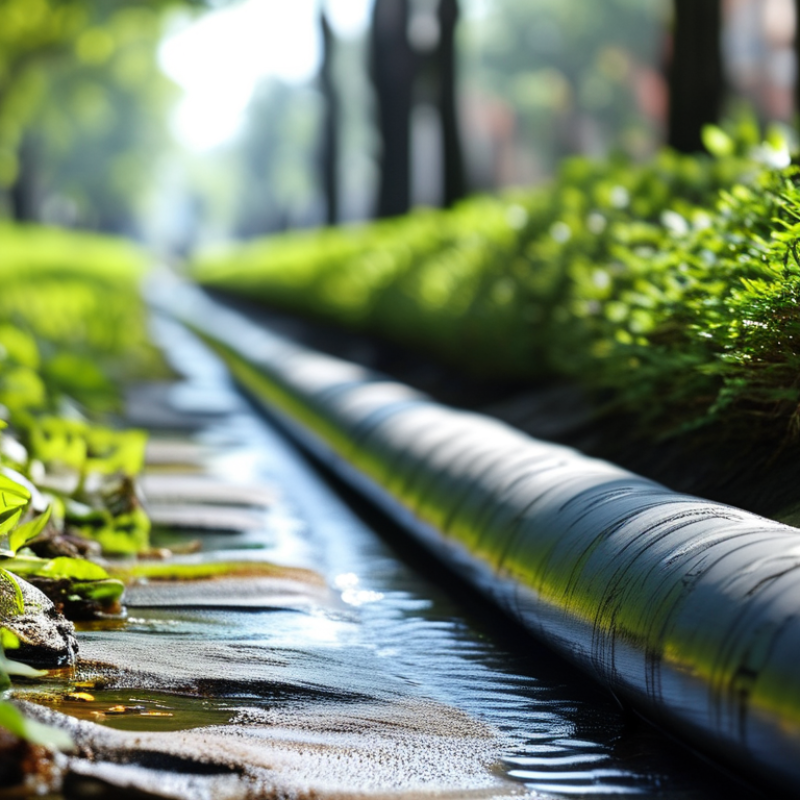
Permeable drainage pipes are crucial for effective water management. They allow rainwater to seep through their surfaces, reducing runoff and enhancing groundwater recharge. A report from the International Water Management Institute indicates that effective drainage systems can significantly lower flood risks in urban areas. As climate change heightens these risks, the demand for permeable solutions is increasing.
Several global options are available. For instance, specific types of permeable pipes feature unique designs that enhance filtration and flow rates. Some studies suggest that utilizing a combination of these products can optimize hydrology in various landscapes. It is essential to consider installation and maintenance factors, as these directly impact the pipes' longevity and efficiency. Users must also reflect on regional soil types and climate conditions, as these variables influence performance.
However, challenges arise with permeable systems, particularly in areas with heavy clay soils. These conditions can hinder drainage performance. Moreover, installation errors can lead to inadequate function, negating the potential benefits. Understanding these nuances is vital for ensuring the right choices are made in piping systems. Ultimately, better-informed decisions will contribute to healthier ecosystems and more resilient urban infrastructure.
| Rank | Pipe Material | Diameter (mm) | Permeability (L/s/m²) | Length (m) | Applications |
|---|---|---|---|---|---|
| 1 | HDPE | 100 | 20 | 6 | Stormwater Management |
| 2 | PVC | 150 | 25 | 4 | Agricultural Drainage |
| 3 | Concrete | 200 | 30 | 3 | Urban Runoff |
| 4 | Corrugated Steel | 300 | 18 | 5 | Highway Drainage |
| 5 | Polypropylene | 75 | 22 | 7 | Construction Sites |
| 6 | Fiberglass | 50 | 26 | 8 | Residential Purposes |
| 7 | Reinforced Concrete | 250 | 35 | 9 | Industrial Sites |
| 8 | Composite Materials | 120 | 24 | 10 | Landfill Sites |
| 9 | Asphalt | 80 | 19 | 12 | Parks & Recreation Areas |
| 10 | Geocomposite | 65 | 23 | 11 | Environmental Remediation |
: Common materials include PVC, HDPE, concrete, steel, and geotextile fabrics.
PVC pipes are lightweight, resistant to corrosion, and offer good flow rates.
Concrete pipes are durable but can be heavy and difficult to install.
The permeability rate affects how quickly water flows, impacting drainage efficiency.
Yes, certain materials may clog and require regular maintenance to remain effective.
Larger diameter pipes handle more water but can be more expensive.
Environmental conditions and specific drainage needs should guide your choice of material.
Yes, balancing these factors is crucial for effective drainage solutions.
Geotextile fabrics enhance drainage efficiency by preventing sediment buildup.
Steel pipes are strong but need protective coatings to prevent rust.
The article titled "Top 10 Permeable Drainage Pipes for Global Buyers Guide" provides a comprehensive overview of various permeable drainage pipe options available globally. It highlights key features to consider when selecting these systems, such as durability, permeability rate, and installation ease. Additionally, the article compares different materials utilized in top permeable drainage pipes, showcasing their respective advantages and limitations.
Moreover, the environmental impact of permeable drainage systems is explored, emphasizing their benefits in reducing runoff and improving water quality. The article also addresses current market trends and innovations in permeable drainage solutions, reflecting the growing demand for sustainable water management practices. Overall, this guide serves as a valuable resource for buyers looking to understand and select the most suitable permeable drainage pipe for their needs.

 Changhong