In the construction and infrastructure sectors, the demand for high-quality Filter Drain Material is ever-increasing. According to a report from the Global Construction Materials Market, the Filter Drain Material segment is projected to grow at a compound annual growth rate (CAGR) of 6% over the next five years. This growth reflects a broader trend towards sustainable construction practices and efficient water management systems.
Experts like Dr. Emily Carter, a leading authority in drainage materials, emphasize the importance of selecting the right products. She once stated, "The effectiveness of water drainage systems largely hinges on the quality of filter drain materials used." Her insights highlight the critical nature of these materials in ensuring long-term infrastructure resilience.
Despite advancements in technology, challenges remain in sourcing materials that meet both performance and sustainability criteria. Many suppliers struggle to keep pace with evolving industry standards. This gap presents an opportunity for global procurement teams to reassess their strategies for acquiring high-quality Filter Drain Material. A strategic approach can lead to better outcomes in both environmental impact and project efficiency.
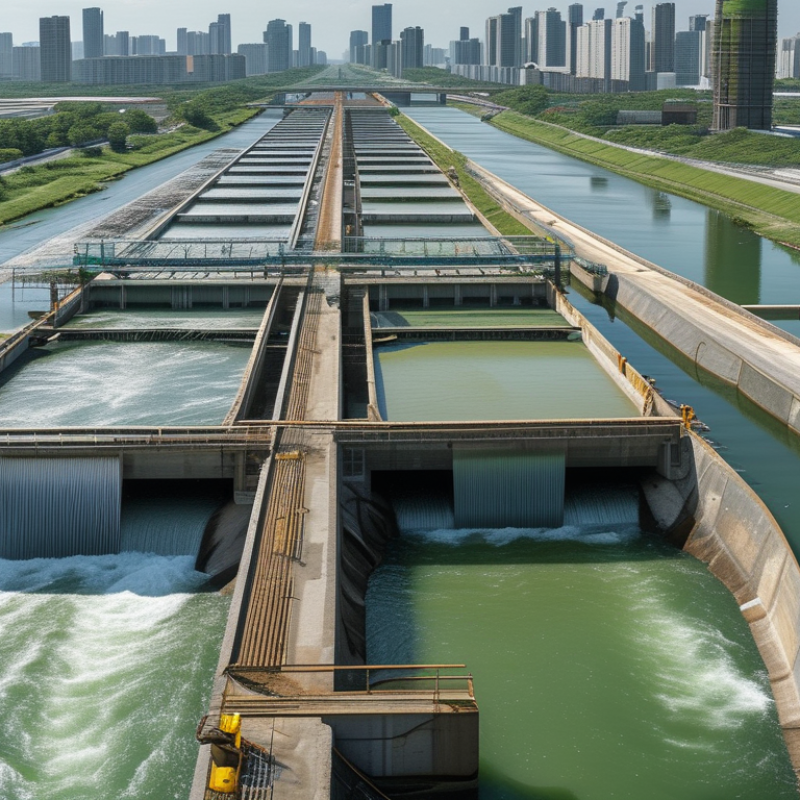
The global market for filter drain materials continues to evolve. Market demand is influenced by infrastructure projects and environmental regulations. Engineers and procurement teams need to stay informed about these trends. Strong demand exists for effective and sustainable solutions.
Recently, innovations in materials have emerged. Some products claim to enhance drainage performance. However, the market is still grappling with varying quality standards. This inconsistency complicates supplier selection. Buyers must conduct thorough research to identify reliable materials. Relying on outdated practices may lead to inefficiencies.
Sustainability is a growing focus. Many stakeholders are seeking eco-friendly options. However, some products marketed as "green" may not meet all expectations. A critical eye is needed when evaluating these choices. Strong cooperation between manufacturers and the construction sector can drive improvements. Addressing these issues requires a commitment to transparency and quality assurance.
| Material Type | Market Demand (tons) | Growth Rate (%) | Top Regions | Applications |
|---|---|---|---|---|
| Geotextiles | 150,000 | 8% | North America, Europe | Drainage Systems, Erosion Control |
| Perforated Pipes | 120,000 | 6% | Asia-Pacific, Middle East | Stormwater Management, Agricultural Fields |
| Sand Filters | 80,000 | 5% | Europe, North America | Wastewater Treatment, Landscape Irrigation |
| Gravel | 200,000 | 3% | Global | Filtration, Drainage Layers |
| Synthetic Fibers | 50,000 | 10% | North America, Asia-Pacific | Geotechnical Applications, Drainage Systems |
Choosing the right drainage filter material is crucial in construction. Effective drainage systems minimize water accumulation and provide stability. The ideal material should have high permeability to allow water to flow freely. This helps prevent soil erosion and potential structural failures.
Another essential property is durability. A good drainage filter material must withstand varying environmental conditions. It should resist degradation from moisture and UV exposure. For example, certain geotextiles are known for their incredible resilience, making them a favored choice among engineers.
Cost is always a consideration. While spending less is tempting, cheaper options may lead to long-term problems. A lack of quality often results in more frequent repairs or replacements. It’s vital to weigh the initial investment against future maintenance costs. Selecting effective drainage filter materials is complex but necessary for sustainable construction practices.
When it comes to filter drain materials, certain countries have carved out a significant niche in the global market. Countries like Germany, the United States, and Japan are leading producers. These nations benefit from advanced manufacturing technologies and a robust supply chain framework. Their expertise in producing high-quality materials ensures reliability and performance.
Germany is known for its engineering excellence. The country emphasizes innovation in filter drain technology. This focus on quality has positioned German suppliers as trusted partners in many international projects. The United States also plays a crucial role. Its diverse geographic landscape requires varied filtration solutions. Therefore, American manufacturers often adapt to different environmental conditions, ensuring efficient drainage in numerous settings.
On the other hand, while these countries lead, emerging markets show potential. Countries in Asia are ramping up production capabilities. However, quality control can be inconsistent. This poses risks for global buyers. Suppliers must assess the reliability of these new sources. Engaging with experienced suppliers can mitigate these concerns. Ultimately, understanding production dynamics is essential for informed procurement decisions.
The use of natural versus synthetic drain materials has sparked debate in global procurement. Natural materials like sand and gravel are abundant and often more economical. According to a 2022 industry report, natural aggregates typically cost 10-15% less than synthetic alternatives. However, their performance can vary significantly based on local environmental conditions.
On the other hand, synthetic materials such as geotextiles provide consistent performance and durability. They are engineered to enhance drainage efficiency, especially in challenging environments. A recent study showed that synthetic materials can reduce clogging by up to 40% compared to their natural counterparts. This reliability can justify their higher cost, which is around 20-25% more than natural options. Yet, factors like environmental impact and disposal concerns remain issues that practitioners must consider.
Both options have their merits and drawbacks. Natural materials possess a lower initial cost and are often more environmentally friendly. However, they may lack the long-term reliability seen with synthetic materials. Synthetic options guarantee consistent drainage but come with higher costs and potential environmental drawbacks. Finding a balance between these two types is crucial for effective procurement strategies.
When considering top drain filter materials, a cost-benefit assessment reveals essential insights. Various materials offer differing effectiveness and durability. According to a 2022 industry report, geotextiles can filter out particles as small as 100 microns, making them a top choice. However, their installation costs can overshadow other materials, leading to a mixed value perspective.
Consider stone filters. They are inexpensive and relatively easy to install. Their effectiveness, however, can diminish over time due to clogging. A recent study found that stone filters required maintenance or replacement every 3-5 years. This can add hidden costs over the material's lifespan, making it critical to assess both initial and long-term expenses.
**Tip:** Assess maintenance needs early. An overlooked factor in procurement decisions can lead to higher costs later. Evaluate material durability alongside purchase prices. Long-term savings can outweigh upfront investments.
Evaluating composite filters is another option. They blend multiple materials to enhance performance. This option can provide a good balance of cost and effectiveness. Research indicates that composite systems can outperform single-material solutions. They can filter larger volumes of water with lower maintenance needs, offering better long-term value. Yet, complexities in installation can arise, requiring skilled labor.
: Infrastructure projects and environmental regulations significantly affect the demand.
Yes, new products claim to enhance drainage performance, but quality varies.
Varying quality standards make it hard to choose reliable suppliers.
Conduct thorough research to identify trustworthy options.
Sustainability is increasingly important, with many seeking eco-friendly products.
No, some eco-friendly options may not meet all performance expectations.
Natural materials can be 10-15% cheaper than synthetic alternatives.
Synthetic materials enhance drainage efficiency and reduce clogging by up to 40%.
They may lack long-term reliability and performance consistency.
Strong cooperation and transparency between manufacturers and the construction sector are essential.
The article "Top Filter Drain Material for Global Procurement Needs?" explores the critical factors influencing the market demand and trends associated with filter drain materials in the construction industry. It highlights essential properties that make filter drain materials effective, such as permeability, durability, and environmental impact. A comparative analysis of natural versus synthetic drain materials is presented, examining their respective advantages and disadvantages in various applications.
Additionally, the article provides insights into the leading countries in the production of filter drain materials, identifying key global suppliers that shape the market landscape. Through a comprehensive cost-benefit assessment, it evaluates the most popular drain filter materials available for procurement, helping stakeholders make informed decisions that align with their project requirements and budget constraints. Overall, the piece serves as a valuable resource for understanding the dynamics of filter drain material sourcing on a global scale.

Changhong