As the global demand for effective water management solutions grows, the market for Drainage Plates is evolving rapidly. According to a recent report by the International Water Management Institute, the use of modern drainage systems can reduce flooding by up to 80%. This statistic highlights the importance of selecting high-quality drainage products. Industry expert Dr. Jane Richards states, "The right drainage plate can make all the difference in maintaining soil integrity and preventing erosion."
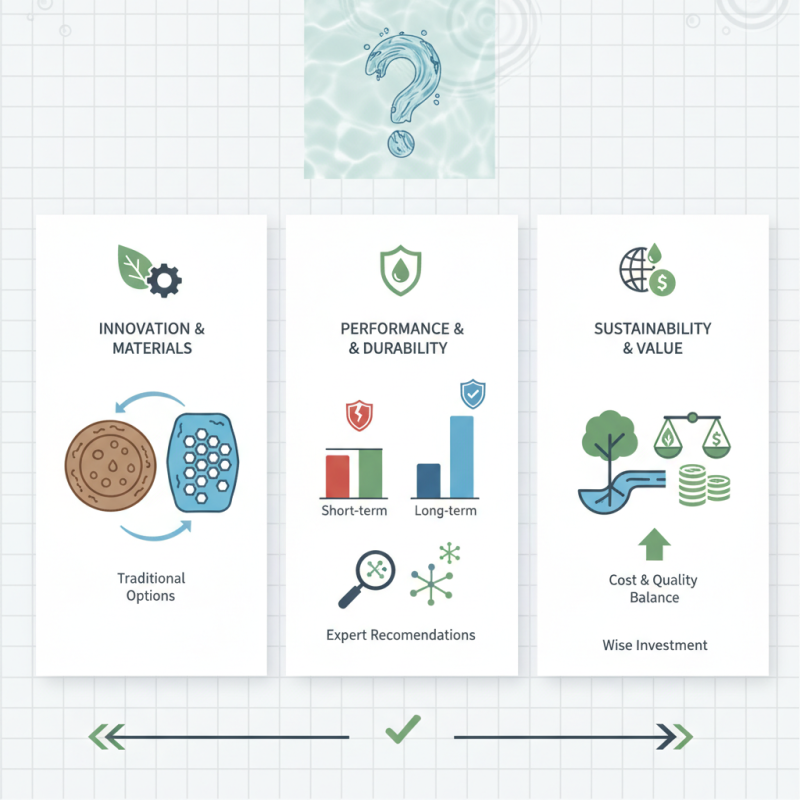
In 2026, buyers worldwide will face diverse options for Drainage Plates. The innovation in materials and design has expanded significantly. Advanced polymer plates, for example, offer superior drainage efficiency compared to traditional options. Additionally, sustainable practices are becoming essential, as eco-friendly drainage solutions gain popularity among environmentally-conscious consumers. However, not all options are created equal.
Buyers must consider durability and performance when selecting Drainage Plates. Some products may promise efficiency, but their long-term effectiveness can be questionable. It’s crucial to examine user reviews and expert recommendations. Balancing cost and quality is paramount to ensure a wise investment in drainage solutions that stand the test of time.
Top Factors to Consider When Choosing Drainage Plates in 2026
When selecting drainage plates in 2026, several key factors come into play. Material choice is crucial. Durable options like high-density polyethylene (HDPE) or polypropylene (PP) are preferred for their resilience. According to the
Global Construction Materials Market report, HDPE is expected to experience a 5% annual growth. This trend indicates a shift towards better materials in the drainage sector.
Another vital aspect is drainage capacity. Buyers should assess the design's ability to handle specific water flow rates. Studies show that effective drainage plates can reduce flooding by 30% in urban areas. Additionally, environmental sustainability is becoming a priority. Many customers are inclined towards eco-friendly materials. It's essential to balance between functionality and environmental impact. However, not all eco-friendly options provide the necessary strength or longevity, requiring careful research.
Installation ease is often overlooked. Complicated setups can lead to improper usage. A report from the International Association of Drainage Engineers suggests that simplified installations can increase user satisfaction by 40%. Even minor misalignment can result in severe performance issues. Buyers need to consider the long-term implications of their choices carefully. There are no perfect solutions, but understanding these factors can lead to better decisions.
Popular Materials Used in Drainage Plates: Pros and Cons
When choosing drainage plates for 2026, various materials offer unique advantages and drawbacks. Common materials include plastic, concrete, and metal. Each material presents different properties influencing performance and durability. For instance,
plastic plates are lightweight and resistant to corrosion but may not withstand heavy loads. Concrete is robust, providing excellent durability but can be heavy and challenging to install.
Metal drainage plates, such as those made from aluminum, are strong yet susceptible to rust. A study from the International Drainage Association suggests that while metal offers strength, the maintenance cost can be higher due to corrosion risks. Additionally, environmental factors like humidity and salt can impact material longevity.
Tip: Consider climate impacts when selecting materials. If your area has high humidity, opt for corrosion-resistant options.
Another consideration is installation and maintenance. Some materials require specialized tools or skills for installation. This can lead to additional costs. It's essential to weigh these factors during the purchasing process. Choosing the wrong material can lead to more frequent repairs.
Tip: Research local climate conditions to guide your material selection for optimal performance.
Comparative Analysis of Drainage Plate Designs for Global Markets
The global demand for drainage plate systems is anticipated to rise steadily. A recent industry report indicates a projected growth rate of
5.4% annually in the drainage solutions market through 2026. Variances in design and material choice
play a crucial role in meeting geographical and environmental challenges. Countries with high rainfall and flood risks particularly require more resilient options.
Analyzing drainage plate designs reveals significant differences in effectiveness. For instance, plates made from high-density polyethylene (HDPE) show superior longevity and performance in wet climates. Meanwhile, concrete options cater to regions with heavy loads and unique substrate conditions. Such insights highlight the need for buyers to evaluate their specific environmental needs carefully.
However, it's not all clear-cut. Some newer materials claiming high performance lack extensive long-term testing. Potential buyers should approach these innovations cautiously to ensure they meet real-world performance expectations. Understanding local terrain and climate conditions is crucial to making the right choice. A thorough assessment of available designs and their effectiveness in various scenarios will benefit global buyers significantly.
Environmental Impact of Different Drainage Plate Options
When considering drainage plate options in 2026, understanding their environmental impact is essential. Different materials have varying ecological footprints. Some plates are made from recycled plastics, reducing waste in landfills. Others are constructed from natural materials like clay or stone, which can be more sustainable but may require extensive extraction processes.
The manufacturing processes also matter. Plates that are energy-intensive in production often contribute more greenhouse gases. A shift towards eco-friendly manufacturing is crucial. Design choices, such as permeable surfaces, can help manage stormwater effectively. However, not all drainage plates provide the same benefit. Some may allow for better infiltration, while others might cause runoff issues.
Consider how each choice aligns with local environmental goals. Community assessment plays an important role in decision-making. Local ecosystems and climate conditions can affect drainage plate performance. Buyers should reflect on these factors to make informed decisions. Balancing efficiency and ecological impact is not easy, but it's vital for sustainable urban planning.
Top Drainage Plate Options for 2026 Buyers Worldwide - Environmental Impact
| Drainage Plate Material |
Recyclability |
Durability (Years) |
Cost per Square Meter |
Environmental Impact (Rating 1-5) |
| Plastic Composite |
Yes |
10 |
$25 |
4 |
| Concrete |
No |
25 |
$30 |
3 |
| Recycled Rubber |
Yes |
15 |
$20 |
5 |
| Wood (Treated) |
No |
10 |
$15 |
2 |
| Metal (Aluminum) |
Yes |
20 |
$40 |
4 |
Future Trends in Drainage Plate Technology for Buyers Worldwide
As we move toward 2026, drainage plate technology is evolving rapidly. Buyers should explore innovations aimed at improving efficiency and durability. Recent advancements include materials that offer better resistance to wear and environmental impact. New composite options are emerging, providing enhanced strength at a lower weight. This shift could change installation methods and overall performance.
Another trend involves smart technology integration. Drainage plates equipped with sensors can monitor water flow and detect blockages. This feature offers real-time data to manage drainage systems proactively. Buyers today prioritize systems that can communicate and provide actionable insights. However, it's essential to question reliability in diverse weather conditions.
Sustainability remains a key focus. Eco-friendly materials are gaining traction, aiding in reducing carbon footprints. Yet, the durability of these materials over time raises concerns. Will they withstand heavy usage? Buyers must weigh environmental benefits against potential longevity issues. Engaging with local experts can offer critical insights into these emerging options. Explore these future trends to make informed choices.
Conclusion
As we look ahead to 2026, selecting the right drainage plate is crucial for buyers worldwide, necessitating an understanding of key factors. Considerations include the intended environment, load capacity, and installation ease. Different materials offer varied advantages and disadvantages, such as durability versus cost-effectiveness.
A comparative analysis of drainage plate designs reveals diverse approaches tailored to meet specific market needs globally. Moreover, the environmental impact of these options is paramount, prompting a shift toward sustainable materials and methods. Future trends suggest an integration of advanced technologies that enhance the efficiency and functionality of drainage plates, ensuring that buyers can make informed, responsible choices in their purchasing decisions.

 Changhong