Top 10 Drainage Materials for Effective Water Management Solutions?

Time:2026-05-03 Author:Sienna
0%

Effective water management is crucial in today’s environment. It prevents flooding and preserves local ecosystems. An essential component of this strategy is the use of quality drainage materials. Choosing the right materials can significantly impact water flow and filtration.

Different drainage materials offer varied benefits. Some assist in controlling stormwater runoff, while others enhance soil stability. Understanding their properties is vital for effective application. However, not all materials perform equally in every scenario.

Selecting drainage materials requires careful consideration. It’s important to assess the specific needs of each project. This reflection may lead to better decision-making. With the right insights, users can create effective water management solutions tailored to their environments.
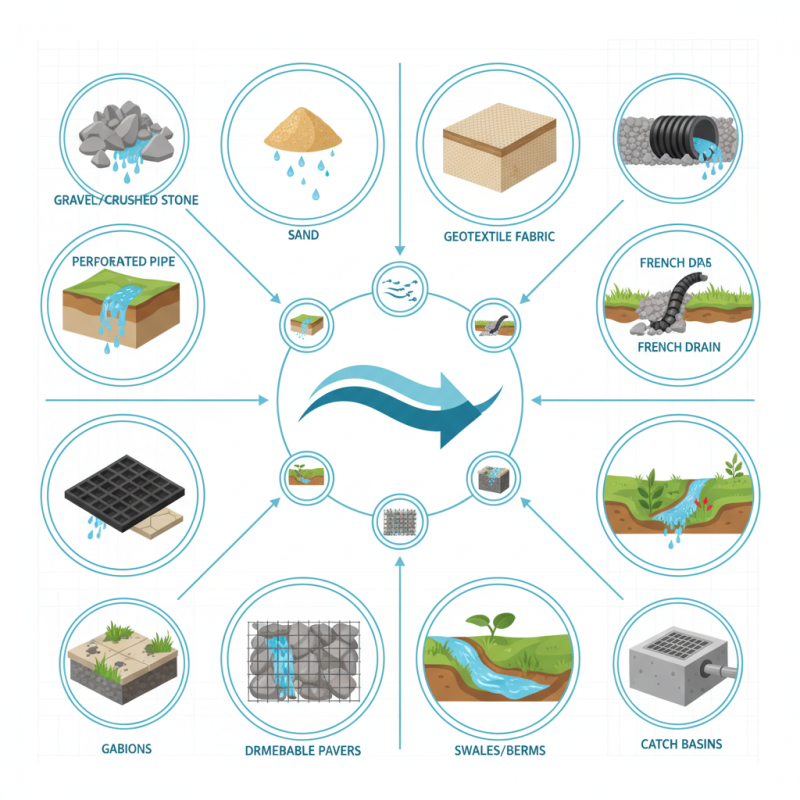
Top 10 Drainage Materials for Effective Water Management Solutions?

Understanding the Importance of Proper Drainage Materials in Water Management

Proper drainage materials play a crucial role in effective water management. Without them, water can accumulate, leading to flooding and erosion. Choosing the right materials helps ensure proper flow and minimizes water-related issues. Every site has unique drainage needs. Therefore, understanding the specific environment is key to making informed decisions.

When selecting drainage solutions, consider durability and environmental impact. For instance, gravel is an excellent choice for promoting water flow while allowing natural filtration. Additionally, geotextiles can help separate soil types, preventing clogging. These materials enhance efficiency in drainage systems. However, improperly installed systems can cause more problems than they solve.

Tip: Regularly assess your drainage setup. Look for signs of water pooling or erosion. It’s essential to address these issues promptly. Remember that proper maintenance is as critical as the initial installation.

Tip: Work with professionals when in doubt. Their expertise can save time and money in the long run. Sometimes, DIY solutions may overlook important details, leading to ineffective drainage. The right advice can make all the difference in a successful water management plan.

Top 10 Drainage Materials for Effective Water Management Solutions

This chart displays the effectiveness of various drainage materials used in water management solutions. The ratings range from 1 to 10, with 10 being the most effective. Proper selection of drainage materials is crucial in managing water efficiently.

Types of Drainage Materials: Natural vs. Synthetic Options

When considering drainage materials, it's vital to understand the differences between natural and synthetic options. Natural materials, such as gravel and sand, are often favored for their sustainability. These materials promote healthy ecosystems and enhance water percolation. They are readily available and contribute to the natural landscape, fostering biodiversity. However, they can deteriorate over time and may require regular maintenance.

Synthetic materials, on the other hand, offer durability and specific engineering benefits. Options like geotextiles and perforated pipes aid in efficient water management. They resist wear and can handle heavy loads without degradation. Nevertheless, they may have environmental impacts during production. Choosing the right type often depends on the specific project requirements and desired longevity.

A balance between natural and synthetic materials might be the best solution. Utilizing natural materials provides ecologically friendly approaches, while synthetic options enhance functionality. However, finding this balance can be challenging and requires ongoing evaluation. It's essential to assess various factors continually, including site conditions and environmental effects. By reflecting on these aspects, better water management strategies can be developed.

Evaluating Performance: Key Characteristics of Effective Drainage Solutions

Effective drainage solutions require careful consideration of various characteristics. These materials must manage water efficiently while minimizing environmental impact. A key performance indicator is permeability. High permeability allows water to flow easily, reducing potential flooding. However, too much permeability can lead to erosion or loss of soil nutrients.

Durability is another important factor. Quality drainage materials should withstand harsh weather conditions and chemical exposure. Materials may need to be replaced more frequently if they degrade quickly. This can lead to higher costs and increased maintenance. Moreover, eco-friendliness should not be overlooked. Biodegradable and sustainable options can enhance water management without harming the ecosystem.

Lastly, cost-effectiveness remains crucial. While some materials may have a higher initial cost, their long-term benefits can outweigh this. It's essential to evaluate lifecycle performance and maintenance needs. Sometimes, choosing the cheapest option incurs hidden costs in the future. Striking a balance between performance, durability, and sustainability leads to optimal drainage solutions.

Application Scenarios: Selecting the Right Material for Specific Needs

Selecting the right drainage material is crucial for effective water management. Different scenarios require different solutions. For instance, porous materials like gravel are ideal for residential landscaping. They allow water to filter through while preventing surface pooling. According to the American Society of Civil Engineers, improper drainage can lead to structural damages that can cost up to 15% of a building's value.

In urban areas, permeable paving offers a sustainable solution. It reduces runoff and enhances groundwater recharge. A study by Water Environment Federation indicates that cities utilizing such technologies can decrease flooding by up to 30%. However, choosing the right material can be challenging. Not all permeable options suit heavy traffic loads.

Tips: Always consider local climate conditions. They significantly impact material performance. Conducting soil tests can provide insights into the best drainage solution. Engaging with local water management authorities can also yield valuable guidance. Understanding the pros and cons of each material is vital. Sometimes, a combination of materials is the smart choice. Evaluate the long-term benefits against immediate costs for optimal water management.

Innovations in Drainage Technologies for Improved Water Management

Innovations in drainage technologies are transforming water management practices across various sectors. New materials and designs are being developed to enhance efficiency. Research from the Water Environment Federation highlights that innovative drainage solutions can reduce flooding by up to 50%. Advanced permeable pavements are one such development. They allow water to infiltrate into the ground while minimizing surface runoff.


Another breakthrough in drainage technology is smart drainage systems. These systems utilize sensors to monitor water levels and flow rates in real-time. A report from the International Water Association emphasizes that these systems can lead to a 30% reduction in maintenance costs. Yet, widespread adoption of smart technology in drainage systems faces challenges. Many municipalities still rely on outdated infrastructure and are hesitant to invest.


Bioretention systems also represent a significant advancement in water management. They filter pollutants while allowing water to manage excess runoff. A study by the American Society of Civil Engineers indicates that these systems can improve water quality in urban environments significantly. Despite their benefits, challenges remain in integrating these solutions into existing urban landscapes. Climate change is further complicating drainage management, as extreme weather events become more frequent. Addressing these challenges requires continued research and investment in innovative drainage technologies.

FAQS

: What are the main types of drainage materials?

: The primary types are natural materials like gravel and sand, and synthetic options such as geotextiles and perforated pipes.

Why are natural drainage materials preferred?

They promote sustainability, enhance ecosystems, and improve water percolation. However, they may need regular maintenance.

What are the advantages of synthetic drainage materials?

They offer durability, efficient water management, and can handle heavy loads. Yet, their production can harm the environment.

How can I determine the best drainage material?

Assess site conditions, performance needs, and environmental impacts. Sometimes, using a mix of materials is beneficial.

What is permeability, and why is it important?

Permeability measures how easily water flows through material. High permeability helps reduce flooding but can cause erosion.

How does durability affect drainage material selection?

Durable materials resist harsh conditions and chemicals. Less durable options may increase costs due to frequent replacements.

What role does cost-effectiveness play in choosing drainage solutions?

Consider long-term benefits versus initial costs. Cheaper options may lead to hidden expenses over time.

Why should local climate conditions be considered?

Climate significantly affects material performance. Proper adaptation can enhance water management effectiveness.

How important are soil tests in choosing drainage materials?

Soil tests provide crucial insights, helping identify the most suitable drainage solution for specific conditions.

What common mistakes should be avoided in material selection?

One mistake is solely focusing on cost upfront. Always evaluate long-term implications to avoid issues later.

Conclusion

Effective water management is heavily reliant on the use of appropriate drainage materials, which play a crucial role in preventing water-related issues. This article discusses the importance of selecting the right drainage materials, distinguishing between natural and synthetic options, and evaluating their performance based on key characteristics such as permeability, durability, and environmental impact.

Moreover, it addresses various application scenarios, guiding readers on how to match specific drainage needs with suitable materials. The exploration of recent innovations in drainage technologies underscores the ongoing development aimed at enhancing water management solutions, ensuring that both efficacy and sustainability are prioritized in modern drainage systems. Overall, a careful selection of drainage materials is essential for achieving effective water management outcomes.

Sienna

Sienna

Sienna is a skilled marketing professional with a deep expertise in our company’s core products and services. With a passion for innovation and detail, she plays a pivotal role in crafting insightful blog posts that not only highlight the unique features of our offerings but also provide valuable......