Drainage stone plays a crucial role in many construction and landscaping projects. It is widely recognized for its efficiency in managing water flow. This material consists of various types of rocks designed to facilitate proper drainage. Using drainage stone can significantly improve site conditions and project outcomes.
Many professionals appreciate the adaptability of drainage stone. It can be utilized in various applications, such as retaining walls, trenches, and garden beds. Its permeable nature allows water to flow freely, preventing pooling and erosion. However, it's essential to select the right type of drainage stone for specific needs. This choice can impact the overall effectiveness of the drainage system.
While drainage stone offers numerous advantages, some considerations must be addressed. For instance, sourcing high-quality stone may require research. In some cases, the initial investment can be higher than alternatives. Balancing cost and benefits is crucial for project success. It's vital to reflect on these factors before integrating drainage stone into your plans.
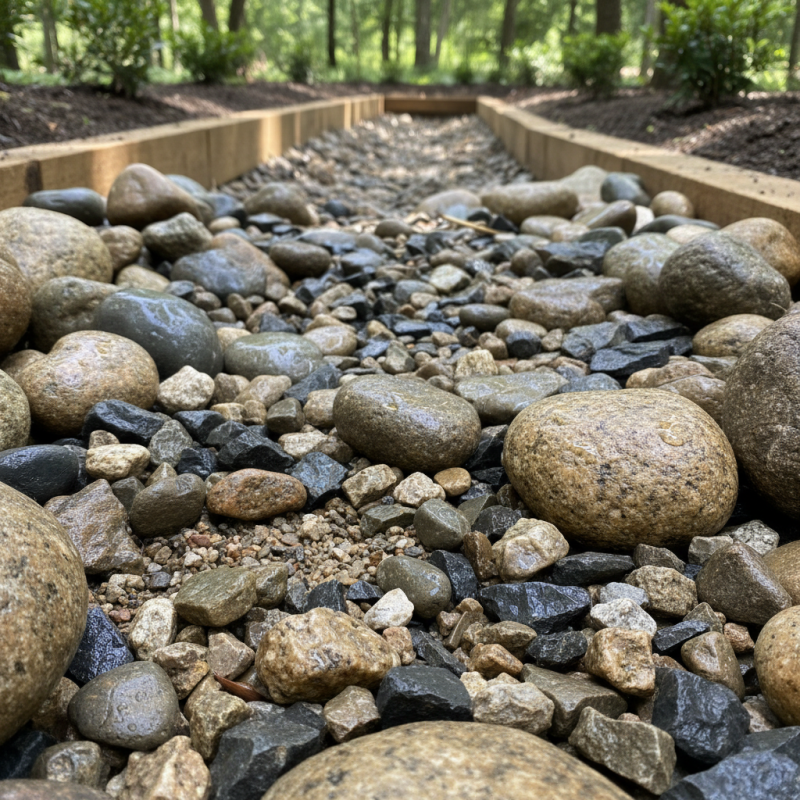
Drainage stone is a vital material used in various construction and landscaping projects. It is made from crushed rocks, allowing water to flow freely while providing structural support. This type of stone is especially useful in preventing water pooling and flooding in gardens, driveways, and foundations. Its porous nature ensures effective drainage, which is crucial for maintaining healthy landscapes and preventing erosion.
Common uses of drainage stone include creating French drains and improving the drainage of patios and walkways. In landscaping, it serves as a base for pathways, retaining walls, and decorative features. While drainage stone is effective, the installation process can be tricky. It's not just about laying the stone; the placement matters for optimal water flow and soil stability. If not done properly, issues can arise, prompting the need for future adjustments or repairs.
Understanding drainage stone's characteristics and common applications can enhance your project. It's essential to evaluate the site and existing drainage patterns before starting. This careful planning can help prevent mistakes that lead to more complicated problems down the line. Effective use of drainage stone not only improves functionality but also adds aesthetic appeal to your outdoor space.
Drainage stone plays a vital role in preventing water damage in various construction projects. Typically made from crushed stones or gravel, it offers excellent drainage properties. By directing water away from buildings, it minimizes the risk of structural issues caused by excessive moisture. When used in landscaping, drainage stone helps maintain healthy soil and protects plants from waterlogging.
In addition to preventing damage, drainage stone can be aesthetically pleasing. It provides a natural look that blends with the environment. However, improper installation can lead to problems. Without proper grading, water might pool or flow incorrectly. Understanding the local soil conditions is crucial. Not all drainage stones work effectively in every scenario. Choosing the right type requires careful thought and knowledge of the area.
Maintaining drainage systems is essential for long-term effectiveness. Regular checks can reveal issues like clogging or erosion. Planning for drainage stone installation should include future landscape changes. Neglecting this aspect can lead to costly repairs later on. Making informed decisions about drainage placement will safeguard both structures and landscapes from water damage.
| Benefit | Description | Impact on Water Damage |
|---|---|---|
| Improved Drainage | Facilitates better water flow through soil | Reduces standing water |
| Prevention of Erosion | Holds soil in place, preventing washout | Minimizes property damage |
| Foundation Support | Provides stability for structures | Prevents structural settlement |
| Reduced Maintenance Costs | Less need for repairs and upkeep | Saves money in the long run |
| Improved Landscape Aesthetics | Enhances garden and yard appearance | Encourages outdoor usage |
| Flood Prevention | Increases drainage during heavy rains | Protects against flooding damage |
| Soil Moisture Regulation | Helps maintain moisture levels | Supports plant health |
| Versatility | Can be used for various projects | Applicable in many contexts |
| Environmental Benefits | Promotes natural water filtration | Improves local ecosystems |
| Cost-Effective | Affordable solution for drainage issues | Enhances long-term project viability |
Drainage stone is a valuable material for landscape projects. It serves multiple purposes, making it essential for effective water management. Proper drainage prevents soil erosion and promotes healthy plant growth. When strategically placed, drainage stones guide excess water away from critical areas. This not only protects foundations and structures but also enhances the overall stability of the landscape.
Utilizing drainage stone can improve the aesthetics of outdoor spaces. Its natural appearance blends seamlessly with various landscape designs. Homeowners appreciate the contrast it provides against lush greenery. In addition, drainage stones are versatile; they can be used in walkways, flower beds, and even retaining walls. Despite its advantages, some may find it challenging to choose the right type for their specific needs. Each project requires careful consideration of the stone's size and drainage capacity.
While drainage stones offer many benefits, maintenance is still required. Over time, sediments may accumulate, affecting drainage efficiency. Regular checks ensure that the stones continue to perform their intended function. Some may overlook this, leading to potential issues down the road. Awareness of these nuances is crucial for any successful landscape project.
Drainage stone plays a crucial role in enhancing soil stability and controlling erosion. This type of aggregate allows water to flow through while holding the soil in place. When properly utilized, it helps maintain the integrity of slopes and foundations. The gaps between the stones create pathways for drainage, reducing surface runoff. This can significantly lower the risk of flooding in landscaping and construction areas.
Soil erosion is a common challenge in various projects. Without proper management, soil can wash away over time, leading to instability. The installation of drainage stone can mitigate this issue. It acts as a barrier that protects the soil layer beneath it. Observing areas where drainage stone has been used reveals improvements in plant health too. The retained moisture encourages vegetation growth, which further consolidates the soil.
However, there are considerations. It is essential to assess the local environment before installation. Not every location may benefit from drainage stone. Poor placement can lead to unintended consequences, such as water pooling. Understanding the specific needs of the site ensures better results. Monitoring the effectiveness of drainage solutions over time is also crucial. Regular maintenance can uncover areas needing improvement or adjustment.
When considering drainage solutions, drainage stone stands out for its cost-effectiveness. This material is often cheaper than alternatives like gravel or synthetic systems. Choosing drainage stone can significantly lower initial investment costs for projects. Moreover, its longevity adds to its appeal. Drainage stone can last for decades with minimal maintenance.
The real advantage lies in its durability. Unlike other materials, it does not degrade easily. This resilience translates to lower replacement costs over time. Fewer replacements mean reduced labor expenses and fewer disruptions. Additionally, consider its role in enhancing soil mechanics. Effective drainage prevents water pooling, which leads to structural damage, ultimately saving money.
Some may overlook the importance of installation quality. Improperly laid drainage stone can lead to failures. It's crucial to monitor its performance regularly. While the initial costs seem advantageous, factors like drainage efficiency and soil interaction should be assessed continuously. This reflection ensures that the benefits of using drainage stone are fully realized. Investing in drainage stone, when executed correctly, can lead to long-term savings and stability.
: Drainage stone is crushed rock that allows water to flow freely while providing structure.
It is used in gardens, driveways, patios, and walkways to prevent water pooling and flooding.
It directs water away from buildings, reducing moisture-related structural issues and maintaining healthy soil.
Placement is crucial; poor installation can cause water pooling and increase the need for repairs.
Yes, it blends well with various designs and provides a natural look to outdoor spaces.
Regular checks for clogging or sediment buildup are necessary to keep drainage effective.
Consider the stone's size and drainage capacity to meet specific landscape needs effectively.
Improper grading or neglecting maintenance can lead to drainage problems and costly repairs.
No, local soil conditions vary, and not all stones are effective in every scenario.
Evaluating site conditions beforehand helps prevent mistakes and future complications.
Drainage stone is a versatile and essential material widely used in various construction and landscaping projects. It serves as a crucial component in preventing water damage by facilitating proper drainage, thereby protecting structures from potential flooding and erosion. In landscape projects, drainage stone enhances design while offering practical benefits, such as improving soil stability and controlling erosion. Its angular shape allows for efficient water flow, making it a favored choice among builders and landscapers alike.
Additionally, the cost-effectiveness and longevity of drainage stone solutions make it an attractive option for homeowners and contractors. With minimal maintenance requirements and durability that withstands environmental conditions, drainage stone proves to be a wise investment that enhances both functionality and aesthetics in different projects. Overall, the advantages of using drainage stone extend beyond mere utility, contributing significantly to the success of various outdoor endeavors.

Changhong