Top 5 Tips for Choosing the Right Hdpe Geonet?

Time:2026-06-16 Author:Sienna
0%

Selecting the right HDPE geonet for your project can significantly impact its success. HDPE geonets are essential components in many civil engineering and environmental projects. Their primary function is to facilitate drainage, providing stability and support for various structures. However, not all geonets are created equal. Understanding their unique features and applications is crucial.

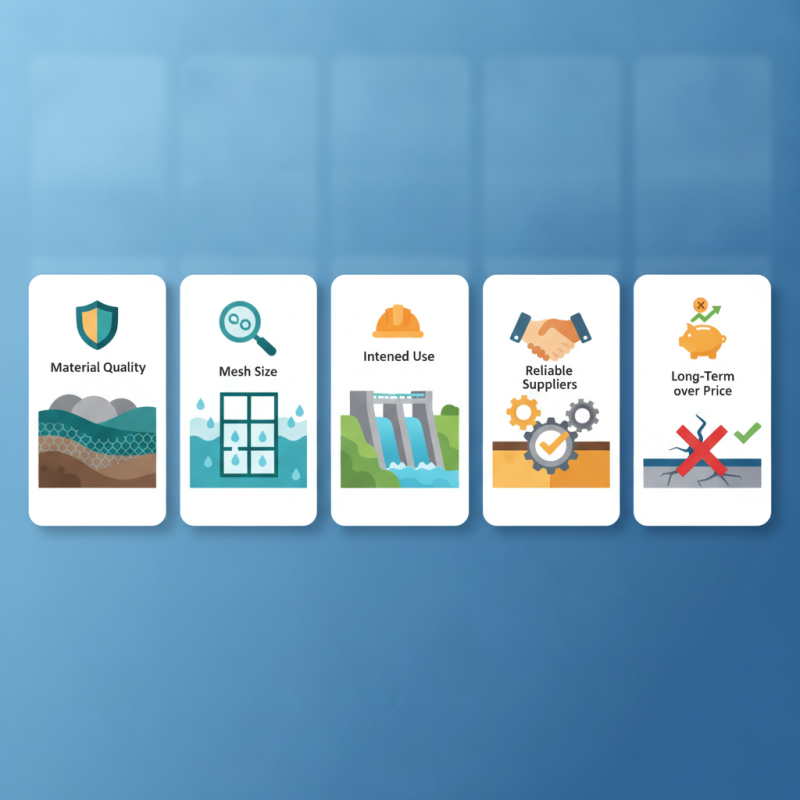
When choosing an HDPE geonet, consider factors such as material quality, mesh size, and intended use. The right choice can enhance longevity and performance. Do not overlook the importance of sourcing from reliable suppliers. It can be hard to determine which products meet industry standards. Often, the most popular options are not necessarily the best for your specific needs.

Reflect on your project's requirements carefully. Be wary of over-relying on price as a decision factor. A cheaper geonet may lead to higher costs in the long run due to performance issues. Take time to research different types of HDPE geonets available. This decision will play a significant role in ensuring your project’s overall stability and success.
Top 5 Tips for Choosing the Right Hdpe Geonet?

Understanding HDPE Geonets and Their Applications

HDPE geonets play a crucial role in drainage and filtration applications. They are lightweight yet strong, often used in environmental projects, road construction, and landfill design. Understanding their composition and structure is key. HDPE, or high-density polyethylene, provides durability and resistance to various environmental conditions.

When choosing the right HDPE geonet, consider the specific application. For instance, if you need enhanced drainage, look for geonets with higher thickness and tensile strength. Similarly, assess the environmental factors such as soil type and moisture levels. It’s vital to use geonets that can withstand these conditions to ensure longevity.

Another tip involves sizing. Measure the area accurately to ensure proper fit. Overestimating the size can lead to unnecessary costs. On the other hand, underestimating can compromise performance. Always consult with experts for recommendations, and don't hesitate to ask for samples. Testing in real conditions can reveal strengths and weaknesses in the material you chose. This reflective process can lead to better decision-making.

Evaluating Material Properties for Optimal Performance

When selecting HDPE geonets, evaluating material properties is crucial for optimal performance. The tensile strength of a geonet is essential; it determines how well the material can withstand physical stress. According to the Geosynthetic Research Institute, an HDPE geonet's tensile strength can reach up to 25 MPa. This strength ensures durability in various applications, especially in erosion control and drainage systems.

Another important factor is the hydraulic conductivity. A suitable geonet should allow for proper water flow. Studies show that a geonet with a high hydraulic conductivity of over 0.1 m/s can significantly enhance drainage performance. A balance between strength and conductivity is vital. Many projects using geonets with these properties note improved efficiency and longevity in construction.

It's also worth considering UV stability. HDPE geonets often require exposure to sunlight. Poor UV resistance can lead to degradation, reducing functionality. Reports reveal that a well-rated geonet can retain over 90% of its mechanical properties after years of exposure. Selecting a product with strong UV stability can prevent costly replacements and disruptions. Always look for detailed specifications to make informed choices.

Considering Geonet Configuration and Design Features

When selecting an HDPE geonet, configuration and design features are critical. The configuration affects drainage efficiency, soil stability, and the overall performance of the project. A recent industry study indicated that more than 40% of geotechnical failures stem from improper water drainage, highlighting the importance of choosing the right design.

Consider the aperture size in the geonet. Smaller apertures provide improved filtration, while larger apertures allow for more water flow. Depending on the project, an imbalance can create issues. For instance, if a geonet has too large an aperture in a sandy soil environment, it may not filter adequately, leading to sediment clogging.

Material quality is also significant. HDPE's resistance to UV rays and chemicals must align with site conditions. Research shows that HDPE can maintain structural integrity for decades if properly selected, yet miscalculations here could lead to premature wear. Evaluate different configurations against expected environmental factors to ensure reliability and longevity.

Assessing Environmental Factors and Longevity Requirements

When choosing HDPE geonets, assessing environmental factors is crucial. Geonets are typically used in applications like drainage and erosion control. The environment plays a significant role in determining their performance and lifespan. Factors such as soil type, moisture levels, and temperature can affect geonet durability.

Longevity is another vital consideration. HDPE geonets are designed to withstand harsh conditions. However, their lifespan can be compromised by UV radiation and chemical exposure. It is essential to evaluate the specific environment where the geonet will be installed. Will it face extreme temperatures? Are certain chemicals present in the soil? Such factors require careful thought.

Selecting the right HDPE geonet is not straightforward. No one solution fits all. Perform thorough tests and consider consulting experts in the field. Take the time to analyze your specific needs. This approach will lead to better decision-making. Choosing wisely can ensure that the geonet performs effectively over time.

Budgeting and Sourcing for Quality HDPE Geonets

When budgeting for HDPE geonets, it's essential to consider both cost and quality. Cheaper options may save money upfront, but they can lead to higher maintenance costs later. Often, these low-cost geonets lack the durability needed for long-term projects. Prioritize sourcing from reputable manufacturers who provide data on the geonets' performance and lifespan. Investing in reliable products can save money in the long run.

Exploring local and international suppliers can broaden your options. Each supplier will have different pricing structures, leading to potential savings. Don't hesitate to request samples before making a purchase. Testing a small quantity can reveal much about the geonet's quality. Ensure that the suppliers have proper certifications that validate their products' durability and efficacy.

Finding the right balance between budget and quality can be a challenging task. Always compare specifications to find the best fit. Engage in discussions with industry experts for insights. Ultimately, the goal should be a sustainable choice that meets both your project needs and financial constraints. Remember, the best decision often involves some trial and evaluation.

FAQS

: What are HDPE geonets used for?

: HDPE geonets are mainly used in drainage and filtration applications. They help manage water and soil efficiently.

How do I choose the right HDPE geonet?

Consider your specific application needs. Look for thickness and tensile strength suitable for enhanced drainage.

Why is the composition of HDPE important?

HDPE offers durability and resistance to environmental conditions. This ensures longevity of the geonets in various projects.

How should I measure the area for geonets?

Accurate measurements are crucial. Overestimating leads to extra costs, while underestimating can harm performance.

What should I consider when sourcing HDPE geonets?

Focus on both cost and quality. Reliable sources can provide performance data and certifications for their products.

How can I test the quality of HDPE geonets?

Request samples from suppliers. Testing a small quantity allows you to assess the material's strengths and weaknesses.

Is it wise to choose cheaper geonets?

Cheaper options may save upfront costs but could increase maintenance expenses. Durability is crucial for long-term projects.

How do local and international suppliers differ?

Suppliers vary in pricing structures and quality. Exploring both options can lead to better deals for your project.

What’s the role of industry experts in decision-making?

Engaging industry experts can provide valuable insights. Their experience helps in choosing the right geonets for your needs.

Is trial and evaluation important in selecting geonets?

Yes, some trial may be necessary. Evaluating different options can lead to a more informed, sustainable decision.

Conclusion

When selecting the right HDPE Geonet for your project, it is crucial to understand their applications and the unique properties of the material. Evaluating attributes such as tensile strength, chemical resistance, and drainage efficiency can significantly impact performance. Furthermore, considering the configuration and design features of the geonet will ensure it meets specific project requirements.

In addition to material properties, assessing environmental factors and longevity requirements plays a vital role in the selection process. This includes understanding how the geonet will perform under various climatic conditions and its durability over time. Finally, budgeting for quality HDPE Geonets and sourcing them from reputable suppliers will contribute to the overall success of the project, ensuring that the chosen product meets both performance and financial expectations.


Sienna

Sienna

Sienna is a skilled marketing professional with a deep expertise in our company’s core products and services. With a passion for innovation and detail, she plays a pivotal role in crafting insightful blog posts that not only highlight the unique features of our offerings but also provide valuable......