Textured Geomembranes have revolutionized the field of environmental engineering. The innovative design improves performance in various applications. According to Dr. Mark Thompson, an expert in geomembrane technology, "Textured Geomembranes provide enhanced frictional properties, making them ideal for slope stabilization."
This specialized material is widely utilized in landfill liners, water containment systems, and green roofs. Its textured surface increases grip and stability. As industries face growing challenges, the importance of reliable materials like Textured Geomembranes cannot be overstated. In many scenarios, researchers have observed issues caused by inadequate material selection. Without proper knowledge, failures can occur.
Continuous innovation is crucial in this field. New applications are emerging as developers seek sustainable solutions. The future holds potential for Textured Geomembranes in more industries. However, reliance on expert guidance in selection and installation remains vital. There remain aspects open to improvement, and reflection on past implementations can guide future advancements.
Definition and Characteristics of Textured Geomembrane
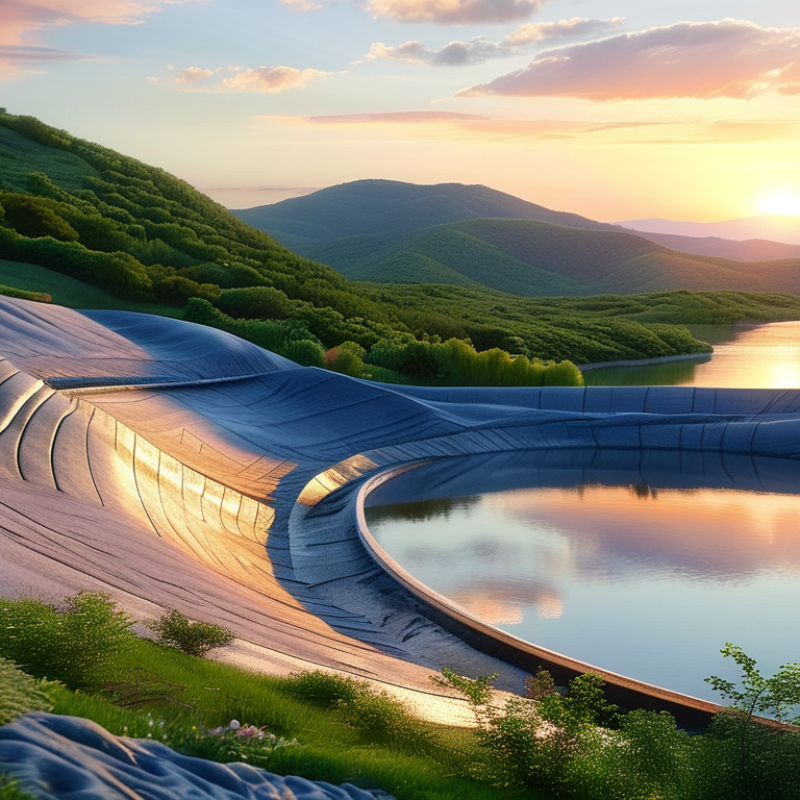
Textured geomembranes are innovative synthetic liners designed to enhance stability and performance in various applications. These membranes have a distinct surface that promotes friction, making them ideal for steep slopes or areas susceptible to erosion. According to industry reports, textured geomembranes can increase interface shear strength by up to 50%, compared to smooth alternatives. This characteristic allows for safer installation and longevity in projects.
The main materials used in textured geomembranes are high-density polyethylene (HDPE) or linear low-density polyethylene (LLDPE). These polymers exhibit high resistance to punctures and chemical degradation, which is essential for containment applications. The textured surface facilitates better anchorage in landfill caps and ponds, reducing the risk of failure. However, achieving optimal performance can depend on proper installation and environmental factors, which are sometimes overlooked.
In addition, the applications of textured geomembranes span industries like waste management, water containment, and environmental protection. They are commonly used in landfills to prevent leachate migration. Some studies point out that improper installation can compromise their effectiveness. Thus, attention to detail is crucial during deployment. As the demand for sustainable solutions grows, the role of textured geomembranes continues to evolve, highlighting the need for ongoing research and improvement in the field.
Types of Textured Geomembrane and Their Differences
Textured geomembranes are crucial in various engineering and environmental applications. They are designed with a rough surface that enhances friction. This property allows them to be used effectively in landfills and water containment systems. The texture can increase the stability of slopes and prevent sliding, making them essential in construction projects.
There are different types of textured geomembranes available. Some have a raised texture, while others feature a grooved design. Each type serves specific functions in various applications. For example, textured geomembranes with higher friction coefficients work well in steep slope applications. On the contrary, smoother models might be more suitable for flat surfaces. Understanding these differences is key for selecting the right geomembrane.
Choosing the correct type requires careful consideration. Project specifications often dictate the necessary texture and thickness of the material. Misjudging these factors can lead to failure in containment systems. It's essential to analyze site conditions and load requirements thoroughly. This everyday task may seem straightforward but could have significant implications for project success.
Benefits of Using Textured Geomembrane in Environmental Applications
Textured geomembranes play a crucial role in environmental applications. These materials provide enhanced friction, which is vital for effective slope stability. Their textured surfaces are designed to maximize interlocking between the geomembrane and the substrate. This feature is essential in projects where soil movement or shifting could pose risks.
In waste containment, textured geomembranes help prevent leaks. Their high coefficient of friction ensures that they remain in place despite settling or shifting. This reliability is crucial for landfills and hazardous waste sites, where any failure could lead to environmental contamination. Additionally, they can be customized for specific site conditions, which shows flexibility in design.
Despite their benefits, there are challenges in implementing textured geomembranes. Installation can be complex and requires skilled labor to avoid issues. Poor installation may result in reduced effectiveness. Moreover, over time, wear from environmental conditions could affect performance. Continual monitoring is necessary to ensure that these geomembranes function as intended. Maintenance can be overlooked, leading to potential failures. Addressing these concerns is vital for the long-term success of projects using textured geomembranes.
Benefits of Using Textured Geomembrane in Environmental Applications
Common Applications of Textured Geomembrane in Various Industries
Textured geomembranes have gained significant attention in various industries due to their unique properties and applications. These liners are engineered to provide enhanced frictional characteristics, making them ideal for applications in waste management, mining, and water containment. According to a report by Research and Markets, the global geomembrane market is projected to reach $3.9 billion by 2026, driven by increased environmental concerns and regulations.
In waste management, textured geomembranes serve as effective barriers for landfill applications. They help prevent leachate migration, ensuring that harmful substances do not contaminate soil and groundwater. Additionally, in the mining sector, these geomembranes are utilized in heap leaching processes. Their textured surface enhances the stability of materials and improves overall efficiency in mineral extraction. Studies show that applying textured geomembranes can boost the extraction rates by up to 20%.
Tips: Ensure proper installation to maximize the performance of textured geomembranes. Regular inspections can help identify wear or damage early. Remember, even the best materials may need maintenance and upkeep.
In agricultural applications, these geomembranes act as effective liners for irrigation ponds and aquaculture. They minimize water loss and maintain optimal conditions for growth. However, selecting the correct material and design can be challenging. Factors like local climate, soil type, and intended use must be considered carefully. Missteps in these areas can lead to inadequate performance, costing time and resources.
Installation and Maintenance Considerations for Textured Geomembrane
Textured geomembranes require careful installation and regular maintenance to ensure optimal performance. When installing these materials, proper preparation of the substrate is crucial. The surface must be smooth and free of debris. Any sharp objects should be removed to prevent punctures. Encouraging team members to double-check the installation site helps minimize mistakes.
Once installed, maintenance becomes essential. Regular inspections are needed to identify wear or damage. Look for signs of erosion or potential leaks. Minor issues can escalate if not addressed promptly. Routine cleaning helps maintain surface integrity. Using simple tools should suffice for the upkeep. It's beneficial to have a log of inspections and repairs, ensuring nothing falls through the cracks.
Inadequate attention to maintenance can lead to significant problems. For instance, ignoring small tears may result in costly repairs. Assessing the facility's environment can help determine the frequency of inspections. Adapting maintenance schedules to suit specific conditions shows a proactive approach. While textured geomembranes are resilient, they are not invincible. Remembering this ensures their effectiveness over time.
FAQS
: They are used in environmental applications like waste management, mining, and water containment.
Their textured surfaces maximize interlocking, improving friction and stability in sloped areas.
They prevent leaks and contamination at landfills by staying in place during settling and shifting.
Regular inspections and monitoring for wear or damage are essential for long-term success.
Installation can be complex and may lead to issues if not done by skilled labor.
They reduce water loss in irrigation ponds and create optimal conditions for plant growth.
Consider local climate, soil type, and intended use during selection to avoid inadequate performance.
Yes, they can improve extraction rates by enhancing the stability of materials in heap leaching.
Neglected maintenance can lead to potential failures and increased environmental risks.
Customized designs allow them to adapt to specific site conditions and enhance their effectiveness.
Conclusion
Textured geomembrane is a specialized type of waterproofing material characterized by its surface texture, which enhances friction and stability in various applications. This geomembrane is available in different types, each offering unique features tailored to specific needs in environmental and industrial settings. Its primary benefits include improved leak prevention and durability, making it a vital component in projects involving waste containment and erosion control.
Common applications of textured geomembrane span several industries, including landfill construction, mining, and water management systems. Proper installation and regular maintenance are crucial to ensure the long-term performance of textured geomembrane in these applications. By understanding its characteristics, types, and benefits, engineers and environmental professionals can effectively utilize textured geomembrane to address diverse environmental challenges.

 Changhong