How to Properly Install Drainage Pipe Bedding for Best Performance?

Time:2026-07-07 Author:Madeline
0%

Installing drainage systems is crucial for managing water effectively. The proper installation of drainage pipe bedding plays a significant role in ensuring optimal performance. This process contributes directly to the longevity and efficiency of the drainage system.

When selecting materials for drainage pipe bedding, one must consider factors like soil type and climate. Proper sizing and placement of the bedding material are essential. Poor bedding can lead to issues like clogs and water pooling. It requires attention to detail and the correct application of techniques.

By understanding the requirements of drainage pipe bedding, homeowners and contractors can avoid common pitfalls. Even seasoned professionals can overlook critical aspects of installation. Reflecting on past experiences can improve future projects. A reliable installation leads to better system performance and lower maintenance costs in the long run.
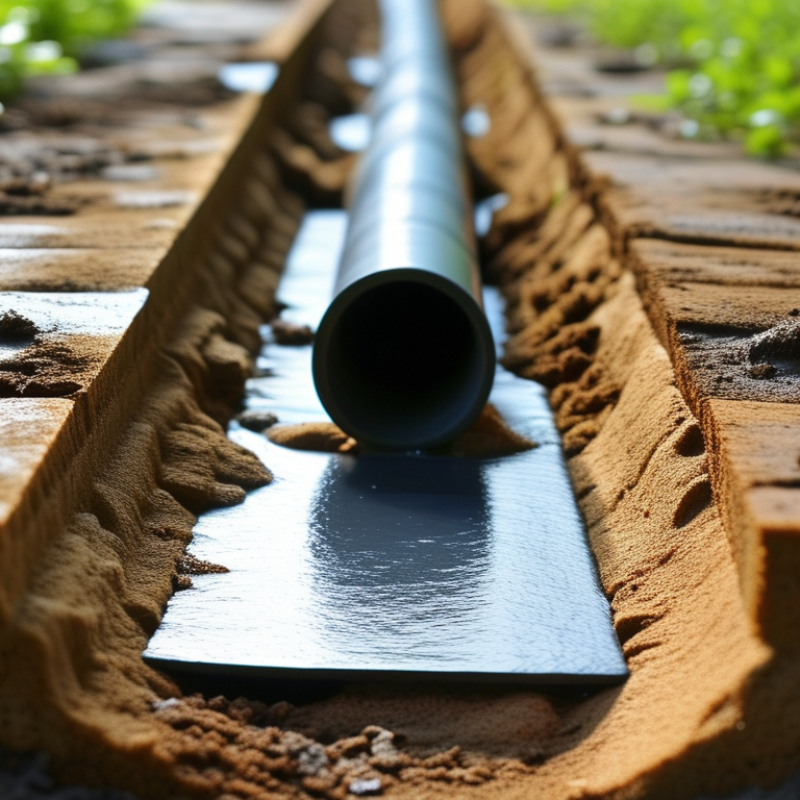
How to Properly Install Drainage Pipe Bedding for Best Performance?

Understanding Drainage Pipe Bedding and Its Importance

Drainage pipe bedding plays a crucial role in ensuring optimal performance in drainage systems. It acts as a supportive layer for the pipe, facilitating proper water flow and preventing soil erosion. According to the American Society of Civil Engineers, nearly 30% of drainage failures stem from improper bedding techniques. This statistic highlights the importance of correctly placing bedding materials.

Proper installation involves using materials like gravel or sand. These materials provide stability while allowing water to disperse evenly. A study by the National Association of Home Builders found that well-constructed bedding can improve drainage efficiency by up to 50%. However, poor choices in material or insufficient depth can lead to significant issues.

Tips for installation:
ensure the bedding is at least 6 inches deep. This depth helps prevent soil settlement and supports the pipe adequately. Compaction of the bedding material is equally essential. Proper compaction reduces the risk of future shifts that could jeopardize the drainage efficiency. Always check local regulations for guidelines on suitable materials and installation practices. Remember, small oversights can lead to costly consequences down the line.

Choosing the Right Materials for Drainage Pipe Bedding

Choosing the right materials for drainage pipe bedding is crucial for optimal performance. Soil composition directly impacts drainage efficiency. For example, gravel aggregates with varying particle sizes increase void spaces. This promotes better water flow compared to uniform sands. According to the American Society of Civil Engineers, proper bedding can reduce sedimentation and clogging, extending the life of drainage systems.

When selecting materials, it's essential to consider local conditions. For regions prone to heavy rainfall, use angular gravel. It interlocks better, providing stability under pressure. In contrast, round gravel may wash away more easily, leading to future issues. Research indicates that using gravel with a size range of 1/4 to 3/4 inch can balance drainage capacity and support.

Frequency of maintenance can reflect the quality of your bedding materials. Inadequate choices might lead to premature failures. A study from the National Construction Institute highlights that nearly 30% of drainage system failures occur due to poor bedding selection. This statistic emphasizes the importance of thoughtful material choices in ensuring durability. Always prioritize high-quality gravel and pay attention to the environmental context. Reflecting on past installations can inform better decisions in future projects.

Step-by-Step Guide to Excavating the Bedding Area

Excavating the bedding area for drainage pipe can be challenging. Improper excavation can lead to drainage issues later. Start by marking the area clearly. Use stakes and string to outline the trench.

Dig carefully to the specified depth. A common depth is usually between 12 and 24 inches. Ensure the width is adequate to accommodate the drainage pipes. Maintain a slight slope toward the intended drainage point. This slope is crucial for water flow.

The soil type matters significantly. Sandy soil drains well, while clay often leads to pooling. After excavating, check for any large rocks or debris. Remove them as they can obstruct flow. A clean bedding area promotes better drainage performance. Always verify the excavation depth before proceeding to the next step. It’s easy to overlook details in the excitement of the job. Careful planning pays off later.

Drainage Pipe Bedding Material Distribution

Proper Techniques for Placing and Compacting Bedding Material

When installing drainage pipe bedding, proper techniques for placing and compacting bedding material are crucial for effective performance. Start by selecting the right material. Crushed stone is often preferred due to its drainage properties. Make sure the bedding material is clean and free from organic debris. This ensures better water flow and prevents clogs.

Placement of the bedding material requires attention. Apply a layer that is uniform and thick enough to support the pipe. It’s essential to spread the material evenly along the trench. After placing the material, compact it gradually to ensure stability. Using a mechanical tamper can help achieve optimal density. However, over-compaction can create an overly solid base that may hinder drainage. The goal is to find a balance.

Continuously check the levels as you work. This helps avoid low spots that may lead to pooling. Adjustments may be necessary. Reflecting on the process can reveal areas for improvement. Consider how different conditions, like moisture levels, affect compaction. Each installation offers lessons that contribute to better future practices.

Final Considerations for Installing Drainage Pipes Effectively

When installing drainage pipes, the bedding material is crucial for optimal performance. Quality bedding ensures proper positioning and support for pipes. According to industry studies, a well-installed drainage system can reduce waterlogging by up to 30%. This highlights the need for appropriate material selection and installation techniques.

Use granular materials like crushed stone or gravel to create the bedding. These allow for adequate drainage and minimize settling. A specific depth of bedding enhances stability and performance. Research shows that a 6 to 12-inch bedding layer is ideal in most scenarios. However, many overlook this and use insufficient materials, leading to future issues.

It's also essential to consider compaction. Inadequate compaction can lead to pipe misalignment. A poorly aligned pipe could cause blockages or leaks. Pay attention to local soil conditions; they influence compaction methods. Regular inspections after installation can identify any emerging problems. Addressing these early can prevent costly repairs down the road. Ignoring proper bedding can have long-lasting effects that impact the entire drainage system.

FAQS

: What is drainage pipe bedding?

: Drainage pipe bedding is a supportive layer for pipes. It helps with water flow and soil protection.

Why is bedding important in drainage systems?

Proper bedding prevents drainage failures. Nearly 30% of issues arise from incorrect bedding techniques.

What materials should be used for bedding?

Gravel and sand are common choices. They offer stability and promote even water dispersion.

How deep should drainage bedding be?

Bedding should be at least 6 inches deep. This depth prevents soil settlement and supports pipes adequately.

What happens if bedding materials are poorly chosen?

Insufficient quality can lead to drainage failures. Preemptive failures cost time and money in repairs.

How does soil composition affect drainage?

Soil type influences drainage efficiency. Gravel with varying sizes promotes better water flow than uniform sands.

What gravel size is best for drainage?

Gravel between 1/4 and 3/4 inch is ideal. It balances drainage capacity with structural support.

How often should drainage bedding be maintained?

Regular maintenance is crucial for quality assurance. Neglect can lead to clogs and reduce lifespan.

Can local conditions affect material choice?

Yes, for areas with heavy rainfall, choose angular gravel. It offers better stability under pressure.

What should I reflect on for future installations?

Past choices can inform better decisions. Always consider the environmental context and prioritize quality.

Conclusion

Properly installing drainage pipe bedding is crucial for ensuring optimal performance of drainage systems. Understanding the significance of drainage pipe bedding begins with selecting appropriate materials that provide adequate support and drainage capabilities. A well-executed installation involves a methodical process of excavating the bedding area, ensuring that the foundation is level and free from debris.

Furthermore, employing proper techniques for placing and compacting the bedding material is essential to avoid settling and ensure water flow. Finally, key considerations must be made during the installation of drainage pipes to maintain effective drainage performance. By following these steps, you can ensure that drainage pipe bedding is set up for long-term reliability and efficiency, enhancing the overall functionality of your drainage system.


Madeline

Madeline

Madeline is a dedicated marketing professional with a wealth of expertise in our company's core offerings. With a keen understanding of the industry, she brings a unique perspective to her role, consistently delivering high-quality content that highlights the superior aspects of our products. As......