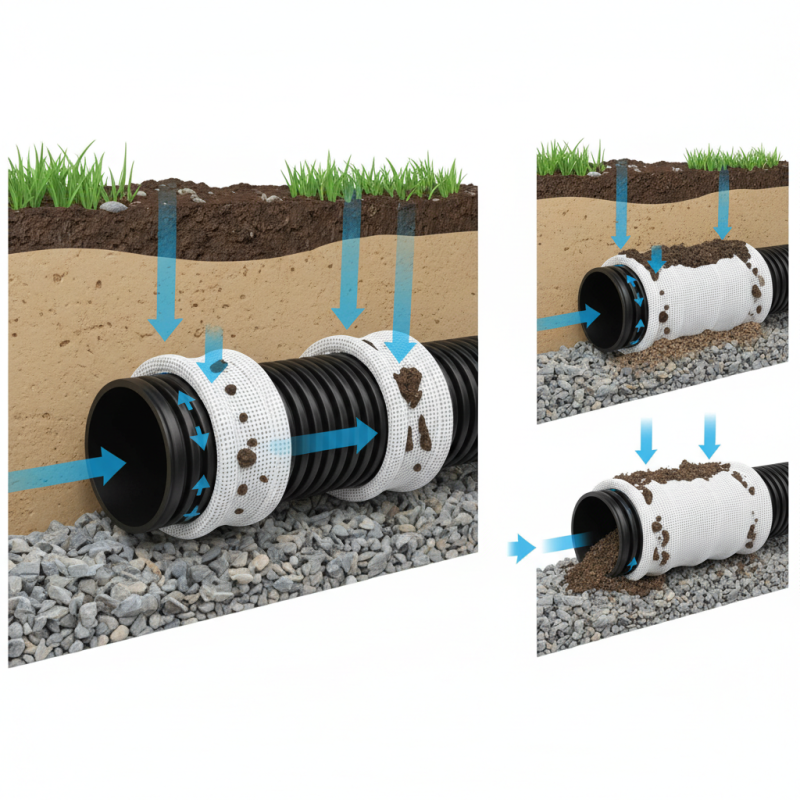
A Plastic Blind Drain is an essential component in modern drainage systems. It is designed to prevent soil and debris from entering the drainage pipe while allowing water to flow freely. This mechanism plays a critical role in maintaining efficient water management in both residential and commercial properties.
Understanding how a Plastic Blind Drain works can empower homeowners and builders alike. Its design includes a series of small openings that enable water to pass while blocking larger particles. However, it is important to remember that neglect in maintenance can lead to clogging. This highlights the need for regular checks to ensure optimal performance.
While the Plastic Blind Drain offers many advantages, it's not without its challenges. Users often overlook its installation requirements, which can affect drainage efficiency. A poorly installed drain may still let silt through or cause backup issues. Acknowledging these potential pitfalls can ensure better use of this vital drainage solution.
What is a Plastic Blind Drain?
Plastic blind drains are essential components in modern drainage systems. These drains are designed to manage excess water, particularly in areas prone to flooding. Their structure typically features a lightweight plastic material, which offers durability and resistance to corrosion. Unlike traditional drains, blind drains do not allow water to flow through their entire length. Instead, they work by directing water away from structures or soft ground via an outlet or a collection point.
When installed correctly, plastic blind drains effectively channel groundwater. This prevents water accumulation near foundations and helps reduce erosion. Their installation requires careful attention to the surrounding landscape. Many factors influence effectiveness, including soil type and drainage slope. Improper installation can lead to drainage issues, making it crucial for professionals to assess conditions beforehand. Regular maintenance is also vital to ensure they function efficiently over time.
In practice, some users face challenges when using blind drains. Clogs can occur, particularly if debris collects at the exit points. Seasonal changes can affect their efficiency, too. It's necessary to routinely check for blockages and ensure the entire drainage system functions smoothly. Through awareness and proper care, the benefits of plastic blind drains can be fully realized.
Components of a Plastic Blind Drain
A plastic blind drain is an essential component in modern drainage systems. Its design typically includes a series of perforated pipes, allowing for efficient water flow while preventing debris ingress. Key components of a plastic blind drain include the pipe itself, filter fabric, and a gravel envelope. The pipe, often made from polyethylene, offers durability and resistance to corrosion.
The effectiveness of a plastic blind drain relies heavily on proper installation and material choice. For instance, using high-density polyethylene (HDPE) pipes can enhance longevity. Studies indicate that proper layering of gravel and filter fabric promotes better drainage and minimizes clogging. However, improper installation could lead to drainage issues. In fact, reports suggest that nearly 30% of drainage failures stem from inadequate setup and material defects.
While plastic blind drains present many advantages, challenges remain. Not all environments are suitable for these systems, making it essential to assess site-specific conditions. Some experts acknowledge that localized soil types may hinder drainage effectiveness. Balancing these factors can be tricky. Thus, careful planning and consideration are necessary to optimize performance and lifespan.
How Plastic Blind Drains Function
Plastic blind drains are a crucial component in modern drainage systems. Their primary role is to manage and redirect groundwater in various applications. These drains consist of perforated or solid PVC pipes that allow excess water to flow away while maintaining soil stability. According to industry reports, effective drainage can reduce the risk of structural damage by up to 40%. This statistic highlights the importance of integrating reliable drainage solutions in construction.
Understanding how plastic blind drains function is essential for optimal usage. The design of these drains permits water to enter through holes in the pipe, which are often positioned below the ground surface. The collected water then travels along the drain and is directed away from structures. This action helps to prevent flooding and soil erosion. However, improper installation can lead to inadequate drainage performance, potentially increasing the risk of water damage. It's crucial for contractors to adhere to best practices, ensuring that the drains are properly graded and maintained.
Additionally, not all structures will benefit equally from plastic blind drains. In some cases, factors such as soil type and environmental conditions can affect their efficiency. For instance, clay-heavy soils may not facilitate drainage as well as sandy soils. These realities necessitate a careful assessment before installation. Understanding these nuances can lead to better decisions in planning drainage systems and ultimately enhance long-term structural integrity.
Common Applications of Plastic Blind Drains
Plastic blind drains are increasingly recognized for their versatility and efficiency in various applications. These drains excel in managing excess water, especially in residential and commercial environments. Common applications include agricultural fields, parking lots, and recreational areas. Their design ensures that water is effectively channeled away while preventing soil erosion and maintaining structural integrity.
According to industry reports, the demand for plastic blind drains has surged by approximately 15% annually, driven by the growing emphasis on sustainable drainage solutions. They are lightweight and easy to install, making them ideal for projects requiring quick turnaround times. In agriculture, these drains help improve crop yield by maintaining optimal soil moisture levels. However, improper installation can lead to issues like blockages, highlighting the need for skilled professionals to oversee the installation process.
In urban settings, blind drains effectively reduce flooding risks during heavy rainfall. They are often used in drainage systems beneath roads and driveways. However, it’s essential to note that not all plastic materials are equally effective. Selecting the right type of plastic is crucial for long-term durability. Regular maintenance is needed to ensure they function optimally. Even in well-planned systems, unforeseen challenges can arise, necessitating ongoing evaluation and adjustments.
Benefits of Using Plastic Blind Drains
Plastic blind drains offer several benefits in various applications. One significant advantage is their resistance to corrosion. Unlike metal alternatives, plastic blind drains withstand harsh chemicals and moisture without deteriorating. According to industry reports, corrosion costs the U.S. economy over $280 billion annually. This shows how vital durable materials are in infrastructure.
Moreover, plastic blind drains are lightweight and easy to install. They simplify the overall construction process. Installation can often be completed without specialized tools. This leads to reduced labor costs and shorter project timelines. A study by the American Society of Civil Engineers revealed that labor costs could decrease by up to 20% when using easier-to-handle materials. Additionally, plastic's versatility allows use in diverse environments, from residential landscapes to industrial settings.
Environmental considerations also play a role. Many plastic drain systems are recyclable. They contribute to sustainable building practices. Yet, some professionals question plastic's long-term durability. Concerns over degradation under UV light and extreme temperatures exist. Continuous research and development are necessary to address these issues. Companies must remain vigilant in improving the reliability of plastic materials.
FAQS
: A plastic blind drain is a drainage system component with perforated pipes for effective water flow.
They typically use polyethylene for pipes, filter fabric, and a gravel envelope.
Proper installation enhances drainage. Poor setup accounts for about 30% of drainage failures.
They resist corrosion, are lightweight, and simplify installation. This can cut labor costs significantly.
No, local soil types may affect their effectiveness. Site conditions must be evaluated carefully.
Many are recyclable and support sustainable practices, though durability concerns exist.
There are worries about UV degradation and durability under extreme temperatures.
Proper planning and consideration of site conditions are essential for better performance.
Inadequate setup and material defects are significant contributors to drainage issues.
Yes, plastic drains endure harsh conditions without corroding, unlike metal options.
Conclusion
A Plastic Blind Drain is an innovative drainage solution designed to efficiently manage excess water in various settings. It typically consists of several components, including a drainage pipe, a perforated cover, and a filtration system that prevents clogging and ensures smooth water flow. The primary function of a Plastic Blind Drain is to facilitate quick drainage while preventing debris from entering the system.
These drains are commonly used in landscaping, construction sites, and agricultural applications due to their durability and ease of installation. The benefits of using Plastic Blind Drains include lower maintenance needs, resistance to corrosion, and lightweight design, which makes them easy to transport and install. Overall, Plastic Blind Drains are an effective choice for managing water run-off and improving drainage efficiency.

 Changhong