High Density Polyethylene (HDPE) stands out as one of the most versatile plastics in various industries. According to a comprehensive market analysis by Grand View Research, the global HDPE market is projected to exceed $90 billion by 2025. This robust growth is attributed to its excellent strength-to-density ratio and chemical resistance. These properties make it ideal for packaging, construction, and automotive applications.
Various studies indicate that HDPE's ability to withstand impact and stress under extreme conditions leads to long-lasting products. For instance, in packaging, HDPE is often used for bottles, containers, and plastic bags due to its durability. Furthermore, its recycling capabilities contribute to sustainability efforts, aligning with growing consumer demands for eco-friendly solutions. The American Chemistry Council states that over 30% of HDPE is recycled, showcasing its potential in reducing waste.
However, not all applications of HDPE are perfect. Its production and disposal can lead to environmental concerns if not managed properly. Additionally, while HDPE is generally deemed safe, there are ongoing debates regarding its effects when exposed to certain temperatures or chemicals. Hence, buyers must consider these aspects carefully before making decisions.
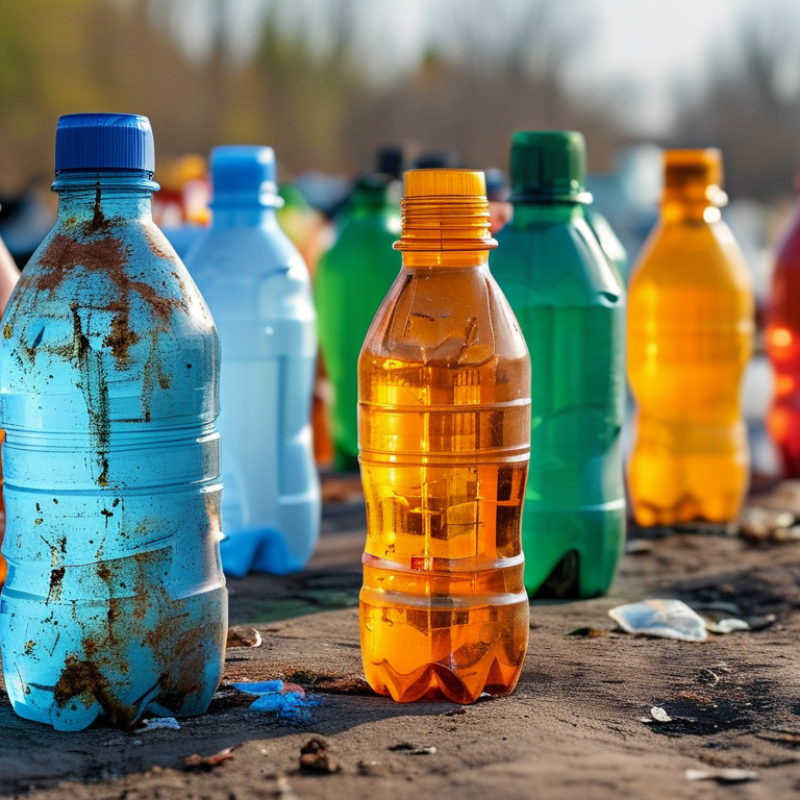
Understanding High Density Polyethylene (HDPE)
High Density Polyethylene (HDPE) is a versatile thermoplastic made from petroleum. It has a high strength-to-density ratio, which makes it ideal for various applications. From packaging to piping, HDPE is foundational in our daily lives. Its chemical resistance is notable, allowing it to endure harsh environments without degradation. This attribute is crucial for industries dealing with corrosive materials.
In addition to its strength, HDPE is lightweight and reusable. It is commonly used in containers, bottles, and construction materials. The recycling rates for HDPE are impressive, making it a sustainable choice. However, there are limitations. Some concerns arise over exposure to UV rays, which can cause stress cracking over time. This vulnerability can lead to failures in outdoor applications.
Moreover, not all HDPE products are created equal. Variations in quality can impact performance. Buyers should be aware of these distinctions to make informed decisions. Understanding these aspects of HDPE allows consumers to appreciate its benefits while recognizing potential drawbacks. Quality matters in selecting the right type of HDPE for specific needs.
Key Properties of High Density Polyethylene
High Density Polyethylene (HDPE) is renowned for its exceptional properties, making it a popular choice across various industries. One of its key properties is its high tensile strength, which is about 3,800 psi. This strength allows it to withstand stress without failing, making it suitable for applications like piping and containers. Its chemical resistance is another standout feature. HDPE resists acids, bases, and solvents, giving it an edge in environments where exposure is common.
Another important property of HDPE is its low moisture absorption, which makes it an ideal material for outdoor applications. It can maintain performance in varying environmental conditions, which is critical for landscaping and agriculture. The material’s UV resistance further enhances its ability to last longer under harsh sunlight, often lasting for over 50 years without significant degradation.
For buyers, understanding these properties can guide effective usage. Consider applications that demand durability and resistance. Analyze environmental factors that may impact material performance. Leverage HDPE's versatility; it can be molded into countless shapes. Remember, while HDPE is generally reliable, improper handling during installation can lead to issues. Always ensure proper techniques are applied to maximize its benefits.
Common Applications of High Density Polyethylene
High-density polyethylene (HDPE) is a versatile plastic widely used across various industries. Its exceptional strength and durability make it ideal for many applications. According to a report by MarketsandMarkets, the global HDPE market is expected to grow at a compound annual growth rate (CAGR) of 4.3% through 2027. With such growth, understanding its applications becomes vital for buyers.
One common use of HDPE is in the packaging industry. It accounts for over 30% of the global HDPE consumption. This material is favored for making bottles, containers, and bags due to its resistance to impact and moisture. Additionally, HDPE is often used in construction materials, such as pipes and geomembranes. Its chemical resistance allows it to be a safe option for transporting various substances.
In the agricultural sector, HDPE plays a key role. It is utilized for greenhouse covers, mulch films, and irrigation systems. These applications frequently enhance crop yield and sustainability. However, buyers must consider lifecycle impacts. While HDPE is recyclable, the infrastructure in many regions may not support efficient recycling. This raises issues about environmental sustainability that need careful consideration.
Advantages of High Density Polyethylene for Consumers
High Density Polyethylene (HDPE) is widely recognized for its numerous advantages. It is lightweight yet strong, making it ideal for various applications. According to industry reports, HDPE can withstand a range of temperatures and boasts a high strength-to-density ratio. This makes it suitable for both consumer and industrial products.
When used in packaging, HDPE stands out for its durability and resistance to impact. This quality minimizes damage during transport. Additionally, it is chemically resistant, which is essential for products in industries like agriculture and construction. In fact, reports reveal that HDPE can last for over 50 years without significant degradation.
Choosing HDPE also has environmental benefits. Many recycling programs accept it, making it a sustainable option for buyers. However, it's worth noting that not all HDPE products are created equal. Consumers should research specific items to ensure safety and performance.
Tips: Consider looking for HDPE products with clear recycling codes. Prioritize items that specify safety ratings. Keep in mind, while HDPE is versatile, improper use can lead to issues.
Advantages of High Density Polyethylene (HDPE)
Environmental Impact and Sustainability of HDPE
High-density polyethylene (HDPE) has gained attention for its environmentally friendly properties. This versatile plastic is recyclable and has a lower carbon footprint compared to other materials. According to a study published by the Plastics Industry Association, HDPE can be recycled up to 30 times without losing its integrity. This makes it a sustainable choice for packaging, construction, and other applications.
One major concern is the environmental impact of production. The process of creating HDPE emits greenhouse gases, contributing to climate change. Industry reports indicate that while its lifecycle emissions are comparatively low, there is still room for improvement. In 2022, the Carbon Disclosure Project reported that the HDPE industry needs to adopt cleaner production methods to reduce emissions.
Additionally, improper disposal remains a pressing issue. Although HDPE is recyclable, many products end up in landfills. Data shows that only about 12% of HDPE containers are actually recycled in the U.S. This highlights a significant gap in the circular economy. Efforts to improve recycling rates and educate consumers are crucial for maximizing the benefits of HDPE. Being aware of its limitations can guide responsible choices in material use and waste management.
FAQS
: HDPE is a versatile plastic known for its strength and durability.
HDPE is used in packaging, construction, and agriculture.
It is used for bottles, containers, and bags due to its moisture resistance.
Yes, HDPE can be recycled up to 30 times without losing quality.
The production process emits greenhouse gases, impacting climate change.
Many products end up in landfills, with only about 12% being recycled.
It improves crop yield through greenhouse covers and irrigation systems.
While recyclable, the infrastructure for recycling may not be adequate in some regions.
Educating themselves on recycling practices can improve HDPE waste management.
Lifecycle impacts and environmental sustainability are important factors to reflect on.
Conclusion
High Density Polyethylene (HDPE) is a versatile thermoplastic known for its robust properties and wide range of applications. Its key characteristics include high tensile strength, resistance to impact, and durability, making it an ideal choice for various products. Common uses of HDPE span from packaging materials and containers to piping systems and automotive components, reflecting its adaptability to different industries.
Consumers benefit from HDPE's advantages, such as its longevity, lightweight nature, and recyclability, which contribute to cost-effectiveness and sustainability. Additionally, the environmental impact of HDPE is increasingly positive as recycling technologies improve, positioning it as a more sustainable option compared to other materials. Overall, High Density Polyethylene offers both practicality and environmental responsibility for informed buyers.

 Changhong