In the world of plumbing, the importance of a reliable Drain Line Pipe cannot be overstated. According to a report by the Plumbing Manufacturers International, over 80% of plumbing issues are directly related to drainage problems. This statistic highlights the crucial role Drain Line Pipes play in maintaining efficient plumbing systems. Experts like John Baker, a noted plumbing specialist, emphasize, "A well-installed drain line is key to preventing costly repairs and maintaining home integrity."
Drain Line Pipes are designed to transport wastewater from homes to sewage systems. Their durability and reliability are essential. Poorly installed or old drain lines can lead to clogs and leakages, causing damage to property. Recent studies suggest that inadequate drain lines can result in repair costs exceeding thousands of dollars.
Many homeowners underestimate the complexity of their drain systems. Ignoring the signs of a failing drain line can lead to severe consequences. Regular maintenance and timely replacement of Drain Line Pipes ensure a smooth plumbing experience. Ensuring the integrity of these pipes helps safeguard against unexpected plumbing disasters.
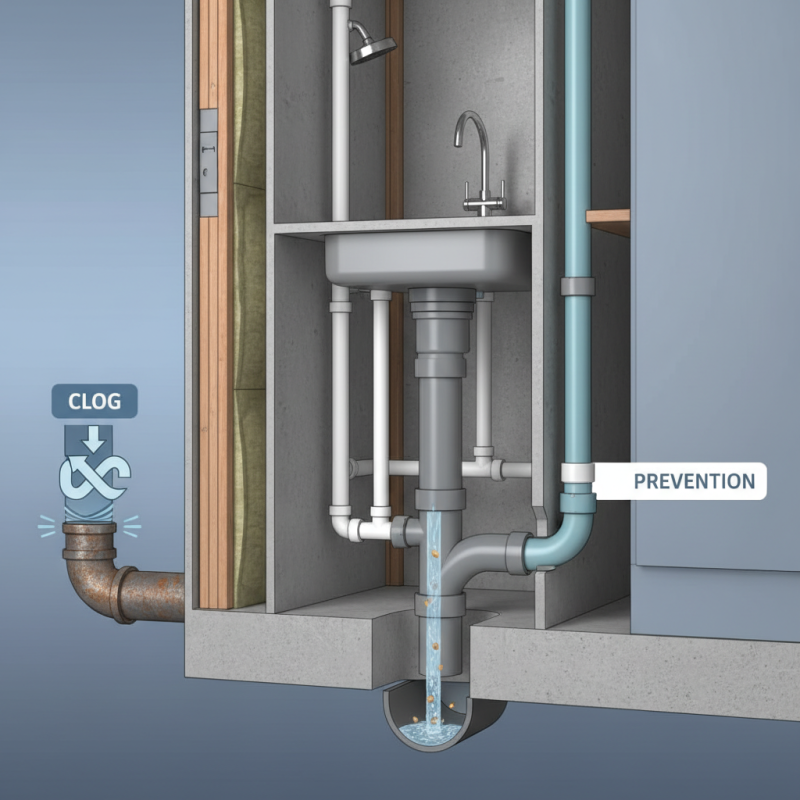
The drain line pipe plays a crucial role in any plumbing system. It is responsible for directing wastewater away from your home. This process prevents flooding and keeps your environment clean. Properly installed drain lines help maintain a healthy household. When drain lines function well, they enhance the overall plumbing efficiency.
Understanding how drain line pipes work is essential. Typically made from durable materials, they withstand various conditions. These pipes can experience clogs from debris and buildup over time. Homeowners should regularly inspect their drain lines for signs of issues. Even small blockages can lead to significant problems if not addressed promptly.
Being proactive about drain maintenance can save money later. Learning the signs of a bad drain line is important. Unpleasant odors or slow drainage are red flags. Homeowners must recognize these issues early. Regular cleaning and smart usage can prolong the life of these pipes. It is crucial to be aware of what goes down the drains. Some mistakes can lead to costly repairs in the future.
When considering plumbing needs, it's vital to understand the various types of drain line pipes available. Each type serves specific functions and is suited to different environments. This knowledge can help prevent costly repairs down the line.
PVC pipes are popular for residential plumbing. They are lightweight, durable, and resistant to corrosion. Great for drain lines, they handle wastewater effectively. However, they can be brittle in extreme temperatures. Improper installation may lead to cracks, requiring immediate attention.
Cast iron pipes remain a reliable choice, especially for larger buildings. They offer excellent soundproofing and durability. Yet, their weight makes them difficult to install. Over time, cast iron can corrode, necessitating regular inspections.
Lastly, ABS pipes are favored for their flexibility and ease of installation. They are less common in rigid applications but are great in spaces where quick adaptations are necessary. Still, they may not stand up well to UV light exposure. It’s important to weigh these attributes against your specific plumbing needs.
Inadequate drain lines can lead to significant plumbing issues. According to a report by the National Plumbing Association, nearly 30% of home plumbing problems stem from improperly designed drain lines. These issues often manifest as slow drains or recurring clogs. Homeowners may overlook the severity of these problems until it's too late. A blocked drain line can cause waste to back up, leading to unpleasant odors and potential health risks.
Another common issue occurs with the misalignment of pipes. If drain lines are not installed at the correct slope, waste cannot flow properly. This misalignment can result in stagnant water, which can become a breeding ground for bacteria and other harmful pathogens. The American Society of Plumbing Engineers found that 40% of plumbing failures trace back to inadequate slope in drain lines. Regular maintenance and inspections are crucial to identifying these problems early. Homeowners should be aware that neglecting drain line care can lead to costly repairs and more extensive plumbing work.
| Common Issues | Description | Causes | Prevention |
|---|---|---|---|
| Clogs | Blockages in the drain line causing slow drainage or overflow | Debris, grease, tree roots | Regular maintenance and using drain strainers |
| Leaks | Water escaping from joints or cracks in the pipe | Corrosion, poor installation | Inspect and replace old pipes |
| Foul Odors | Unpleasant smells due to stagnation | Clogs and buildup of organic material | Regular cleaning and flushing |
| Slow Draining | Water drains slowly, indicating potential blockage | Buildup of debris or pipe damage | Immediate inspection and address clogs |
| Backflow | Sewage or dirty water flows back into the home | Improper slope or blockages | Maintain proper installation and regular checks |
Maintaining your drain line pipes is essential for a healthy plumbing system. Regular maintenance can extend their lifespan and prevent costly repairs. According to industry reports, nearly 80% of plumbing issues stem from failed drain lines. Regular inspections can help you catch problems early.
One effective tip is to flush your drains regularly. Hot water can help dissolve grease build-up. Avoid harsh chemicals, as they can corrode pipes over time. Instead, consider using natural remedies like baking soda and vinegar.
Keep an eye on your pipes. If you notice slow draining or bad odors, act quickly. These signs can indicate a blockage or deterioration. A professional inspection every few years may be a prudent choice. Remember, proactive maintenance is key to avoiding major headaches down the line.
Choosing the right drain line pipe is vital for effective plumbing. Many homeowners overlook this crucial aspect. The right material ensures durability, resistance to corrosion, and proper flow. According to industry reports, about 30% of plumbing failures stem from poor quality piping.
PVC pipes are popular due to their lightweight nature and affordability. However, they may not withstand extreme temperatures. In contrast, cast iron pipes offer immense strength and longevity but are heavy and more costly. A study found that cast iron can outlast PVC by up to 50 years in certain environments. However, installation requires skilled labor, and that's a consideration.
It's important to assess your specific plumbing needs. Factors like climate, pipe exposure, and local building codes play significant roles. Homeowners must consider these elements when selecting pipes. Neglecting them can lead to costly repairs or replacements over time. Evaluating the pros and cons of each material is essential for long-term satisfaction.
: The main types are PVC, cast iron, and ABS pipes. Each serves specific plumbing needs.
PVC pipes are lightweight, durable, and resistant to corrosion. They work well for residential plumbing.
PVC can become brittle in extreme temperatures. Improper installation can cause cracks to appear.
Cast iron pipes provide excellent soundproofing and are very durable. They are reliable for larger buildings.
Yes, they are heavy and costly to install. They may also corrode, needing regular inspections.
ABS pipes are flexible and easy to install. They're good for spaces requiring quick adjustments.
ABS pipes may not perform well against UV light exposure, which can lead to degradation.
The right material ensures durability and prevents plumbing failures, which can be costly.
Homeowners must consider climate, pipe exposure, and local building codes. These can affect pipe performance.
Neglecting these factors can lead to costly repairs or replacements over time.
Drain Line Pipe is a critical component of effective plumbing systems, serving multiple essential functions in the management of wastewater. Understanding its role helps homeowners and professionals alike recognize the importance of choosing the right type of drain line pipe, whether it's PVC, cast iron, or another material, each suited for specific applications.
Inadequate drain lines can lead to multiple issues, including clogs and potential water damage, highlighting the need for regular maintenance to ensure their longevity. Proper care, including routine inspections and cleaning, can significantly enhance the lifespan of drain line pipes, ensuring efficient performance. Ultimately, selecting the appropriate drain line pipe is vital for addressing individual plumbing needs, preventing problems, and promoting a smoothly functioning plumbing system.
Changhong