What Are Dimple Drain Sheets and How to Choose Them?

Time:2026-06-13 Author:Sophia
0%

Dimple Drain Sheets play a crucial role in effective drainage solutions. These innovative sheets are designed to manage water flow and prevent soil erosion. According to Emily Chen, a leading expert in drainage solutions, "Choosing the right Dimple Drain Sheets can significantly enhance your project's longevity." Her words highlight the importance of selecting high-quality materials.

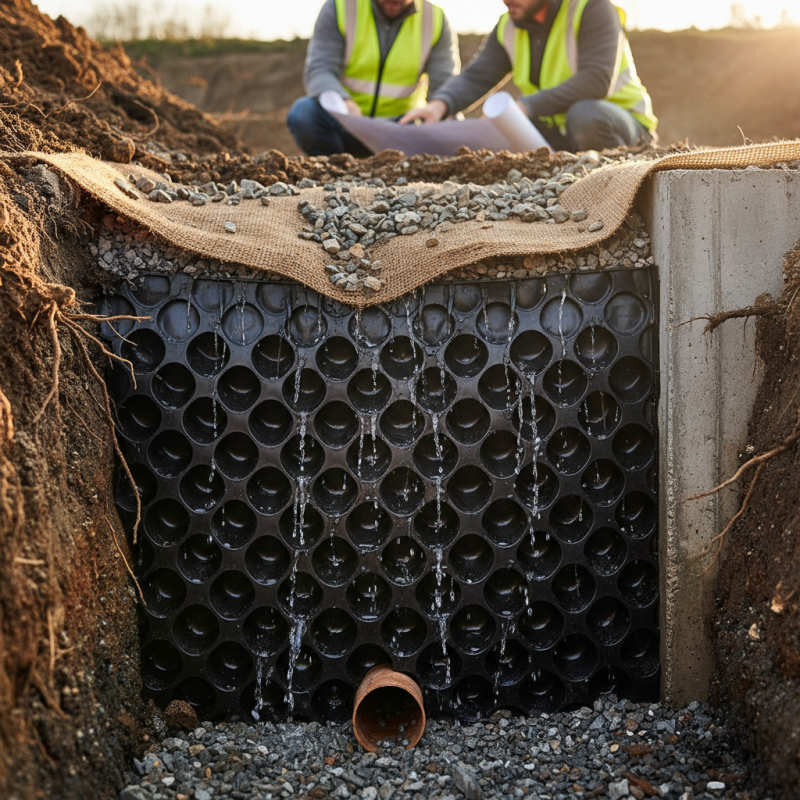
When considering Dimple Drain Sheets, it's essential to understand their construction and application. These sheets feature dimples that create airspace, allowing water to flow freely while protecting structural elements. Buyers often overlook the specific conditions of their site, leading to poor choices. It’s a common mistake to assume all products are equal.

Ultimately, making an informed selection requires expertise and a keen understanding of your environment. Not all Dimple Drain Sheets are created equal; variations exist in material quality and drainage capacity. It's valuable to consult with professionals and review past projects. Failing to do so can result in significant setbacks. Therefore, finding the right balance of performance and durability is vital.
What Are Dimple Drain Sheets and How to Choose Them?

What Are Dimple Drain Sheets and Their Applications in Construction?

Dimple drain sheets are specialized materials used in construction for managing water drainage. They consist of a molded plastic sheet that creates a space for water to flow freely. This product helps to protect structures from water damage and soil erosion. Their design allows moisture to be diverted away from foundations, making them crucial in basements and retaining walls.

In construction, dimple drain sheets are commonly applied in various settings. They are effective in preventing water accumulation around foundations. They can be used under concrete slabs and on retaining walls. These applications help maintain structural integrity and prolong the life of buildings. Often, they are installed with other waterproofing measures. Proper installation is essential to maximize their effectiveness.

**Tips:** When choosing dimple drain sheets, consider the thickness and material. Ensure the drainage system is compatible with local soil conditions. It's also vital to ensure the sheets are installed correctly. Poor installation can lead to water issues, defeating their purpose. Regular inspection and maintenance of the system are necessary to avoid future complications.

Key Features and Benefits of Dimple Drain Sheets for Drainage Systems

Dimple drain sheets have become essential in drainage systems. They help manage water flow and protect structures. With their unique dimpled design, these sheets create a space for water to travel, reducing hydrostatic pressure. This feature is crucial in preventing water damage to foundations and basements.

One of the main benefits of dimple drain sheets is their ability to drain excess water efficiently. They keep moisture away from building materials, enhancing longevity. Additionally, they are lightweight and easy to install. This versatility allows for their use in various applications, from residential to commercial projects. However, choosing the right sheet can be challenging. Different materials and thicknesses affect performance.

Understanding your project’s specific needs is vital before making a decision. Assessing the soil type and drainage requirements will guide you in selecting the appropriate sheet. It's worth considering the installation process, as improper setup can lead to complications. Engage with professionals if uncertain. Their expertise can help ensure optimal results and avoid costly mistakes in the future.

Dimple Drain Sheets Key Features and Benefits

How to Select the Right Dimple Drain Sheet for Your Project Needs

When selecting a dimple drain sheet, consider the project's specific requirements. These sheets are designed to manage water efficiently, especially in basement and landscaping applications. The right choice ensures proper drainage and prevents moisture-related issues. Pay attention to the thickness and material. Thicker sheets may offer better durability, while specific materials can enhance water flow.

Think about the installation environment. Is it a steep slope or a flat area? Each setting might require a different type of dimple drain sheet. Some materials handle heavy loads better than others. It’s crucial to match the sheet with soil conditions and drainage needs. This process can often feel overwhelming, especially for first-time users.

Researching local regulations is also important. Some spaces may have restrictions on material types or installation methods. Always consult with experts or builders in your area. They can provide insights based on experience. Being informed can help you avoid costly mistakes down the line. Choosing the right dimple drain sheet may take time, but it’s worth the effort for long-lasting results.

Industry Standards and Performance Criteria for Dimple Drain Sheets

When selecting dimple drain sheets, understanding industry standards and performance criteria is crucial. These sheets are designed to efficiently manage water drainage around foundations and retain soil support. A key performance metric is the drainage capacity. Reports indicate that high-quality dimple drain sheets can handle over 50 gallons per minute per linear foot. This reflects their efficiency in preventing water accumulation.

Another important factor is the material durability. Many sheets meet ASTM standards, providing assurance against various environmental stresses. For instance, sheets made from high-density polyethylene (HDPE) demonstrate a tensile strength of up to 3,000 PSI. This durability enhances their lifespan, typically exceeding 25 years under normal conditions. However, not all products guarantee such longevity. A thorough evaluation of manufacturer specifications is necessary.

Additionally, it's vital to consider the installation process. Improper setup can undermine effectiveness. Some users have reported issues with misalignment, leading to pooling. Regular inspection and maintenance of installed dimple drain sheets can mitigate potential drainage issues. The complexity of ground conditions also plays a role. Local soil types and drainage patterns can influence overall performance. Addressing these variables during selection will provide better long-term solutions.

What Are Dimple Drain Sheets and How to Choose Them? - Industry Standards and Performance Criteria for Dimple Drain Sheets

Dimension Measurement Material Weight Drainage Capacity
Sheet Thickness 0.75 mm High-density polyethylene (HDPE) 1.5 kg/m2 100 liters/minute
Sheet Dimensions 2 m x 1 m Polypropylene 1.2 kg/m2 90 liters/minute
Dimple Height 8 mm Recycled materials 1.8 kg/m2 120 liters/minute
Roll Size 30 m x 1 m Geotextile lamination 1.4 kg/m2 110 liters/minute

Comparative Analysis: Dimple Drain Sheets vs. Traditional Drainage Solutions

Dimple drain sheets are gaining popularity in construction and landscaping. They effectively manage water flow and mitigate soil pressure. Unlike traditional methods, dimple drain sheets are lightweight and easy to install. They consist of a series of dimples that create air gaps, allowing for excellent water drainage. This unique design helps in reducing the accumulation of water in basements and foundation perimeters.

Traditional drainage solutions often rely on gravel or perforated pipes. These methods can be more labor-intensive and time-consuming. They require excavation and installation of multiple layers. In contrast, dimple drain sheets streamline the process, requiring minimal trenching. However, they might not suit every situation. For instance, in highly saturated soil areas, traditional methods may offer better long-term drainage. It’s crucial to assess specific site conditions before making a choice.

While dimple drain sheets provide an efficient solution, they come with drawbacks. They can be less effective in extreme weather conditions or heavy rainfall. Regular maintenance is still necessary to clear any debris that could impede drainage. In some scenarios, combining both approaches may yield the best results. Balancing the pros and cons is essential for optimal drainage performance.

FAQS

: What are dimple drain sheets?

: Dimple drain sheets are molded plastic sheets designed for effective water drainage in construction.

Where are dimple drain sheets commonly used?

They are typically used around foundations, under concrete slabs, and on retaining walls.

How do dimple drain sheets protect structures?

They divert moisture away from foundations, helping prevent water damage and soil erosion.

What should I consider when selecting dimple drain sheets?

Consider thickness, material type, and the specific drainage needs of your project.

Are dimple drain sheets easy to install?

Yes, they are lightweight and easy to install compared to traditional drainage solutions.

Do dimple drain sheets have limitations?

Yes, they may be less effective in extreme weather or highly saturated soil conditions.

Why is proper installation important?

Poor installation can lead to water issues, defeating the purpose of using dimple drain sheets.

How can I maintain dimple drain sheets?

Regularly inspect for debris that may obstruct drainage, ensuring long-term effectiveness.

Is it necessary to consult professionals when choosing drainage solutions?

Yes, seeking expert advice can help avoid costly mistakes and ensure the right choice.

Can combining dimple drain sheets with traditional methods be beneficial?

Yes, assessing site conditions may reveal that a mixed approach offers better drainage performance.

Conclusion

Dimple Drain Sheets are innovative drainage solutions commonly employed in construction to manage water flow and prevent moisture buildup around foundations. These sheets are designed with a series of dimples that create space for water to channel away from structures, thereby enhancing the efficiency of drainage systems. The key features and benefits of Dimple Drain Sheets include their durability, lightweight nature, and ease of installation, which collectively contribute to improved longevity and performance in preventing water-related issues.

When selecting the right Dimple Drain Sheet for a project, several factors should be considered, such as the specific application, soil conditions, and industry standards. Understanding performance criteria is crucial for ensuring that the chosen solution meets the necessary requirements. A comparative analysis reveals that Dimple Drain Sheets often outperform traditional drainage methods, offering more effective and reliable moisture management.


Sophia

Sophia

Sophia is a dedicated marketing professional with an exceptional depth of knowledge about her company's products and services. With a keen understanding of market trends and customer needs, she crafts insightful blog posts that not only inform but also engage readers, enriching the company’s online......