Choosing the best Plastic Drainage Pipe begins with the site, not the product label. A pipe beneath a garden path faces different demands than one beneath a warehouse floor. Soil pressure, groundwater, temperature changes, flow volume, and installation depth all influence performance. The right choice must also match local building requirements and project drawings.
Civil engineer David A. Willoughby, a recognized author on polyethylene pipe systems, states, “A pipe’s performance depends on the interaction between the pipe and the surrounding soil.” That principle deserves attention. Plastic drainage pipe is flexible, so careful bedding and side support matter greatly. A poorly compacted trench can create deflection, even when the pipe itself meets quality standards. Small details matter.
This guide examines pipe materials, wall profiles, diameter, stiffness ratings, joint design, and expected service conditions. PVC, HDPE, and polypropylene each offer useful advantages. None is perfect. A lightweight pipe may simplify handling but require stricter installation control. A smooth interior can improve flow, yet a weak connection may still cause leakage. That is easy to overlook.
Reliable selection combines manufacturer data, engineering calculations, field experience, and independent certification. Check chemical resistance when wastewater contains oils or cleaning agents. Inspect gaskets, trench depth, and backfill quality before covering the system. A product brochure alone cannot predict site performance. Sometimes, the most attractive option is not the safest one. This article helps readers compare practical choices and question assumptions before purchasing Plastic Drainage Pipe.
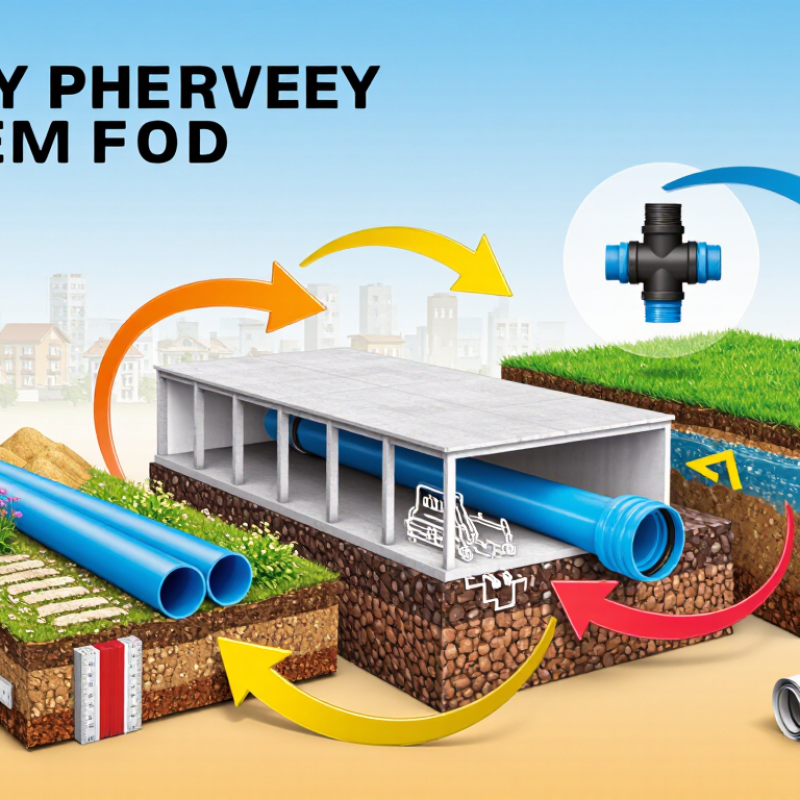
A plastic drainage pipe is a hollow conduit that carries unwanted water away from buildings, roads, and landscaped areas. It may handle wastewater, rainwater, or groundwater, depending on the system design. Most drainage networks use gravity to move water through the pipe. The pipe does not create pressure. Its slope, diameter, and internal smoothness control the flow.
Common materials include PVC, HDPE, and polypropylene. PVC is rigid and maintains a stable shape underground. HDPE bends more easily and can tolerate ground movement. Polypropylene performs well in some demanding temperature and chemical conditions. The best choice depends on soil conditions, expected flow, installation depth, and local regulations. A larger pipe is not automatically better. Oversized pipes may reduce flow speed and allow sediment to settle.
Installation strongly affects performance. A consistent slope helps prevent standing water. Joints must be clean, aligned, and properly sealed. Small gaps can allow soil to enter the system. Fine gravel or approved bedding material can support the pipe without creating sharp pressure points. Access points make future inspection easier. Field inspections often reveal a simple problem: poor alignment, not weak plastic. It is easy to focus on pipe strength and overlook the trench. That mistake deserves more attention.
Choosing a drainage pipe starts with the site, not the price tag. Soil movement, traffic loads, water temperature, and chemical exposure all affect performance. PVC pipes are rigid and smooth, making them suitable for many gravity drainage systems. Their low friction supports steady flow with less buildup. However, rigid pipes may crack when poorly supported or exposed to severe ground movement.
HDPE offers flexibility and strong resistance to impact. It can work well beneath driveways, landscaped areas, and uneven ground. Its fused joints can reduce leakage risks when installed correctly. PP pipes also resist many chemicals and tolerate changing temperatures. Material strength alone is not enough. Check the pipe’s stiffness rating, wall structure, and expected burial depth.
Installation details often decide the real service life. A narrow trench, uneven bedding, or rushed backfilling can deform a good pipe. Use clean granular bedding and remove sharp stones near the pipe wall. Confirm local load requirements before installing beneath roads or parking areas. Do not choose by diameter alone. Flow rate, slope, access points, and maintenance needs must match the system design.
A small mistake matters. I have seen drainage plans overlook future tree roots and maintenance access. That oversight can turn a simple repair into repeated excavation. Temperature data, soil reports, and drainage calculations provide more reliable guidance than assumptions. When conditions are uncertain, consult a qualified drainage engineer and request documented material standards.
Choosing the best plastic drainage pipe starts with the water, not the catalog. Measure peak flow, pipe length, slope, and the number of connections. A small line may drain a sink, but it can struggle beneath a driveway after heavy rain. For gravity systems, confirm the slope with a level. Standing water often signals poor planning, not a weak pipe. I have seen installers select diameter by guesswork. That shortcut becomes expensive when sediment builds up.
Match the diameter to flow and cleaning needs. Larger is not always better, because slow water can leave grit behind. Use a drainage calculation based on expected discharge, available fall, and local installation guidance. Check the pipe’s stiffness class or pressure rating against its location. A shallow garden run needs different strength from a line under compacted soil or vehicle traffic. Protect vulnerable sections with suitable bedding and cover depth. Sharp stones matter. They can create stress points.
Review joint design, temperature changes, chemical exposure, and maintenance access. The pipe should remain aligned when soil settles slightly. Test the assembled line before covering it, using controlled water and visual checks at every joint. Do not rely on appearance alone; a smooth surface can hide an incorrect gradient. My preference is to record measurements and photographs during installation, although this feels excessive on small projects. It prevents disputes and makes later repairs easier. When conditions are uncertain, ask a qualified drainage professional to verify the design.
Larger pipe diameters can carry more water. The chart shows estimated full-flow capacity at a constant 1% slope, calculated using the Manning equation with a smooth-pipe roughness coefficient of 0.009. These are theoretical estimates, not recommended design flows. Actual capacity depends on slope, fittings, flow depth, installation, and local requirements. Check the pipe’s strength class and burial or loading conditions when selecting a pipe.
Comparing common plastic drainage pipe types starts with the site, not the product label. PVC pipes offer smooth interiors and predictable flow. They are often suitable for household drains and buried wastewater lines. However, rigid PVC can crack if the trench shifts or bedding is poorly compacted. I have seen small installation mistakes create large leaks months later.
HDPE provides flexibility and strong resistance to ground movement. Its fused joints can reduce leakage risks, but skilled equipment and trained installers are usually necessary. Corrugated HDPE is lightweight and useful for stormwater management. Its ribbed interior may collect debris more easily than a smooth-wall pipe. Watch the slope carefully.
Polypropylene pipes tolerate many household chemicals and repeated temperature changes. They can work well in indoor drainage systems, especially where impact resistance matters. ABS is also lightweight and easy to cut, although its suitability depends on local building requirements. Not every pipe fits every soil condition. That is the uncomfortable part.
Before choosing, check pipe diameter, flow demand, burial depth, soil pressure, and expected maintenance access. Inspect seals for damage before installation. Use clean, properly prepared joints. A camera inspection can reveal sagging sections that surface checks miss. Local codes still control the final decision. Product data should support the choice, but field conditions deserve the louder voice. Measuring twice helps, though it cannot replace careful judgment.
Choosing a plastic drainage pipe starts with the site, not the catalogue. Check soil type, groundwater, slope, traffic loads, and expected flow. A pipe that works in sandy soil may deform in soft clay. Small details matter.
Installation controls long-term performance. Prepare a stable trench base and remove sharp stones before placing the pipe. Keep joints clean, fully seated, and correctly aligned. Use approved bedding material around the haunches, not only beneath the pipe. Poor side support can cause deflection. Industry guidance commonly limits flexible pipe deflection to about 5% of its diameter, although project specifications may be stricter. In practice, rushed backfilling remains a frequent weakness. I have seen good pipes fail because compaction was uneven.
Maintenance should reflect the actual environment. Inspect inlets, outlets, and access points after heavy storms. Remove sediment before it hardens. Root intrusion, standing water, and repeated joint movement deserve attention. The U.S. Environmental Protection Agency’s 2022 Clean Watersheds Needs Survey estimated $630.1 billion in wastewater and stormwater infrastructure needs across the United States. That figure shows why planned maintenance matters. Replacement budgets are limited. Choose a pipe with verified chemical resistance, suitable ring stiffness, and documented installation requirements. Long service life is possible, but it is not automatic. Soil movement, ultraviolet exposure, and neglected inspections can still shorten performance.
It carries wastewater, rainwater, or groundwater away from buildings and landscaped areas. Gravity usually moves the water. The pipe creates no pressure.
Not always. An oversized pipe can slow water and let sediment settle. Choose the diameter according to flow, slope, length, and cleaning needs.
Slope matters. A consistent gradient helps prevent standing water. A level or poorly aligned section may collect water, even when the pipe looks strong.
Keep joints clean, aligned, and properly sealed. Small gaps can let soil enter the system. Test every connection before covering the trench.
Use fine gravel or approved bedding material. Sharp stones can create pressure points and damage the pipe. The support should feel even beneath the full length.
Flexible pipe can tolerate some ground movement. Rigid pipe may crack when soil shifts or bedding is uneven. The right choice depends on soil, depth, and traffic.
Check the gradient, alignment, joints, and visible water movement. Controlled water testing can reveal leaks. Photographs and measurements may feel excessive, but they help later.
Ask for help when flow, soil pressure, burial depth, or local requirements are uncertain. Surface checks can miss hidden sagging. Careful judgment still matters.
Choosing the best Plastic Drainage Pipe begins with understanding how it carries wastewater or stormwater away from buildings, roads, and landscaped areas. The right selection depends on the pipe’s material, intended application, soil conditions, temperature exposure, chemical resistance, and expected flow. Consider the required diameter, wall thickness, pressure or load strength, slope, and drainage volume to ensure reliable performance without unnecessary cost. Different plastic options may offer varying levels of flexibility, rigidity, impact resistance, and ease of connection, so each type should be evaluated according to the project’s specific needs.
Proper installation is equally important for long-term results. Prepare a stable, well-leveled trench, use suitable bedding and joints, maintain the recommended gradient, and protect the pipe from excessive movement or sharp objects. Regular inspections can help identify blockages, leaks, root intrusion, or ground settlement before they become serious problems. By balancing material properties, pipe dimensions, site requirements, installation quality, and maintenance needs, you can choose a durable and efficient drainage solution that performs consistently over time.

Changhong