When approaching the selection of Non Woven Geotextile for various projects, expertise is essential. Dr. Emily Carter, a renowned expert in geosynthetics, emphasizes, "The right Non Woven Geotextile can greatly enhance project stability." This insight highlights the importance of informed decisions in material selection.
Understanding the diverse applications of Non Woven Geotextile is crucial. These materials serve numerous purposes, from filtration to erosion control. Their effectiveness directly impacts project outcomes. Selecting the wrong type can lead to project failures, increased costs, or unforeseen complications.
As professionals in the field know, not all Non Woven Geotextile products are created equal. Variability in composition and properties means careful evaluation is required. Designers and engineers must consider durability, permeability, and environmental factors. In this complex landscape, expert advice can be invaluable, though it is not always easy to navigate. Each project poses unique challenges that demand thoughtful reflection and analysis.
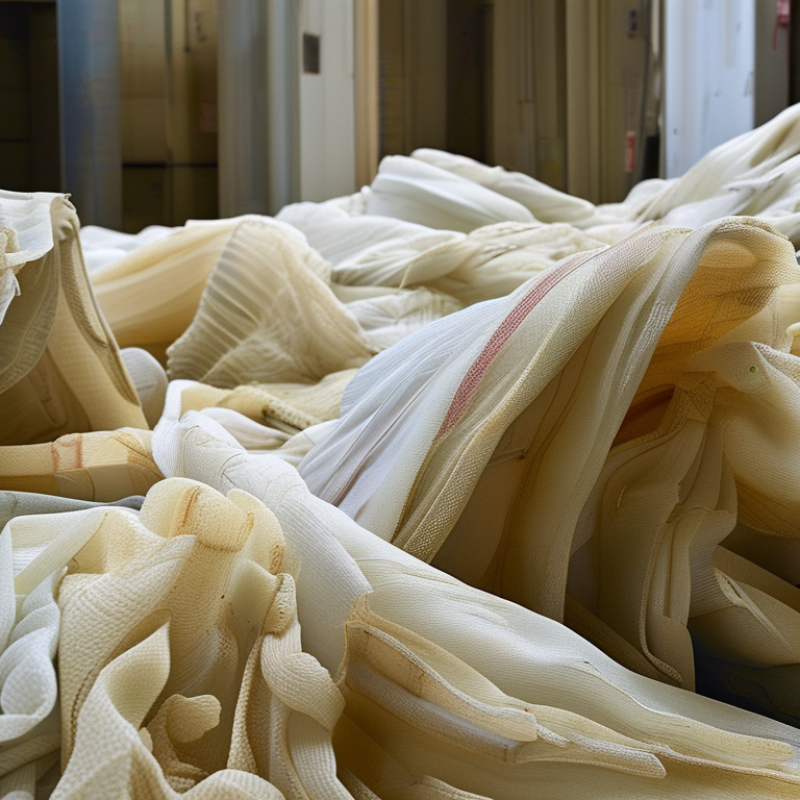
Non woven geotextiles are versatile materials used in various civil engineering projects. They can provide soil stabilization, drainage, and erosion control. Understanding their basic properties is crucial for effective project planning. Non woven geotextiles are composed of randomly arranged fibers. This structure allows for flexibility and permeability, catering to a range of applications.
When selecting non woven geotextiles, consider factors like tensile strength and filtration capabilities. Higher tensile strength ensures durability under stress, particularly in construction areas. Filtration properties enable water flow while preventing soil loss. Projects often demand a balance between these characteristics to prevent failures. Observing real-world applications can reveal insights into which properties matter most in specific environments.
However, not all non woven geotextiles are created equal. It’s essential to analyze the project’s needs closely. Sometimes, opting for a lower-grade material may seem cost-effective, but it can lead to long-term issues. Reflection on past projects highlights the importance of thorough assessments. Each project poses unique challenges that can only be solved with the right geotextile choices. Balancing specifications and practical experiences leads to better outcomes.
| Property | Description | Importance |
|---|---|---|
| Material Composition | Commonly made from polypropylene (PP) or polyester (PET). | Determines durability and suitability for specific applications. |
| Weight/Thickness | Ranges from 100 to 800 grams per square meter (gsm). | Impacts strength and filtering capabilities. |
| Permeability | Measured in terms of flow rate (cm/sec). | Critical for drainage applications; prevents waterlogging. |
| UV Resistance | Resistance to sunlight degradation. | Important for outdoor projects to ensure longevity. |
| Tensile Strength | Ability to withstand tension, measured in kilonewtons (kN). | Essential for stability and support in soil reinforcement. |
| Puncture Resistance | Ability to resist penetration from sharp objects. | Critical for applications over rocky or harsh subgrades. |
: They are used for soil stabilization, drainage, and erosion control in civil engineering projects.
They are composed of randomly arranged fibers, allowing flexibility and permeability for various applications.
Key factors include tensile strength and filtration capabilities, which affect durability and water flow.
Higher tensile strength ensures durability under stress, especially in construction areas where pressure is high.
Look for compliance with standards like ASTM D4751 and ASTM D4632 for effective soil stability and drainage.
Check for certifications like ISO 9001 and seek materials tested for UV resistance and permeability.
Not all manufacturer statements are scrutinized; some may lack transparency, leading to potential misuse in projects.
Define project needs, evaluate suppliers, and request samples to assess quality before making bulk purchases.
Lower prices may indicate compromised quality; analyze specifications to ensure products meet industry standards.
Selecting lower-grade materials to save costs can lead to long-term problems in project performance.
This article provides a comprehensive guide on how to choose Non Woven Geotextile for various projects. It begins by explaining the basics of Non Woven Geotextiles, detailing their structure and function in different applications. Key properties to consider when selecting these geotextiles are outlined, such as permeability, strength, and resistance to environmental factors, which are crucial for ensuring optimal performance.
Furthermore, the article emphasizes the importance of identifying the right application for Non Woven Geotextiles, whether for filtration, separation, or erosion control. Evaluating the quality of geotextiles is also discussed, highlighting relevant standards and certifications that assure reliability. Lastly, practical tips for sourcing and purchasing Non Woven Geotextiles are provided, ensuring users make informed decisions that align with their project needs.

 Changhong