In today’s construction and manufacturing sectors, High Density Polyethylene (HDPE) stands out as a preferred material. Dr. Emily Carter, a leading expert in polymer science, emphasizes, "HDPE’s versatility and strength make it an ideal choice for various applications." This statement highlights the material's essential role in sustainable projects.
HDPE is known for its impressive durability and chemical resistance. It performs well in harsh environments. This reliability has made it popular for pipelines, containers, and even packaging. Its lightweight nature also contributes to improved transportation efficiency. However, not every project may be suited for HDPE. Factors like environmental conditions and intended use should be carefully considered.
Despite its numerous advantages, HDPE is not without challenges. Some production processes can lead to inconsistent quality. Additionally, the material may not always be the best fit for highly specialized applications. Therefore, understanding its properties is crucial for informed decision-making. Exploring High Density Polyethylene requires a balance between its benefits and potential limitations.
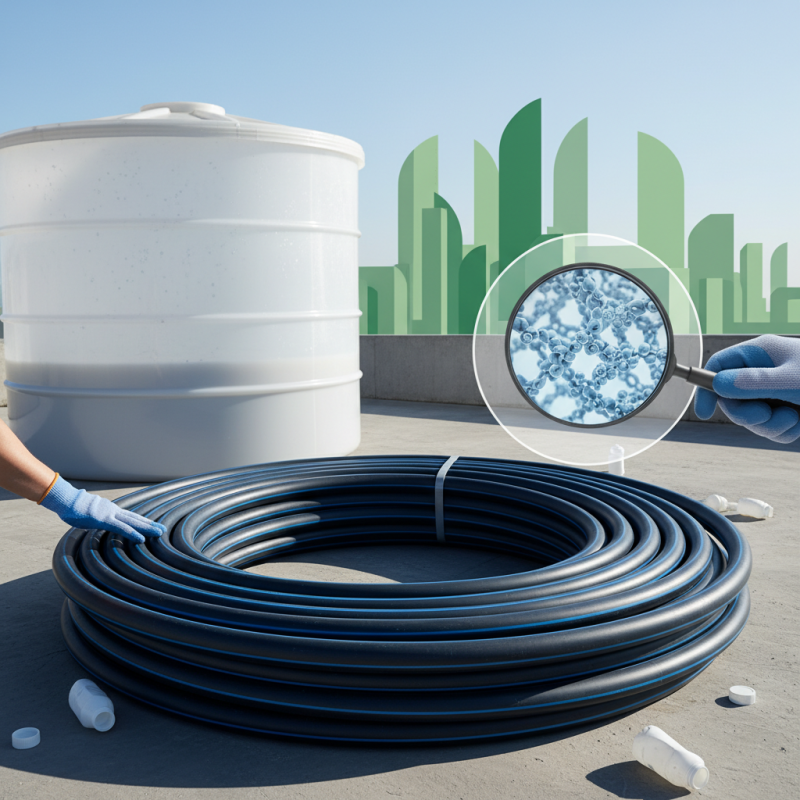
Advantages of High Density Polyethylene in Construction Applications
High Density Polyethylene (HDPE) offers remarkable advantages in construction applications. Its strength makes it ideal for creating durable structures. HDPE is resistant to impact and stress, ensuring that buildings endure through tough conditions.
Another compelling feature is its low maintenance requirement. Once installed, HDPE components need minimal upkeep. This can save time and reduce costs for construction projects. Furthermore, HDPE is environmentally friendly. It is recyclable, making it a sustainable choice for modern construction.
However, there are challenges to consider. Not every project may benefit from HDPE. Specific climates or conditions can affect its performance. Understanding the project’s unique requirements is crucial. Design professionals should assess both the benefits and limitations of HDPE. This careful evaluation can lead to better construction outcomes.
Durability and Longevity: HDPE's Resistance to Environmental Factors
High Density Polyethylene (HDPE) stands out due to its remarkable durability. It thrives in harsh environmental conditions. Hot sun, rain, and cold temperatures pose no significant threat. This makes HDPE ideal for outdoor applications. Projects exposed to weather extremes, like playgrounds or garden beds, benefit greatly. The material won’t crack or fade easily over time. Its longevity makes it a trusted choice for builders.
Another striking feature of HDPE is its chemical resistance. It can withstand various substances without deteriorating. This means it won’t rust or corrode, remaining strong for years. For projects in industrial settings or near chemicals, this is vital. However, the initial cost may be higher compared to other materials. Some might question if it’s worth the investment. Yet, considering its lifespan, the cost may balance out in the long run.
In addition, HDPE is easy to maintain. A simple wash can keep it looking good. Longevity doesn’t solely rely on strength; it includes upkeep as well. This balance of durability and low maintenance makes HDPE appealing. It raises questions though—is it accessible for all types of projects? Potential users should contemplate their specific needs. Each project’s context matters when making a choice.
Cost-Effectiveness: Analyzing HDPE Lifecycle and Maintenance Costs
High Density Polyethylene (HDPE) offers significant cost-effectiveness for a range of projects. A 2020 study from the American Chemistry Council indicates that HDPE has a lifecycle cost that is 30% lower than traditional materials. This reduction is primarily due to its durability and low maintenance requirements. HDPE products can last over 50 years with minimal upkeep, providing substantial savings over time.
Considering maintenance costs, HDPE is resistant to chemicals and UV degradation. This resistance means less frequent replacement and lower maintenance expenses. A report from the Plastic Pipe Institute states that replacing conventional materials with HDPE can reduce labor and material costs by roughly 20%. However, improper installation can lead to issues. This highlights the need for skilled labor during the initial phase.
Tips: Always evaluate your project needs. Consider HDPE for its long-term benefits. Ensure proper installation to maximize durability. Additionally, check local recycling programs for efficiency. When selecting materials, prioritize products with proven lifecycles. This can bolster your project's sustainability while keeping costs in check.
Recycling and Sustainability: The Environmental Impact of HDPE Use
High Density Polyethylene (HDPE) stands out for its environmentally friendly properties. This versatile plastic is widely recyclable, which helps reduce waste. The process of recycling HDPE prevents it from ending up in landfills. Instead, it is transformed into new products, lessening environmental impact. Each time HDPE is recycled, it conserves natural resources and saves energy when compared to producing new plastic.
Moreover, HDPE is durable and resistant to degradation, making it suitable for long-term applications. Its longevity means that products made from HDPE do not need frequent replacement. However, there is a downside. Not all HDPE products are recycled effectively. In many regions, recycling infrastructure is lacking. This can result in HDPE waste that still contributes to pollution. Hence, responsible usage and recycling practices are crucial.
The sustainability of HDPE is undeniable, but awareness is key. Consumers should seek products made from recycled HDPE. In conscious purchasing, individuals can support a circular economy. Each choice can help drive demand for sustainable materials. This awareness can significantly impact our environment. Thus, making informed decisions promotes better outcomes for future generations.
Why Choose High Density Polyethylene for Your Projects? - Recycling and Sustainability: The Environmental Impact of HDPE Use
| Dimension |
Data |
| Recyclability Rate |
Up to 100% |
| Carbon Footprint (kg CO2e/kg) |
1.74 |
| Energy Consumption (MJ/kg) |
60-80 |
| Durability (Years) |
More than 50 |
| Water Resistance |
Excellent |
| Common Applications |
Containers, Pipes, Plastic Bottles |
| Global HDPE Production (Million Tons) |
30 |
Versatility in Design: Applications of HDPE Across Various Industries
High Density Polyethylene (HDPE) stands out due to its versatility. This material is used in a wide range of applications. It is preferred in sectors such as packaging, construction, and agriculture. For example, HDPE is commonly found in bottles, containers, and pipes. Its resistance to impact and chemicals makes it a reliable choice.
In the world of construction, HDPE is becoming increasingly popular. It serves as a protective barrier in geotechnical applications. It is also useful for creating underground drainage systems. However, not all projects benefit from HDPE. Its rigidity can pose challenges in certain designs. Thus, a careful assessment is necessary before selection.
The agricultural sector also utilizes HDPE in various forms. It is used to create durable films for greenhouses and mulch. These applications enhance crop protection while ensuring sustainability. Yet, not every agricultural need can be met with HDPE. Its environmental impact during disposal warrants consideration. Balancing its benefits and drawbacks is crucial for any project.
FAQS
: HDPE is strong, impact-resistant, and durable, making it ideal for construction projects.
HDPE requires minimal maintenance, which can lead to significant savings over time.
Yes, HDPE is recyclable, reducing waste and conserving natural resources when repurposed.
HDPE’s lifecycle cost is about 30% lower due to its durability and low maintenance needs.
Yes, specific climates can impact HDPE's performance, so careful assessment is necessary.
Skilled labor is essential to prevent installation issues that could affect performance.
HDPE is resistant to degradation, which contributes to its long lifespan.
Purchasing products made from recycled HDPE encourages sustainable practices and supports a circular economy.
Ineffective recycling can lead to increased pollution and wasted material, highlighting the need for better infrastructure.
Informed consumers can drive demand for eco-friendly materials, improving environmental outcomes for future generations.
Conclusion
High Density Polyethylene (HDPE) is increasingly favored in construction and various industries due to its remarkable advantages. One of the most compelling features of HDPE is its durability and longevity, which allow it to withstand harsh environmental factors without significant degradation. This resilience makes it a reliable choice for long-term projects. Additionally, HDPE is cost-effective, particularly when considering its lifecycle and maintenance expenses, as it requires less frequent replacement and upkeep compared to other materials.
Moreover, the recycling and sustainability aspects of High Density Polyethylene contribute positively to its growing popularity. Its ability to be recycled reduces environmental impact and supports sustainable practices. Furthermore, HDPE's versatility in design means it can be adapted for a wide range of applications, making it suitable for various sectors. Overall, the combination of durability, cost-effectiveness, recyclability, and versatility positions High Density Polyethylene as a top choice for contemporary projects.

 Changhong