Selecting the right Pe Geomembrane for your project can significantly impact its success. As noted by industry expert Dr. Emily Johnson, "The right geomembrane material shapes project outcomes." This insight highlights the importance of making informed choices.
Pe Geomembranes are crucial for numerous applications, including landfills and water containment systems. Their durability and resistance to various chemicals make them a popular choice. However, with multiple options available, selecting the best one can be daunting. Each project has unique requirements that must be considered.
Understanding the specific needs of your project is essential. One must evaluate factors such as environmental conditions, exposure to chemicals, and project duration. Various thicknesses and material properties of Pe Geomembranes can meet differing demands. This process often requires reflection and careful analysis to avoid common pitfalls. Remember, a well-informed choice leads to better project performance and sustainability.
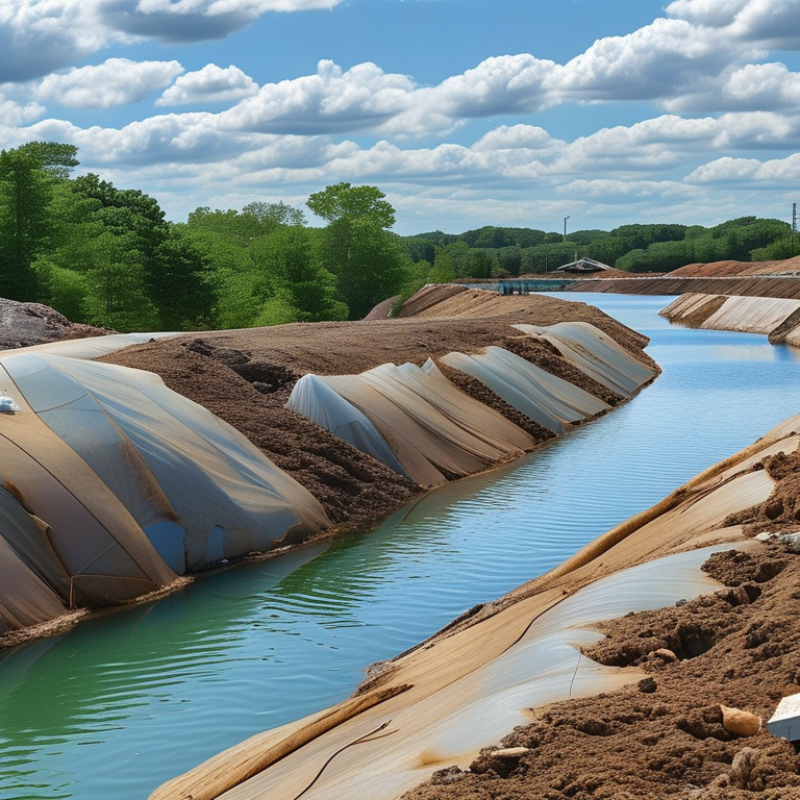
Choosing the right PE geomembrane thickness is vital for project success. Thickness impacts durability, flexibility, and environmental resistance. According to the Geosynthetic Research Institute, standard thicknesses range from 0.5 mm to 3 mm. Specific projects may require thicker or thinner membranes based on the application and environmental conditions. For example, landfill projects typically utilize thicker materials for enhanced stability.
Temperature fluctuations and exposure to chemicals also affect performance. The American Society for Testing and Materials suggests conducting site-specific evaluations. Climate factors can degrade thinner materials more quickly. In some cases, it’s beneficial to consult with geotechnical engineers for tailored recommendations.
Material properties like UV stability and puncture resistance are equally important. Some projects underestimate these factors. For high-stress environments, thicker membranes provide added safety. Testing results show that a 2 mm thickness can handle punctures significantly better than 1 mm thickness. Balancing cost with quality is essential, especially for long-term projects.
When selecting a geomembrane for your project, understanding material properties is crucial. High-Density Polyethylene (HDPE) and Low-Density Polyethylene (LDPE) are two popular options. HDPE is known for its high tensile strength and chemical resistance, making it suitable for more demanding applications. According to the Geosynthetic Research Institute, HDPE typically exhibits a lower permeability rate, often around 10-11 cm/s, which helps prevent liquid leakage.
In contrast, LDPE offers excellent flexibility, enabling easier installation in tight or irregular spaces. However, it is less resistant to punctures and tearing compared to HDPE. The Geosynthetic Institute points out that while LDPE has a higher permeability rate, around 10-9 to 10-8 cm/s, it may be more appropriate for applications with minimal mechanical stress. Assessing the specific conditions of your project is essential for making an informed choice.
It’s important to consider the environmental factors influencing geomembrane performance. For example, UV exposure may degrade LDPE faster than HDPE, which could lead to increased costs over time. Additionally, the lower melting temperature of LDPE means it may not perform well in higher temperature environments. Understanding these nuances can lead to better decision-making in geomembrane selection.
When selecting a PE geomembrane, chemical resistance is crucial. Industrial applications often involve exposure to harsh chemicals. A reliable geomembrane must withstand these substances without degrading. This ensures long-term performance and safety in facilities like landfills or chemical storage.
Consider the specific chemicals encountered in your project. Different geomembranes offer varying levels of resistance. Testing under actual conditions is essential. Study how long-term exposure affects material integrity. It’s necessary to evaluate both physical and chemical properties before making a choice. This approach provides a clearer picture of how well a geomembrane will perform in real-world scenarios.
Visualize your project environment. Will the geomembrane be buried, or will it be exposed to the sun? Environmental factors can influence chemical resistance. Each project has unique variables. Understand that not every geomembrane will meet your needs perfectly. Evaluate the trade-offs. Make informed decisions based on detailed analysis and consult experts when in doubt.
Selecting the right installation technique for PE geomembranes can significantly influence their performance. For instance, improper installation may lead to leaks, resulting in costly repairs. According to a study by the Geosynthetics Institute, approximately 25% of geomembrane failures stem from inadequate installation practices. This underscores the importance of selecting a reliable installation technique, which can enhance the longevity and effectiveness of your geomembrane project.
Common installation techniques include seaming, welding, and mechanical anchoring. Experts recommend fusion welding for its strong joints and resistance to environmental stress. However, this method requires skilled personnel. Mistakes in this process can compromise the integrity of the membrane. A report indicated that over 40% of installation errors occur due to inadequate training, highlighting a need for continuous education in the field.
Inspecting the subgrade is vital before installation. A well-prepared subgrade minimizes potential punctures and tears, contributing to the geomembrane's overall resilience. Neglecting this step can lead to unexpected site issues. Regular inspections during the installation process can identify problems early, allowing for corrective measures. Engaging with experts in the field can provide insights into best practices and emerging technologies that further optimize geomembrane installation.
This chart illustrates the comparative performance of various installation techniques on the effectiveness of PE geomembranes.
When selecting the best PE geomembrane for your project, consider the long-term savings associated with quality materials. According to the Geosynthetic Research Institute, high-quality PE geomembranes can last over 30 years, reducing maintenance costs significantly. For example, investing in premium products can cut down the need for replacements and repairs, ultimately saving you money.
Tip: Always evaluate the installation environment. Factors like soil acidity and temperature variations can impact the lifespan of your geomembrane. Choosing the right thickness and liner type is critical; a thicker geomembrane may cost more upfront, but its durability can lead to substantial savings.
Additionally, a study by the U.S. Army Corps of Engineers highlights that projects using high-quality PE geomembranes reported a 40% decrease in leakage incidents. This not only contributes to environmental preservation but also lowers water loss, translating to thousands of dollars saved in utilities over time. Make sure to consider the total lifecycle cost of your geomembrane rather than just the initial price tag.
Tip: Consult with a geotechnical expert. They can provide insights tailored to your specific conditions and help make informed decisions.
| Features | Standard PE Geomembrane | Reinforced PE Geomembrane | High-Density Polyethylene (HDPE) |
|---|---|---|---|
| Cost per Square Meter | $1.00 - $2.00 | $2.50 - $4.00 | $1.50 - $3.00 |
| Lifespan (Years) | 10 - 15 | 15 - 20 | 20 - 30 |
| UV Resistance | Moderate | High | Very High |
| Permeability (L/s.m²) | < 1 x 10^-9 | < 5 x 10^-10 | < 1 x 10^-9 |
| Best Applications | Landfills, ponds | Containment systems | Environmental protections |
: Thickness is influenced by durability, flexibility, environmental conditions, and specific project needs.
Standard thickness ranges from 0.5 mm to 3 mm, varying by application and conditions.
They can provide tailored recommendations based on specific site evaluations and environmental factors.
HDPE offers high strength and chemical resistance, while LDPE provides flexibility but is less puncture-resistant.
UV can degrade LDPE faster than HDPE, potentially increasing costs over time.
Techniques include seaming, welding, and mechanical anchoring, with fusion welding being highly recommended.
It may lead to leaks and failures, with over 25% of issues stemming from inadequate practices.
A well-prepared subgrade minimizes punctures and enhances the membrane's resilience against damage.
Inadequate training contributes to over 40% of errors, highlighting the need for ongoing education in geomembrane installation.
Regular checks during installation help identify issues early, allowing for timely corrective actions.
When selecting the best PE geomembrane for your project, several key factors must be considered to ensure optimal performance and durability. First, the thickness of the geomembrane plays a critical role, as it affects the material's strength and longevity. Understanding the differences between HDPE and LDPE geomembranes is also essential, as each offers unique material properties that may suit specific project requirements. Additionally, evaluating the chemical resistance of the geomembrane is crucial for industrial applications, where exposure to harsh substances can impact performance.
Installation techniques significantly influence the effectiveness of the geomembrane, as proper application can enhance its ability to withstand environmental stresses. Lastly, conducting a cost-benefit analysis can reveal long-term savings from investing in high-quality PE geomembranes. By carefully considering these factors, one can select the most suitable PE geomembrane to meet the specific demands of their project.

Changhong