2026 How to Choose the Best Drainage Materials for Your Needs?

Time:2026-08-11 Author:Liam
0%

In choosing the right Drainage Materials, understanding your specific needs is crucial. Expert John McKenzie, a well-regarded authority in civil engineering, emphasizes, “Selecting the right material can make or break a project.” Drainage materials play a vital role in ensuring effective water management and preventing structural damage.

Different projects require different solutions. For example, gravel is ideal for quick drainage, while geotextiles provide filtration and support. Each option comes with its own set of benefits and drawbacks. It’s easy to rush into decisions, but a thoughtful approach will yield better outcomes.

Many factors influence the choice of drainage materials, such as soil type, climate, and project scale. Reflecting on these elements can lead to more effective solutions. Ensuring reliable drainage is not just about materials but also about how well they integrate into the environment. The best choices reflect careful consideration, not just initial impressions.
2026 How to Choose the Best Drainage Materials for Your Needs?

Understanding the Importance of Proper Drainage Materials

When it comes to construction and landscaping, proper drainage materials play a crucial role. According to a report by the International Drainage Institute, up to 80% of water-related issues in properties stem from inadequate drainage solutions. Choosing the right materials can prevent costly damage and enhance your property's longevity.

Selecting drainage materials is not a one-size-fits-all process. Factors like soil type, climate, and intended use must guide your choice. For instance, sandy soils drain quickly, making gravel or perforated pipes ideal. Conversely, clay soils require solutions like French drains to manage water effectively. Understanding these nuances helps avoid missteps that lead to future problems.

Tips: Always assess your land's topography before choosing materials. Use geotextiles to improve drainage efficiency. Regular maintenance and inspections are essential for long-term performance. Remember, a poor choice can lead to flooding or erosion, making it imperative to prioritize research and expert advice. A small investment in quality drainage materials can prevent extensive repairs later.

Identifying Your Specific Drainage Needs and Requirements

Identifying your specific drainage needs starts with understanding the environment. Soil type plays a significant role. For instance, clay soils drain poorly, while sandy soils allow for quick drainage. According to a report by the Environmental Protection Agency, 30% of urban areas struggle with poor drainage due to soil composition. Knowing your soil helps in selecting the right materials.

Next, consider the volume of water you expect to manage. Heavy rainfall may necessitate a larger capacity system. The American Society of Civil Engineers suggests that systems should handle at least a 25-year storm event to be effective. Also, think about the intended use. Are you managing water for a residential yard or a commercial lot? These factors influence material choice, such as perforated pipes versus gravel.

Reflecting on past projects can provide insights. Some find that over-engineering leads to unnecessary costs. Others may underestimate the drainage needs, resulting in frequent flooding. Trial and error can occur. It’s essential to adjust your approach based on observed outcomes. Re-evaluating your drainage strategy is crucial for long-term effectiveness.

Comparing Different Types of Drainage Materials Available

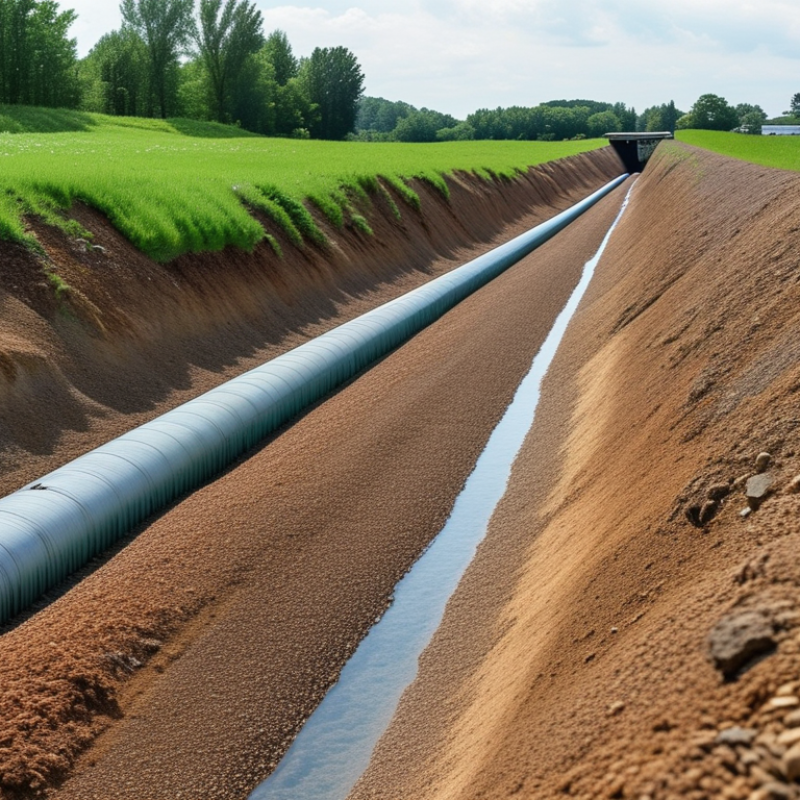
When it comes to choosing drainage materials, the options can feel overwhelming. Various types are available, each with unique characteristics. Gravel is a popular choice for its natural drainage properties. It allows water to flow freely while preventing soil erosion. On the other hand, perforated pipe systems can effectively redirect water away from foundations, lessening flooding risks.

Geotextiles serve a different purpose. They filter out sediments while allowing water to pass through. These materials are excellent for long-term drainage solutions and can work in conjunction with gravel or other aggregates. Some might consider plastic drainage boards. These are lightweight, easy to install, but may not always provide sufficient filtration compared to natural materials.

There isn’t a one-size-fits-all solution. Local soil and climate conditions matter significantly. It's important to assess the specific drainage needs of your site. Consulting experts can provide insights tailored to unique situations, ensuring that you make informed decisions. Explore various combinations of materials to find what effectively suits your needs. This process may involve trial and error, which is part of finding the optimal solution.

Factors to Consider When Choosing Drainage Materials

When choosing drainage materials, several factors come into play. The landscape's topography is crucial. Slopes, soil types, and vegetation all influence drainage effectiveness. For instance, sandy soils drain quickly, while clay retains moisture. Understanding these elements helps prevent water accumulation and property damage.

Additionally, consider the material's durability and maintenance requirements. Some options may require frequent upkeep, while others are more resilient. For instance, gravel is durable but may need periodic replenishment. In contrast, concrete drains might be more stable but can crack over time. Think about the long-term implications of your choice.

Cost is another critical aspect. Higher initial expenses for quality materials might save money in the long run. Weigh the benefits of using advanced products against budget limitations. Reflecting on these factors ensures you select the right drainage solutions tailored to your specific needs.

2026 How to Choose the Best Drainage Materials for Your Needs? - Factors to Consider When Choosing Drainage Materials

Material Porosity (%) Cost per Unit ($) Durability (Years) Common Uses
Gravel 20-30 $30 10-20 French drains, soakaways
Perforated Pipe 10-20 $50 25-50 Drainage fields, leach fields
Compact Soil 5-10 $15 5-10 Retaining walls, berms
Geotextiles 30-50 $100 15-25 Erosion control, filtration
Crushed Stone 30-40 $45 20-30 Driveways, drainage systems

Evaluating Cost-Effectiveness and Durability of Drainage Options

Choosing the right drainage materials for your project involves careful evaluation of cost-effectiveness and durability. When considering options, it’s essential to assess the long-term implications of your choices. For instance, a cheaper material might seem attractive initially, but how long will it last? Materials like perforated pipes and gravel can provide excellent drainage, while being economical over time.

Tips: Always check the soil conditions before choosing materials. Clay soil, for example, requires different drainage solutions than sandy soil. A simple test can save you from costly mistakes later. Additionally, consider the local climate. Heavy rainfall areas demand more robust materials capable of handling excess water smoothly.

Durability is another critical factor. Some materials degrade faster under harsh conditions. It is wise to explore the lifespan of each option thoroughly. Sometimes, investing a little more upfront can mean greater reliability later. Remember, regular maintenance is also essential. Even the best materials will underperform without proper upkeep. Regular checks can prevent small issues from becoming major repairs.

FAQS

: Why is proper drainage important in construction and landscaping?

: Proper drainage prevents water-related issues, reducing costly damage and enhancing property longevity.

How can soil type affect drainage choices?

Sandy soils drain quickly, while clay soils retain moisture. This difference influences the materials you should use.

What role does landscape topography play in drainage selection?

Topography affects water flow and drainage effectiveness. Understanding slopes and vegetation is crucial for accurate selection.

Should I prioritize maintenance when choosing drainage materials?

Yes, consider how much upkeep each material requires. Some options may need frequent attention, while others are more durable.

How can regular inspections improve drainage performance?

Inspections help identify potential problems early, ensuring proper functionality and prolonging the life of drainage systems.

What are the benefits of investing in quality drainage materials?

While they may have higher upfront costs, quality materials can prevent extensive and expensive repairs in the future.

Are geotextiles helpful in drainage systems?

Yes, they improve drainage efficiency and reduce soil erosion. They are a practical addition in many drainage solutions.

How can I avoid flooding or erosion issues?

Prioritize research and expert advice. Making informed choices based on conditions will significantly reduce these risks.

Is it true that gravel might need replenishing?

Yes, gravel is durable but can settle. Periodic replenishment is necessary to maintain its effectiveness in drainage.

Can low-cost drainage options lead to problems later?

Yes, cheaper materials may save money now but can cause future issues. A thoughtful investment is vital for lasting solutions.

Conclusion

Selecting the right drainage materials is crucial for ensuring effective water management in any environment. Understanding the importance of proper drainage materials involves recognizing how they can prevent water accumulation and potential damage to structures. It is essential to identify your specific drainage needs, taking into account factors such as soil type, climate, and the intended use of the area.

When comparing different types of drainage materials, consider their properties, including permeability, maintenance requirements, and installation complexity. Additionally, evaluating the cost-effectiveness and durability of these options will help you make an informed choice. A thorough analysis of these factors will lead to the successful implementation of a drainage system that meets your unique requirements while ensuring long-lasting performance.


Liam

Liam

Liam is a dedicated marketing professional with a profound expertise in the industry, where he excels at highlighting the unique advantages of our core products. With a keen understanding of market trends and consumer needs, Liam frequently updates our company’s professional blog, providing......