China Best Non Woven Geotextile for Your Sourcing Needs?

Time:2026-04-29 Author:Henry
0%

In the realm of geotechnical engineering, Non Woven Geotextile has emerged as a vital material. Reports by the Global Geotextiles Market Forecast indicate a steady growth, projecting the market to reach USD 5.9 billion by 2025. This reflects an increasing demand for high-quality non woven products, which are praised for their versatility in soil erosion control, drainage, and reinforcement applications.

Renowned expert, Dr. Emily Chen, once articulated, “Non Woven Geotextile is crucial for enhancing project durability and environmental sustainability.” Her insights highlight the material's impact on infrastructure projects. Despite its advantages, sourcing quality products remains challenging amidst numerous suppliers. Variability in manufacturing processes raises concerns about performance consistency.

It's essential to scrutinize potential suppliers to ensure reliability. The market is rife with options, yet not all meet stringent quality standards. Choosing the best Non Woven Geotextile involves understanding unique project requirements and local conditions. Engaging with experienced professionals can provide valuable guidance, aiding informed decisions in sourcing the right materials.
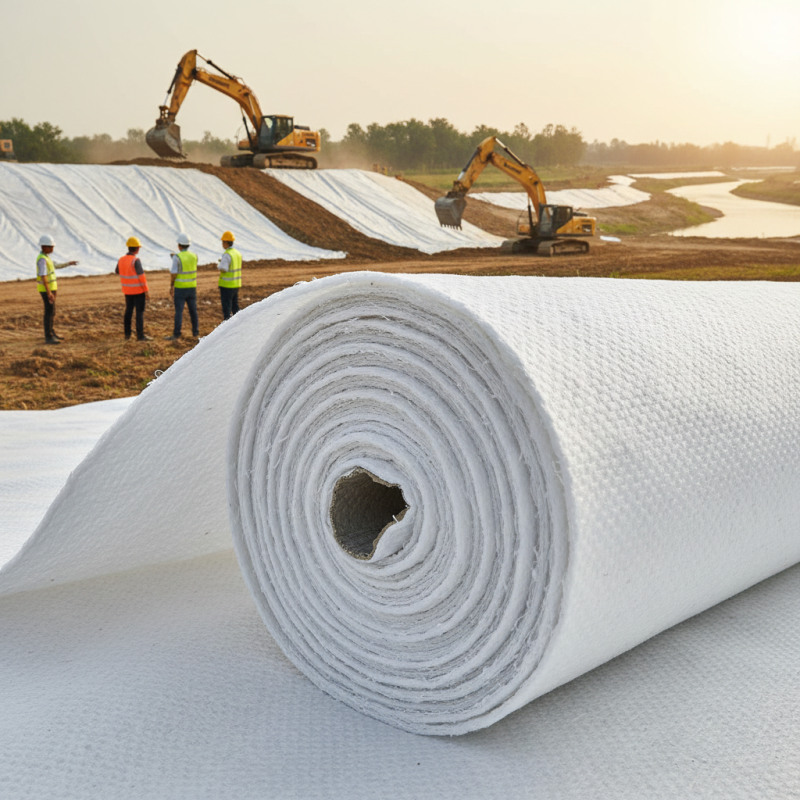
China Best Non Woven Geotextile for Your Sourcing Needs?

Overview of Non Woven Geotextiles and Their Applications

Non woven geotextiles represent a key innovation in civil engineering and construction. They are made from synthetic fibers that are bonded together by mechanical, thermal, or chemical processes. This unique construction provides excellent drainage, filtration, and stabilization properties. Engineers often use these materials in projects like road construction, erosion control, and landscaping.

In practical applications, non woven geotextiles serve multiple functions. They prevent soil erosion by providing a stable layer that holds soil in place. In drainage systems, they allow water to pass through while filtering out sediment. Moreover, during construction projects, these geotextiles can aid in ground stabilization, enhancing the longevity of structures. However, improper installation can lead to inefficiencies. It's essential that practitioners understand both the advantages and potential drawbacks of these materials.

Moreover, the environmental impact of non woven geotextiles is an area that requires careful consideration. While they offer benefits for soil and water management, their production can sometimes raise concerns about sustainability. Awareness of sourcing, material recyclability, and long-term environmental effects is vital. Therefore, as industries adopt non woven geotextiles, a balanced approach is crucial. Building a sustainable future relies on informed decisions about these valuable materials.

Key Benefits of Choosing Non Woven Geotextiles in Construction

Non woven geotextiles are becoming a staple in construction projects. Their unique structure allows for exceptional drainage and filtration. These textiles enhance soil stability, making them ideal for roadways and building foundations.

One of the key benefits of non woven geotextiles is their flexibility. They adapt easily to various terrains. This versatility ensures better performance in different environmental conditions. Furthermore, they provide effective weed control while allowing water to pass through. This feature helps reduce maintenance costs over time.

Tips: When sourcing non woven geotextiles, consider their durability. Look for products that withstand harsh weather. Additionally, pay attention to the weight and thickness for your specific project needs. Proper selection can significantly impact overall construction quality. Also, understanding the local soil and climate can guide you in making the right choice. It's essential to think critically about these factors to ensure project success.

Factors to Consider When Sourcing Non Woven Geotextiles in China

When sourcing non woven geotextiles in China, quality and specifications are crucial. Different projects require different material characteristics. Assess strength, permeability, and durability. These factors impact overall performance and longevity. Understanding your project's unique needs will guide your selections.


Supplier reliability is another key factor. Not all manufacturers adhere to the same quality control standards. Request samples to evaluate fabric quality. A personal visit to the factory can be enlightening. It allows you to witness production processes firsthand. This can build trust, but it is often overlooked.


Consider pricing carefully. While lower costs are appealing, they can signal lower quality. Finding a balance between cost and quality can be challenging. Sometimes, cheaper materials lead to higher long-term expenses. Transparency in sourcing and communication with suppliers is vital. It helps avoid potential issues later on.

Understanding Quality Standards for Non Woven Geotextiles

When sourcing non woven geotextiles, understanding quality standards is crucial. Many manufacturers fail to meet stringent requirements. Reliable suppliers should provide certifications that define durability, permeability, and tensile strength. ISO standards are often the benchmark for quality. Look for suppliers who emphasize test results and transparency.

Quality is not always apparent. Some products may appear robust but lack underlying strength. It’s vital to examine the fabric structure. Non woven geotextiles should exhibit uniformity in thickness and density. Variations can indicate poor manufacturing processes. A well-produced fabric ensures longevity and effectiveness in applications, such as erosion control or soil stabilization.

Engaging with experts in the field can further enhance your sourcing process. Their knowledge can guide you in choosing the right fabric type for specific projects. Be cautious; not all non woven geotextiles are created equal. Regularly reassessing your sourcing criteria can yield better results in the long run.

Top Chinese Manufacturers and Suppliers of Non Woven Geotextiles

When it comes to sourcing non woven geotextiles, Chinese manufacturers stand out for their innovative solutions. Non woven geotextiles are essential for various applications in civil engineering and construction. The global market for these materials is projected to reach USD 5.7 billion by 2027, driven by increased investments in infrastructure. China's production capabilities are impressive, fulfilling international quality standards.

Multiple studies highlight that China accounts for a significant share of the world's non woven geotextile production. Their materials are utilized in highways, erosion control, and drainage systems. A report from a leading industry analytics firm noted that demand for geotextiles will grow at a CAGR of 4.5% over the next five years. Despite this boom, buyers should carefully evaluate options.

Not all manufacturers maintain consistent quality. Understanding the specifications and performance metrics of non woven geotextiles is crucial. This knowledge helps in making informed decisions. Buyers should be cautious about relying on low-cost options, as quality may vary. Balancing cost and quality remains a key challenge in sourcing these materials effectively.

FAQS

: Why are quality standards important for non woven geotextiles?

: Quality standards ensure durability, permeability, and tensile strength of geotextiles.

How can I verify the quality of non woven geotextiles?

Check for certifications and test results from reliable suppliers. Transparency is key.

What should I look for in the fabric structure?

The fabric should have uniform thickness and density. Variations may signal issues.

How can experts assist in sourcing non woven geotextiles?

Experts can provide guidance on the right fabric type for specific projects.

Is it wise to choose low-cost non woven geotextiles?

Low-cost options may lead to inconsistent quality. Balance cost and quality carefully.

What is the projected growth for non woven geotextiles in the market?

The market is expected to reach USD 5.7 billion by 2027, growing at 4.5% annually.

Are all manufacturers equal in their production quality?

No, not all manufacturers maintain consistent quality. Evaluate your options thoroughly.

How does China contribute to the non woven geotextile market?

China accounts for a significant share of production, meeting international standards effectively.

What applications use non woven geotextiles?

They are used in erosion control, highways, and drainage systems, among others.

What should I do if I find quality issues with my fabric?

Reassess your sourcing criteria and seek feedback on the manufacturing process.

Conclusion

Non Woven Geotextiles have become essential materials in various construction and environmental applications due to their excellent filtration, drainage, and stabilization properties. These versatile fabrics are particularly favored for projects involving soil erosion control, road construction, and landscape architecture. When sourcing Non Woven Geotextiles from China, it is crucial to consider key factors such as material quality, manufacturer reputation, and compliance with recognized quality standards to ensure optimal performance.

Understanding the benefits of Non Woven Geotextiles in construction, such as cost-effectiveness and durability, alongside thorough research on top manufacturers and suppliers in China, will help buyers make informed decisions. By focusing on these aspects, construction projects can achieve enhanced efficiency and sustainability while effectively addressing geotechnical challenges.


Henry

Henry

Henry is a dedicated marketing professional with a profound expertise in the company's offerings. With years of experience in the industry, he possesses an impressive understanding of the market dynamics and consumer behaviors that drive success. Henry is committed to sharing his insights through......