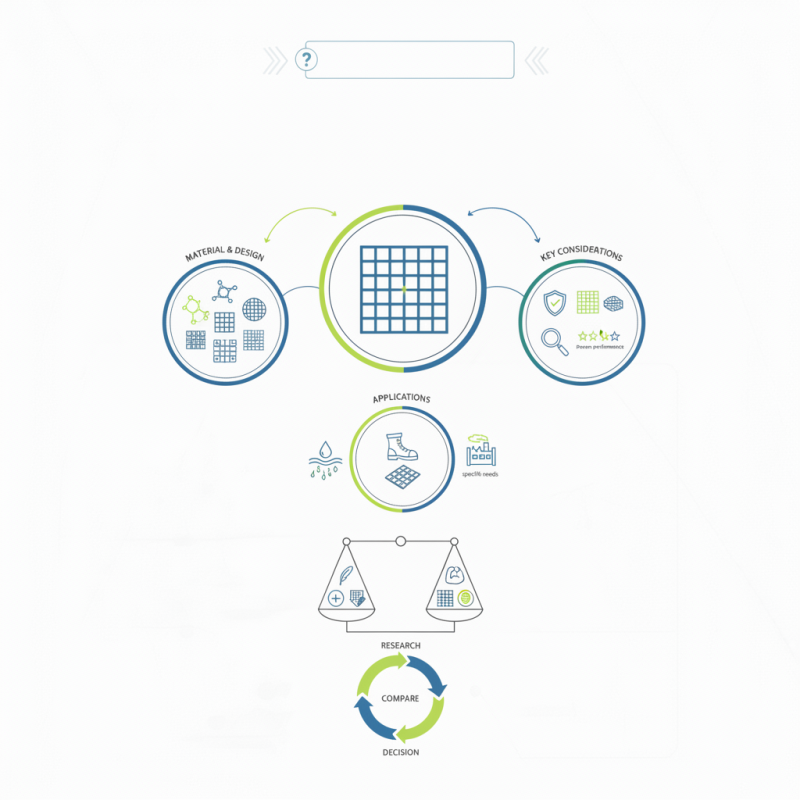
When it comes to choosing the best Plastic Grate Panel, global buyers face numerous options. Each product varies in material quality, design, and application. Understanding these differences is essential for making an informed purchase.
Plastic Grate Panels serve multiple functions across various industries. They can be used for drainage, flooring, and as barriers. Their lightweight nature and durability make them appealing. Buyers often overlook the importance of selecting a panel that suits specific needs.
Some products may not meet durability standards. This could lead to costly mistakes. Researching and comparing different options is crucial. Seek products with proven performance and positive reviews. Finally, weighing the pros and cons can reveal insights that influence your decision-making process.
Plastic grate panels have become essential in various industries, offering versatile solutions for drainage and flooring needs. Their lightweight nature and resistance to corrosion make them ideal for both indoor and outdoor applications. In recent market analyses, it was reported that the global plastic grating market is expected to grow at a compound annual growth rate (CAGR) of 5.7% from 2021 to 2026. This growth reflects the increasing demand in sectors such as construction, wastewater treatment, and agricultural facilities.
These panels are commonly used in environments that require durability and ease of maintenance. For instance, in wastewater treatment facilities, they provide excellent drainage solutions while allowing for easy cleaning. The American Society of Civil Engineers highlights that proper use of plastic grates can significantly reduce maintenance costs, as they do not rust or corrode. However, quality varies across products, and buyers should carefully consider material specifications and load-bearing capabilities.
Users often overlook the environmental impact of plastic materials in the long term. While recycled plastics are increasingly used, the question of sustainability persists. Furthermore, some panels may not withstand extreme weather conditions, leading to potential safety hazards. Proper assessment and expert advice can mitigate these risks, ensuring an informed choice for both safety and performance.
When selecting plastic grate panels, several key factors come into play. Firstly, assess the material quality. High-density polyethylene (HDPE) and polypropylene are common choices. These materials offer durability and resistance to corrosion. According to industry reports, HDPE can withstand extreme temperatures and heavy loads, making it ideal for various applications.
Next, consider load-bearing capacity. It is vital to choose panels that can support the intended weight without warping. Many panels come with specified weight limits. Customers should review these specifications closely. Failure to do so can lead to premature wear or breakage.
Tips: Always ask for test data. A reliable supplier will provide information on strength tests and material certifications. Checking third-party testing can enhance confidence in your choice.
Another aspect is the surface texture. Textured surfaces can provide better grip, preventing slips in wet environments. This is particularly important in commercial settings. Visual appeal matters too. Sturdy, aesthetically pleasing panels can enhance an area’s overall look.
Reflect on the installation process as well. Simplicity matters. Complicated installations may increase overall costs and downtime. Choose panels that are easy to assemble or can fit into existing systems with minimal adjustments.
When choosing plastic grate panels, understanding the market's leading manufacturers is essential. Industry data shows that the global plastic grate panel market is projected to reach USD 2 billion by 2025. This growth reflects increasing demand in construction, wastewater treatment, and recreational industries.
Numerous brands specialize in producing durable and lightweight plastic grate panels. Companies often focus on raw material technology and innovation. They prioritize UV stability and chemical resistance, enhancing product longevity. Reports indicate that a key challenge is maintaining consistent quality across different manufacturing locations.
Moreover, some manufacturers may face issues sourcing environmentally friendly materials. This raises questions about sustainability in production. Companies must re-evaluate processes to meet consumer demands for greener options. Being transparent about materials and practices is critical for gaining buyer trust.
Plastic grate panels are becoming popular due to their lightweight and durability. However, many overlook their environmental implications. The production of plastic involves fossil fuel extraction, which contributes to pollution. Additionally, the disposal of plastic products can harm ecosystems if not managed correctly. This raises the question: Are these panels genuinely sustainable?
Recycling opportunities exist, yet not all types of plastic are recyclable. Some ends up in landfills, affecting wildlife. The need for better waste management systems is urgent. When exploring plastic grate panels, consider their lifecycle. Choosing options made from recycled materials can be a step towards reducing environmental damage. Nonetheless, it’s vital to reflect on these practices.
Consumers should look for certifications indicating responsible sourcing. Not every manufacturer prioritizes sustainability. Transparency in production processes is key. It is important to ask questions and demand accountability. As the market evolves, so should consumer awareness and choice. Sustainability in plastic products still requires further exploration and innovation.
| Material Type | Recyclability | Durability (Years) | UV Resistance | Environmental Certifications |
|---|---|---|---|---|
| Polypropylene | Yes | 10-15 | High | ISO 14001 |
| Polyethylene | Yes | 8-12 | Moderate | FSC Certified |
| Recycled Plastic | Yes | 5-10 | High | Cradle to Cradle |
| Fiberglass Reinforced Plastic | No | 20+ | Very High | LEED Compliant |
When comparing plastic grate panels to other materials, several factors emerge.
Durability is a key consideration.
Plastic panels can withstand harsh weather and heavy loads. According to industry reports, they have a lifespan of over
20 years, outperforming wood and steel in various conditions.
This longevity reduces the frequency of replacements, translating to cost savings
for buyers.
Maintenance is another crucial aspect. Unlike metal grates, plastic does not rust
or require painting. They are easy to clean, requiring only soap and water. However, some issues arise with
heat sensitivity. Prolonged exposure to direct sunlight may weaken some plastic types.
Buyers must consider their environment when making a choice.
Sustainability also plays a role in this analysis. Many plastic panels are made
from recycled materials, contributing to a greener footprint. Conversely, other materials
may have a more significant environmental impact during production.
Balancing these factors can help buyers make informed decisions that align with their specific needs and values.
: Plastic grate panels serve as solutions for drainage and flooring in various industries.
Their lightweight nature and corrosion resistance make them ideal for both indoor and outdoor applications.
Choose materials like high-density polyethylene (HDPE) or polypropylene for durability and corrosion resistance.
It's crucial to select panels that support the intended weight. Ignoring this may lead to damage.
Yes, textured surfaces can enhance grip and prevent slips, especially in wet environments.
The production and disposal of plastic can harm ecosystems, raising questions about sustainability.
Recycling opportunities exist, but not all plastic types are recyclable, leading to landfill issues.
Look for certifications and ask questions about the production process to promote responsibility.
Simplicity in installation can reduce costs and downtime; complex systems can be burdensome.
Many overlook the long-term environmental impact of plastic products and their lifecycle.
Plastic Grate Panels are versatile materials widely used across various applications, from drainage systems to flooring solutions in commercial and industrial settings. When selecting the right Plastic Grate Panel, it is crucial to consider factors such as load capacity, environmental conditions, and installation requirements. Additionally, understanding the sustainability and environmental impact of these panels is essential, as they can offer a lightweight, durable alternative to traditional materials.
A comparative analysis highlights the benefits of Plastic Grate Panels over other materials, noting their resistance to corrosion and ease of maintenance. As global demand for eco-friendly products increases, these panels are becoming an attractive choice for buyers seeking sustainable building solutions. By carefully evaluating the key factors and recognizing the leading manufacturers, buyers can make informed decisions that align with their needs and environmental considerations.

Changhong