In the realm of construction and landscaping, the importance of quality materials cannot be overstated. Among these, Earthwork Film stands out as a critical component. This specialized film plays a vital role in land preparation, preventing erosion and managing water retention. For global buyers, finding the right options can be both challenging and essential for project success.
When selecting Earthwork Film, buyers must consider various factors. The film’s durability, thickness, and UV resistance are key features that affect performance. Additionally, understanding regional climate conditions can influence the effectiveness of the material. Every construction site has unique requirements, and the selection process may require careful reflection on these aspects.
While many suppliers provide different Earthwork Film products, ensuring reliability remains crucial. Not all options deliver the promised results. Therefore, buyers should research and seek advice from industry experts. It’s essential to weigh the pros and cons of each option thoroughly. The goal is to ensure that the chosen Earthwork Film meets both budgetary constraints and project needs.
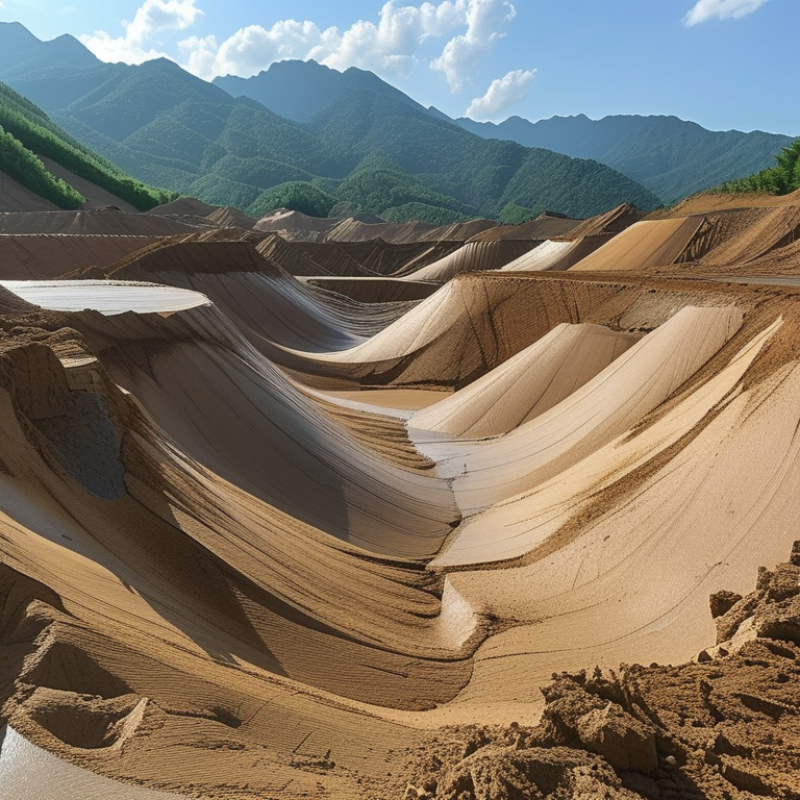
Earthwork films play a crucial role in the construction and civil engineering industries. These films help in soil stabilization, erosion control, and providing a protective barrier. According to recent industry studies, the global earthwork film market is projected to grow at a CAGR of 5.6% between 2023 and 2030. This growth reflects the increasing demands for sustainable construction practices and efficient land management.
When selecting an earthwork film, buyers should consider material durability and environmental impact. Polyethylene and polypropylene films are popular choices. They offer varying degrees of tensile strength and resistance to UV light. It's essential to choose products that meet local environmental regulations. Always check if the materials are recyclable or biodegradable to minimize ecological footprints.
Tip: Conduct thorough market research before making a purchase. Look for case studies or technical evaluations that provide insights into performance metrics. Understanding the local climate conditions can also guide your choice of film type. Remember, the right product can significantly impact project longevity and cost-effectiveness, reflecting careful decision-making rather than impulse buying. Sometimes, it's worth questioning the long-term benefits against immediate costs.
Earthwork films are essential in various industries. Buyers must understand the types available. Each type serves a unique purpose, catering to specific needs.
There are several categories of earthwork films. Polyethylene films are popular for their durability and versatility. These films resist tearing and are waterproof, making them suitable for construction sites and agricultural use. Another option includes geotextile films used for drainage and soil stabilization. These materials create effective barriers while allowing water flow.
Many buyers may find it challenging to choose the right option. Understanding the local climate and soil conditions can influence decisions. Features like UV resistance and thickness should be considered. It’s crucial to look for reliable suppliers who provide clear specifications. Confusion in material selection can lead to project delays and added costs. Focus on informed choices for better outcomes.
When evaluating earthwork films, several factors demand careful consideration. Material quality stands out as crucial. High-density polyethylene (HDPE) and linear low-density polyethylene (LLDPE) frequently rank as top choices due to their durability and flexibility in various conditions. According to industry reports, proper material type impacts longevity. Films made from LLDPE generally outperform HDPE in tear resistance.
Environmental considerations are also pivotal. Films must offer adequate UV protection to withstand prolonged exposure to sunlight. A study by the International Institute of Earthwork Technology noted that films losing structural integrity in UV-heavy regions can lead to increased costs over time. Choosing a film with certified UV resistance may result in lower replacement rates.
Tips: Always check for certifications. A film with ISO certification signifies adherence to international quality standards. Verify the manufacturer's reputation; experience in the field often correlates with product reliability.
Consider potential issues like punctures and tears. Select films designed with reinforced edges, as these can significantly reduce operational delays and costs. Analyze the specific project's geographic and climatic factors. These insights guide better decision-making and increase the likelihood of long-term satisfaction.
When exploring earthwork films, it’s essential to consider top manufacturers and suppliers globally. The right suppliers can greatly impact construction projects. Key factors include product quality, innovation, and reliability. These elements contribute to project efficiency and sustainability.
Many manufacturers focus on advanced materials and technologies. They strive to create films that withstand harsh environmental conditions. Some suppliers prioritize eco-friendly options, catering to the growing demand for sustainable solutions. However, the market is diverse, and not every product meets high standards. Careful research is necessary to find dependable sources.
Connecting with established suppliers can provide access to a range of earthwork film options. Industry certifications and reviews are crucial indicators of quality and trust. Taking time to evaluate potential partners ensures that the chosen materials will perform as needed. Practical experiences and feedback from previous clients can guide these decisions effectively.
The demand for earthwork films is rising, driven by the construction and agricultural industries. According to a recent report by the International Market Analysis Group, the global Earthwork Film market was valued at approximately $2.5 billion in 2022, with a projected annual growth rate of 5.5% through 2027. This growth is fueled by innovations in materials and production techniques that enhance coverage while reducing environmental impact.
Recent advancements include the use of bioplastics and recycled materials in film production. These innovations not only address sustainability concerns but also meet stringent regulations on waste. However, challenges remain. The availability of high-quality raw materials can be inconsistent, affecting production timelines. Companies need to navigate these fluctuations to maintain reliability in supply.
In terms of market trends, there's an increasing focus on customization. Buyers seek tailored solutions that fit specific geographic and climatic conditions. Such demands push producers to innovate continuously. The balance between customization and cost efficiency is still a tough challenge. Meeting buyer expectations often requires trial and error, yet it is necessary for staying competitive.
| Material Type | Thickness (microns) | Length (meters) | Width (meters) | Applications | Sustainability Features |
|---|---|---|---|---|---|
| Polyethylene | 100 | 300 | 5 | Landfills, Construction | Recyclable |
| Polypropylene | 120 | 250 | 4 | Erosion Control, Landscaping | Biodegradable options available |
| Composite | 150 | 200 | 6 | Heavy-duty Covering, Tarpaulins | Recyclable and durable |
| Geotextile | 90 | 150 | 3 | Soil Stabilization, Drainage | Environmentally friendly materials |
: Earthwork films serve various industries, facilitating construction and agricultural activities. They have specific functionalities based on type.
Common types include polyethylene films for durability and geotextile films for drainage and soil stabilization. Each serves distinct needs.
Local climate and soil conditions heavily influence the choice of earthwork films. Consider the environmental factors when selecting materials.
Reliable suppliers provide high-quality materials based on clear specifications. This choice can prevent project delays and cost overruns.
Innovations include bioplastics and recycled materials, enhancing sustainability and meeting regulations. These advancements address environmental concerns.
Manufacturers struggle with inconsistent availability of high-quality raw materials. This inconsistency can disrupt production schedules.
Buyers should assess industry certifications and client feedback. This research can guide selections and enhance project outcomes.
There's a growing trend toward customization to meet specific geographic needs. Balancing customization with cost efficiency remains challenging.
Feedback from previous clients can guide the choice of suppliers. This input is valuable for evaluating trust and product quality.
The market is expected to grow at an annual rate of 5.5% through 2027, reflecting rising demand and material innovations.
The article "Best Earthwork Film Options for Global Buyers" provides a comprehensive overview of the various types of Earthwork Films available in the global market. It highlights the essential factors that buyers should consider when selecting Earthwork Films, such as material durability, compatibility with environmental conditions, and cost-effectiveness. Furthermore, the article discusses the leading manufacturers and suppliers of Earthwork Films worldwide, offering insights into their production techniques and market reach.
Additionally, the article addresses current market trends and innovations in Earthwork Film production, shedding light on advancements that enhance performance and sustainability. By understanding these aspects, buyers can make informed decisions to procure the best Earthwork Films that meet their project needs while staying abreast of evolving industry developments.

Changhong