2026 Best High Density Plastic Options for Global Buyers?

Time:2026-05-13 Author:Amelia
0%

As the global demand for sustainable materials grows, High Density Plastic (HDPE) remains a top contender for various applications. Experts like Dr. Jane Smith, a renowned material scientist, emphasize, "Choosing the right grade of High Density Plastic can significantly impact performance and sustainability." Her insights guide manufacturers and buyers alike in navigating the complex choices available.

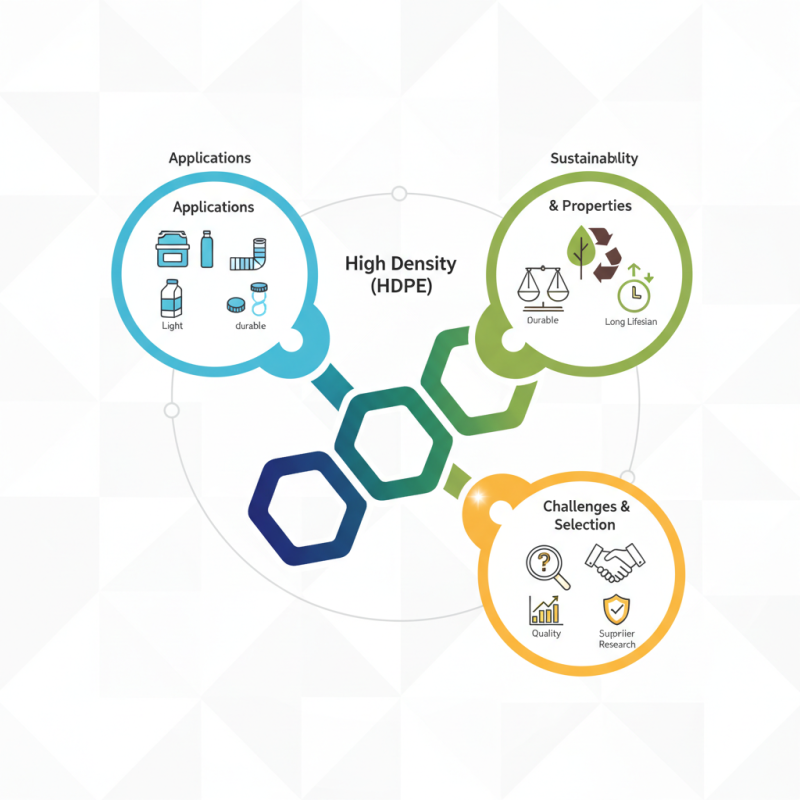
Navigating the landscape of HDPE involves understanding its unique properties. It’s lightweight yet durable, making it ideal for products ranging from containers to piping. Customers appreciate the long lifespan of High Density Plastic products, but many might overlook the nuances required for optimal selection. Recent innovations present new options that vary in quality and cost, raising questions about reliability.

Despite the advantages, there are ongoing challenges in the HDPE market. Some products may not meet the expected durability, leading to failures in applications. Buyers must be vigilant in researching suppliers and understanding material specifications. Each option should be evaluated carefully to ensure it meets specific needs. Balancing cost and quality is essential but can be tricky. The clearer the information on High Density Plastic, the better decisions can be made.
2026 Best High Density Plastic Options for Global Buyers?

2026 Overview of High Density Plastics: Types and Applications

High density plastics (HDPE) are widely used in various industries due to their durability and versatility. They are known for their strength, lightweight nature, and resistance to impact and chemicals. Common types of high density plastics include polyethylene (HDPE), polystyrene, and vinyl. Each type has specific applications, making them suitable for packaging, construction, and automotive industries.

For instance, HDPE is popular in the production of bottles, containers, and pipes. Its resistance to moisture and chemicals makes it ideal for agricultural applications. Polystyrene, another high density plastic, finds its use in insulation and disposable food containers. The properties of these materials contribute to their effectiveness but also require careful consideration during manufacturing.

Despite their benefits, there are challenges associated with high density plastics. Recycling rates remain low in many regions. Contamination can hinder recycling efforts. Buyers need to be aware of the environmental impact of these materials. This awareness can lead to more sustainable choices. Understanding the types and applications of high density plastics is crucial for making informed decisions in a global market.

Market Trends: Growth Insights for High Density Plastics in 2026

The global high-density plastic market is set for significant growth by 2026. According to recent reports, demand is expected to increase by over 4.5% annually. This surge is driven by various sectors, especially packaging and automotive. High-density polyethylene (HDPE) plays a crucial role in these applications, offering durability and cost-effectiveness.

Factors influencing this growth include environmental regulations and the push for recyclable materials. The global market size was estimated at around $65 billion in 2021. By 2026, experts project it could reach approximately $82 billion. However, sustainability remains a challenge. Many manufacturers struggle to create truly eco-friendly products. Addressing these concerns will be vital for industry credibility.

Innovation is essential as well. Companies are exploring bioplastics and improved recycling processes. The need for safer, lighter materials is pushing research forward. Yet, shifting consumer preferences can complicate these efforts. Staying ahead of trends will require agility and resilience from industry players. The path to 2026 is filled with opportunities and hurdles. The journey toward a sustainable future is ongoing.

Key Properties of High Density Plastics: Performance and Durability

High-density plastics are renowned for their exceptional performance and durability. These materials are designed to withstand harsh conditions, making them ideal for various applications. They exhibit excellent resistance to impact and wear, ensuring longevity even in demanding environments. The ability to maintain structural integrity under stress is a key feature, essential for industries like automotive and construction.

One notable property of high-density plastics is their chemical resistance. They can endure exposure to a wide range of substances without degrading. This quality is crucial in settings such as laboratories, where stability and reliability are non-negotiable. However, not all high-density plastics perform equally. Some may experience brittleness over time, especially when subjected to extreme temperatures. Identifying the right type based on specific needs is essential.

Moreover, sustainability is becoming increasingly important. Many manufacturers are exploring eco-friendly options within high-density plastics. Recyclability and reduced environmental impact are growing concerns, meeting the demands of conscientious buyers. Awareness of these factors can lead to better choices. However, the journey toward sustainability is still imperfect, requiring ongoing efforts and innovation in the industry.

Comparative Analysis: Leading High Density Plastic Brands and Their Offerings

High-density plastics are essential in many industries. Their durability and versatility make them a popular choice for various applications. However, choosing the right brand can be challenging. A comparative analysis of leading high-density plastic brands reveals significant differences among their offerings.

Some brands focus on sustainability, using recycled materials in their production. These options can reduce environmental impact, yet there may be trade-offs in performance. Others prioritize strength and resistance, ideal for heavy-duty applications. However, these options might sometimes come with a higher price tag. It is crucial to assess the specific needs of your project before making a decision.

A reliable supplier provides transparency about their materials and processes. Not all manufacturers meet the same quality standards. Researching customer reviews can offer insights into their reliability. However, even top brands might face quality control issues. Balancing cost, quality, and environmental impact is vital for informed decision-making.

2026 Best High Density Plastic Options for Global Buyers

Category Material Type Density (g/cm³) Applications Notes
Packaging HDPE 0.95 Bottles, Containers Good chemical resistance
Construction Parker's HDPE 0.96 Pipes, Plastic Lumber Durable and weather resistant
Consumer Goods HDPE/LDPE Blends 0.90 - 0.93 Toys, Household Items Flexible and lightweight
Automotive HDPE 0.95 Interior Components, Underbody Shields Excellent durability
Medical FDA approved HDPE 0.95 Medical Containers, Equipment Parts Biocompatibility tested

Sustainability in High Density Plastics: Innovations and Recycling Practices

High-density plastics are gaining traction due to their versatility. Many industries use them for packaging, construction, and automotive applications. However, sustainability remains a pressing issue. Innovations in high-density plastics focus on improving their recyclability and reducing environmental impact.

Recycling practices are crucial. Advanced recycling technologies can break down plastics into their basic components. This process allows for the creation of new, high-quality materials. Despite these advancements, challenges persist. Not all high-density plastics are recyclable, and contamination can hinder the recycling process.

Educating consumers about proper disposal and recycling methods is essential. Communities need awareness programs to promote responsible plastic use. Moreover, manufacturers should explore bio-based alternatives. These options might not perform as well, but they can reduce reliance on fossil fuels. Reflecting on these practices is essential for a more sustainable future.

FAQS

: What are high-density plastics used for?

: High-density plastics are used in packaging, construction, and automotive applications due to their durability and versatility.

Why is sustainability important for high-density plastics?

Sustainability reduces environmental impact and promotes responsible use, which is essential for the future of plastic materials.

Do all high-density plastics recycle well?

No, not all high-density plastics are recyclable. Contamination can hinder the recycling process significantly.

How can consumers help with recycling efforts?

Consumers can educate themselves about proper disposal methods and participate in community awareness programs.

What should I consider when choosing a high-density plastic supplier?

Assess transparency, quality standards, and customer reviews to make an informed purchase decision.

Are recycled high-density plastics always reliable?

Recycled materials can reduce impact but may sacrifice some performance. Quality varies among suppliers.

What innovations are being made in high-density plastics?

Innovations focus on improving recyclability and developing bio-based alternatives, but these options may have performance trade-offs.

How do advanced recycling technologies work?

These technologies break down plastics into basic components, enabling the creation of new, high-quality materials.

What challenges do manufacturers face with recycling?

The challenges include not all plastics being recyclable and contamination affecting recycling effectiveness.

Is there a perfect solution for sustainability in plastics?

No solution is perfect. It's important to reflect on trade-offs and explore various options for a sustainable future.

Conclusion

The article "2026 Best High Density Plastic Options for Global Buyers" provides an insightful overview of high density plastics, detailing their various types and applications. It highlights the market trends anticipated for 2026, emphasizing the expected growth in this sector due to an increasing demand for durable and high-performance materials across different industries.

In addition, the article discusses the key properties of high density plastics, such as their performance and durability, which make them suitable for a wide range of applications. A comparative analysis of leading high density plastic options showcases the unique offerings each type provides. Furthermore, the article addresses sustainability, focusing on innovations and recycling practices within the high density plastics realm, underscoring the industry's commitment to environmental responsibility.


Amelia

Amelia

Amelia is a seasoned marketing professional with a wealth of expertise in our company’s core offerings. With an unwavering passion for driving growth and innovation, she plays a pivotal role in shaping our marketing strategies and enhancing brand visibility. A key aspect of her responsibilities......